
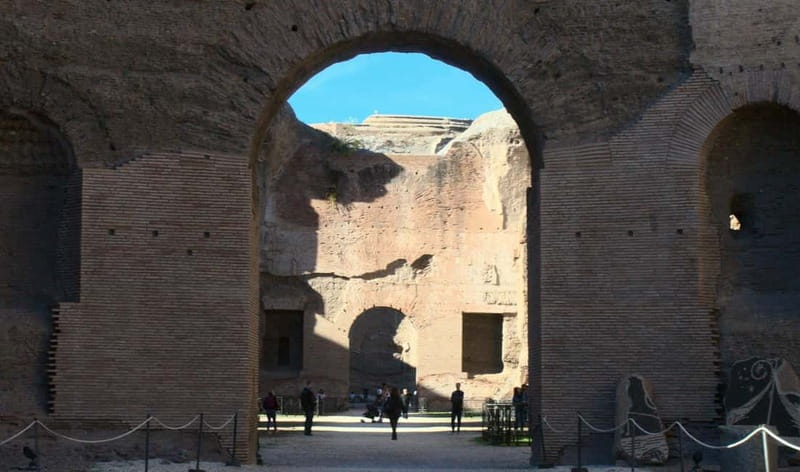
Review · ROME
Rome: Ancient Baths of Caracalla Ticket & Audio Guide
The Baths of Caracalla show ancient Rome at its most practical and grand. This was not just a place to wash. It was a public leisure center with swimming, exercise, massage, art, and clever underground heating. I like the freedom to explore 17 points of interest at your own pace, and I like that the audio explains how the hypocaust worked instead of leaving you to stare at a field of walls and guess.
The main drawback is that the audio guide lives on your phone, not in a supplied handset. You need headphones, a charged smartphone, and a little patience with the app and route. Some sections may also be closed for restoration, and without the commentary, the ruins can feel much less rewarding.
Key points before you book
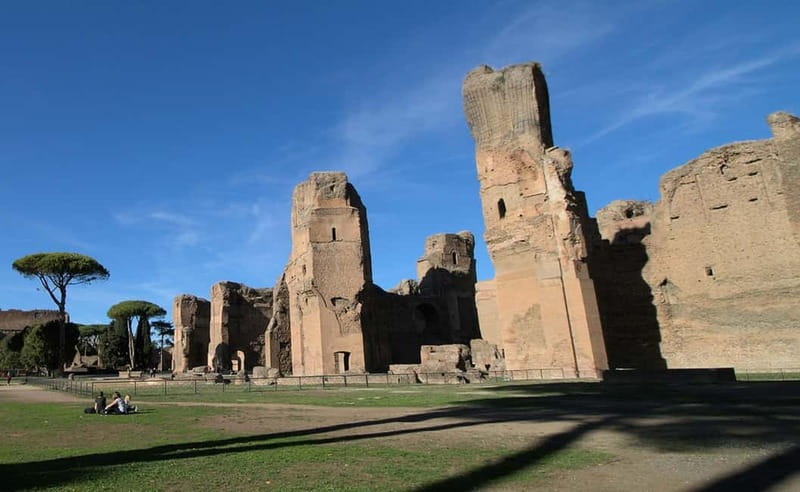
- A vast imperial bath complex: The Baths of Caracalla were the second largest imperial baths in Rome.
- Seventeen audio stops: The commentary covers major areas such as the swimming pool, gymnasium, and massage rooms.
- Ancient heating in plain view: You’ll learn how fires and the hypocaust system warmed the floors and water.
- Bring your own equipment: You need a charged phone and headphones. No headset or mobile device is supplied.
- About two hours on site: The self-guided format lets you move faster or linger over mosaics and ruins.
- A modest but important dress code: Flip-flops, shorts, and sleeveless shirts are not allowed.
Why the Baths of Caracalla are worth your time
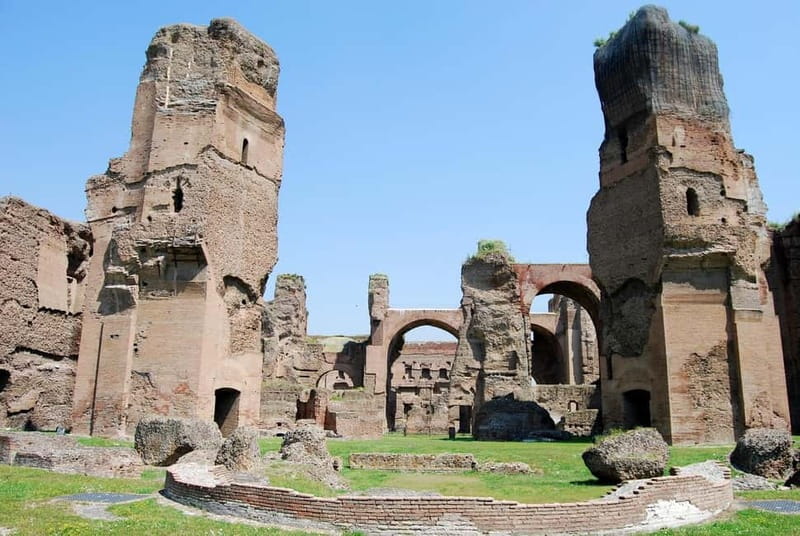
Rome gives you plenty of famous ruins, but the Baths of Caracalla offer something different from a temple or triumphal arch. You can see how an enormous public building worked. The complex was built under Septimius Severus and his son Caracalla, then opened for everyday public use.
That public role matters. The baths were not reserved for emperors or wealthy families. They were part of Roman social life, a place for bathing, exercise, relaxation, and conversation. As you walk through the remains, the scale helps you picture the crowds, staff, furnaces, water systems, and daily routines that once filled the site.
The size can be startling. Even in ruins, the walls and open areas make the complex feel more like a small district than a single building. I find that the audio commentary is especially useful here because the site’s grandeur is easier to understand when someone explains what each section did.
Without an explanation, you’ll see brick walls, broken floors, and fragments of decoration. With the audio, those pieces begin to form a working bath complex. That difference is important. This is not the kind of attraction where every detail explains itself.
More History Audio Tours in Italy
- Colosseum, Roman Forum & Palatine Hill with Audioguide App
★ 4.4 · 6,291 reviews - Rome: Colosseum, Ancient Rome Tour or AudioGuided Tour
★ 4.4 · 2,879 reviews - Colosseum, Roman Forum & Palatine Hill Entry and Audioguide
★ 4.1 · 2,475 reviews
Entering at Viale delle Terme di Caracalla
You go directly to the main entrance at Viale delle Terme di Caracalla in Rome. There is no transportation included, and there is no traditional guide leading a group, so you need to arrive ready to manage the visit yourself.
Have your downloaded ticket open before you reach the entrance. The electronic ticket is sent through WhatsApp within 24 hours of your travel date, so check your messages and keep the voucher easy to find. You scan the QR code to download the audio guide before arrival.
This setup is simple when prepared in advance. It can be less simple if you arrive without headphones or with a low phone battery. One useful trick is to download the audio before entering and bring your own earbuds or headphones. You do not receive a headset or mobile device.
The entrance is wheelchair accessible, although the condition of individual paths and areas can vary because the site is an archaeological ruin. If you need a fully smooth route throughout, it is wise to confirm current access details before booking.
The first look at the imperial scale
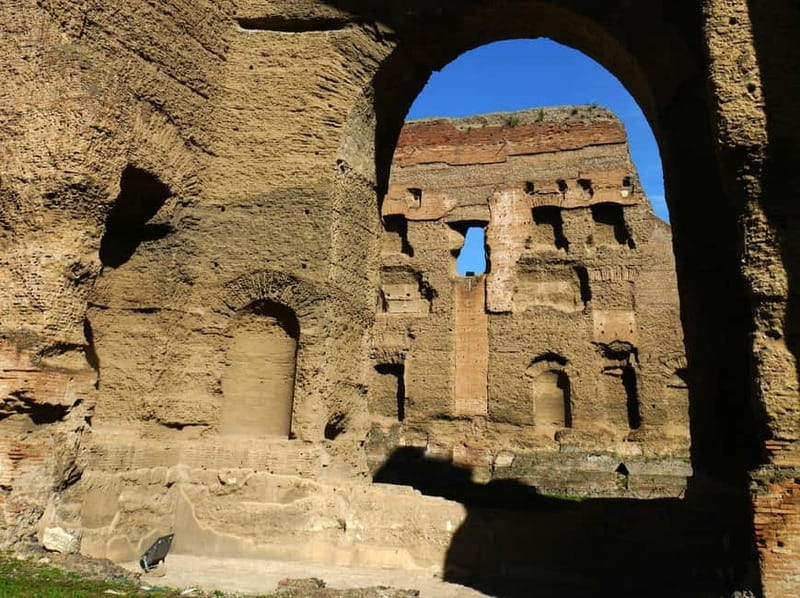
Once inside, give yourself a moment to understand the size of the site before rushing to the first audio point. The Baths of Caracalla were the second largest imperial Roman baths, and their broad remains make that claim believable.
The audio route covers 17 points of interest. That gives you a useful framework without forcing you into a rigid group schedule. You can pause, replay information, and take photographs as you go.
The route is not always easy to follow. The audio stops may not line up perfectly with the physical path, and some sections can be closed for maintenance or restoration. Take the map or route information slowly, look for the next point before pressing ahead, and expect a little orientation work.
This is where the experience differs from a guided walk. A human guide would point and adjust the explanation as you move. Here, you control the pace, but you also have to keep track of where you are.
The swimming pool and grand public spaces
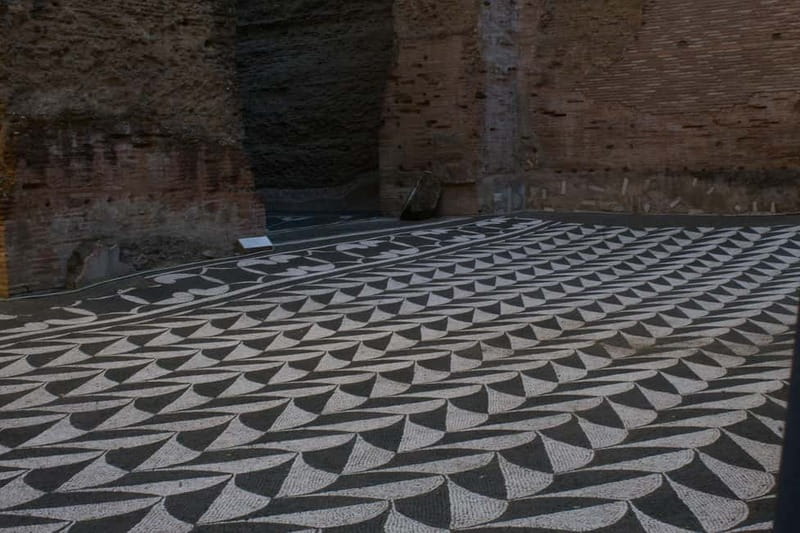
The swimming pool is one of the key stops, and it helps explain the baths as a social and recreational center. You are not simply looking at a washroom. You are standing in a place designed for leisure on a monumental scale.
The audio explains how different areas fit into Roman bathing culture. As you move through the remains, look for the relationship between open spaces, large halls, exercise areas, and service zones. The surviving structure gives you the outline, while the commentary supplies the purpose.
The pool area is also a good place to let your imagination do some work. Much of the original finish and activity is gone, so you will not see the complex as it looked in antiquity. Still, the dimensions and surviving walls make it easier to picture water, people, and elaborate decoration filling the space.
Photography is allowed, and the ruins provide plenty to frame. The most interesting images are often not the widest views, but details of brickwork, arches, fragments of colored marble, and floor patterns.
More History Audio Tours in Rome
- Rome: Colosseum, Roman Forum & Palatine Hill Visit + Audio Guide
★ 3.5 · 1,522 reviews - Rome: Roman Forum Super Pass Entry with Audio Guide App
★ 4.2 · 750 reviews - Colosseum, Roman Forum, Palatine Guided Tour or AudioGuide Option
★ 4.5 · 631 reviews - Colosseum, Roman Forum & Palatine Hill Admission With Audio Guide
★ 4.5 · 586 reviews
Gymnasium, massage rooms, and daily Roman life
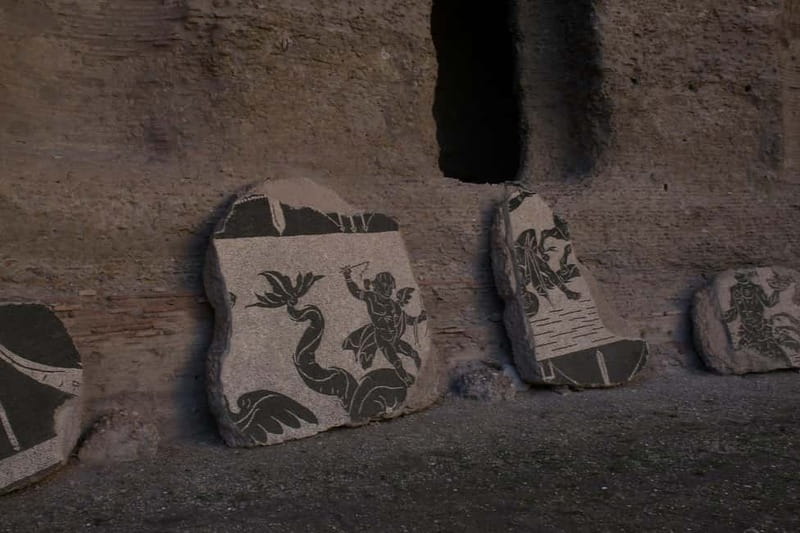
The gymnasium and massage rooms show that the baths served many purposes. Exercise and personal care were part of the experience, and the complex functioned as a public leisure center rather than a simple series of bathing pools.
I like this part because it puts ordinary activity into the picture. Ancient Rome can feel dominated by emperors, armies, and monuments. The baths bring you closer to the daily rhythm of the city: people exercising, washing, meeting friends, and taking time away from work.
The massage rooms also remind you that the baths were staffed and organized. The building required water, fuel, maintenance, cleaners, attendants, and skilled workers. The audio’s explanation of the site’s function helps you see the Baths of Caracalla as a living institution, not just a shell.
The ruins themselves can look plain in places. If you expect fully rebuilt rooms, this may feel underwhelming. If you enjoy connecting fragments to a larger picture, the site rewards patience.
The hypocaust and Roman heating technology
The ancient heating system is one of the best reasons to choose the audio guide. The baths were heated through a hypocaust, a system that sent hot air beneath raised floors and through parts of the walls.
The idea is easy to understand once explained, but the surviving structure gives it weight. You can think about the labor required to keep the fires burning and the building supplied with fuel. Heating water and floors across such a large complex was a major engineering task.
This technical side adds depth to the visit. You are not only hearing that Roman builders were skilled. You are learning how their system worked and why the building needed service spaces beneath and around the public rooms.
The audio also helps you connect the visible ruins with the parts that are harder to spot. At a site this large, practical systems can disappear into the background. The commentary draws your attention to the engineering that made the baths possible.
Mosaics, marble, and the lost decoration
The Baths of Caracalla were decorated with mosaics and artwork, and some preserved sections remain to reward a closer look. Bring a camera, but do not spend the entire visit looking through a screen. The details are easier to appreciate when you first see them with your own eyes.
The mosaics can be especially striking because they survive as pieces of the original decorative scheme. Marble surfaces and artwork helped turn a functional bath into a grand public setting. Their presence also reminds you that the ruins once had color, polish, and visual drama.
You will need to imagine much of that original finish. The site is not rebuilt, and some areas may be closed for restoration or renovation, especially during periods of seasonal work. Check the condition of the complex when you arrive and adjust your expectations.
One important historical detail is that stones from the baths were later reused in the construction of St. Peter’s Basilica. That fact gives the site another layer. The Baths of Caracalla did not simply disappear. Parts of the old complex were taken apart and put to use elsewhere in Rome.
Is the audio guide reliable and easy to use?
The audio is available in English, Spanish, French, German, and Italian. For many people, that is the main reason to book this option instead of buying only an entrance ticket.
The content is more detailed than the brief information available at the site itself, so I would choose the audio if you want to understand what you are seeing. The commentary covers the complex’s history, its role in Roman life, the heating system, and the major points along the route.
The weak spot is the technology. The guide works through a mobile application, and you must download it using the QR code on your voucher. Bring headphones, and make sure your phone has enough battery for the full visit.
The route can also be hard to follow. A few minutes spent getting your bearings at the start will save frustration later. If two people are visiting together, one audio guide may be enough if you can comfortably share headphones, which can lower the practical cost.
Is $20 a fair price?
The listed price is $20 per person. That includes entry, the audio guide for the Baths of Caracalla, a Rome landmarks audio guide, and applicable fees and taxes.
The value depends on what you want from the visit. If you only want to walk around the ruins and take a few photographs, you may find the price high compared with buying an entrance ticket directly. Earlier ticket prices cited for the site were considerably lower, with the audio guide costing extra.
If you want context and do not plan to hire a private guide, the package makes more sense. The Baths of Caracalla are large and not always self-explanatory. Paying for the commentary can turn a short look at ruins into a focused two-hour visit.
The self-guided format also saves you from following a group schedule. You can stop at mosaics, replay the heating explanation, or move on when your interest fades. That flexibility is part of the value.
Who should book this experience?
I would recommend it to independent visitors who like archaeological sites but do not want a formal group tour. It suits people who are comfortable using a phone and who prefer to pause or move ahead on their own.
It is also a good fit if you want to understand ancient Roman technology. The hypocaust system, water management, and organization of the baths give the visit a practical focus that many Roman ruins lack.
Families with older children may find the heating system and enormous swimming pool easier to discuss than a long sequence of dates and emperors. The open ruins also leave room for photographs and exploration, though you should keep the dress code in mind.
I would be more cautious if you dislike app-based tours, forget headphones, or want a guide to lead you from point to point. The site can be confusing without preparation, and the experience loses much of its value if the audio fails or you cannot hear it.
Wear comfortable shoes. Flip-flops and sandals are not allowed, and neither are shorts or sleeveless shirts. These rules are easy to meet, but they are worth remembering before you leave your hotel.
Should you book the Baths of Caracalla audio tour?
Book it if you want the freedom of an independent visit with enough explanation to make the ruins meaningful. The strongest parts are the scale of the complex, the preserved mosaics, the swimming pool, and the account of the hypocaust heating system.
Skip it if you only want a quick photo stop or if using your own phone for audio sounds inconvenient. In that case, buying entry directly may offer better value.
At $20, this is a sensible choice for visitors who want structure without a group or fixed pace. Prepare your ticket, headphones, phone battery, and footwear, and allow the full two hours. The Baths of Caracalla reward curiosity, but they ask you to bring a little imagination.
FAQ
How long does the Baths of Caracalla experience last?
The stated duration is two hours. Because the audio guide is self-guided, you can move at your own pace during that time.
Is a guided tour included?
No. This is a self-guided experience with audio commentary. A live guide is not included.
Which languages are available?
The audio guide is available in English, Spanish, French, German, and Italian.
Do I need to bring headphones?
Yes. Headphones are not provided, so you should bring your own.
Do I need a smartphone?
Yes. You need a charged smartphone to download and use the audio guide. No mobile device is supplied.
Where do I enter the Baths of Caracalla?
Go directly to the main entrance at Viale delle Terme di Caracalla, 00153 Rome. Have your downloaded ticket ready to scan.
What clothing is required?
Comfortable shoes are recommended. Flip-flops, shorts, and sleeveless shirts are not allowed.
New audio tours around Rome
- Rome: St. Peter’s Basilica and Dome Entry + Audio Guide★ 4.5 · 13 reviews
- St. Peter’s Basilica: Hosted Entrance & Digital Audioguide★ 4.1 · 35 reviews
- Sorrento & Pompeii Day Trip from Rome Audio Guide Tour★ 4.2 · 50 reviews
- Rome:St. Peter’s Basilica Hosted Entry + Official Audioguide★ 3.4 · 10 reviews
- Rome:Ostia Antica Skip-the-line Ticket & Audioguide★ 4.3 · 11 reviews
- Colosseum, Roman Forum, Palatine Hill access and AudioGuide★ 4.7 · 12 reviews
- Rome+Jubilee Audioguide – TravelMate app for your smartphone★ 4.2 · 38 reviews
- Rome: Vatican Museums & Sistine Chapel Entry with Audio App★ 4.3 · 240 reviews
Rome Audio Tours, compared.
Rome: Colosseum & Forum with Audio Guide App -Optional Arena
Read our review →
Rome: City Sightseeing Hop-on Hop-off Bus with Audioguide
Read our review →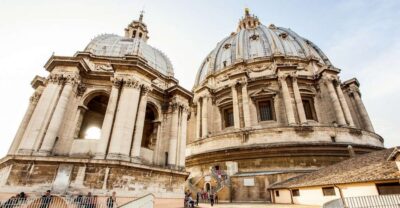
Rome: St. Peter’s Basilica & Dome Entry Ticket & Audio Tour
Read our review →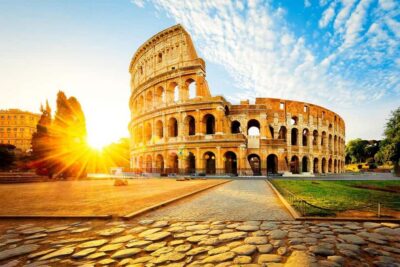
Colosseum, Roman Forum & Palatine Hill with Audioguide App
Read our review →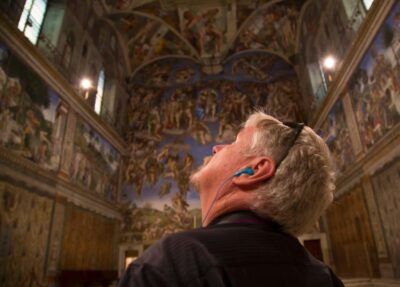
Vatican & Sistine Chapel Ticket with Optional Audio Guide
Read our review →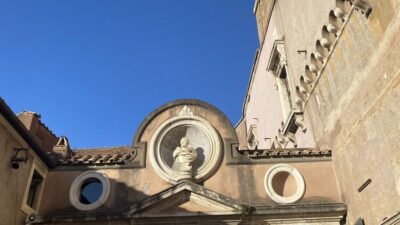
Rome: Castel Sant’Angelo Entry Ticket & Digital Audioguide
Read our review →
Rome: Castel Sant’Angelo Entry Ticket & Audio App
Read our review →
Rome: Hop-on Hop-off Sightseeing Bus Tour with Audioguide
Read our review →Browse the lists this tour appears in