
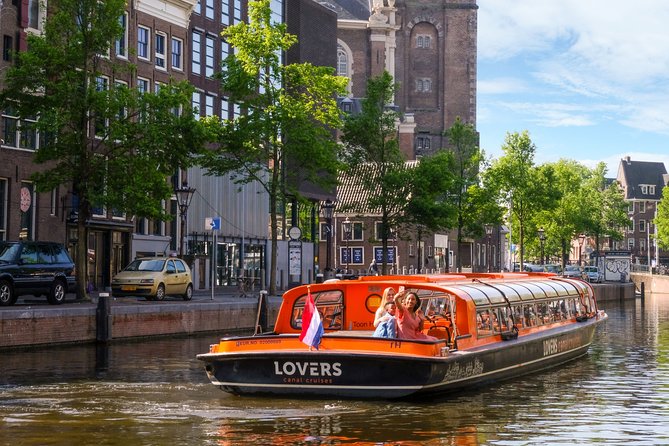
Review · AMSTERDAM
Amsterdam Sightseeing Canal Cruise with Audio Guide
Amsterdam’s best city view comes from the water, where 17th-century canal houses lean above you and bridges frame the streets. This one-hour cruise gives you a quick introduction without asking your tired feet to walk another mile, and it is especially handy on a rainy or chilly day.
I like the choice of four departure points, and I like the price: at about $16.74, this is an inexpensive way to get your bearings. The drawback is that boats can feel crowded and the glass roof may block some photos. Audio equipment has also been uneven, so do not count on every word being perfectly clear.
Key points to know
- Four useful departure points: Board near Central Station, Anne Frank House, Rijksmuseum, or Leidse Square.
- A short city overview: The one-hour route suits a first afternoon or a tight schedule.
- Covered glass-topped boats: You stay dry in poor weather, though window frames can limit views.
- Audio commentary included: You hear background on canals, bridges, churches, and museums in several languages.
- A maximum of 60 people: This is a standard sightseeing boat, not an intimate small-boat tour.
- Arrive 10 minutes early: Seats with a clearer view can go quickly, especially on busy departures.
Seeing Amsterdam from its oldest streets
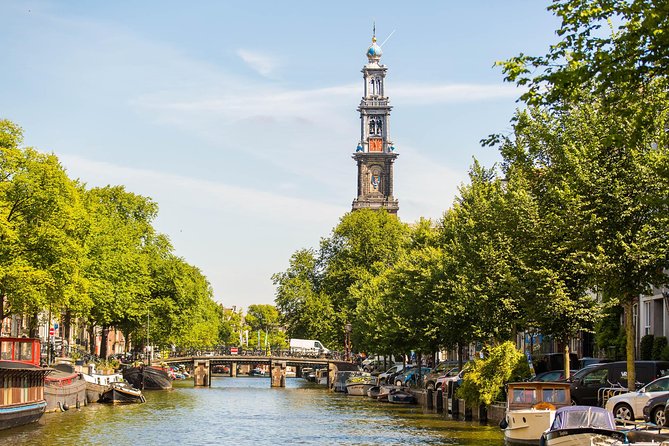
Amsterdam is easiest to understand from the canals. The city grew around trade, water, and carefully planned rings of waterways. From a boat, you see how narrow merchant houses, drawbridges, churches, houseboats, and busy streets fit together.
The cruise is operated by Lovers Canal Cruises, a company that has offered Amsterdam boat tours since the 1950s. Its glass-roofed boats are built for sightseeing in changing weather. That practical design matters here. Amsterdam can turn wet and windy without much warning, and a covered boat lets you keep your plans even when the sky does not cooperate.
The setting is scenic, but this is not a private or highly personal tour. You share the boat with a sizeable group, up to 60 people. I would think of it as a comfortable city orientation rather than a quiet exploration of hidden corners.
The captain may add live comments along the way. Some captains have been praised for being funny and helpful, with Eddie singled out for making the ride entertaining. Still, the main information comes through the audio guide, so the quality of your experience can depend on the headphones and the noise level onboard.
More Boat and Cruise Audio Tours in Amsterdam:
- Amsterdam: 75 Minute City Canal Cruise with Audio Guide
★ 4.4 · 19,938 reviews - Amsterdam: City Centre Canal Cruise including Audioguide
★ 4.3 · 16,901 reviews - Amsterdam: Heated Canal Cruise Including Audioguide
★ 4.2 · 2,773 reviews
Choosing the right departure point
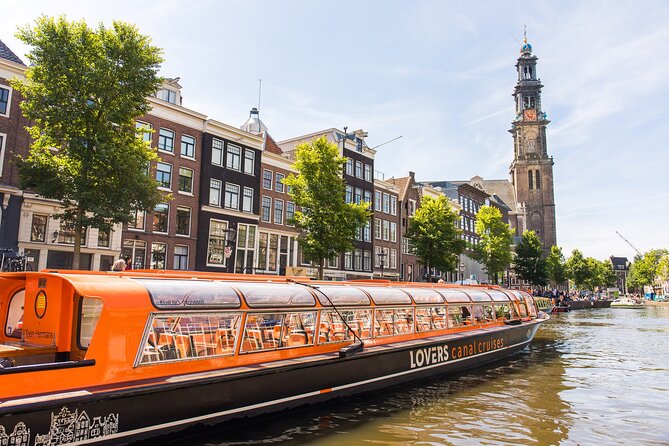
You can make your own way to one of four departure points. This flexibility is one of the tour’s strongest features because you can fit the ride into a walking day instead of crossing the city just to reach a dock.
Central Station is the simplest choice for many visitors. Amsterdam Centraal is hard to miss, and its grand Gothic and Renaissance Revival building was designed by Pierre Cuypers and built between 1881 and 1889. It sits on artificial islands in the IJ, a reminder that Amsterdam has always had to work with water.
The Anne Frank House departure point works well if you are already in the Jordaan or western canal belt. Do not confuse a canal cruise with entry to the Anne Frank House. The museum requires its own ticket, and the boat only passes the area from the water.
Near the Rijksmuseum, you can pair the cruise with the national museum, the Van Gogh Museum, or a walk through Museumplein. This is a good option if art is the focus of your day.
Leidse Square is useful for an evening outing, with restaurants and nightlife nearby. Check your exact meeting point carefully, arrive at least 10 minutes before departure, and allow extra time if you are walking from another part of central Amsterdam.
Departure locations can be affected by major city events. A sailing event once caused a departure near the Anne Frank House to move to Central Station. That kind of change is not the norm, but it is a reason to check your booking details on the day and avoid scheduling the cruise immediately before a train or flight.
The canal belt, viewed from the water
The boat usually takes you through several of Amsterdam’s main waterways, giving you a broad look at the canal belt rather than focusing on one district.
The Keizersgracht, or Emperor’s Canal, was dug in 1612 and is the widest of the main canals. Look for grander homes and longer views here. The Herengracht, or Gentlemen’s Canal, was the address of Amsterdam’s wealthiest residents. Its Golden Bend is lined with especially stately houses, built when merchants made fortunes through trade.
The Prinsengracht is named for the Prince of Orange. It became a popular residential canal and passes many well-known cultural sites, including the area around the Anne Frank House. From a boat, the canal houses are easier to compare. Their narrow fronts, tall windows, and stepped or curved gables reflect old taxes based partly on the width of a building facing the street.
You will also see houseboats and ordinary city life. That sounds less grand than a parade of monuments, but it is part of the appeal. Amsterdam’s canals are not an open-air museum sealed off from daily use. Cars cross the bridges, residents look out from their homes, and boats share the water.
Bridges, the Amstel, and the Skinny Bridge
The cruise also reaches the Amstel River, the waterway that gave Amsterdam its name. The city developed around this river, and its banks remain some of the best places to understand the connection between commerce and water.
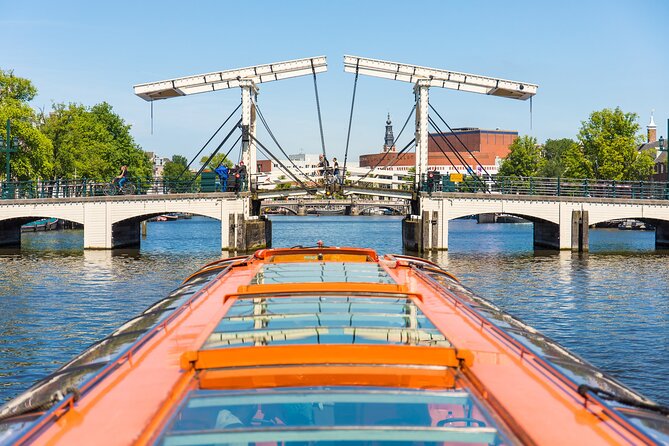
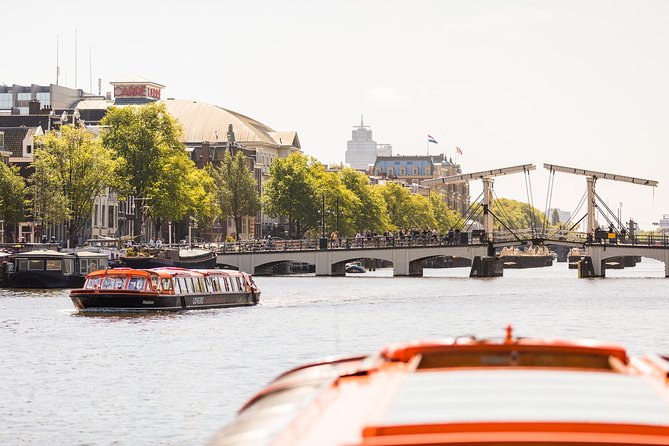
The Magere Brug, or Skinny Bridge, is one of the prettiest sights on the route. The wooden drawbridge dates to 1691, though the present version was rebuilt in 1934 in the traditional style. Its white structure is especially attractive when lit at night, making an evening cruise a good choice if you want city lights rather than bright daytime photos.
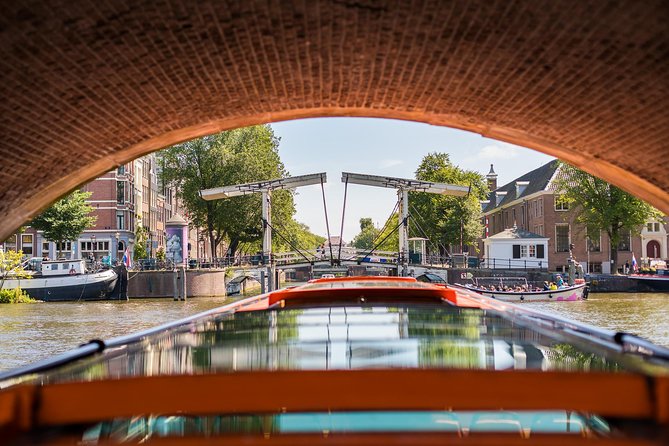
Bridges are a major part of the ride. Amsterdam has thousands of them, and from the low deck of a canal boat you pass beneath arches that look much more dramatic than they do from street level. At times, the boat’s roof and window supports make photography awkward, especially when several people are trying to take pictures at once.
For the clearest views, arrive early and choose a seat with an unobstructed sightline. You may be able to open a window on some boats, but the boat style and weather affect how much ventilation and visibility you get.
More audio tours around Amsterdam:
- Amsterdam: Royal Palace Entry Ticket + Audio guide
★ 4.6 · 7,889 reviews - Amsterdam: Canal Cruise with Live Commentary & Audio Guide
★ 4.4 · 1,034 reviews - Amsterdam City Centre Cruise on heated boat with Audioguide
★ 4.0 · 474 reviews - Amsterdam Van Gogh Museum with Audio or Guided Tour
★ 4.0 · 266 reviews
Churches, museums, and the Nine Streets
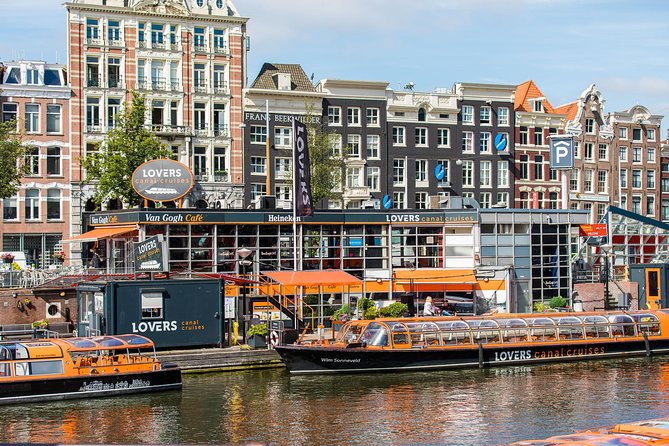
The Westerkerk, completed in 1631, is easy to recognize by its tall Westertoren. The tower has long been one of Amsterdam’s main visual markers, and its location near the Anne Frank House gives the area a strong historical association.
The Nine Streets, or De 9 Straatjes, form a small shopping district within the canal belt. Narrow lanes connect the main canals, with boutiques, vintage shops, and cafés. From the water, you will not browse the stores, but the cruise helps you place this compact neighborhood before returning on foot.
Depending on the route and visibility, you may also see the Rijksmuseum and Van Gogh Museum from outside. The Rijksmuseum, opened in 1885, was also designed by Pierre Cuypers. Its Gothic and Renaissance details make it one of the city’s most recognizable buildings, even if you do not have time to enter.
The boat view is useful here because it gives you a quick sense of distance. You can see how the museum quarter relates to the canal belt, then decide where to spend more time after the cruise. That is one reason I would book this near the start of a first Amsterdam visit.
The old harbor, NEMO, and maritime Amsterdam
Near the eastern side of the city, the route may include views of the Scheepvaartmuseum, or National Maritime Museum. It occupies a former 17th-century warehouse and explores the Netherlands’ long connection with shipping, maps, navigation, and overseas trade.
Nearby, the green, ship-shaped NEMO Science Museum rises above the Oosterdok. Designed by Renzo Piano and opened in 1997, it is aimed especially at families and children. Its unusual shape is easy to spot from the water, and it provides a sharp contrast to the old brick canal houses.
You may also pass the IJ, the body of water north of central Amsterdam. Ferries cross it, and the waterfront shows how the city continues to use its historic connection to the sea. Central Station faces this water, so the cruise can help you see how the old center links to newer waterfront areas.
These sights are not all equally easy to identify from a covered boat. The audio guide should provide context, but if your headphones fail or the boat is noisy, you may only get a quick visual impression. I would treat the commentary as useful background, not a substitute for a museum visit.
The Red Light District and Nieuwmarkt
Amsterdam’s oldest quarter is De Wallen, commonly called the Red Light District. Its origins reach back to the 14th century, when the area served the harbor. Today it combines historic buildings, regulated sex work, nightlife, and heavy sightseeing traffic.
Seeing it from the water gives you a different angle, but the boat does not explain every part of the district in depth. If you plan to walk there later, remember that it is a working neighborhood, not simply a photo stop. Respect privacy and follow local rules about photography.
The cruise may also pass Nieuwmarkt, a historic square centered on the Waag. The building began as a city gate and later served as a guildhall. Nieuwmarkt grew after the old city wall and Sint Antoniespoort were removed, making it a useful example of how Amsterdam changed as the medieval city expanded.
The area is close to Chinatown and the old center, so it is easy to visit on foot after the cruise. A boat pass gives you the outline, while walking lets you examine the buildings more closely.
What the audio guide adds, and where it falls short
The included audio guide provides information in several languages. It is most helpful when the boat is passing a sight that is easy to miss, such as a canal name, a bridge detail, or the story behind a building.
I like having narration because the canals can otherwise blur into one long sequence of houses and water. A good explanation turns a row of façades into a lesson about trade, taxes, city planning, and engineering.
The setup is not flawless. Headsets have occasionally failed, and some commentary can arrive after the boat has already passed the sight it describes. Live announcements from the captain can also compete with the recording. Children and loud conversations may make the audio hard to follow.
If you cannot hear the recording, tell a crew member early rather than waiting until the end. Also listen for the captain’s comments. Some captains add useful details and humor, and one named Eddie has been praised for doing exactly that.
Comfort, crowds, weather, and photography
The glass roof is both the boat’s best feature and its main compromise. In rain, it keeps you warm and dry. In cold weather, that can make the cruise far more pleasant than an open boat.
On a sunny day, the enclosure may feel warm, particularly when the boat is full. A window can sometimes be opened, but the frame may cut across your view. Reflections and overhead supports also make photography harder than you might expect.
The boat holds up to 60 people, so this is not the pick for peace and quiet. It is a good fit if you want a dependable one-hour ride and do not mind sharing the space. If your priority is uninterrupted photos or a more personal guide, a smaller open boat may suit you better.
Evening trips have a different mood. Amsterdam’s bridges and canals can look beautiful under lights, and Christmas decorations add extra color in December. Daytime is better for seeing architectural details, while evening is better for atmosphere.
Is $16.74 good value?
At around $16.74 per person, the cruise offers solid value if you want a quick introduction to Amsterdam. You get an hour on the water, an audio guide, and access to a route that would take much longer to cover on foot.
The price is especially fair for a first visit, a rainy day, or a short stay. It is also useful for anyone who needs a break from walking but still wants to see the center.
The value drops if you expect a small boat, a live history lesson, or perfect photo access. A crowded boat, faulty headset, or altered departure point can turn a simple outing into a frustrating one. Book with free cancellation at least 24 hours ahead if your plans may change. If poor weather cancels the cruise, you are offered another date or a full refund.
Who should book this canal cruise?
I would recommend it to first-time visitors, families, older visitors, and anyone with only a day or two in Amsterdam. It gives you a useful map in your head and lets you rest while still seeing major parts of the center.
It also suits a flexible afternoon plan. Board near one attraction, enjoy the ride, then continue walking from the original departure area. The four departure points make that easy.
I would hesitate if you mainly want dramatic photographs, a quiet ride, or detailed commentary from a local guide. In that case, compare smaller open boats before booking. For most people, though, this is a practical and inexpensive first look at Amsterdam from the water.
FAQ
How long is the Amsterdam canal cruise?
The cruise lasts approximately one hour and returns you to the original departure point.
Where can I board the boat?
You can choose from four departure areas: Central Station, Anne Frank House, Rijksmuseum, and Leidse Square.
Is an audio guide included?
Yes. Audio commentary is included and is available in several languages. Live comments from the captain may also be provided.
Does the boat have a roof?
Yes. The cruise uses glass-topped boats. The roof helps in rain and cold weather, but window frames and reflections may limit views and photographs.
How early should I arrive?
Check in with Lovers 10 minutes before your reserved departure time. Arriving early may also help you find a seat with a clearer view.
Can I cancel the booking?
You can cancel for a full refund up to 24 hours before the experience starts. Cancellations or changes made less than 24 hours before departure are not refunded or accepted.
New audio tours around Amsterdam
- Van Gogh Museum with Audio Guide★ 3.5 · 80 reviews
- Van Gogh Museum Ticket with Audio Guide and Unlimited Access Time★ 5.0 · 25 reviews
- Van Gogh Museum Amsterdam Entry with Optional Audio Guide★ 4.0 · 111 reviews
- Self-Guided Audio Tour of The Red Light District★ 5.0 · 5 reviews
- Combo Ticket: Rijksmuseum Amsterdam & 1h Cruise with Audio Guide★ 3.0 · 83 reviews
- Rijksmuseum Amsterdam Audio guide Tour with Unlimited access time★ 5.0 · 32 reviews
- Self Guided Tours Amsterdam With 100 Captivating Audio Stories★ 4.5 · 3 reviews
- Amsterdam Walking Tour with Audioguide on Your Smartphone★ 3.5 · 3 reviews
Amsterdam Audio Tours, compared.
Amsterdam: 75 Minute City Canal Cruise with Audio Guide
Read our review →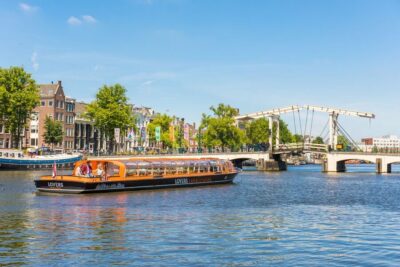
Amsterdam: City Centre Canal Cruise including Audioguide
Read our review →
Amsterdam: Royal Palace Entry Ticket + Audio guide
Read our review →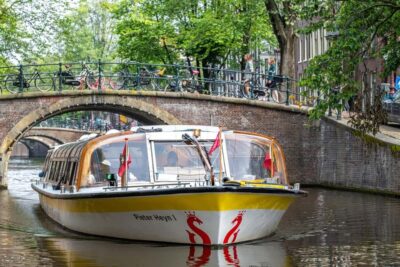
Amsterdam: Heated Canal Cruise Including Audioguide
Read our review →
Amsterdam: Canal Cruise with Live Commentary & Audio Guide
Read our review →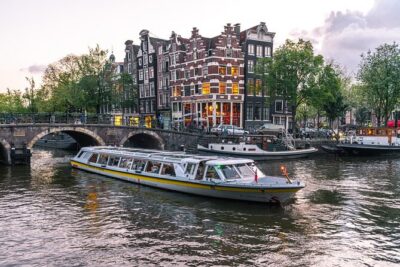
Amsterdam City Centre Cruise on heated boat with Audioguide
Read our review →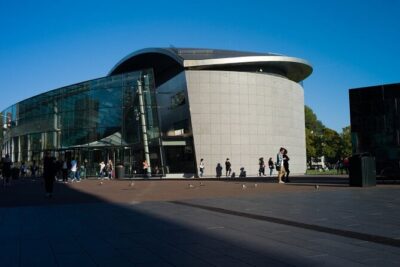
Amsterdam Van Gogh Museum with Audio or Guided Tour
Read our review →
Van Gogh Museum Skip the Queue with Audio Guide
Read our review →Browse the lists this tour appears in