

Review · ISTANBUL
Istanbul Self-Guided Audio Tour
Istanbul’s biggest strength is its history packed into a small, walkable core. This audio tour links the Blue Mosque, Basilica Cistern, Hagia Sophia, Topkapi Palace, and Gulhane Park, then reaches sights farther across the city. I like the six-day access window and the freedom to skip a palace, pause for lunch, or split the route over several days. I also like the low $6 price for 12 audio stops.
The catch is simple: this is not a live guide and not a GPS tour. You must open SoundCloud and Google My Maps yourself, manage your route, pay entrance fees, and provide your own transport. The English narration may also have a regional accent, which one review found distracting.
Key points to know before booking

- Twelve Istanbul sights in one playlist: The route covers major Ottoman, Byzantine, European, industrial, and modern attractions.
- You set the order: Start and finish anywhere, visit only your priorities, or spread the material across the six-day access period.
- The core sights work best together: Blue Mosque, Basilica Cistern, Hagia Sophia, Topkapi Palace, and Gulhane Park form the most useful first-day cluster.
- The $6 fee does not cover admission: Basilica Cistern, Topkapi Palace, Kiz Kulesi, Galata Tower, Dolmabahce Palace, Rahmi M. Koc Museum, and Miniaturk require separate tickets.
- You need working technology: Bring headphones, a fully charged smartphone, and internet access.
- The content is private, but not personal: Only your group uses the tour, yet there is no guide on site to answer questions or solve route problems.
What this $6 Istanbul audio tour really gives you
For six dollars, you are buying access to two private links. One opens a SoundCloud playlist with audio for all 12 attractions. The other opens a Google My Maps route with marked stops and individual audio links.
That price is hard to criticize if you already plan to visit several of these places. A live private guide would cost far more, while a standard group tour would tie you to someone else’s schedule. Here, I can see the value for an independent visitor who wants historical context without paying for a full guided day.
Still, the low price reflects what is missing. No transport is included. No admission ticket is included where one is required. There is no hotel pickup, no person leading you through the streets, and no promise that the stops fit neatly into one day.
The listed duration is about three to nine hours. That is a wide range, but it makes sense. The audio portions are described as roughly 20 minutes per stop, yet the full experience also depends on walking, ferry or public transport connections, ticket lines, time inside each site, and how many of the 12 attractions you choose.
More Self-Guided Audio Tours in Istanbul:
- Athens: Acropolis Ticket & Optional Self-Guided Audio Tours
★ 4.1 · 2,542 reviews - Gettysburg Battlefield Self-Guided Driving Audio Tour
★ 4.5 · 910 reviews - Joshua Tree National Park Self-Guided Driving Audio Tour
★ 4.5 · 762 reviews
How the two access links work
You receive the links through the booking platform’s message system on your selected date, before your start time. Open the first link in a web browser such as Safari or Chrome, then select the attraction you want from the playlist.
The second link uses Google My Maps, not the regular Google Maps app. The attraction markers use headphone icons. Tap a marker, or open the list beneath the map, to reach that stop’s audio guide.
I recommend opening both links before you leave your hotel. Test the audio, check that the map loads, and decide which sights matter most. This small bit of preparation prevents the most common problem with self-guided tours: spending more time wrestling with a phone than looking at Istanbul.
Download or save whatever your phone allows, but do not assume you can work fully offline. The instructions specifically call for internet access. Bring headphones because the tour is designed for personal listening, and charge your phone completely.
The historic center: four essential stops in one compact outing
Blue Mosque and Hagia Sophia
The Blue Mosque is a natural starting point. Its six minarets once caused a diplomatic problem because Mecca also had six at the time. The audio explains Sultan Ahmed’s ambitious building project, the Iznik tiles, geometric patterns, and the way daylight enters through 260 stained glass windows.
The listed listening time is about 20 minutes, but you should allow longer if the mosque is open for your visit. It remains an active place of worship, so access can depend on prayer times and visitor rules. The audio can add useful context, but you still need to pay attention to the setting and dress respectfully.
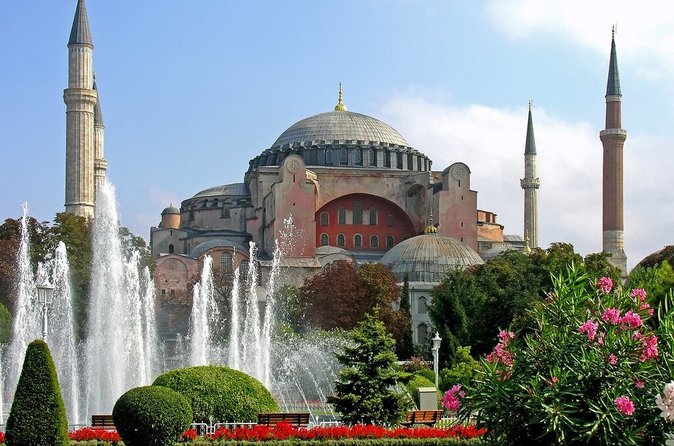
Hagia Sophia is only a short distance away. The story here spans roughly 1,500 years of changing religious and political use. The audio focuses on the great dome, Christian mosaics visible beside Islamic calligraphy, emperors, sultans, earthquakes, and the building’s survival through major upheavals.
I like pairing these two mosques because they show different chapters of Istanbul’s religious architecture. The Blue Mosque expresses Ottoman confidence in the 17th century. Hagia Sophia carries a far longer and more complicated story. The audio gives you a way to connect those stories instead of treating each building as a separate photo stop.
More audio tours around Istanbul:
- Istanbul: Daytime or Sunset Sightseeing Cruise & Audio Guide
★ 4.8 · 14,430 reviews - Istanbul: Basilica Cistern Fast-Track Entry and Audio Guide
★ 4.6 · 7,521 reviews - Topkapi Palace and Harem Skip-the-Line-Tickets & Audio Guide
★ 4.3 · 4,745 reviews - Istanbul: Bosphorus Sightseeing Cruise Tour with Audio Guide
★ 4.6 · 4,704 reviews
Basilica Cistern
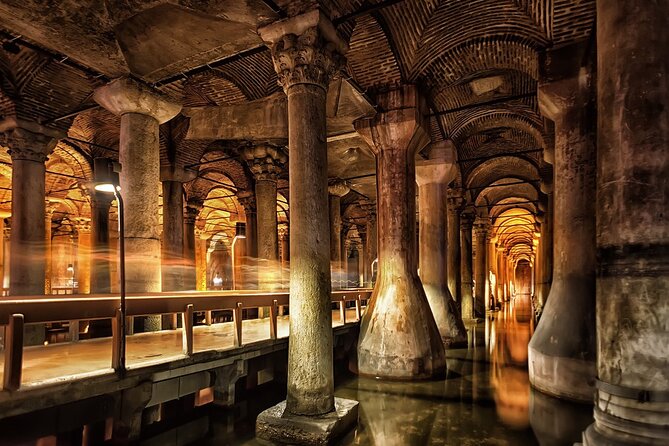
The Basilica Cistern takes you below street level into a huge underground water store supported by 336 columns. Its dim setting, reflections, and fish make it one of the city’s most unusual sights.
The narration covers Roman engineering, the water supply for ancient Istanbul, the two Medusa heads, and the cistern’s later use as a film and concert setting. I would not rush this stop. The atmosphere is part of the attraction, and a self-guided format lets you pause instead of being pushed along with a group.
Admission is separate, and the audio does not replace a ticket. Check the access arrangements on the day you visit, since paid attractions can have queues or changing entry procedures.
Topkapi Palace and Gulhane Park
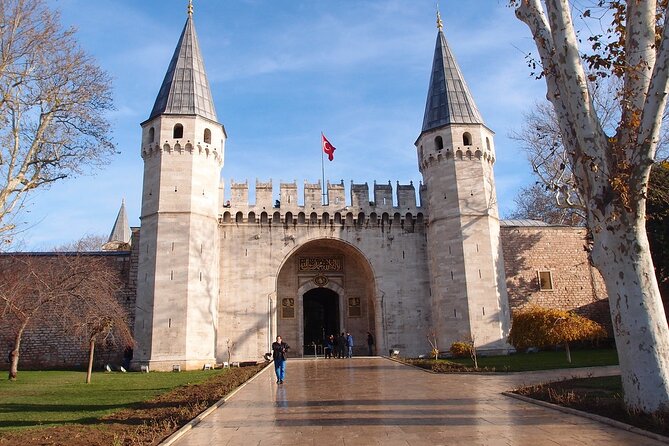
Topkapi Palace needs more than the listed 20-minute audio segment if you want to see its courtyards, Treasury, and Harem properly. The narration brings in palace ceremonies, diplomacy, private family life, and the famous Topkapi Dagger and Spoonmaker’s Diamond.
The Harem requires special attention because it is not simply a set of pretty rooms. It was tied to the sultan’s household and political network. The audio helps you see the palace as a working center of power, not just a collection of decorations.
Topkapi requires a separate admission fee. That matters when you compare the $6 audio cost with the total day’s budget. I would reserve this for a morning when you have time and energy, rather than squeezing it between other paid sights.
Gulhane Park is the gentle follow-up. These former palace gardens now offer open paths, trees, and Bosphorus views. The audio covers the park’s change from royal retreat to public space, its connection to the Tanzimat reforms, and its place in the development of Turkish journalism.
I like having a park stop in the program. After several interiors, Gulhane gives you room to slow down. Admission is free, though the park is more useful as a pause near Topkapi than as a destination requiring a long separate journey.
Suleymaniye Mosque and Galata Tower
Suleymaniye Mosque presents the Ottoman golden age through the work of architect Mimar Sinan and Sultan Suleiman. The audio discusses proportions, acoustics, earthquake-resistant engineering, calligraphy, Iznik tiles, and the mosque complex’s schools, hospital, kitchens, and other social services.
This is one of the most useful stops for understanding how an Ottoman mosque complex served daily life. It was not only a prayer hall. It also supported learning, charity, food distribution, and public services.
The mosque admission is listed as free. As with the Blue Mosque, remember that it is an active religious site. Your visit should fit around worship, and respectful clothing and behavior are essential.
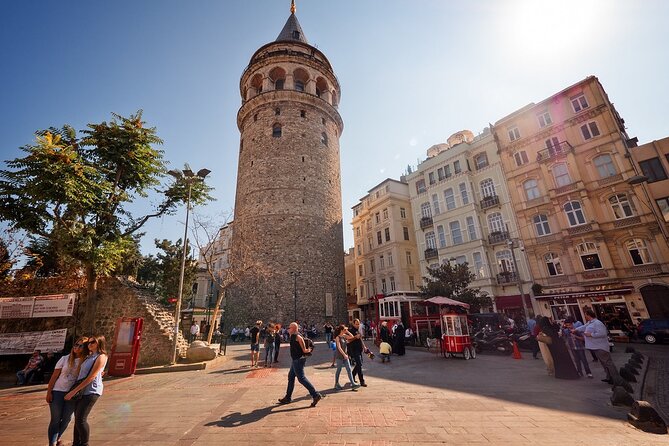
Galata Tower changes the mood completely. The medieval tower offers broad views across Istanbul, the Golden Horn, and the meeting point of Europe and Asia. The audio traces its Genoese beginnings, Ottoman fire-watch role, and the famous flight associated with Hezarfen Ahmed Celebi.
The tower requires a separate ticket. You also need to account for the time and effort of getting across the city from the historic peninsula. The audio tells you why the tower matters, but it does not guide you through the transport connection or guarantee an easy entrance.
The Bosphorus side: Kiz Kulesi and Dolmabahce Palace
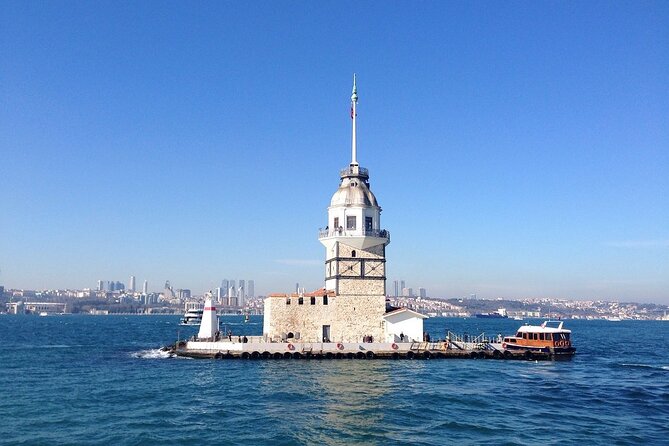
Kiz Kulesi, also called Maiden’s Tower, sits on a small island near the meeting of Europe and Asia. Its stories include a princess shut away because of a prophecy, naval defense, lighthouse work, customs control, quarantine, and later romantic legends.
The audio is useful here because the tower is best understood from a distance as well as from inside. Its position in the water made it practical, strategic, and symbolic. Admission is separate, and the experience depends on the access arrangements in place during your visit.
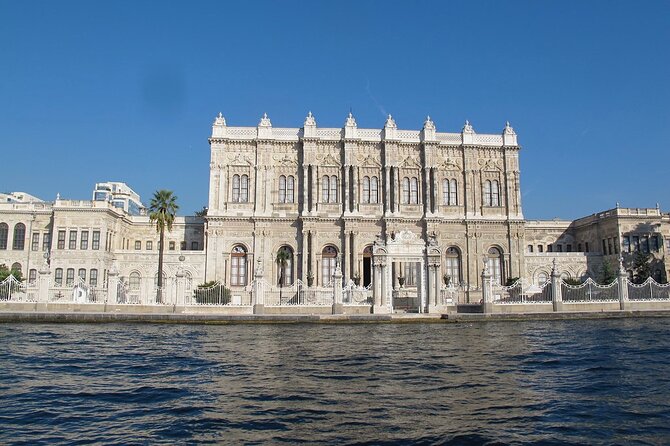
Dolmabahce Palace shows the Ottoman Empire at its most European-looking. The audio covers the palace’s cost, European design elements, Bohemian crystal, the famous chandelier, the gold bathtub, modernization efforts, and the final sultans who lived there.
It also connects the palace to the early years of modern Turkey. That shift gives the stop real weight: you are not only seeing lavish rooms, but also a building linked to the empire’s final period and the country’s new political chapter.
Dolmabahce requires a separate ticket. Since the palace is farther from Sultanahmet, I would combine it with Galata Tower or other Bosphorus-side plans rather than trying to walk between every stop.
Two unusual choices: Rahmi M. Koc Museum and Miniaturk
Rahmi M. Koc Museum is a welcome change from mosques and palaces. Its collection covers steam engines, vintage cars, maritime objects, locomotives, a submarine, and other machines connected with industrial development.
The audio places these objects in the story of Turkish modernization and explains the collection of industrialist Rahmi M. Koc. If you like engineering, transport, or hands-on displays, this may be one of the most rewarding choices in the program. If your Istanbul visit is short, it is less essential than Hagia Sophia or Topkapi.
Admission is separate, and you should expect this to be a dedicated outing rather than a quick stop near the old city sights.
Miniaturk gathers about 120 small-scale models of important Turkish monuments. The audio explains the craftsmanship behind the models and places sites from ancient Anatolia through modern Turkey side by side.
This is especially helpful if you want a broad first look at Turkey beyond Istanbul. You can spot monuments you may later want to visit in full size. The park also works well for families and for anyone who prefers a lighter museum visit after several dense historical interiors.
Miniaturk requires its own ticket. It is not close enough to assume you can casually add it while walking between the central attractions.
Emirgan Park and the value of choosing your own pace
Emirgan Park carries a different kind of history. The audio follows its change from private estate to public park and discusses royal hunting parties, imported tree species, pavilions, Bosphorus viewpoints, and the tulip festivals held there.
The park is most appealing in good weather and during the tulip season, though the audio also explains how its character changes throughout the year. Admission is listed as free.
I like this stop because it gives the tour breathing room. Istanbul can feel intense when every hour is spent in a palace, mosque, or museum. A park lets you listen while walking slowly, then put the phone away and enjoy the view.
The drawback is geography. Emirgan is not a convenient add-on to the historic center. Use public transport or another paid ride, since transport is not supplied. The same is true for several stops in this program: the map helps you plan, but it does not transport you.
How the audio content measures up
Each attraction is presented as an approximately 20-minute audio segment in the supplied program. The subjects are well chosen: political disputes, engineering, religious change, palace life, industrial growth, and public parks.
One English-language review complained that the explanations felt only two or three minutes long and also noted a regional accent. That conflicts with the stated 20-minute format, so I would set your expectations carefully. This product is an introduction to each sight, not a full scholarly lecture or a substitute for a guide who can answer follow-up questions.
The narration is offered in English. No guide’s personal name is provided, so you should not book this expecting a named historian or local escort. If accent matters greatly to you, treat that as a genuine consideration. Clear historical information matters more than a particular accent, but listening comfort is personal.
Planning a sensible route
For a first day, I would focus on the historic center:
- Blue Mosque
- Hagia Sophia
- Basilica Cistern
- Topkapi Palace
- Gulhane Park
That group gives you the strongest return for walking time. Add Suleymaniye Mosque if you still have energy, but do not force every stop into one day.
Use a second day for Galata Tower, Dolmabahce Palace, and Kiz Kulesi if access works with your plans. Reserve separate outings for Rahmi M. Koc Museum, Miniaturk, and Emirgan Park.
You do not have to follow this order. The map is an itinerary tool, not a command. Since the links remain valid for up to six days, you can plan around weather, prayer times, opening arrangements, and your own energy.
Who should book this experience?
I would choose this tour if you want a cheap historical framework, prefer exploring alone, and are comfortable managing a phone-based route. It suits independent visitors, repeat visitors who already know the basics, and anyone who wants to select only a few of Istanbul’s major sights.
I would skip it if you want a person beside you, hotel pickup, included tickets, live answers, or a carefully timed day with every transfer handled. The experience is private only in the sense that your group uses the links alone. It is not a private guided tour.
The booking is non-refundable and cannot be changed, so decide your dates carefully. The average advance booking period is six days, but the important point is to have your phone, headphones, and route ready before the selected start time.
Should you book the Istanbul Self-Guided Audio Tour?
At $6, this is a sensible add-on for a self-reliant visitor. The historic-center stops alone give you plenty of material, and the six-day validity makes it easy to spread the program out.
Book it for flexibility and basic context, not for personal guiding. If you plan to visit several paid sights anyway, the audio fee is modest. Just budget separately for tickets and transport, test both links early, and accept that the narration may not suit every listener.
FAQ
What is included in the Istanbul audio tour?
You receive a private SoundCloud playlist with audio for 12 attractions and a private Google My Maps itinerary with individual audio links.
How long does the tour take?
The approximate duration is three to nine hours. You can visit the stops in one outing or spread them across several days.
Can I choose my own starting point?
Yes. You decide where to begin and end, and you can visit the attractions in any order.
How long are the audio guides?
The listed audio time is about 20 minutes per attraction, though the total time at each site will depend on walking, admission, transport, and how long you stay.
Are admission tickets included?
No. Entry fees are separate wherever an attraction requires a ticket. The Blue Mosque, Hagia Sophia, Gulhane Park, Suleymaniye Mosque, and Emirgan Park are listed with free admission.
Is transportation included?
No. Pickup, drop-off, and transportation between attractions are not included.
What do I need to bring?
Bring headphones or earphones, a fully charged smartphone, and internet access.
How long do the access links remain valid?
The private links remain valid for up to six days, allowing you to divide the tour across multiple days.
New audio tours around Istanbul
- Istanbul: Bosphorus and Golden Horn Cruise with Audio Guide★ 4.5 · 83 reviews
- Topkapi Palace and Harem Museum Ticket with Audio Guide★ 3.0 · 2 reviews
- Topkapi Palace Museum Skip The Ticket Line Tickets + Audio Guide★ 3.0 · 2 reviews
- Istanbul Walking Tour with Audioguide on Your Smartphone★ 5.0 · 6 reviews
- Istanbul: Hagia Sophia Entry Ticket with Digital Audio Guide★ 4.5 · 7 reviews
- Dolmabahce Palace Skip the Ticket Line Entry with Audio Guide★ 4.0 · 6 reviews
- Istanbul Bosphorus Sightseeing Cruise with Audio Guide★ 5.0 · 67 reviews
- Cistern of Theodosius Entry Ticket & Audio Guide★ 3.5 · 6 reviews
Istanbul Audio Tours, compared.
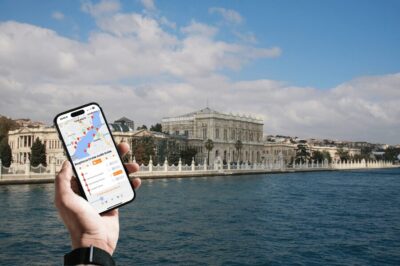
Istanbul: Daytime or Sunset Sightseeing Cruise & Audio Guide
Read our review →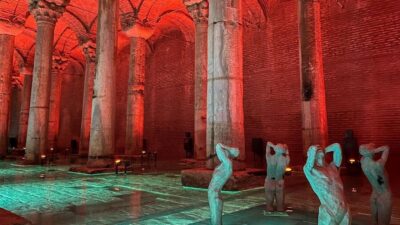
Istanbul: Basilica Cistern Fast-Track Entry and Audio Guide
Read our review →
Topkapi Palace and Harem Skip-the-Line-Tickets & Audio Guide
Read our review →
Istanbul: Bosphorus Sightseeing Cruise Tour with Audio Guide
Read our review →
Istanbul: Hagia Sophia Entry Ticket with Audio Guide
Read our review →
Istanbul: Topkapi Palace and Harem Ticket with Audio Guide
Read our review →
Hagia Sophia Skip-the-Line Ticket & Blue Mosque Audio Guide
Read our review →
Istanbul: Dolmabahce Palace and Harem Fast-Track & Audio
Read our review →Browse the lists this tour appears in