
Review · ISTANBUL
Turkish and Islamic Arts Museum: Entry Ticket & Audio Guide
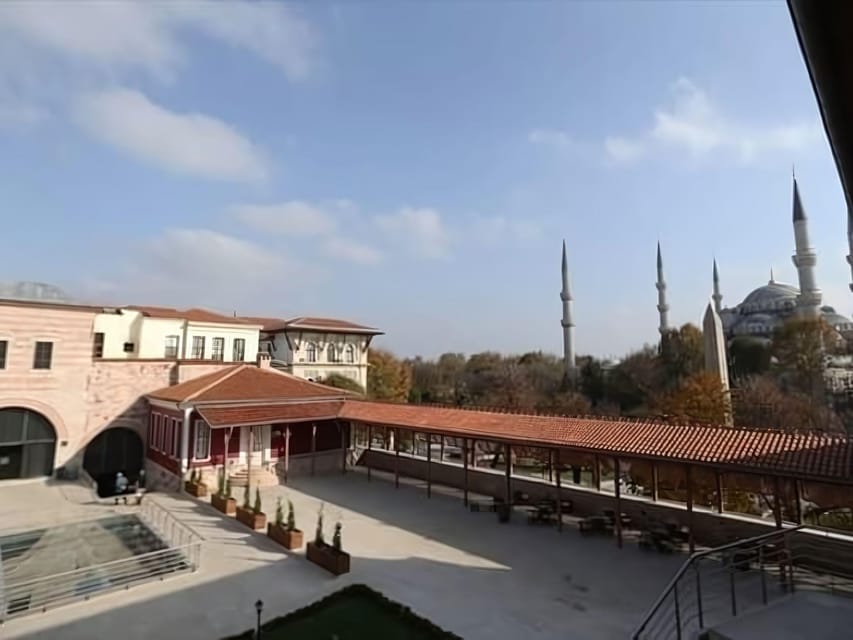
The best reason to visit this museum is its setting: Ibrahim Pasha Palace, a 16th-century landmark directly beside the Blue Mosque. Inside, you move from large Ottoman carpets to delicate manuscripts, woodwork, ceramics, glass, and metal objects. I like the wide choice of audio languages and the chance to see religious relics, including a reported fragment of the Prophet Muhammad’s beard and a footprint. The main catch is simple: the QR ticket can save time at the ticket desk, but it does not let you skip security.
I also like that the ticket is valid for one day rather than tied to a tightly managed guided visit. You can set your own pace and stop when an object catches your eye. Download the audio guide before you arrive. One same-day purchaser had trouble with Apple security and then lost access to Wi-Fi at the museum, a small problem that can turn a useful guide into a dead phone link.
Key points at a glance
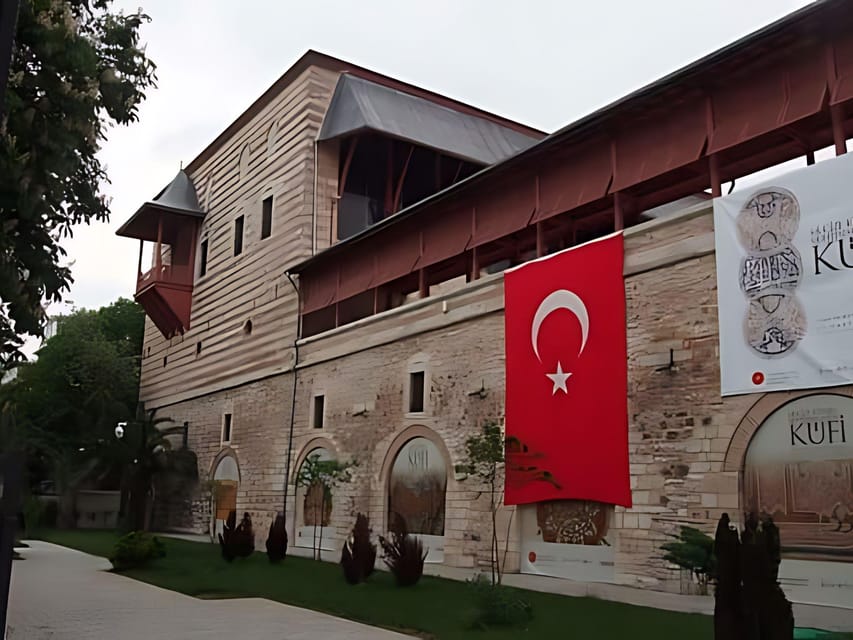
- A palace setting beside the Blue Mosque: The museum occupies Ibrahim Pasha Palace in Sultanahmet, putting major Ottoman art close to Istanbul’s best-known sights.
- Carpets are the visual high point: Seljuk designs and Ottoman rugs show how much skill and time went into Islamic textile work.
- Twenty-five audio languages: Choose from English, Turkish, Arabic, French, German, Spanish, Chinese, Japanese, Urdu, and other options.
- A QR ticket saves one line, not every line: You can bypass the ticket line, but security checks remain mandatory.
- Religious objects add weight to the visit: A beard fragment associated with the Prophet Muhammad and a footprint give the collection a devotional side.
- A flexible one-day ticket: You are not locked into a tour group or fixed route, and cancellation is available up to 24 hours ahead.
Why Ibrahim Pasha Palace changes the visit

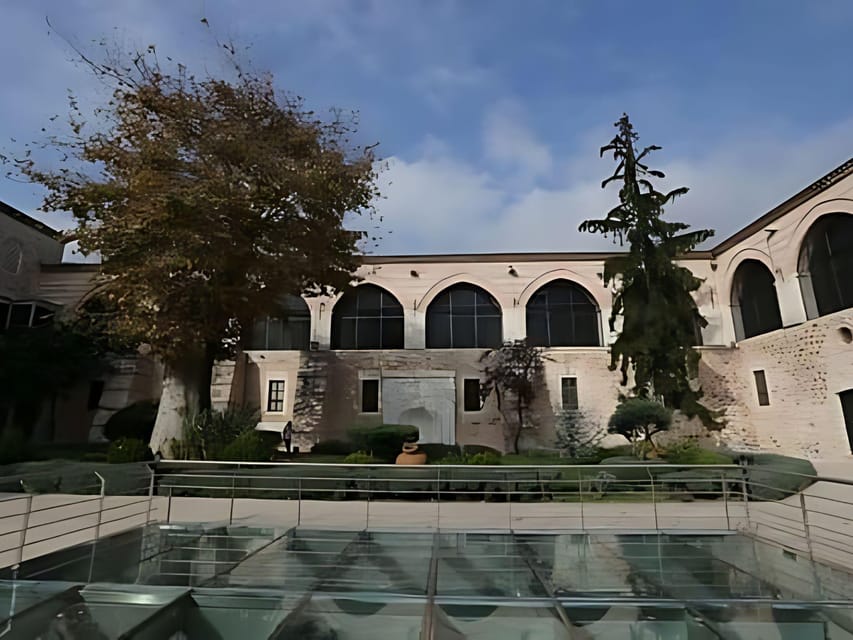
Many Istanbul museums occupy grand buildings, but here the building is part of the lesson. The Turkish and Islamic Arts Museum sits in Ibrahim Pasha Palace, a famous 16th-century structure on Sultanahmet Square. You are not making a separate trip across town for it. The Blue Mosque is nearby, and the museum fits naturally into a day spent around the old imperial center.
That location makes this a practical stop for first-time visitors. You can combine it with the Blue Mosque, Hagia Sophia, the Hippodrome area, or a walk through Sultanahmet without spending extra time on transport. I would not treat it as a quick replacement for every other sight, though. The palace setting and the objects deserve a measured visit, especially if you plan to listen to the audio guide.
The building also helps keep the collection from feeling like a random set of objects. Carpets, manuscripts, metalwork, and religious pieces are shown within an old Ottoman setting, so the surroundings support the subject. You get a stronger sense of place than you would from a modern ticket hall and a series of unrelated display rooms.
More Museum Audio Tours in Istanbul
- Istanbul: Hagia Sophia History Museum Entry with Audio Guide
★ 4.1 · 102 reviews - Istanbul Archaeological Museums Entry Ticket & Audio Guide
★ 4.0 · 81 reviews - Chora Museum Skip-the-Ticket-Line Entry with Audio Guide
★ 3.6 · 9 reviews
Getting to Sultanahmet from both sides of Istanbul
The most direct public transport option is the Kabatas to Bagcilar tramway. Get off at Sultanahmet station, then walk about five minutes to the museum in Sultanahmet Square. This is one of the easiest routes for visitors staying on the European side.
If you are coming from Istanbul’s Asian side, take a ferry from Kadikoy or Uskudar to Eminonu. From Eminonu, connect with the tram toward Sultanahmet. The supplied price does not include transport, so you will need to pay separately for the ferry and tram.
I like this arrangement because the museum is easy to reach without a private transfer. It also means you can build the visit around your day rather than waiting for a pickup. Allow extra time for the transfer if you are crossing from Asia, since the ferry and tram are separate parts of the journey.
Once you reach the square, use the Blue Mosque as your general landmark. The location is well known and shared by locals and tourists, so finding the area should not be difficult. Still, Sultanahmet can be crowded, especially around the main monuments. Keep the museum’s address and QR ticket easy to reach on your phone.
Entering with the QR ticket
The ticket’s main practical benefit is the ability to skip the ticket line. You receive two QR codes for entry and a separate email containing the audio guide link from Istanbul Tourist Pass. Check both messages before leaving your hotel or apartment.
The phrase skip the line needs a little explanation. You can avoid the normal ticket-purchasing queue, but all visitors must pass through security, and the security line cannot be bypassed. There may also be a line at the entrance. This matters if you are planning the museum between timed visits to other sights.
Do not rely on museum Wi-Fi to solve a phone problem. Download or open the audio guide before arriving, and make sure your phone can display the QR codes. The Apple security issue reported by one same-day purchaser is a useful warning: last-minute delivery and phone restrictions can create trouble when you are already standing at the entrance.
The ticket is valid for one day, and the activity has availability with starting times shown during booking. It is not a guided group tour. You enter with your ticket, then move through the museum independently.
Carpets from Seljuk designs to Ottoman work
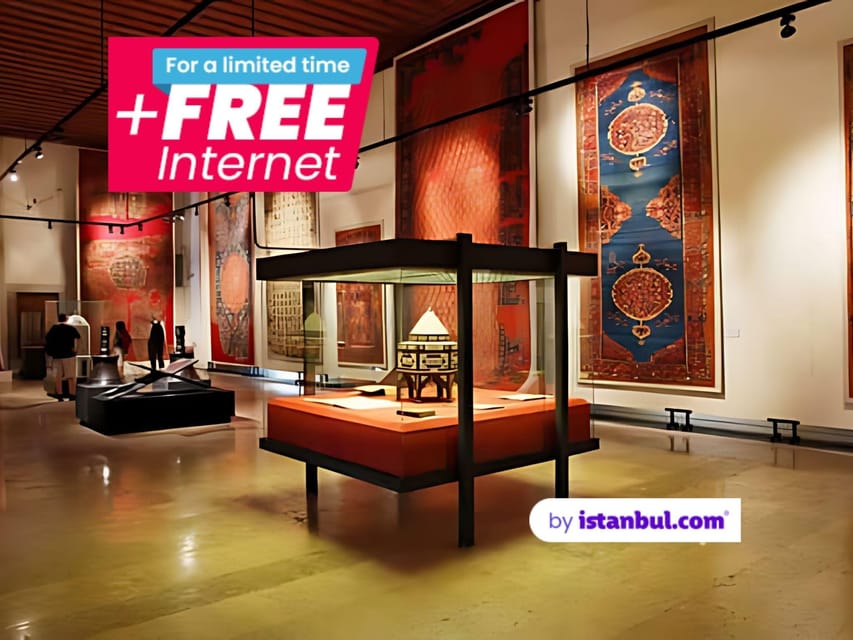
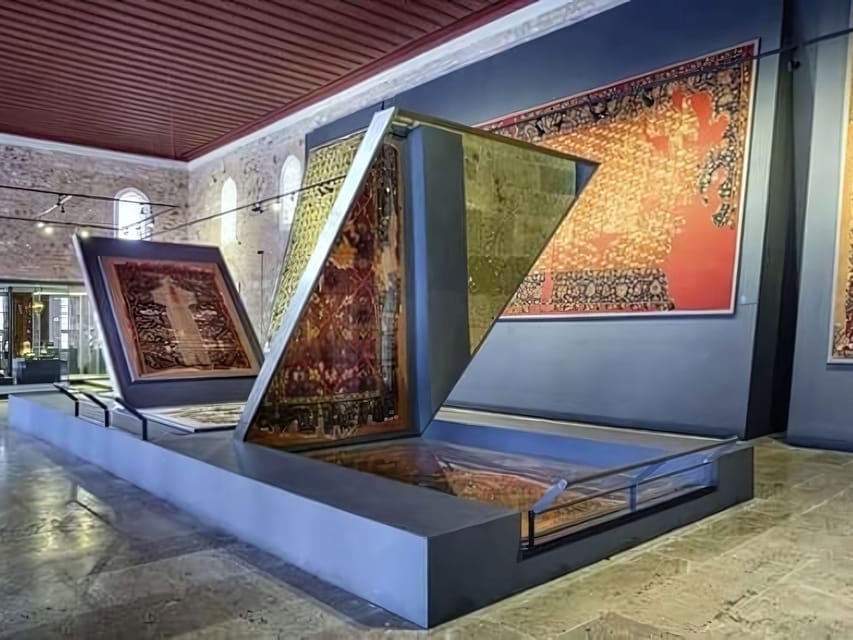
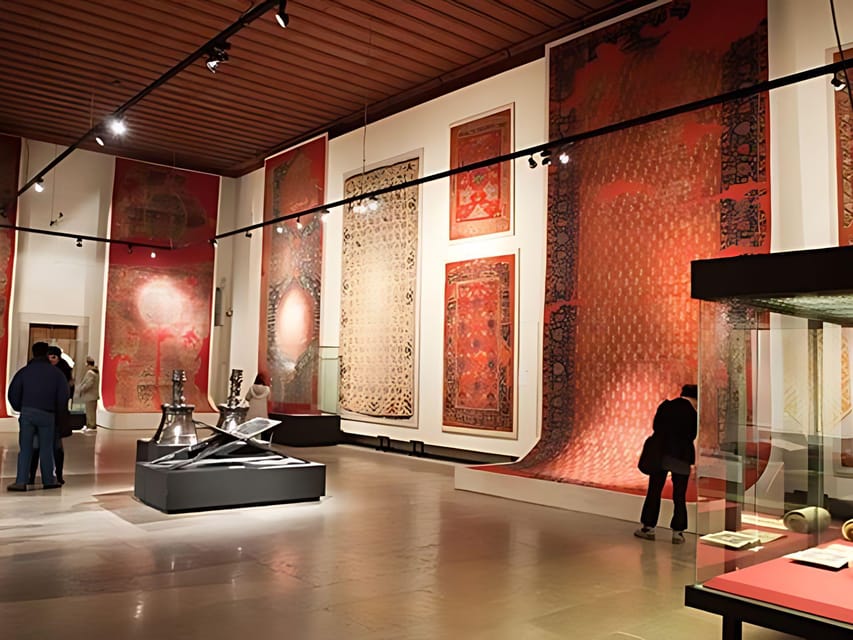
The carpet collection is the museum’s strongest visual draw. You see textiles linked to Seljuk and Ottoman traditions, with patterns, colors, and weaving methods that show how varied Islamic carpet making could be.
I would give this section proper time rather than treating it as a corridor on the way to the smaller objects. Large carpets can be hard to understand from a quick glance. Look for the repeated shapes, border designs, and changes in pattern. The decoration is not just surface beauty. It reflects careful planning, skilled weaving, and traditions passed from one generation to another.
The collection also gives you a useful way to compare periods. Seljuk designs and Ottoman examples are not presented as one uniform style. The differences help you see how artistic tastes changed across centuries and regions.
The downside is that a museum full of carpets can begin to blur together if you are tired. This is where the audio guide earns its place. Even a little context can help you notice why one rug matters instead of simply seeing another attractive rectangle behind glass.
Same sights, a different narrator:
- Istanbul: Daytime or Sunset Sightseeing Cruise & Audio Guide
★ 4.8 · 14,430 reviews - Istanbul: Basilica Cistern Fast-Track Entry and Audio Guide
★ 4.6 · 7,521 reviews - Topkapi Palace and Harem Skip-the-Line-Tickets & Audio Guide
★ 4.3 · 4,745 reviews - Istanbul: Bosphorus Sightseeing Cruise Tour with Audio Guide
★ 4.6 · 4,704 reviews
Manuscripts, calligraphy, and the quiet art of detail
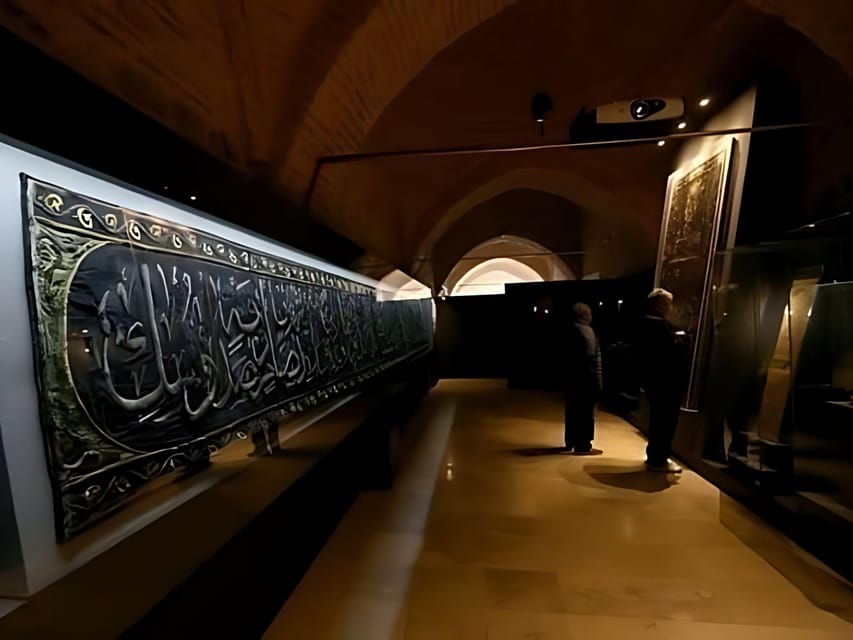
The museum goes beyond carpets with displays of ancient manuscripts and calligraphy. These works reward patience. From a distance, a manuscript may look like a small, dark page. Up close, the lettering, spacing, ornament, and careful construction show how much art can fit into a limited area.
Calligraphy was not merely writing copied onto a page. In Islamic art, the written word can carry religious and cultural meaning, and the design of the letters becomes part of the object. You do not need specialist training to appreciate this. Slow down, read the audio explanation, and notice the balance of the page.
The collection’s manuscripts also broaden the visit. If you come mainly for the carpets, these objects give you a different scale and mood. The rugs are large and immediate. The manuscripts ask you to look closely.
You will find this part most rewarding if you enjoy detail and do not rush through display cases. The audio guide is available in 25 languages, including English, German, Russian, Persian, Arabic, French, Italian, Chinese, Dutch, Spanish, Hindi, Romanian, Ukrainian, Korean, Turkish, Bulgarian, Polish, Swedish, Japanese, Indonesian, Greek, Hungarian, Portuguese, Urdu, and Croatian.
Ceramics, glass, metal, and wooden relics
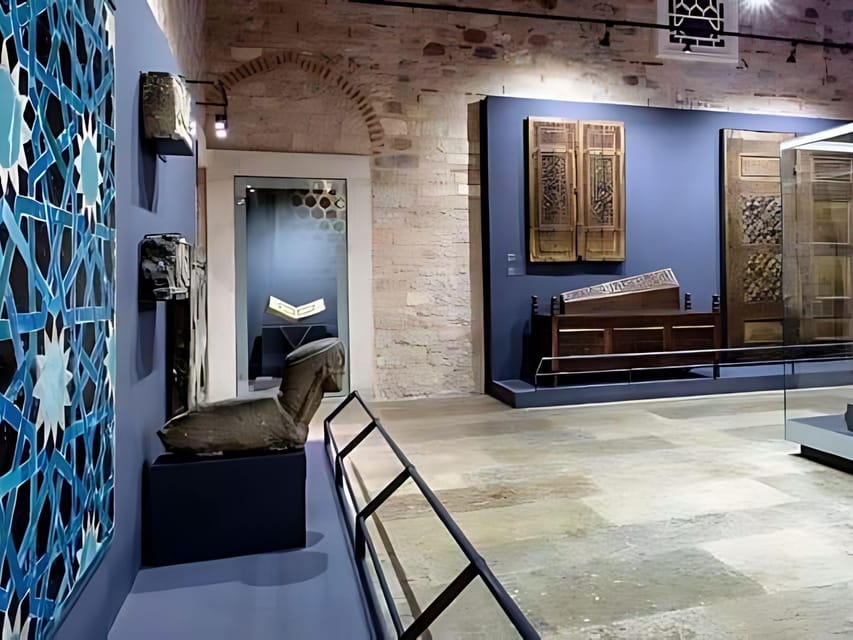
The museum’s other displays show how widely Islamic artistic skill was used. Ceramics, glasswork, metalwork, and wooden pieces each have their own look and feel. Together, they prevent the visit from becoming a single-subject carpet exhibition.
Ceramics let you focus on painted surfaces and forms. Glasswork brings a more delicate quality, while metal objects show the importance of careful shaping and decoration. Wooden relics add another material to the collection and remind you that artistic work was not limited to luxury textiles or illuminated pages.
I like this range because it gives you several ways into the museum. You may care most about architecture, religious culture, textiles, or craft. The collection offers something for each interest without requiring a specialist background.
The best approach is to use the audio guide selectively. You do not need to listen to every entry. Choose the objects that catch your attention, then let the explanation add context. That keeps the visit personal instead of turning it into a long lecture.
Religious relics and the museum’s devotional side
The collection includes religious relics connected with the Prophet Muhammad, including fragments of his beard and a footprint. These objects carry major religious and historical meaning for many people and are among the museum’s most significant displays.
You should approach this section with respect. It is not simply another room of decorative art. The value here comes from faith, memory, and devotion as much as from craftsmanship or age.
For some visitors, these relics will be the emotional center of the museum. For others, the carpets, manuscripts, and palace setting may be the main reason to come. Both responses are reasonable. The museum works best when you give each part the attention it deserves rather than expecting one type of object to appeal to everyone.
The audio guide can help explain why these pieces matter, particularly if you are not familiar with Islamic religious traditions. This is one reason I consider the guide more than a basic convenience. It can help you read the collection within its cultural setting.
How much time should you allow?
The activity is sold as valid for one day, not as a fixed-length museum tour. That gives you freedom, but it does not tell you exactly how long to stay. Your visit will depend on how closely you examine the carpets, how many audio stops you hear, and how much time you spend with the manuscripts and relics.
If you are moving quickly through Sultanahmet, you can use the museum as a focused cultural stop. If carpets, calligraphy, or Islamic art are central interests, plan more time and listen to the audio guide in full sections.
I would avoid booking this for a rushed gap between two fixed appointments. The security queue may take time, and the displays reward a slower pace. A flexible one-day ticket is useful because you can fit the museum into your schedule, but you still need to protect enough time for the visit itself.
Is $28 a fair price?
The price is $28 per person. That is not a bargain basement museum ticket, so the value depends on what you want from the visit.
You are paying for entry to a major collection in a historic palace, plus a QR ticket arrangement and audio guide access in 25 languages. For an independent visitor who wants context without hiring a private guide, that combination can make sense. You are also paying for location. The museum is beside the Blue Mosque, which saves a separate trip and makes it easy to fit into a Sultanahmet day.
The price is less attractive if you only want to pop in for a few minutes or if you prefer to read labels on your own. A guided tour is not included, and transportation fees are separate. You should also remember that skipping the ticket line does not mean skipping security.
The flexible cancellation policy helps reduce the risk. You can cancel up to 24 hours in advance for a full refund, and the reserve-now, pay-later option lets you hold a place without paying immediately. Those terms are useful if your Istanbul schedule is still changing.
Who will enjoy this museum most?
I would recommend this experience to several types of visitors:
- Art and design lovers who want to compare carpets, manuscripts, ceramics, wood, glass, and metalwork.
- History-minded visitors who value a palace setting and objects from different Islamic cultures and periods.
- Independent sightseers who prefer an audio guide to a fixed group tour.
- Visitors staying around Sultanahmet who want a substantial cultural stop close to the Blue Mosque.
- Multilingual families or groups who need different audio languages.
It may be less suitable if you want a live guide, hotel pickup, or a fully organized itinerary. None of those are included. The experience is self-guided, and you are responsible for getting to the museum.
Small details that make the visit smoother
Before leaving, check that you have received both QR codes and the separate audio guide email. Save them where you can find them quickly. Download the guide in advance, especially if you use an Apple device or expect to have limited data service.
Take the tram to Sultanahmet station and allow about five minutes to walk from there. If you arrive by ferry from Kadikoy or Uskudar, connect through Eminonu and allow extra time for the crossing and tram ride.
At the entrance, expect security even with a skip-the-ticket-line QR code. A line may still form, so do not schedule the museum with no spare time before another booking.
The museum is valid for one day, which gives you a useful amount of flexibility. You can choose the best time around the Blue Mosque and other Sultanahmet sights rather than forcing the museum into a fixed guided schedule.
Should you book the Turkish and Islamic Arts Museum?
Book it if you want a well-placed, self-guided look at Islamic art, especially carpets, manuscripts, calligraphy, and religious relics. The palace setting and the 25-language audio guide make the $28 price reasonable for visitors who want more context than a silent walk through display rooms.
I would book in advance rather than on the same day. The ticket-line benefit is useful, and advance access gives you time to prepare the audio guide. Just keep your expectations clear: security remains, transport costs extra, and there is no live guide.
For a quick photo stop, the price may feel high. For a thoughtful cultural visit in the heart of Sultanahmet, it is a practical choice with enough variety to hold your attention.
FAQ
Where is the Turkish and Islamic Arts Museum?
The museum is in Ibrahim Pasha Palace on Sultanahmet Square in Istanbul’s Fatih district. It is very close to the Blue Mosque.
How do I reach the museum by public transport?
Take the Kabatas to Bagcilar tramway and get off at Sultanahmet station. The museum is about a five-minute walk from the stop. From Istanbul’s Asian side, take a ferry from Kadikoy or Uskudar to Eminonu, then connect to the tram.
Does the QR ticket skip the security line?
No. The QR ticket can help you skip the ticket line, but security checks are mandatory for all visitors. A line may still form at the entrance.
Is a guided tour included?
No. The experience includes an audio guide, but not a live guided tour.
In how many languages is the audio guide available?
The audio guide is available in 25 languages, including English, Turkish, Arabic, French, German, Spanish, Chinese, Japanese, Urdu, and several others.
What does the museum display?
The collection includes carpets, rugs, ancient manuscripts, calligraphy, ceramics, glasswork, metalwork, wooden relics, and religious objects. It also includes fragments associated with the Prophet Muhammad, including a beard fragment and a footprint.
Can I cancel or pay later?
You can cancel up to 24 hours in advance for a full refund. The reserve-now, pay-later option lets you book without paying immediately.
New audio tours around Istanbul
- Topkapi Palace and Harem Museum Ticket with Audio Guide★ 3.0 · 2 reviews
- Topkapi Palace Museum Skip The Ticket Line Tickets + Audio Guide★ 3.0 · 2 reviews
- Istanbul: Bosphorus and Golden Horn Cruise with Audio Guide★ 4.5 · 83 reviews
- Istanbul Walking Tour with Audioguide on Your Smartphone★ 5.0 · 6 reviews
- Istanbul Self-Guided Audio Tour★ 3.0 · 2 reviews
- Istanbul: Hagia Sophia Entry Ticket with Digital Audio Guide★ 4.5 · 7 reviews
- Dolmabahce Palace Skip the Ticket Line Entry with Audio Guide★ 4.0 · 6 reviews
- Istanbul Bosphorus Sightseeing Cruise with Audio Guide★ 5.0 · 67 reviews
Istanbul Audio Tours, compared.
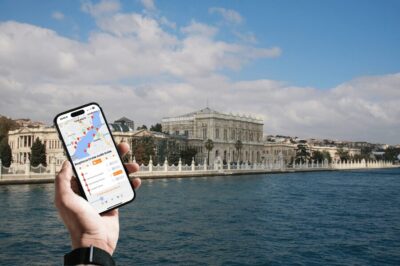
Istanbul: Daytime or Sunset Sightseeing Cruise & Audio Guide
Read our review →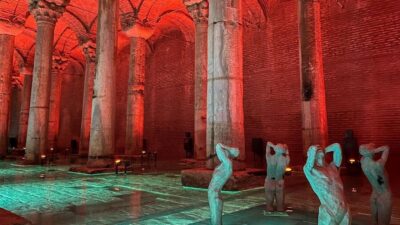
Istanbul: Basilica Cistern Fast-Track Entry and Audio Guide
Read our review →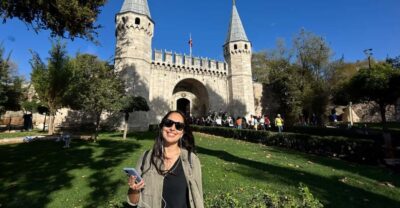
Topkapi Palace and Harem Skip-the-Line-Tickets & Audio Guide
Read our review →
Istanbul: Bosphorus Sightseeing Cruise Tour with Audio Guide
Read our review →
Istanbul: Hagia Sophia Entry Ticket with Audio Guide
Read our review →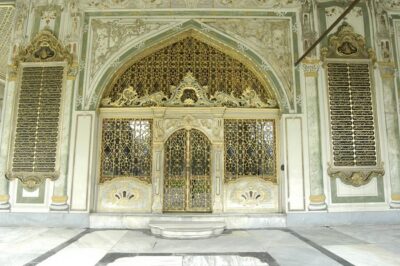
Istanbul: Topkapi Palace and Harem Ticket with Audio Guide
Read our review →
Hagia Sophia Skip-the-Line Ticket & Blue Mosque Audio Guide
Read our review →
Istanbul: Dolmabahce Palace and Harem Fast-Track & Audio
Read our review →Browse the lists this tour appears in