
Review · KRAKOW
Krakow: Vodka Factory Museum Ticket & Audioguide and Tasting
Krakow’s Vodka Factory Museum turns a former distillery into a lively lesson in Poland’s favorite spirit. Inside nearly 1,500 square meters, you move from medieval distilling equipment to industrial bottling lines, an interwar bar, and a final tasting. The best part is that the displays give vodka a wider setting: food, farming, trade, politics, and daily life all enter the story.
I like the seven themed halls, which keep the visit moving instead of presenting one long wall of text. I also like the freedom to use the multilingual audioguide and set your own pace. The main drawback is value: at $22, the tasting may be the part that feels most rewarding, while the museum itself can feel pricey if you are not especially interested in spirits.
Key points to know
- A former Krakow distillery: The museum occupies a historic building from Vodka Distillery No. 11, later known as the Polmos Distillery.
- Seven distinct halls: Displays cover medieval production, noble dining, industrial methods, farming, bottling, railway loading, and the Polish People’s Republic period.
- About 90 minutes inside: You can finish in roughly an hour and a half, or stay longer because your ticket allows unlimited time.
- Tasting at the end: The visit concludes with vodka sampling, which is likely to be the highlight for many people.
- Five audioguide languages: Choose English, German, French, Italian, or Ukrainian. There is no live guide service.
- Plan around busy times: Contact the museum before arrival to confirm your preferred entry time. A 15 to 30 minute wait is possible during busy periods.
Entering the Former Polmos Distillery on Fabryczna Street
You begin at 13 Fabryczna Street, inside the Fabryczna City complex in Krakow. The museum occupies one of the old buildings connected with Vodka Distillery No. 11 and the later Polmos operation. That setting matters. You are not simply looking at bottles in a modern gallery. The subject is presented inside a place tied to actual production.
The museum covers almost 1,500 square meters, so this is more than a small tasting room. You will find multimedia displays, reconstructed settings, machinery, historical objects, and audiovisual material spread across seven halls. The design aims to keep the visit active, with each room offering a different angle on vodka.
You can enter with an audioguide in English, German, French, Italian, or Ukrainian. An English-speaking host or greeter is available, but this is not a guided tour with a person leading you from room to room. If you prefer to linger over an object or move quickly through a display, the self-guided format works well.
The ticket also allows unlimited time inside. The usual visit takes about an hour and a half, but you are not pushed out when that time passes. That is useful if you want to listen to every audio section, pause for photographs, or spend longer in the final tasting area.
More Museum Audio Tours in Krakow:
- Krakow: Vodka Factory Museum – Entrance Ticket and Audioguide
★ 5.0 · 3 reviews - Florence: Uffizi Priority Ticket & Masterpieces Audio App
★ 4.2 · 6,402 reviews - Paris: Louvre Museum Hosted Entry and Mona Lisa Audioguide
★ 4.6 · 5,235 reviews
Seven Halls That Put Vodka in Context
The museum’s strongest feature is its sequence of themed rooms. Rather than treating vodka as a single product with a single origin, the exhibition shows how production changed over time and how the drink became part of Polish social and economic life.
Medieval distillation and early methods
The first sections introduce old distilling techniques and include medieval distillation apparatus. These displays help explain the basic process before machines and factories changed the scale of production.
You will see how early equipment differs from later industrial systems. This is one of the more useful parts of the visit because it gives you a working foundation. Even if you know little about vodka, you can follow the shift from small-scale methods to larger, more controlled production.
The presentation is not only about technical progress. It also shows that vodka developed through practical needs, available crops, and changing methods of preparation. The museum uses objects and multimedia elements to make those changes easier to follow than a simple written timeline would.
The noble court feast
One hall recreates a noble court feast. Here, vodka appears in a social setting rather than as a factory product. The display gives you a sense of how drinking habits connected with hospitality, status, and ceremony.
This room may appeal to you if you enjoy cultural history more than machinery. It breaks up the technical material and shows that vodka was part of meals and social customs long before modern advertising and mass production shaped its image.
The court setting also adds variety to the visit. You move from equipment and process into a scene that explains how the drink could function in a household or aristocratic setting. It is a good reminder that production alone does not explain a spirit’s place in society.
More food and drink stops around Krakow
- Bruges: The Beer Experience Museum Entry with Audio Guide
★ 4.4 · 201 reviews - Bologna: Audio-Guided Archiginnasio Visit with Food Tasting
★ 3.3 · 79 reviews - Bologna: Clock Tower Audio Guide and Food Tasting
★ 4.4 · 58 reviews - Bologna Food Tasting box- Audio Guided Tour with Food Tasting
★ 4.5 · 31 reviews
The distillery revolution
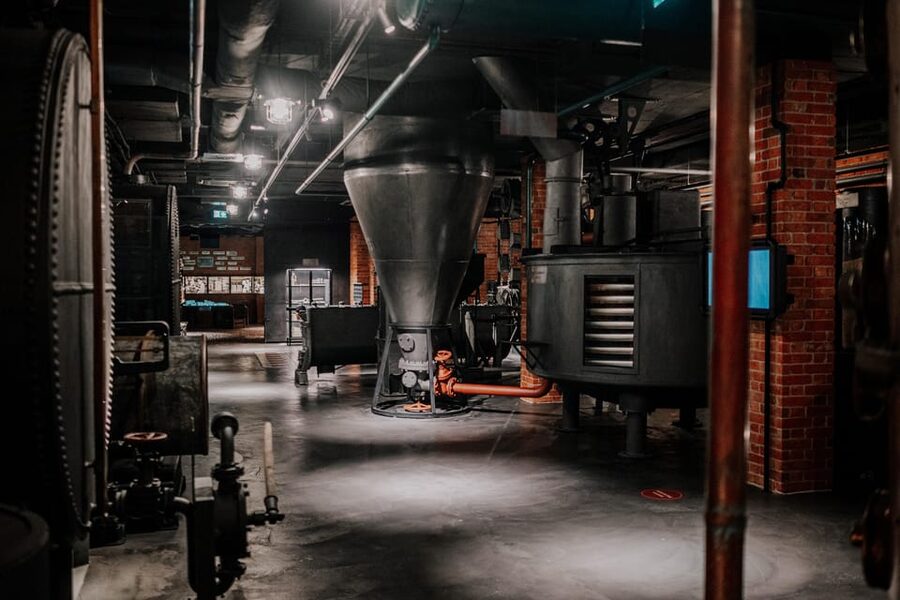
The next major stage covers the move toward industrial vodka production. This is where the story becomes more recognizably modern. Machines, factory organization, and large-scale output changed how vodka was made and distributed.
The museum presents this change through interactive exhibits and multimedia attractions. You are not limited to reading dates on panels. The visual material helps show how production technology evolved and why factories became central to the industry.
For me, this is where the museum earns its space. The subject could easily become a string of old bottles and technical labels, but the industrial section gives the collection a clear reason to exist. You can see the link between technology and the availability of a familiar product.
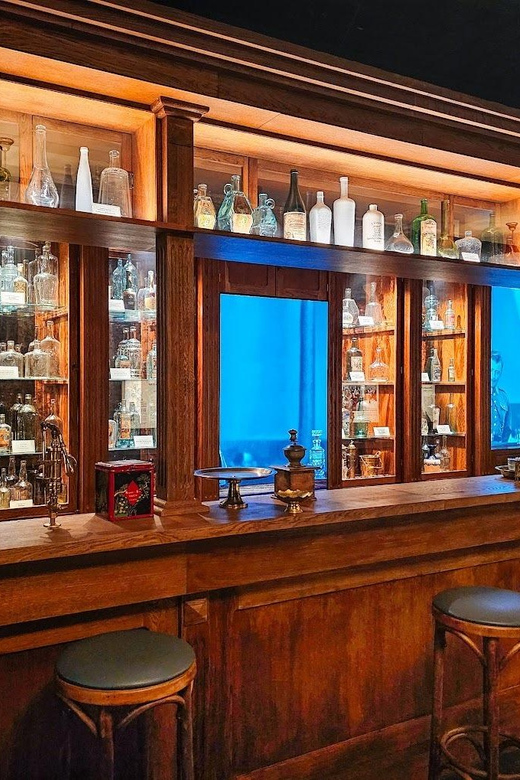
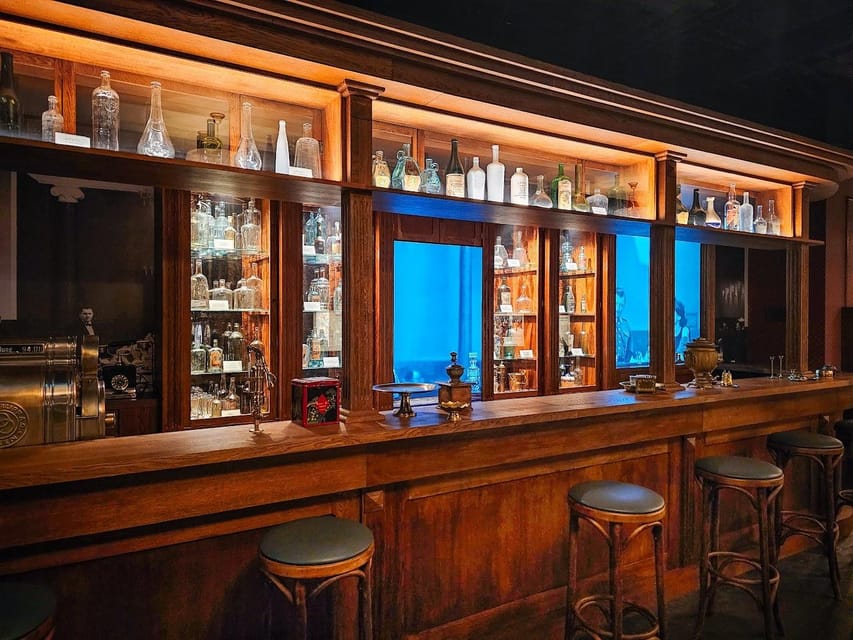
An interwar bar
The interwar period appears through a recreated bar. This room shifts attention from production to drinking culture and urban life.
The setting gives you a chance to consider how vodka was served and presented in the years between the world wars. It also adds a human scale to the exhibition. A factory can explain how something is made, but a bar shows how it enters everyday social life.
You may find this section more memorable than the machinery because it creates a recognizable scene. It also helps connect the museum’s historical material with the final tasting. The drink is not just a product moving through a plant. It is something poured, shared, and associated with a particular time and place.
The distillery yard and railway siding
Another part of the exhibition recreates the square in front of Vodka Distillery No. 11, including the railway siding. This section shows how a distillery functioned as part of a larger transport and supply network.
Rail connections mattered because factories needed raw materials and had to move finished products out to market. The railway siding gives the production story a physical setting. You can picture the factory not as an isolated building, but as a working site linked to farms, warehouses, and distribution routes.
This is a useful stop for anyone interested in industrial history. It explains why the museum pays attention to loading areas and transport. Vodka production depended on far more than the still itself.
Agricultural distilling
The agricultural distillery section focuses on the raw materials behind production. It connects vodka with farming and shows how crops enter the process before distillation begins.
That link is easy to overlook when you encounter vodka only as a finished bottle. The museum brings the story back to agriculture and production inputs, giving you a broader view of the work involved.
This hall also helps balance the exhibition’s focus on machinery. You are reminded that industrial production still depends on materials from the countryside. The museum’s story moves between farm, factory, transport, and consumer, rather than stopping at the bottle.
Bottling, loading, and the wall of memories
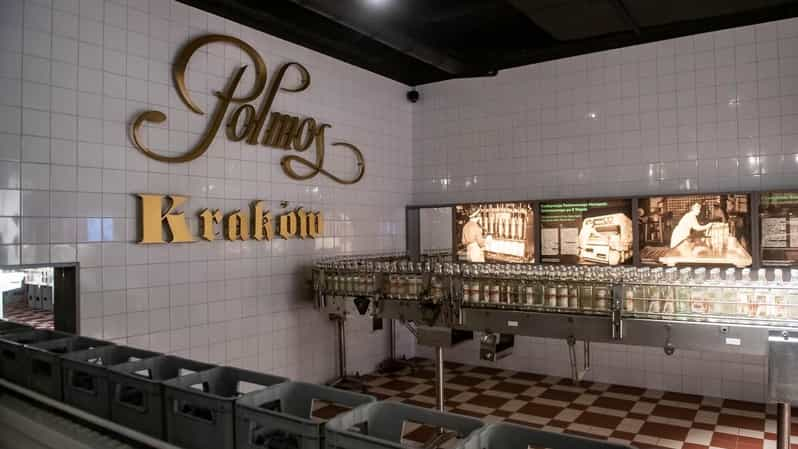
The exhibition also includes bottling and loading facilities for finished products. These displays show the final factory steps, when vodka is prepared for shipment.
A wall of memories presents vodkas associated with the People’s Republic of Poland. For anyone familiar with Polish history, this section offers a direct connection to a distinctive period of packaging, brands, and state-era production. For everyone else, it provides a visual record of how vodka was sold and remembered during that time.
The President’s office adds another piece of the institutional story. Together, these rooms move beyond the technical question of how vodka is distilled. They show administration, branding, distribution, and the people and systems needed to keep a large operation running.
The Audioguide Versus a Live Guide
The audioguide is included in your ticket and comes in five languages: English, German, French, Italian, and Ukrainian. It lets you move independently through the museum and spend extra time with displays that catch your attention.
The advantage is control. You do not need to stay with a group, wait for a guide to finish, or keep up with a fixed route. Families and mixed-interest groups may find this especially practical because one person can listen closely while another moves ahead.
The limitation is also clear: there is no live guide service. If you want to ask questions as you go, the audioguide cannot respond or adjust its explanation. You should choose this experience for its exhibits and flexible format, not for personal interpretation from a specialist.
The English-speaking host or greeter can help with entry, but that is different from having a guide lead the historical portion. Contact the museum ahead of time if your schedule is tight. High visitor numbers can create a 15 to 30 minute wait, even though the activity includes skip-the-ticket-line access.
Why the Tasting Matters, and Where Value Gets Tricky
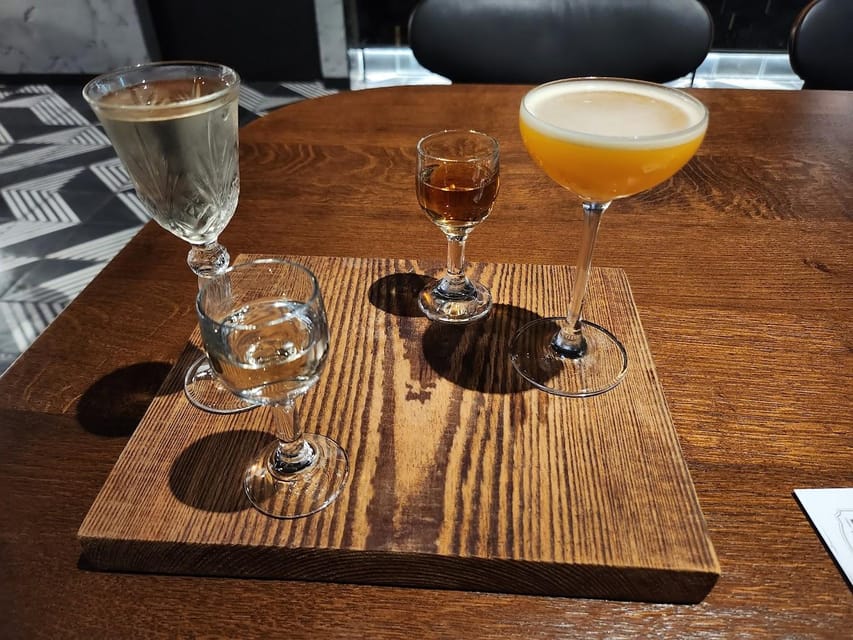
The visit ends with a vodka tasting. This gives the museum a clear finish and lets you connect the historical material with the drink itself. After seeing old equipment, factory rooms, bottles, and serving settings, the tasting feels like the practical conclusion to the story.
The tasting is also likely to be the most appealing part for anyone who wants a direct, social experience rather than a museum visit alone. It provides a reason to pay attention to the earlier rooms, since you have seen how vodka was produced, packaged, and served before trying it.
Still, you should keep the price in mind. At $22 per person, this is not a cheap museum admission. The ticket includes the entrance, audioguide, unlimited time, and tasting, so the value improves if you use the full exhibition and care about the production history.
If your main goal is simply to taste vodka, the cost may feel high. The tasting is the part that leaves the strongest impression, but it comes after a substantial museum visit. I would book it when you want both elements, not when you want only a quick drink.
Allow About 90 Minutes, or Stay Longer
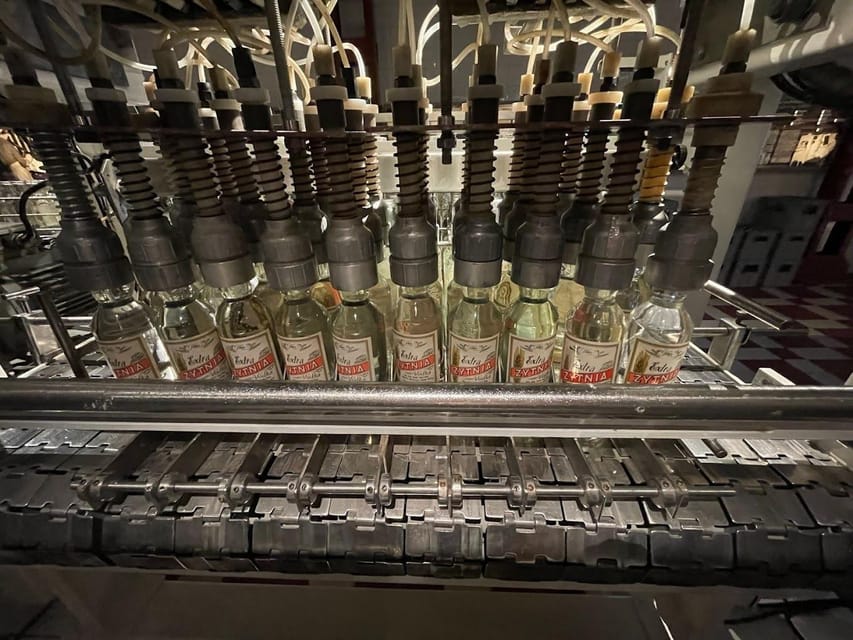
Most people should allow roughly an hour and a half. That gives you time to move through the seven halls, listen to the main audioguide sections, and finish with the tasting without rushing.
You can stay longer because the ticket has no fixed time limit once you are inside. That flexibility is helpful if you are reading closely or visiting with someone who wants to examine every display. It also makes the experience easier to fit into a day of sightseeing, since you do not have to calculate every minute after entry.
The activity is described as lasting one day because you check availability for a starting time rather than joining a fixed half-day excursion. In practical terms, the museum visit itself is around 90 minutes, with extra time possible.
There is no transport included and no separate end point. You go to the museum at Fabryczna City, and the activity finishes there. That makes it easy to combine with other plans in the same part of Krakow, though the information provided does not specify travel times from other parts of the city.
Who Will Get the Most From This Visit
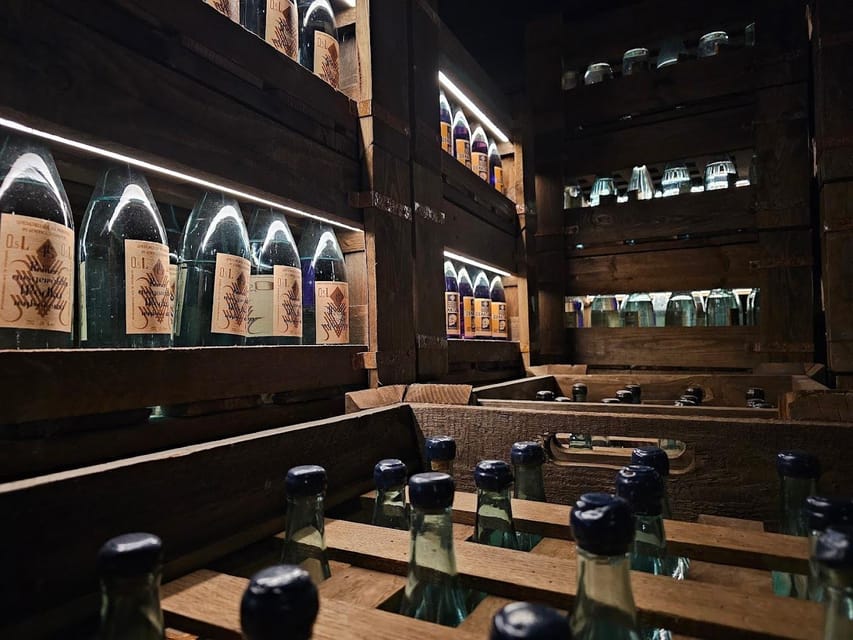
I would recommend the museum to adults interested in Polish food and drink, industrial history, old advertisements, or the way a product shapes social life. The variety of rooms also makes it a reasonable choice for a rainy-day cultural stop.
It suits you if you enjoy exploring independently. The audioguide gives structure, but you control the pace. You can spend more time in the interwar bar, the People’s Republic-era bottle display, or the production rooms according to your own interests.
The museum is wheelchair accessible, which makes the large exhibition space more practical for visitors with mobility needs. The provided information does not give detailed room-by-room access notes, so you may still want to confirm any specific requirements before arrival.
I would be more cautious if you are looking for a highly personal food tour, a live historian, or a long tasting session. This is a museum experience with a tasting at the end, not a guided pub crawl or a full-day distillery excursion.
Booking Tips for Fabryczna City
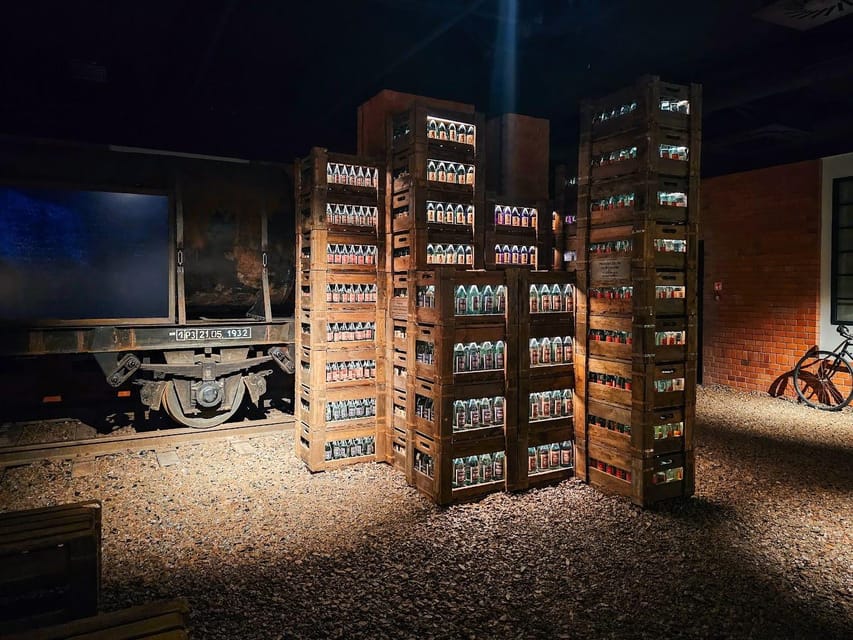
The museum asks you to contact it in advance to confirm availability for your preferred time. That is worth doing, especially during busy periods, when you could otherwise wait 15 to 30 minutes.
You can reserve now and pay later, which helps if your Krakow schedule is still changing. Cancellation is free up to 24 hours before the activity for a full refund. These policies are useful, but the bigger practical point is still timing: confirm your entry before you go.
The experience includes an entrance ticket, the audioguide, the tasting, and unlimited museum time. It does not include a live guide. Make sure you select the audioguide language you need and remember that English, German, French, Italian, and Ukrainian are available.
Should You Book the Vodka Factory Museum?
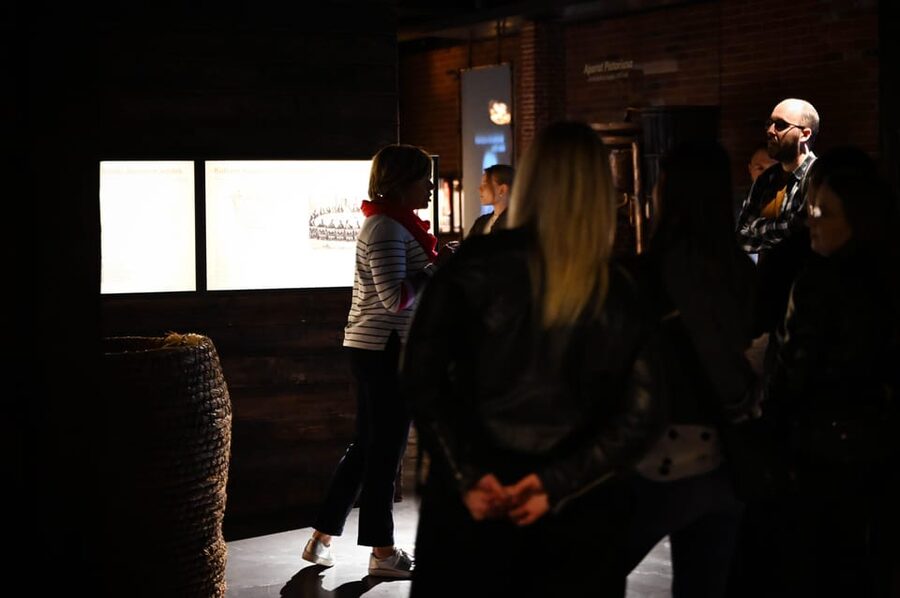
Book this experience if you want more than a tasting and like the idea of tracing vodka from medieval equipment and agricultural production to factory bottling and Polish drinking culture. The seven halls, historic building, multilingual audioguide, and flexible timing give the visit real substance.
Skip it if $22 feels too much for a museum whose final tasting is your only priority. In that case, the experience may not deliver enough value. For the right audience, though, the tasting works best because the museum has already explained the machinery, places, and customs behind the glass.
FAQ
Where is the Vodka Factory Museum located?
The museum is at 13 Fabryczna Street inside the Fabryczna City complex in Krakow, Poland. It occupies a historic building connected with the former Vodka Distillery No. 11 and later Polmos Distillery.
How long does the museum visit take?
The visit usually takes about one and a half hours. You can stay longer because the ticket allows unlimited time inside the museum.
Is a live guide included?
No. A live guide service is not included. An English-speaking host or greeter is available, and an audioguide is included in English, German, French, Italian, and Ukrainian.
Is vodka tasting included in the ticket?
Yes. The ticket includes a vodka tasting at the end of the museum visit.
Can I visit at any time without confirming?
You should contact the museum in advance to confirm your preferred entry time. During busy periods, you may face a wait of about 15 to 30 minutes.
Is the museum wheelchair accessible?
Yes. The activity is listed as wheelchair accessible.
New audio tours around Krakow
- Krakow Walking Tour with Audioguide on Your Smartphone★ 4.0 · 5 reviews
- Wawel Hill Audio-Guided Tour★ 3.5 · 19 reviews
- Wawel Hill Audio Guided Tour★ 3.0 · 2 reviews
- Krakow Jewish Ghetto and Quarter Audio Guided Walking Tour★ 4.5 · 9 reviews
- Krakow: Vodka Factory Museum – Entrance Ticket and Audioguide★ 5.0 · 3 reviews
- Krakow: Old Town Audio-Guided Walking Tour with Headset★ 4.5 · 12 reviews
- Krakow: Old Town Audioguided walking Tour★ 4.1 · 51 reviews
- Krakow: Private Panoramic Tour by Golf Cart with Audio Guide★ 4.4 · 5 reviews
Krakow Audio Tours, compared.
Krakow: Day or Night Vistula River Cruise with Audio Guide
Read our review →
Krakow: Hop-On Hop-Off Bus Tour with Audio Guide
Read our review →
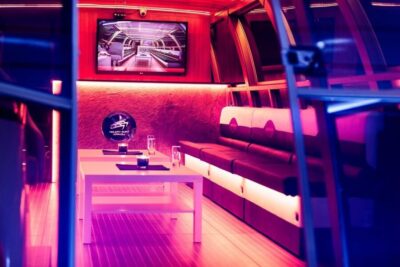
Krakow: Sightseeing Cruise on Vistula River with Audio Guide
Read our review →
Krakow: Vistula Night Cruise by Gondola w/ Audio Commentary
Read our review →
Krakow Jewish Ghetto and Quarter Audio Guided Walking Tour
Read our review →Browse the lists this tour appears in