
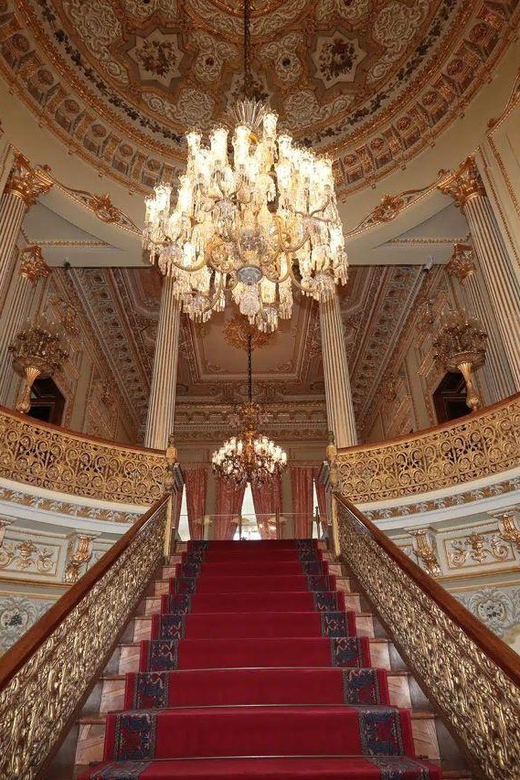
Review · ISTANBUL
Kucuksu Pavilion Skip-the-Line Ticket with Audio Guide
The best part of Küçüksu Pavilion is its setting. Built between two streams beside the Bosphorus, this small Ottoman retreat gives you history with a view, not history sealed inside a crowded city museum. The building’s mix of Ottoman taste and Western design makes it especially interesting for anyone who likes architecture. I also like the English audio guide, which lets you take your time instead of following a guide’s fixed speech.
At $14, the ticket is a reasonable way to see one of Istanbul’s more focused historic sites. I like the skip-the-line entry because it keeps the visit simple, though this is a self-guided experience, not a full tour with a live expert. If you want stories, questions answered on the spot, or a larger itinerary, you may find it too limited.
Key points to know before you go
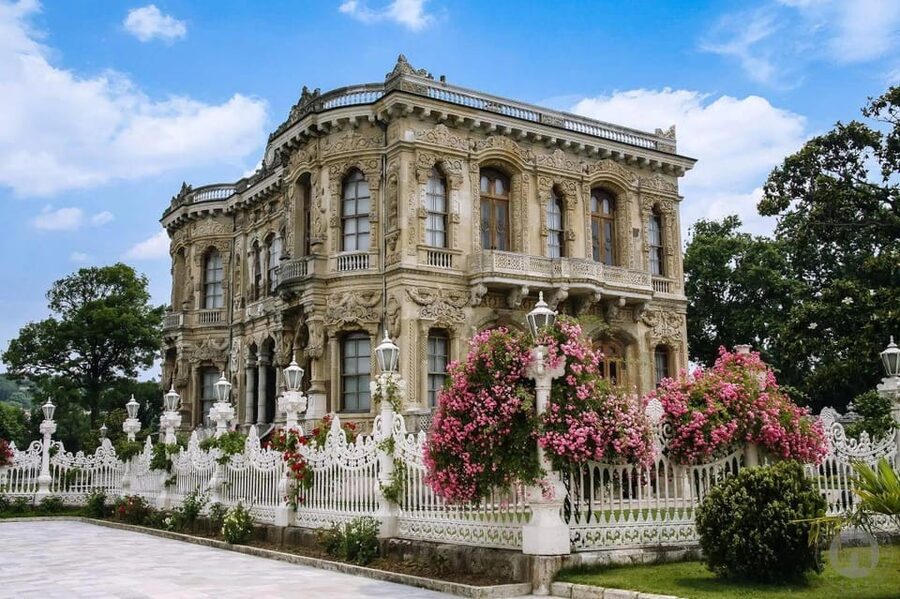
- The pavilion sits between two streams, giving your visit a scenic Bosphorus setting.
- The audio guide is in English and allows you to explore at your own pace.
- The building dates back to 1751, with its current form created in 1856 and 1857.
- The design blends Ottoman and Western influences, making the interiors more than a simple historic residence.
- The $14 ticket includes entry and the audio guide, but no live guided tour.
- Your ticket is valid for one day, with skip-the-line access included.
Why Küçüksu Pavilion is worth your time
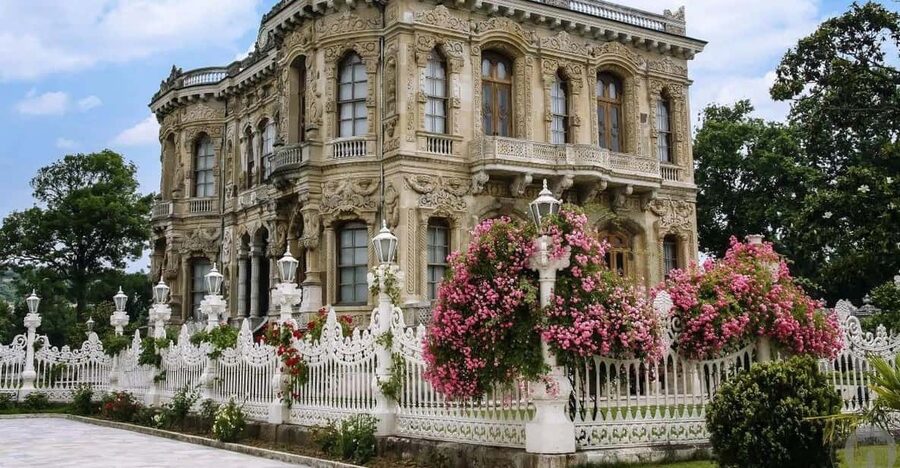
Küçüksu Pavilion offers a different side of Istanbul. It is not a huge palace complex with rooms stretching in every direction. Instead, it is a compact two-storey building tied closely to the Bosphorus and the Ottoman interest in waterfront retreats.
That smaller scale is part of the appeal. You can focus on the building’s details without trying to cover an enormous site. The pavilion also gives you a useful contrast with Istanbul’s grander imperial attractions. Here, the setting and architecture work together, and the visit can fit neatly into a day of sightseeing on the Asian side of the city.
The pavilion was first opened in 1751 during the reign of Sultan Mahmud I. Its construction followed a recommendation from a Grand Vizier and reflected the Ottoman fascination with the Bosphorus shores. The building you see today took shape in 1856 and 1857, and it became a museum in 1983.
That timeline gives the site more substance than a quick photo stop. You are seeing a place with several chapters: an 18th-century beginning, a major 19th-century redesign, and a later life as a public museum.
More Skip-the-Line Audio Tours in Istanbul:
- Topkapi Palace and Harem Skip-the-Line-Tickets & Audio Guide
★ 4.3 · 4,745 reviews - Hagia Sophia Skip-the-Line Ticket & Blue Mosque Audio Guide
★ 4.1 · 1,879 reviews - Istanbul: Hagia Sophia Skip-the-Line Ticket with Audio Tour
★ 4.4 · 1,767 reviews
The setting between two streams
Before you pay attention to the interiors, look at where the pavilion stands. Küçüksu Pavilion is located between two streams, with the Bosphorus forming the main visual focus of the area. The setting helps explain why this spot appealed to Ottoman rulers and officials.
The water is not just background scenery. It shaped the purpose of the place. A pavilion on the Bosphorus offered a quieter retreat from the city and a chance to enjoy Istanbul’s shoreline. As you walk through the garden and around the building, you get a clearer sense of how the site was meant to be experienced.
The garden adds breathing room before or after the indoor visit. The available information does not promise a detailed garden tour, so do not expect a separate, structured garden itinerary. Still, the outdoor setting is part of what makes the ticket worthwhile. The pavilion would lose some of its character if it were viewed as an isolated building in an ordinary street.
You should also allow a little time to appreciate the view rather than rushing straight through the entrance. The Bosphorus connection is one of the most distinctive features of this experience, and it costs nothing extra to pause outside and take it in.
Entering the two-storey pavilion
The pavilion is built from brick and stone and rises two storeys. That combination gives the building a solid, formal appearance, while its waterfront location keeps the mood lighter and more open.
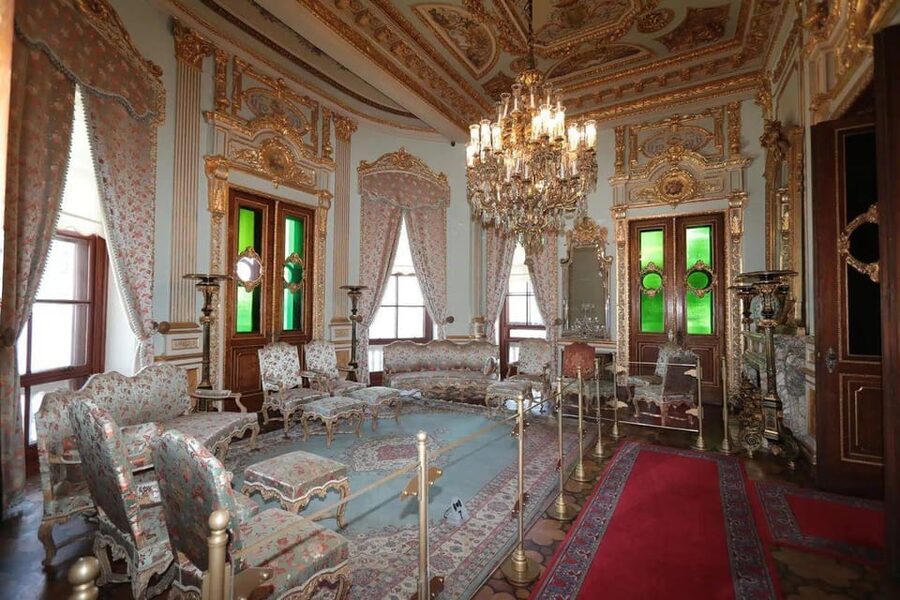
Inside, the main attraction is the blend of Ottoman and Western design. This is useful context for understanding the building. You are not looking at a purely traditional Ottoman structure, nor at a European building simply placed in Istanbul. The design reflects changing tastes and the way Ottoman architecture absorbed outside influences during the 19th century.
The pavilion’s current form dates from 1856 and 1857, so the rooms and details you see relate mainly to that later phase. The audio guide should help you connect the architecture with the building’s history. Since the guide is professional and in English, you can follow the explanations without needing to arrange a separate translator or guide.
Do not expect the ticket to include a live tour. A guided tour is specifically not included, so the experience depends on the audio commentary and your own pace. That is a benefit if you prefer quiet, independent sightseeing. It is less useful if you want a conversation or detailed answers to personal questions.
Using the English audio guide well
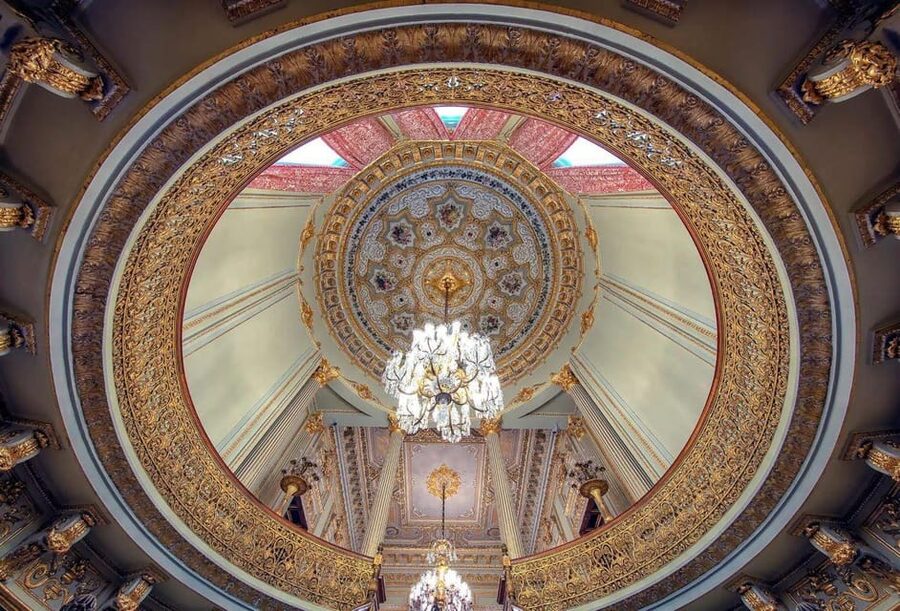
The audio guide is the main interpretive tool here. Without it, you could admire the pavilion’s materials, rooms, and design, but some of the historical meaning would be easy to miss. The guide gives you a way to connect the building’s appearance with its Ottoman past.
I would use it as a supplement rather than letting it control every second of the visit. Listen to the explanation for each area, then look again at the details it draws to your attention. This makes the visit feel less like walking through a decorated building and more like understanding why the pavilion was created.
The self-guided format also gives you flexibility. You can pause, move at your own speed, and spend more time in the areas that interest you. Someone focused on architecture may want to listen closely to the design commentary. Someone more interested in Istanbul’s royal past may prefer to concentrate on the pavilion’s origins, its changes in the 1850s, and its later conversion into a museum.
The guide is in English. No other audio language is identified in the information provided, so English speakers have the clearest reason to choose this ticket. If you need another language, confirm availability before booking.
More audio tours around Istanbul:
- Istanbul: Daytime or Sunset Sightseeing Cruise & Audio Guide
★ 4.8 · 14,430 reviews - Istanbul: Basilica Cistern Fast-Track Entry and Audio Guide
★ 4.6 · 7,521 reviews - Istanbul: Bosphorus Sightseeing Cruise Tour with Audio Guide
★ 4.6 · 4,704 reviews - Istanbul: Hagia Sophia Entry Ticket with Audio Guide
★ 4.3 · 2,854 reviews
What the ticket includes for $14
The $14 price covers two useful items: skip-the-line entry to Küçüksu Pavilion and a professional English audio guide. That makes the cost fairly easy to judge. You are paying for access to one historic building and a way to understand it while you explore.
The value depends on your interests. If you already plan to visit the pavilion, the audio guide adds context without the higher cost or fixed schedule of a private tour. The skip-the-line feature also removes one small chore from the visit, especially if there is a queue when you arrive.
This is not a full-day guided excursion despite the ticket’s one-day validity. The one-day period tells you how long the ticket remains valid, not that you will spend an entire day inside the pavilion. You should think of it as a flexible admission ticket for a single historic attraction.
The price is less attractive if you want transportation, a live guide, or a broad overview of Istanbul. None of those are included. You are responsible for reaching the pavilion, and the experience focuses only on Küçüksu Pavilion and its immediate setting.
How the visit fits into your Istanbul plans
Küçüksu Pavilion works best as one stop in a larger day. Its location beside the Bosphorus gives you a reason to include it when your plans already take you toward this part of Istanbul. The ticket itself does not include transport or a larger sightseeing route, so you should organize that part separately.
Because the entry is valid for one day, you have some room to arrange your schedule. The information does not provide a fixed starting time or a detailed visit length. You should check the available time options before booking and plan around the operating details shown for your date.
The compact nature of the pavilion makes it easier to pair with other plans than a massive palace. Still, avoid treating the visit as a rushed box to tick. The best features are spread across the building, garden, and waterfront setting. Give yourself enough time to use the audio guide and look at the architecture from outside as well as inside.
Skip-the-line entry is helpful, but it does not turn the ticket into a private entrance or private visit. You still explore independently, and the site can have its own visitor flow. The benefit is simply that you avoid the ticket line covered by the pass.
The historical story in three chapters
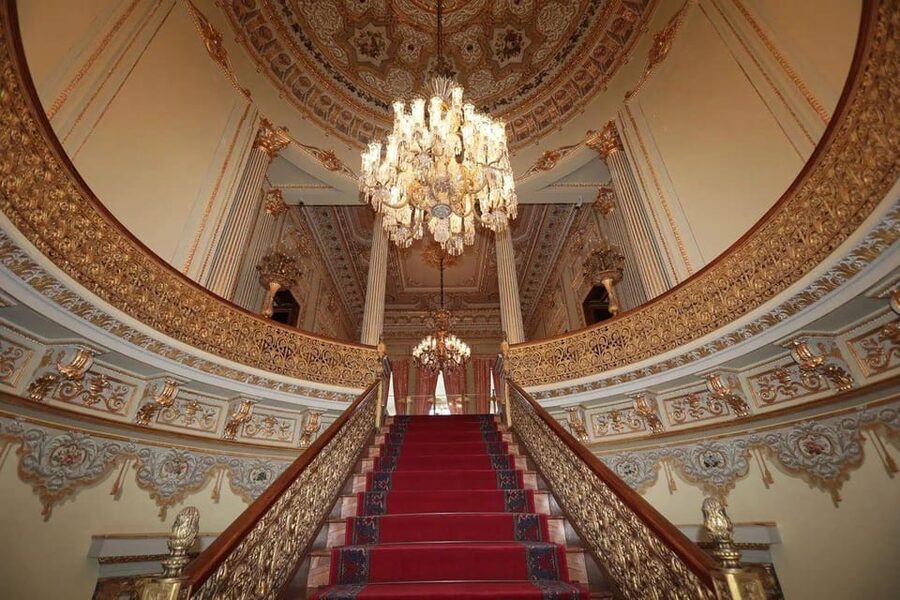
The first chapter begins in 1751, during the reign of Sultan Mahmud I. The pavilion was created after a Grand Vizier recommended the site, linking the building to the Ottoman interest in the Bosphorus and its shores.
The second chapter comes in 1856 and 1857, when the pavilion took on its current form. This period matters because it helps explain the building’s mixture of Ottoman and Western design. Its appearance reflects a later phase of Ottoman architectural taste rather than only the style of its original construction.
The third chapter began in 1983, when Küçüksu Pavilion became a museum. That change made it possible for you to see the building as part of Istanbul’s public cultural life rather than as a private imperial retreat.
The audio guide is most valuable when you keep these three stages in mind. The pavilion is not frozen in one moment. Its story moves from royal waterfront retreat, to redesigned 19th-century structure, to museum open for public visits.
Who will enjoy this ticket most
I recommend this experience to you if you like historic buildings but do not need a large guided tour. The English audio guide gives enough structure to make the visit meaningful, while the independent format lets you set the pace.
It also suits visitors who care about architecture. The brick-and-stone construction, two-storey layout, and Ottoman-Western design mix offer several details to consider. The Bosphorus setting adds an outdoor element, so you are not spending the entire visit looking at interiors.
This ticket can also work well for a short stop during a day near the waterfront. The one-day validity offers flexibility, and skip-the-line entry keeps the admission process straightforward.
You may want another option if your priority is a live guide. There is no guided tour included, and the information does not identify a guide or provide a group itinerary. Families and groups with different interests may appreciate the freedom, but anyone looking for a detailed conversation with an expert could find the audio-only format too spare.
Booking, cancellation, and practical details
You can cancel up to 24 hours in advance for a full refund. The reserve-now, pay-later option lets you hold a place without paying at the time of booking, which is useful when your Istanbul schedule is still changing.
Check availability for the starting times offered on your date. The ticket is valid for one day, and the activity includes skip-the-line entry rather than a separate transport service.
The experience provider is Istanbul Tourist Pass®. The ticket includes the professional English audio guide and entry to Küçüksu Pavilion. A live guided tour, transport, and other attractions are not included.
Should you book Küçüksu Pavilion?
Book it if you want a focused look at an Ottoman waterfront pavilion, prefer exploring independently, and value an English audio guide. The $14 price is fair for admission plus interpretation, especially when you want to avoid a ticket queue.
I would skip it if you are seeking a major palace tour, a live guide, or an all-day excursion with transport. Küçüksu Pavilion is smaller and more specialized. Its appeal comes from the combination of Ottoman and Western design, the 1751 origins, the 1856 and 1857 rebuilding, and the Bosphorus setting between two streams. For the right visitor, that focused experience is exactly the point.
FAQ
What does the Küçüksu Pavilion ticket include?
It includes skip-the-line entry to Küçüksu Pavilion and a professional audio guide in English.
Is a live guided tour included?
No. Guided tours are not included. The experience uses an English audio guide instead.
How much does the ticket cost?
The listed price is $14 per person.
How long is the ticket valid?
The ticket is valid for one day.
Can I cancel the booking?
Yes. You can cancel up to 24 hours in advance for a full refund.
Can I reserve now and pay later?
Yes. The reserve-now, pay-later option allows you to book without paying immediately.
When was Küçüksu Pavilion built?
The pavilion originally opened in 1751 during Sultan Mahmud I’s reign. It took its current form in 1856 and 1857, and it became a museum in 1983.
New audio tours around Istanbul
- Istanbul: Bosphorus and Golden Horn Cruise with Audio Guide★ 4.5 · 83 reviews
- Topkapi Palace and Harem Museum Ticket with Audio Guide★ 3.0 · 2 reviews
- Topkapi Palace Museum Skip The Ticket Line Tickets + Audio Guide★ 3.0 · 2 reviews
- Istanbul Walking Tour with Audioguide on Your Smartphone★ 5.0 · 6 reviews
- Istanbul Self-Guided Audio Tour★ 3.0 · 2 reviews
- Istanbul: Hagia Sophia Entry Ticket with Digital Audio Guide★ 4.5 · 7 reviews
- Dolmabahce Palace Skip the Ticket Line Entry with Audio Guide★ 4.0 · 6 reviews
- Istanbul Bosphorus Sightseeing Cruise with Audio Guide★ 5.0 · 67 reviews
Istanbul Audio Tours, compared.

Istanbul: Daytime or Sunset Sightseeing Cruise & Audio Guide
Read our review →
Istanbul: Basilica Cistern Fast-Track Entry and Audio Guide
Read our review →
Topkapi Palace and Harem Skip-the-Line-Tickets & Audio Guide
Read our review →
Istanbul: Bosphorus Sightseeing Cruise Tour with Audio Guide
Read our review →
Istanbul: Hagia Sophia Entry Ticket with Audio Guide
Read our review →
Istanbul: Topkapi Palace and Harem Ticket with Audio Guide
Read our review →
Hagia Sophia Skip-the-Line Ticket & Blue Mosque Audio Guide
Read our review →
Istanbul: Dolmabahce Palace and Harem Fast-Track & Audio
Read our review →Browse the lists this tour appears in