
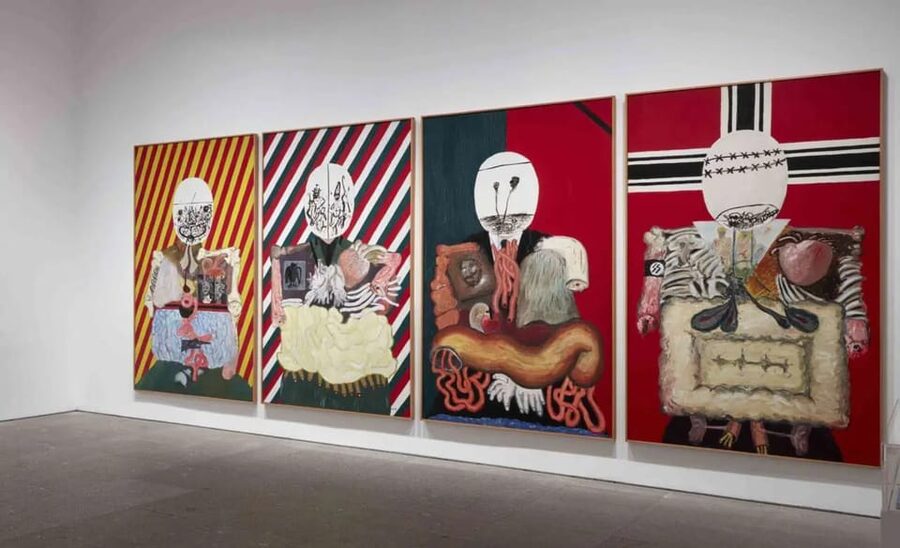
Review · MADRID
Madrid: Reina Sofía Museum Ticket with In-App Audio Guide
The main reason to book this experience is simple: it gets you face to face with Picasso’s Guernica, one of Europe’s most powerful paintings, without tying you to a group schedule. I like the self-paced format and the chance to spend time with major works by Dalí, Miró, and other Spanish artists in a former 18th-century hospital.
I also like the skip-the-ticket-office entry and the one-day validity, which gives you room to fit the museum around Madrid’s Atocha area. The catch is the audio guide. It is an extra digital product, not the museum’s official guide, and it may be thin or fail to arrive in time if you book close to your visit.
Key points to know before you go
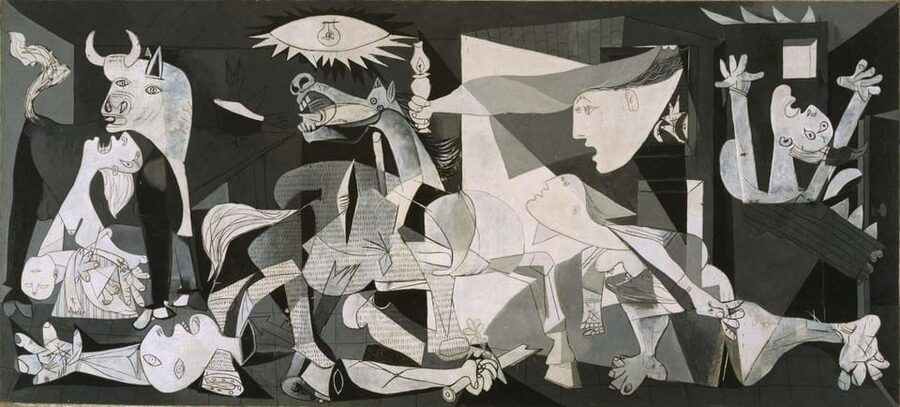
- Picasso’s Guernica is the star attraction: Allow time to look beyond the famous name and study the painting’s figures, scale, and grim mood.
- The audio guide needs preparation: You need internet access, your own headphones, and the app link before entering.
- The ticket is valid for one day: You can explore without joining a fixed group tour.
- The museum sits in a former hospital: The neoclassical building adds a strong sense of place before you even reach the galleries.
- The digital guide is not the official museum guide: Some visitors found it less complete and less well organized than the museum’s own option.
- The current score is modest at 3.1 out of 5 from 231 ratings: The main issue is not the art, but the delivery and usefulness of the audio guide.
Why Reina Sofía deserves a place in your Madrid plan
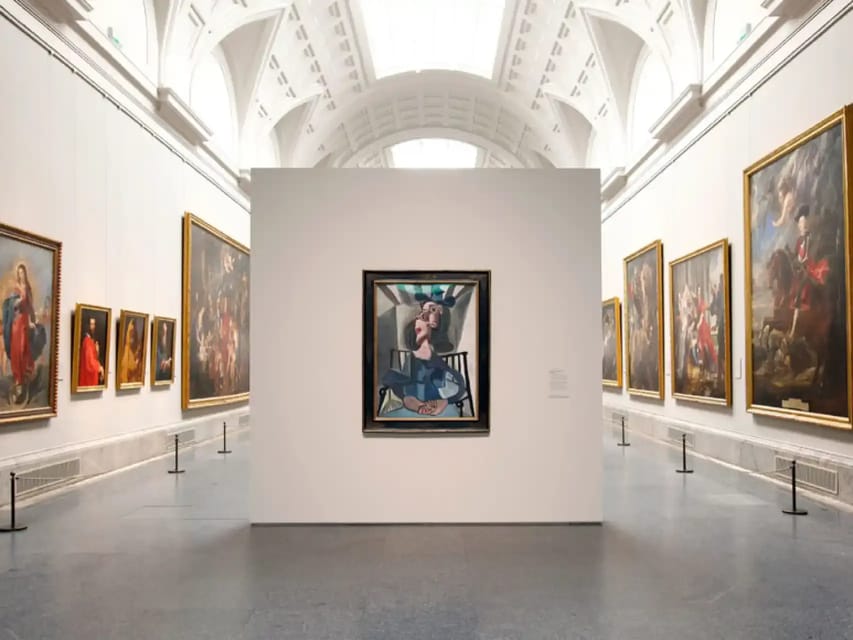
Madrid has several major art museums, but the Reina Sofía gives you a different experience from a visit centered on older royal and religious art. Its collection focuses on 20th-century Spanish art, a period marked by war, political tension, new ideas, and sharp changes in artistic style.
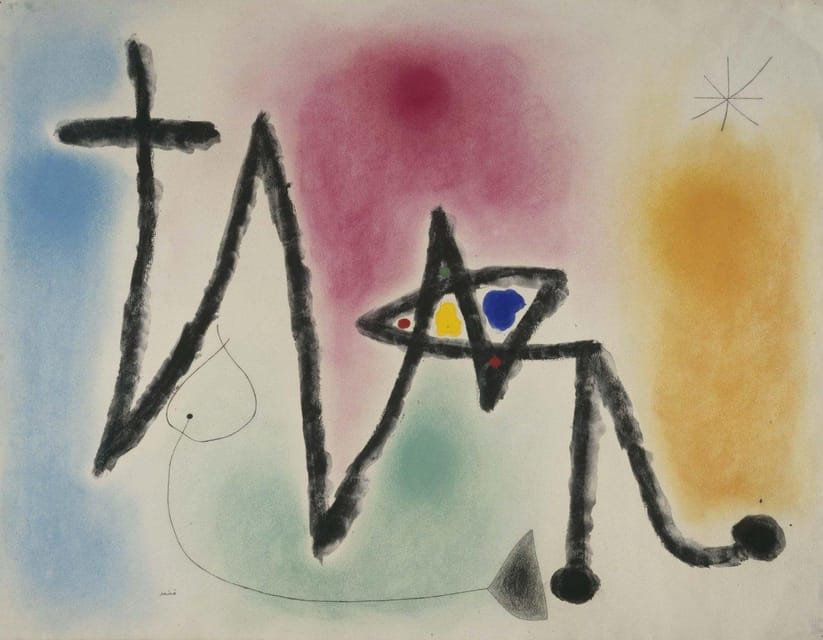
You will see work by Pablo Picasso, Salvador Dalí, and Joan Miró, three names that often appear in any serious introduction to Spanish modern art. The collection also helps you see how artists responded to a changing country and a troubled Europe.
The museum opened in 1992 in what was once the General Hospital of Madrid. That 18th-century neoclassical setting creates an interesting contrast with the art inside. Broad historic walls and formal architecture give way to paintings and installations that can feel strange, raw, playful, or unsettling.
I would not treat this as a quick photo stop. The ticket is valid for one day, so you have the freedom to move at your own speed. That matters here because modern art often rewards a slower look. A painting may seem odd at first, then become clearer after you read its title, study a detail, or listen to some background.
More Museum Audio Tours in Spain
- Madrid: Prado Museum Ticket with In-App Audio Guide
★ 3.6 · 1,154 reviews - Erotic Museum Admission Ticket with Audioguide
★ 5.0 · 527 reviews - Málaga: Picasso Birthplace Museum Ticket & City Audio Guide
★ 4.1 · 158 reviews
Seeing Picasso’s Guernica in person
For most people, Guernica is the reason to visit. Picasso painted it in response to the bombing of the Basque town of Guernica during the Spanish Civil War. The work is large, monochrome, and filled with broken bodies, anguished faces, and distorted forms.
A reproduction can show you the composition, but it cannot fully convey the scale of the original. In the gallery, you can see how Picasso uses black, white, and gray to remove any sense of comfort. There is no bright color to soften the scene. The result is stark and difficult to ignore.
Give yourself time here. Do not simply walk in, take a picture, and leave. Look from left to right, then return to the central figures. Notice how the bull, horse, lamp, and human forms resist a single easy interpretation.
The audio guide may help you place the painting in its political and artistic setting, but you should not depend on it entirely. Since this guide is supplied through an outside app rather than by the museum itself, its coverage may not match the quality or structure of the official museum guide.
Dalí, Miró, and the museum’s modern collection
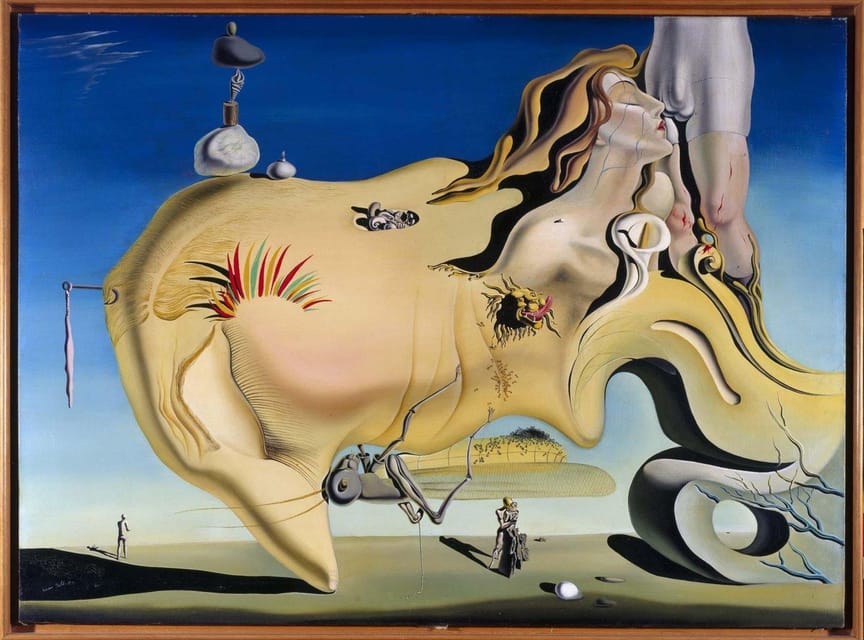
After Guernica, the collection broadens your picture of Spanish art. Salvador Dalí’s Rostro del gran masturbador offers a very different mood from Picasso’s war painting. Dalí’s work is dreamlike, symbolic, and deliberately strange, with forms that seem to shift between a face, a body, and an imagined scene.
It is the kind of painting that benefits from context, but it also works as a visual puzzle. You can first react to it on your own, then use the guide to consider Dalí’s interests and recurring images.
Joan Miró brings another change in tone. His work can appear playful and spare, with signs and shapes that seem almost childlike. That simplicity is deceptive. The more time you give the picture, the more you notice its balance, rhythm, and careful use of space.
The collection is not designed as a neat parade of famous hits. You may find pieces that appeal to you immediately and others that leave you cold. That is normal. The museum asks you to accept uncertainty and make your own judgments, which is part of the value of a modern art museum.
Exploring the former General Hospital
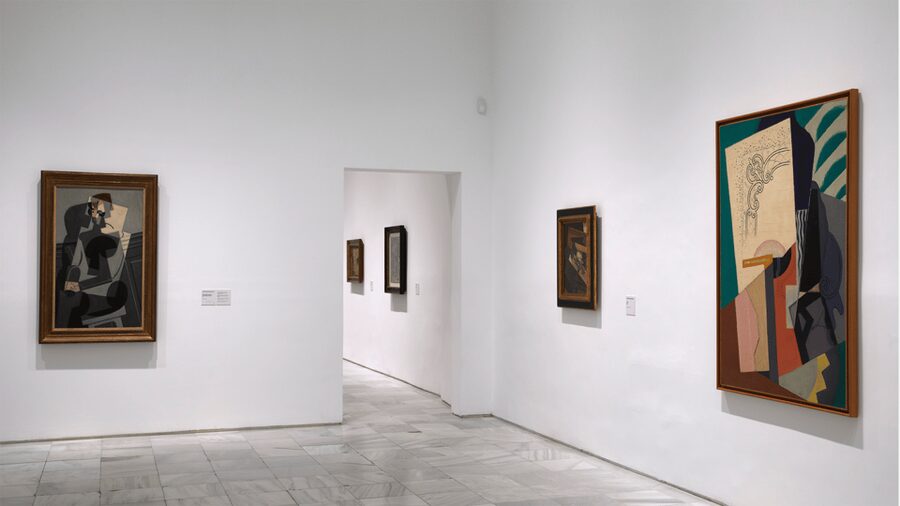
The building itself deserves attention. The Reina Sofía occupies a former hospital in an 18th-century neoclassical structure, so the visit is not just a series of white gallery rooms in a modern box.
The contrast between the old building and the 20th-century collection gives the museum its character. You move through spaces connected to Madrid’s past while looking at art shaped by war, politics, psychology, and experimentation.
The site is in the Atocha area, a useful location if you are already planning time around Madrid’s central museums. The activity does not include hotel pickup, transport, food, or drinks, so you arrange the rest of your day yourself.
That independence is useful. You can visit the museum before lunch, pause elsewhere in Atocha, or return to a work that stayed in your mind. Just remember that the ticket is valid for one day, not an unlimited multi-day pass.
Same sights, a different narrator:
- Barcelona: Sagrada Familia Entry Ticket with Audio Guide
★ 4.6 · 105,312 reviews - Barcelona: Casa Batlló Entry with Self-Audioguide Tour
★ 4.7 · 25,359 reviews - Granada: Alhambra Entry Ticket with Audio Guide
★ 4.1 · 5,950 reviews - Casa Batllo Admission Ticket with Intelligent Audio Guide
★ 4.5 · 3,168 reviews
How the in-app audio guide works in practice
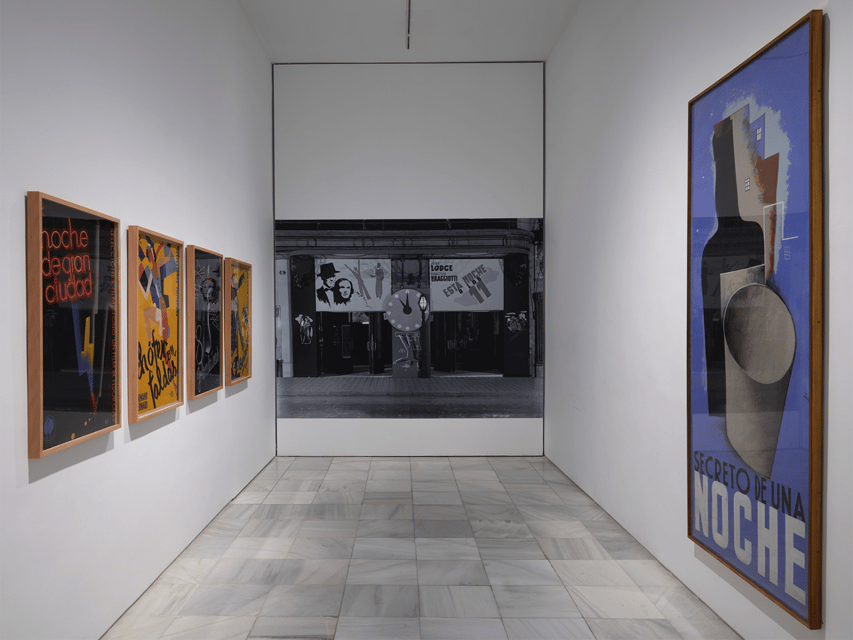
The audio guide is available in Spanish, English, French, and Italian. That language choice makes the experience more accessible for many international visitors, but the guide requires some care before you arrive.
You need an internet connection to access the audio content. You also need your own headphones because none are supplied. I would not wait until you reach the museum to deal with the app. Download what you can in advance, check that the link works, and bring a charged phone.
This preparation matters because the guide is not the same as the museum’s official audio guide. It is an additional resource designed to add background to the visit. Some entries may be useful, but the coverage can be limited compared with the number of works on display.
One practical problem is timing. Tickets may arrive the day before the visit, but if you buy only a few hours before entry, the audio link may not reach you soon enough. One purchaser had to pay separately for the museum’s official guide and later received a refund for the unused digital guide. That outcome was positive, but it required extra hassle.
Another problem is content accuracy and structure. The app may not provide a clear route through the galleries, and some works described in it may not be on display. I would use it as a supplement, not as your sole plan for understanding the museum.
Getting through the entrance and finding your way
Your ticket includes entry to the Museo Nacional Centro de Arte Reina Sofía and lets you skip the ticket office through a separate entrance. That can save time, especially when you have a tightly planned day in Madrid.
Your tickets are sent by email, so check your inbox before setting out. The meeting point information is not a physical tour meeting in the usual sense. You are responsible for having the ticket ready, and unclear instructions could cause trouble if you leave it until the last moment.
Keep the ticket email easy to reach on your phone. If you are visiting with other people, check that each person has access to the required details. This is a small step, but it can prevent the worst kind of museum delay: standing outside while your group searches through inboxes.
The museum is wheelchair accessible. The experience does not include a personal guide, so you will not have someone on site to explain the entrance process or reorganize your route. That is the trade-off for a flexible, independent visit.
What may be closed or different on your day
Museum displays can change. Renovation work may close a floor or alter the route, and the advertised experience does not promise that every section will be open at all times.
That is worth keeping in mind if you are visiting mainly for a particular room or section. The art itself remains the main reason to go, but a renovation can make the visit feel less complete than expected.
The Reina Sofía also has two other venues in Madrid’s Parque de El Retiro: the Palacio de Cristal and the Palacio de Velázquez. These spaces host temporary exhibitions and installations. The glass structure of the Palacio de Cristal offers a very different setting from the old hospital, while the Palacio de Velázquez provides another historic exhibition space.
The information for this activity describes those venues as part of the museum’s wider presence, but you should not assume that this particular ticket guarantees entry to every temporary exhibition or satellite venue. Check the current admission terms if those locations are a key part of your plan.
Is $35 a fair price?
At $35 per person, this is not the cheapest museum entry in Madrid. The value depends on what you want from the booking.
You are paying for the museum ticket, skip-the-ticket-office access, and an in-app guide in four languages. If you are visiting during a busy period and want the convenience of arranging entry before you arrive, the package may be worthwhile.
The value drops if you expect a polished, complete audio tour. The guide is not the museum’s official version, and the app may contain fewer useful entries than you want. It may also arrive too late when you book at short notice. In that case, you could end up paying extra for the official guide or visiting without audio support.
For an art lover who is happy to read labels, move independently, and focus on the collection, the ticket is easier to justify. For someone choosing this mainly because of the audio guide, I would be more cautious.
The free cancellation policy gives you some protection. You can cancel up to 24 hours before the visit for a full refund, and the reserve-now, pay-later option keeps the booking flexible. Those terms do not fix a weak app, but they reduce the risk of committing too early.
Who will enjoy this visit most?
I would recommend this experience to you if you want:
- A flexible museum visit without a group schedule
- Direct access to Guernica, Dalí, Miró, and other 20th-century Spanish art
- A ticket arranged in advance
- An independent visit in English, Spanish, French, or Italian
- A museum stop that fits easily into a day around Atocha
I would think twice if you need a complete, carefully ordered explanation of every important work. The app may not provide enough structure, and the official museum guide could be a better choice.
Families and mixed-interest groups may appreciate the freedom to split up and reunite later, though no child-focused material is listed. Art students and serious museum fans may want more detailed interpretation than this package promises.
My practical plan for the day
I would first confirm that the ticket email has arrived and that the audio link works. Then I would download the app content where possible, charge my phone, and pack headphones.
Once inside, I would make Guernica an early priority. That gives you a quieter chance to look closely before fatigue sets in, though the exact crowd level can vary. I would then explore the surrounding galleries rather than rushing straight through to the next famous name.
Use the audio guide for selected works, not every room. If an entry is missing, confusing, or unrelated to what you see, move on rather than letting the app control your visit.
After the main collection, decide how much time you have for the rest of the building. If you still want more contemporary art, check the current program for the Palacio de Cristal and Palacio de Velázquez before treating them as part of the same ticket.
Should you book the Reina Sofía ticket with audio guide?
Book it if your priority is a self-guided visit with advance entry and the freedom to explore Spain’s 20th-century art at your own speed. The museum collection and Guernica make this a worthwhile stop, and the former hospital adds character to the setting.
Book with caution if the audio guide is the main reason you are paying $35. Bring your own headphones, arrange the app before the visit, and have a backup plan based on museum labels. If a complete official commentary matters to you, buying the museum’s own guide may be the safer option.
The best way to see this experience is as a flexible entry ticket with an optional digital aid, not as a fully guided museum tour. That expectation will leave you better prepared and more likely to enjoy the art.
FAQ
How long is the ticket valid?
The ticket is valid for one day.
Does the ticket include entry to the Reina Sofía Museum?
Yes. It includes entry to the Museo Nacional Centro de Arte Reina Sofía and access through a separate entrance that skips the ticket office.
Is the audio guide included?
A digital in-app audio guide is included. It is available in Spanish, English, French, and Italian.
Is the audio guide the museum’s official guide?
No. It is an additional resource and is not the official audio guide provided by the museum.
Do I need an internet connection?
Yes. An internet connection is required to access the audio content.
Are headphones provided?
No. You need to bring your own headphones.
When will I receive my entry tickets?
The tickets are sent by email the day before the visit. If you book only a few hours before entry, the audio guide link may not arrive in time.
Is the museum wheelchair accessible?
Yes. The activity information states that the museum is wheelchair accessible.
New audio tours around Spain
- Entrance to the Alhambra and Generalife with Audio Guide★ 3.5 · 38 reviews
- Alhambra Ticket with Audio Guide in Granada★ 3.5 · 151 reviews
- Montsacopa: An audio tour in the Volcano in the Centre of the City★ 4.5 · 3 reviews
- Mosque-Cathedral of Córdoba E-Ticket with Audio Guide★ 3.5 · 15 reviews
- Cádiz TukTuk Tour with Audio Guide★ 5.0 · 4 reviews
- Vejer de la Frontera: The White Pearl of Andalusia Audio Guide★ 5.0 · 2 reviews
- Bilbao Scavenger Hunt and Highlights Self Guided Audio Tour★ 4.5 · 4 reviews
- Self-Guided Audio Tour-The Surrealist Barcelona of Dalí and Gaudí★ 3.5 · 8 reviews
Madrid Audio Tours, compared.
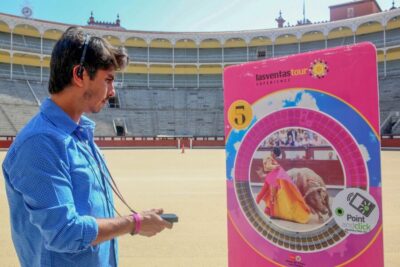
Madrid: Las Ventas Bullring Tour with Audio Guide
Read our review →
Madrid: Prado Museum Ticket with In-App Audio Guide
Read our review →
Audio Guided Tour of the Bullring of Las Ventas in Madrid
Read our review →

Madrid: Archaeological Museum E-Ticket and Audio Guide
Read our review →
Madrid Audioguide – TravelMate app for your smartphone
Read our review →
Madrid: Lázaro Galdiano Museum Entry Ticket with Audio Tour
Read our review →Browse the lists this tour appears in