
Review · BARCELONA
Barcelona: Mies van der Rohe Pavilion Ticket and Audio Guide
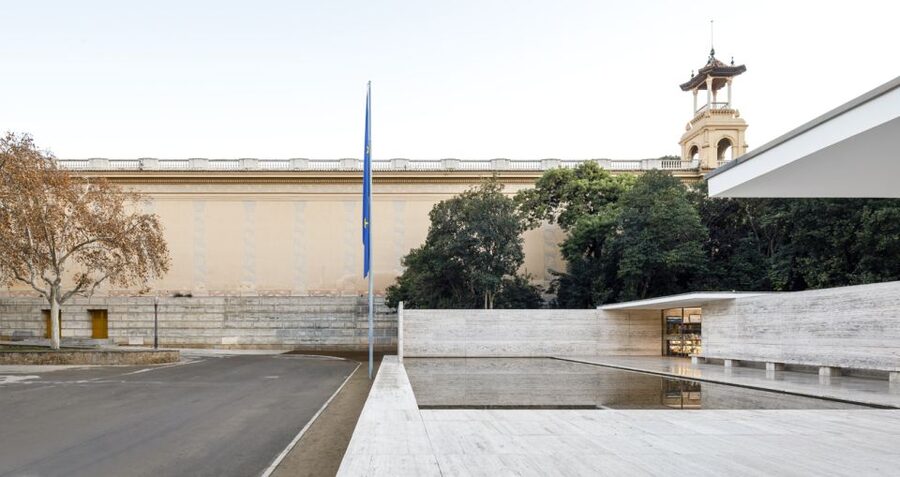
The Mies van der Rohe Pavilion is a small building with a big architectural argument: walls do not need to enclose much, materials can do the talking, and a room can feel open without being empty. Designed by Mies van der Rohe and Lily Reich for the 1929 Barcelona International Exhibition, it was dismantled after the event and rebuilt on its original site in 1986.
I like the calm pace here and the chance to study famous design without a long sightseeing route. I also like the audio guide, available in five languages, because it helps explain why the building’s marble, glass, water, and steel matter. The main drawback is simple: at about $10, some people may feel the visit is short for the price, especially if they are not interested in architecture.
Key points to know
- A 1929 landmark rebuilt in 1986: The pavilion you see today is a careful reconstruction on the original site.
- Designed by two major figures: Mies van der Rohe and Lily Reich created the German national pavilion for the Barcelona International Exhibition.
- A compact, quiet visit: You can take your time with the materials, reflections, proportions, and open-plan design.
- Audio commentary in five languages: Choose Spanish, Catalan, English, French, or German.
- Good for architecture fans and curious first-timers: You do not need technical training, but interest in modern design makes the $10 ticket easier to justify.
- Plan around changing conditions: Opening hours can change, and temporary artistic interventions may alter the building’s appearance.
Why this small pavilion matters in Barcelona
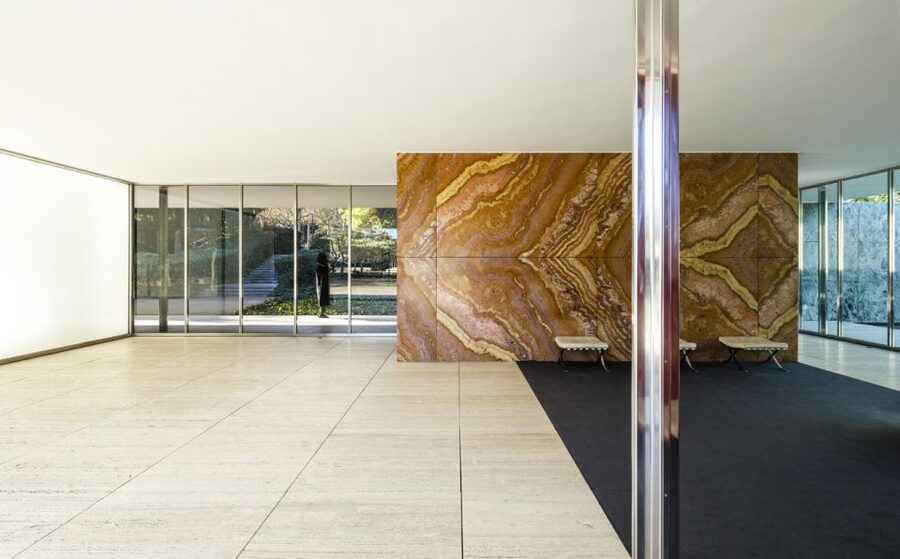
You will not enter a grand palace or a vast museum. The Mies van der Rohe Pavilion is deliberately spare. Its power comes from proportion, material, and movement rather than decoration or a long list of rooms.
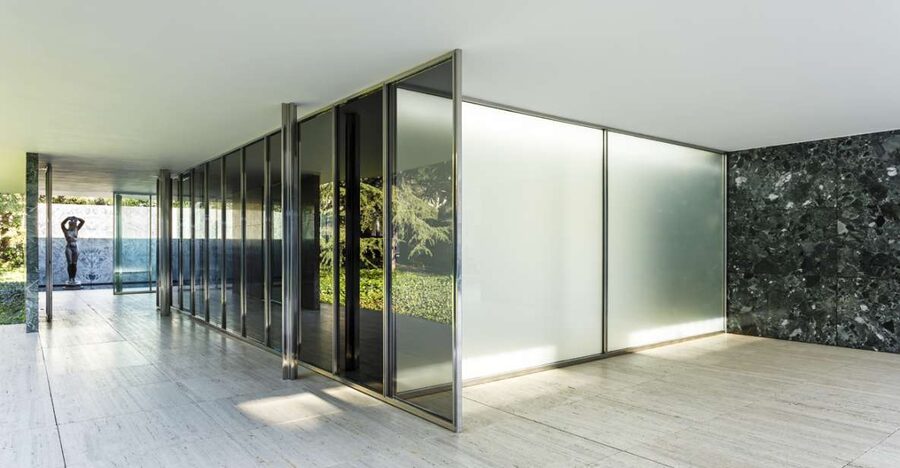
Mies van der Rohe and Lily Reich designed it as the German national pavilion for the 1929 Barcelona International Exhibition. Unlike a typical exhibition hall, it was not meant to impress through size or elaborate ornament. Its smooth planes, polished surfaces, and open connections between inside and outside made a sharp statement about modern architecture.
The pavilion later became one of the key reference points for the Modern Movement. You can see why in a few minutes, but you will understand it better if you slow down. Walk through the same space from different angles. A wall that first seems solid may guide your eye toward water, sculpture, or another section of the building.
I find the design works best when you resist the urge to simply take one photo and leave. The building changes as you move. Reflections soften the edges, marble panels shift in appearance, and the relationship between the interior and the surrounding space becomes clearer.
More audio tours around Barcelona:
- Barcelona: Sagrada Familia Entry Ticket with Audio Guide
★ 4.6 · 105,312 reviews - Barcelona: Casa Batlló Entry with Self-Audioguide Tour
★ 4.7 · 25,359 reviews - Casa Batllo Admission Ticket with Intelligent Audio Guide
★ 4.5 · 3,168 reviews
The reconstructed 1986 building
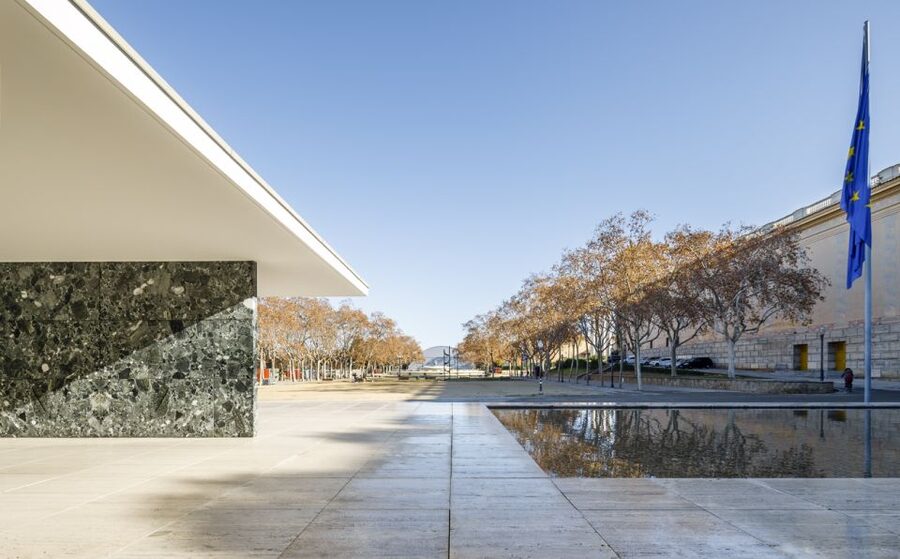
The original pavilion was dismantled after the 1929 exhibition. Its importance became clearer over time, and it was reconstructed on the original site, reopening in 1986.
That detail matters because you are not seeing a surviving 1929 building in its untouched state. You are seeing a later reconstruction created to preserve the design and its place in architectural history. This does not make the visit less worthwhile, but it gives you the right context.
The audio guide helps explain this story, including the pavilion’s original purpose and later rebuilding. I recommend listening as you move, then pausing the commentary when you want to look closely. The building rewards both information and silence.
For some people, the reconstruction will be the most interesting part. It shows how a building can disappear physically yet remain influential enough to be brought back. For others, the important thing is the design itself, regardless of the building’s later history.
What you see as you move through the pavilion
The visit is not a fixed tour with a series of scheduled stops. You receive entry and an audio guide, then explore the pavilion at your own pace during the valid one-day period.
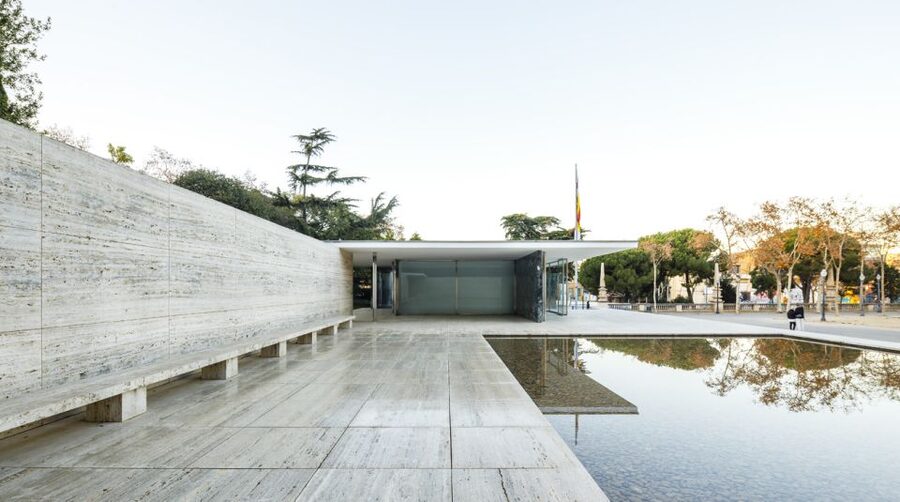
Start by taking in the full arrangement before focusing on details. Look at how the walls create direction without forming a conventional corridor. Notice the interplay between open areas and enclosed surfaces. The building feels carefully controlled, yet it does not force you along one narrow route.
The materials are central to the experience. The design uses a precise mix of glass, steel, stone, and marble, with materials brought from places including the Alps, Tivoli, Atlas, and Tinos. Their colors and patterns are not random decoration. They help define space, frame views, and create contrast.
I would give special attention to the marble surfaces. Their natural markings make each panel different, even within a design that otherwise feels highly ordered. You may find yourself looking at the stone as closely as you look at the building’s structure.
Water also plays an important role. Reflections add movement to an otherwise quiet setting, while the glass and polished surfaces make boundaries less certain. This is one reason the pavilion can feel larger than it is.
A sculpture is part of the design experience as well. The pavilion is not simply a box filled with objects. Architecture, sculpture, water, and open space work together, so you should look at the whole composition before isolating individual pieces.
Using the audio guide without rushing
The audio guide is available in Spanish, Catalan, English, French, and German. That range makes the ticket more useful for international visitors, and it gives you a way to understand the building even if modernist architecture is new to you.
I would not listen continuously while staring at your phone or audio device. Use the commentary to learn the basic story, then look up and study the space. The pavilion is visually quiet, so even small changes in angle can be worth noticing.
One practical caution is worth keeping in mind: an audio guide is included, but its handover may not always feel perfectly clear. A visitor in February 2026 reported not receiving the audio guide and feeling confused. I would check at the entrance that you have the guide and the correct language before moving into the pavilion.
The audio commentary is especially useful for three subjects:
- The pavilion’s role at the 1929 international exhibition
- The reasons it was reconstructed in 1986
- The influence of its simple forms and material choices on later architects and artists
You can still appreciate the visit without studying every technical point. The guide is there to add meaning, not turn a short architectural stop into a classroom.
Same sights, a different narrator:
- La Pedrera-Casa Mila Admission Ticket with Audioguide
★ 4.5 · 1,032 reviews - Gaudi´s Casa Vicens Skip the Line Ticket with Audioguide
★ 4.5 · 685 reviews - Erotic Museum Admission Ticket with Audioguide
★ 5.0 · 527 reviews - Barcelona: Montjuïc Cable Car Ticket with Audio Guide
★ 3.9 · 270 reviews
A quiet stop, with a short visit by design
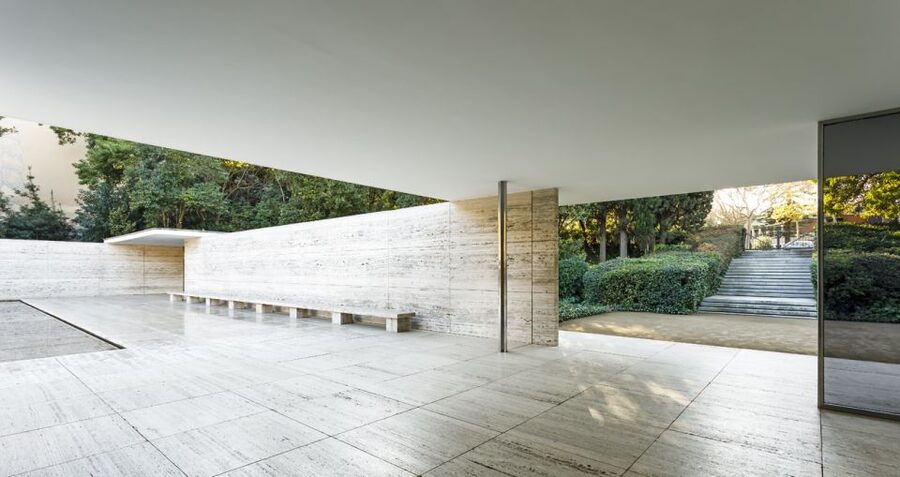
This is a compact experience. The attraction’s size is part of its appeal, but it also creates the main value question. If you want a full morning of sightseeing, this ticket will not provide it. If you want a focused break from Barcelona’s crowded major attractions, it can work very well.
The pavilion offers a calmer kind of sightseeing. You can pause beside the water, follow the lines of the walls, and look at the materials without trying to cover a large complex. One visitor in February described the site as minimal and noted that professional photographers and models were using the space during the visit. That can add activity to the scene, though it may also make certain angles feel less private.
You might also find a short nature trail near the site, which could extend your outing if you want a little time outdoors. The trail is not part of the ticketed pavilion experience, so treat it as a possible nearby addition rather than a planned feature of the visit.
The atmosphere may change when artistic interventions are taking place. These temporary installations can alter the pavilion’s appearance, sometimes adding a new layer to the architecture and sometimes making it harder to see the building in its familiar form. Check current conditions if seeing the pavilion exactly as usually presented matters to you.
Is the $10 ticket good value?
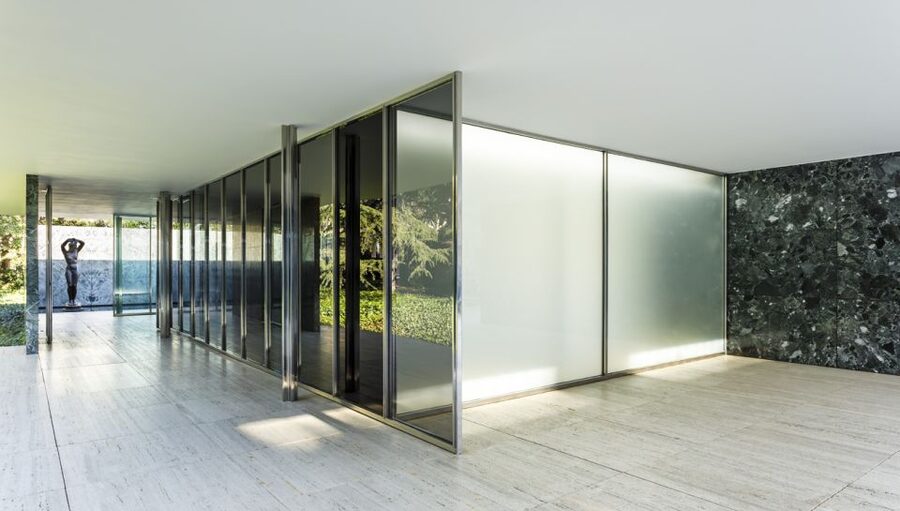
At $10 per person, the ticket is not expensive by Barcelona sightseeing standards, but the value depends heavily on your interests. You are paying for access to a small, important building rather than a long itinerary or a large collection.
I think the price makes sense if you care about architecture, design, art, or the history of Barcelona’s 1929 exhibition. The audio guide adds useful context, and the ability to skip the ticket line saves some friction. The experience also fits neatly into a day of sightseeing because it does not require a full-day commitment.
The value is less convincing if you expect dramatic decoration, many rooms, or a long guided tour. Some visitors feel the pavilion should be free, especially because the visit itself can be short. That criticism is fair. You should book this for the quality of the design, not for quantity.
The ticket is valid for one day, with starting times shown according to availability. Opening hours can change, so check the schedule before setting out. Arriving at your selected time is sensible, since one visitor specifically advised being punctual.
Who will enjoy this experience most
I would recommend the pavilion to:
- Architecture and design students
- Visitors curious about modernism
- Art lovers who enjoy sculpture, space, and materials
- Anyone looking for a quieter Barcelona stop
- People who want a short attraction that can fit around other plans
- Visitors who prefer learning through an audio guide rather than joining a group
Families can visit too, though the building’s appeal may be less obvious to young children. There is no food, drink, or smoking allowed, and tripods are not permitted. Assistance dogs are allowed, but other pets are not.
The pavilion is wheelchair accessible, which makes it a practical choice for visitors who need an accessible attraction. The short, open arrangement may also be easier to manage than a large museum, although you should still check current access details if you have specific requirements.
How to get more from the visit
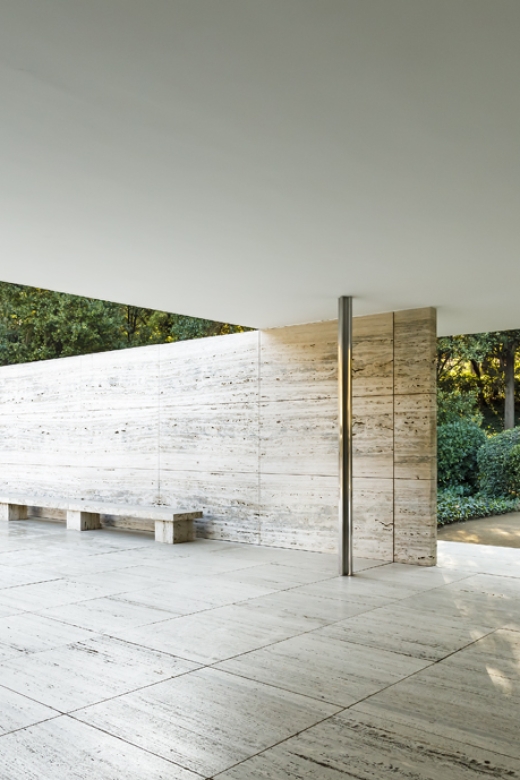
Give yourself enough time to look rather than simply enter, photograph, and leave. First notice the overall balance. Then examine the wall placement, the reflections, the marble patterns, and the connections between indoor and outdoor space.
Try standing in more than one location. The pavilion’s design depends on movement, so a wall or opening can look very different as you change position. The audio guide can explain the ideas, but your own slow observation is just as important.
If photographers or models are working during your visit, be patient and adjust your angle. They may become part of the scene for a while. The building is used as a living setting, not just a frozen historical display.
I would also avoid planning this as your only activity for the day. It works best paired with other Barcelona sights, a meal, or a nearby walk. That way, the short visit feels like a thoughtful stop rather than an attraction you expected to fill several hours.
Should you book the Mies van der Rohe Pavilion?
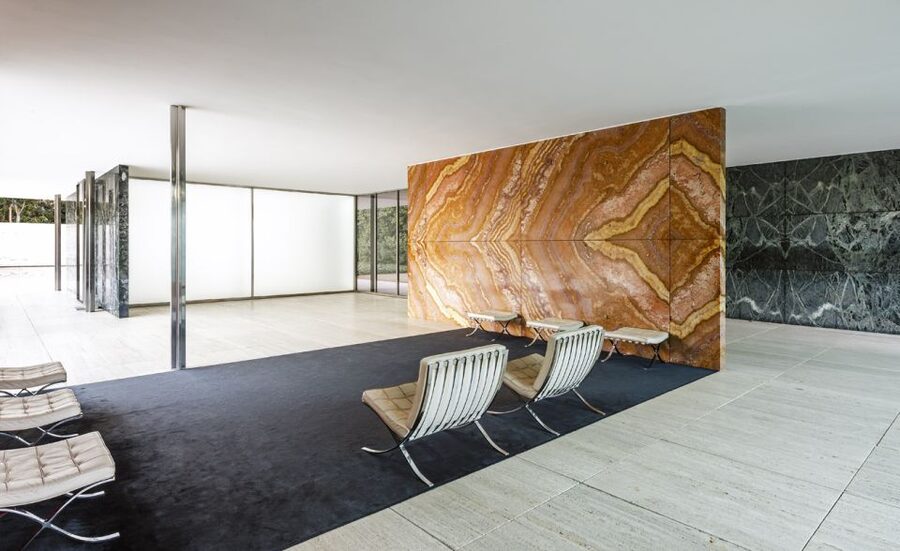
Book it if you appreciate clean design, modern architecture, quiet spaces, and carefully chosen materials. The $10 price is reasonable when the audio guide and architectural importance matter to you, especially if you want a calm break from busier Barcelona sights.
Skip it if you need a large attraction with lots of rooms, elaborate decoration, or a long program. The pavilion is intentionally minimal, and some people will feel the visit is too brief for a paid ticket.
For the right visitor, this is a sharp, focused experience. You see a building that helped shape modern architecture, learn why it was rebuilt in 1986, and get time to look closely at the relationship between stone, glass, water, and space. Just confirm the opening hours, arrive on time, and check that your chosen audio language is available at entry.
FAQ
Where is the Mies van der Rohe Pavilion located?
The pavilion is in Barcelona, in Catalonia, Spain. It stands on its original site from the 1929 Barcelona International Exhibition.
Who designed the pavilion?
Mies van der Rohe and Lily Reich designed the pavilion as the German national pavilion for the 1929 Barcelona International Exhibition.
What does the ticket include?
The ticket includes entrance to the Mies van der Rohe Pavilion and an audio guide.
Which languages are available for the audio guide?
The audio guide is available in Spanish, Catalan, English, French, and German.
How much does admission cost?
The listed price is $10 per person.
How long is the ticket valid?
The ticket is valid for one day. Available starting times depend on the schedule shown when you check availability.
Was the pavilion rebuilt?
Yes. The original pavilion was dismantled after the 1929 exhibition and reconstructed on its original site. It reopened in 1986.
Is the pavilion wheelchair accessible?
Yes, the experience is listed as wheelchair accessible.
Can I bring food or drinks inside?
No. Food and drinks are not allowed inside the pavilion. Smoking, pets other than assistance dogs, and tripods are also not allowed.
Can the pavilion’s appearance change?
Yes. The pavilion sometimes hosts artistic interventions, which can alter its appearance. Opening hours may also change, so check current details before visiting.
New audio tours around Barcelona
- Self-Guided Audio Tour-The Surrealist Barcelona of Dalí and Gaudí★ 3.5 · 8 reviews
- Barcelona Self-Guided Audio Tour★ 3.0 · 6 reviews
- Palau de la Musica Catalana Admission Ticket with Audioguide★ 4.5 · 246 reviews
- Self-Guided Audio Tour – Legends of the Gothic Quarter★ 4.5 · 6 reviews
- Montjuïc Cable Car Entry Voucher with Audio Tour on Your Phone★ 3.5 · 37 reviews
- Montjuic Park Walking Tour with Audioguide on Your Smartphone★ 3.0 · 4 reviews
- Self-Guided Audio Tour of Barcelona City★ 3.0 · 2 reviews
- Sagrada Familia Skip The Queue With Audio Guide Tour★ 4.5 · 20 reviews
Barcelona Audio Tours, compared.
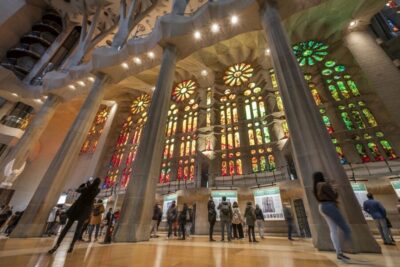
Barcelona: Sagrada Familia Entry Ticket with Audio Guide
Read our review →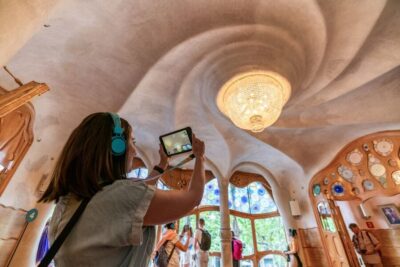
Barcelona: Casa Batlló Entry with Self-Audioguide Tour
Read our review →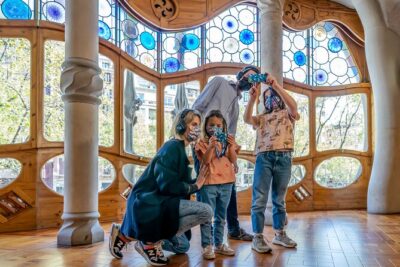
Casa Batllo Admission Ticket with Intelligent Audio Guide
Read our review →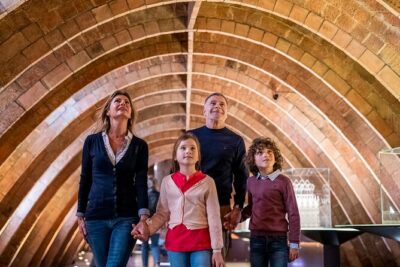
La Pedrera-Casa Mila Admission Ticket with Audioguide
Read our review →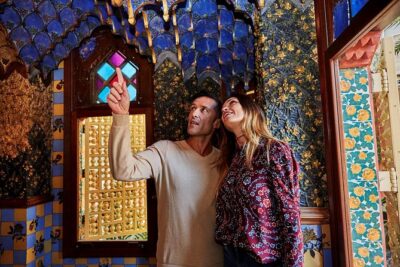
Gaudi´s Casa Vicens Skip the Line Ticket with Audioguide
Read our review →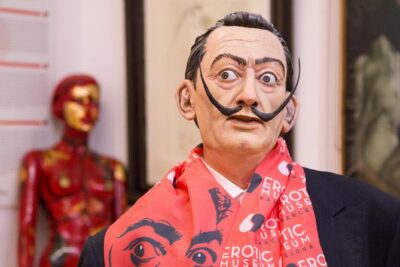

Barcelona: Montjuïc Cable Car Ticket with Audio Guide
Read our review →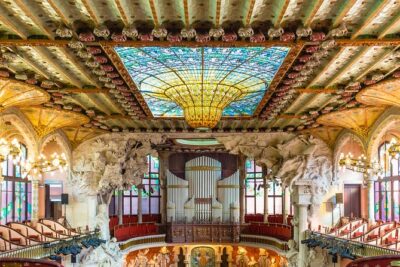
Palau de la Musica Catalana Admission Ticket with Audioguide
Read our review →Browse the lists this tour appears in