
Review · SPAIN
Nerja: Caves of Nerja Entry Ticket with Audio Guide
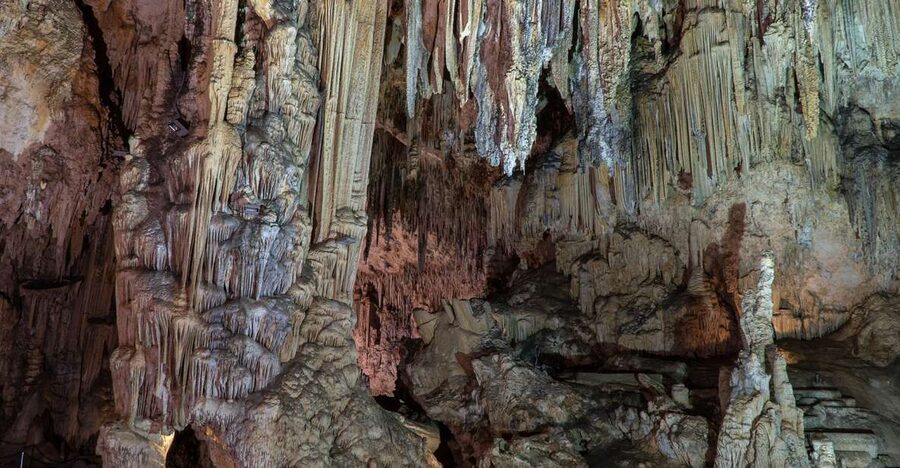
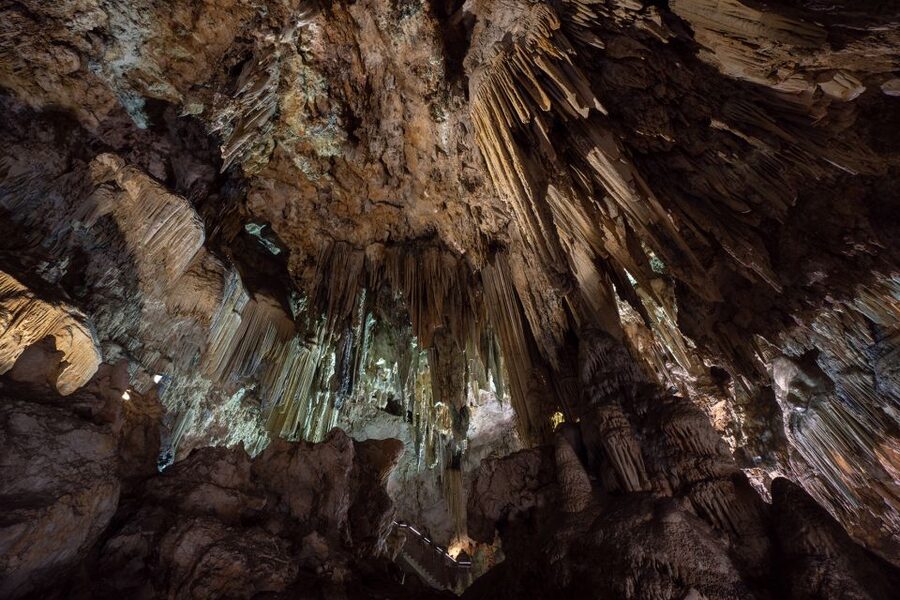
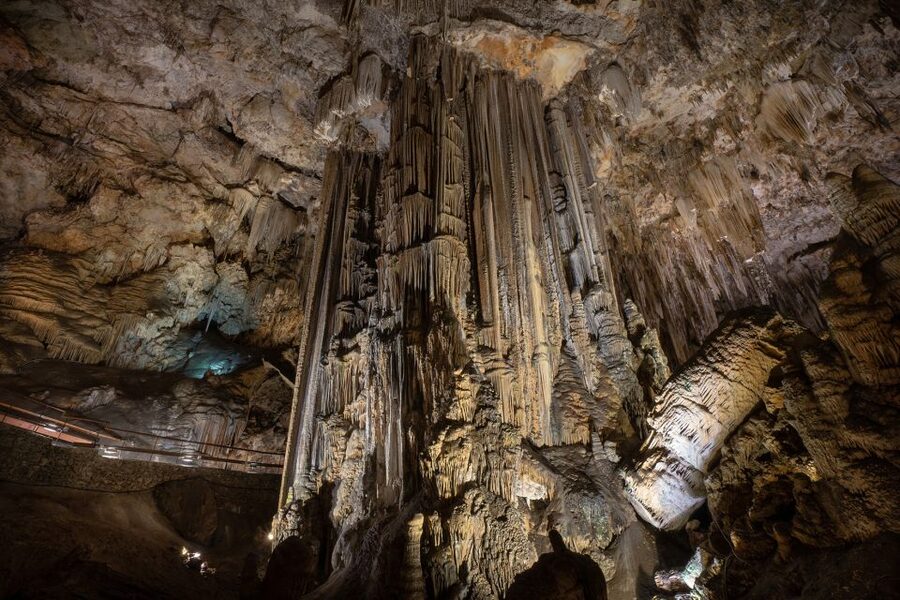
The biggest surprise here is the sheer scale of the Nerja Caves. This is not a quick peek into a narrow hole in the ground. You walk through enormous chambers where rock formations rise from the floor, hang from the ceiling, and sometimes meet to form towering columns.
I like the freedom of the mobile audio guide, since you can stop for photos and listen at your own pace. I also like the value: for $18, you get the cave entry, museum, and 360º virtual reality room. The main catch is practical rather than scenic: you need to download the audio app properly, and the route includes many stairs, so it is not suitable for wheelchair users or people with limited mobility.
Key points to know before you go
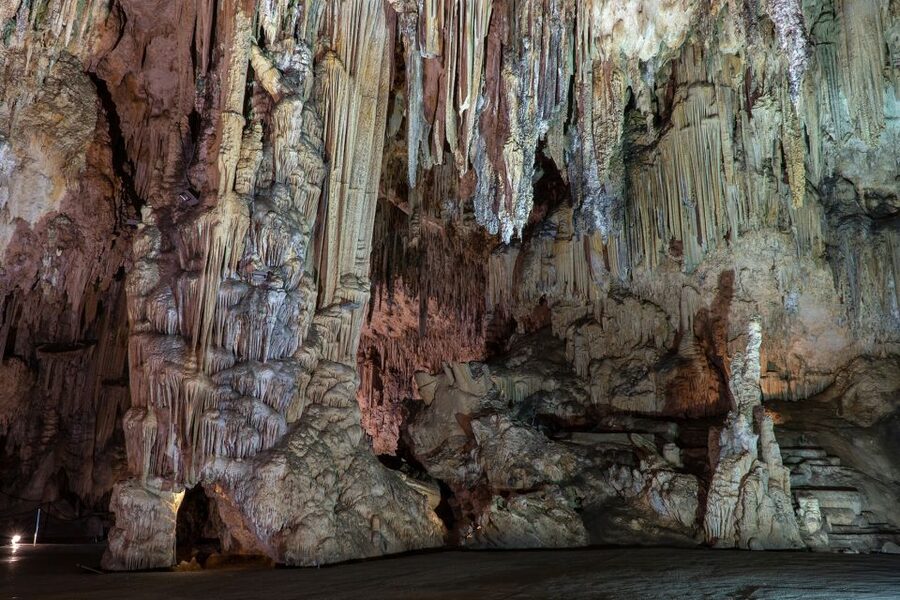
- The Cataclysm Room is the star of the visit: This huge chamber contains the world’s largest column, formed where a stalactite and stalagmite joined.
- The audio guide works through your phone: Download the app before arriving, use Wi-Fi if possible, and bring earbuds.
- The cave route includes many steps: The exit alone may involve about 100 steps, according to on-site experience shared by visitors.
- Your ticket covers three experiences: You get the caves, Nerja Museum, and a 360º virtual reality presentation.
- Early entry makes a difference: Quieter time slots allow you to pause and look upward without feeling rushed.
- The cave paintings are not easy to see: Their protection means some artwork is not lit, while the museum gives you a better chance to understand the archaeological side.
Why the Nerja Caves are worth your time
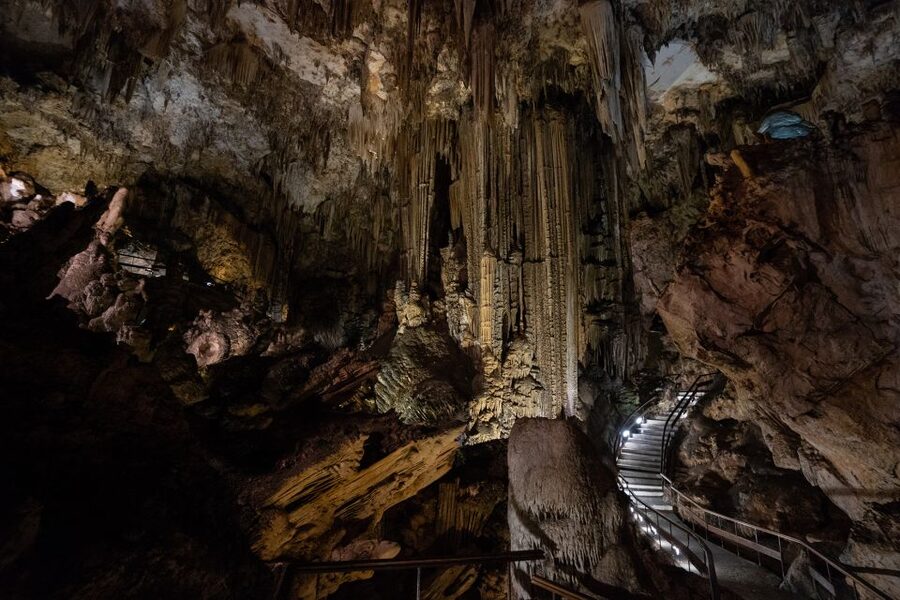
The Caves of Nerja are one of Andalusia’s most impressive natural sights, and the reason becomes clear within minutes of entering. The passage opens into chambers far larger than most people expect. Instead of simply walking past a few pretty formations, you move through a long sequence of spaces shaped over an immense period of time.
The ticket is valid for one day, with entry based on the time you select. Once inside, the route is self-guided. That arrangement suits me better than a large group tour here because the cave is a place for quiet observation. You can stop beneath a curtain of mineral deposits, listen to the next audio section, and continue when you are ready.
The overall rating is 4.6 from 1,616 bookings, and that matches the strongest parts of the experience: the scale of the chambers, the freedom to set your own pace, and the amount included for the price. The drawbacks are also clear. The mobile guide can be fiddly if you have not prepared it, and the stair-heavy route rules out some visitors.
More audio tours around Spain:
- Barcelona: Sagrada Familia Entry Ticket with Audio Guide
★ 4.6 · 105,312 reviews - Barcelona: Casa Batlló Entry with Self-Audioguide Tour
★ 4.7 · 25,359 reviews - Granada: Alhambra Entry Ticket with Audio Guide
★ 4.1 · 5,950 reviews
Entering the cave and finding your rhythm
You begin with the entrance process and then follow a marked walkway into the cave. The path is maintained, with handrails and lighting, though one visitor felt some sections could use brighter illumination. This is still a natural cave, not a brightly lit theme-park attraction, so watch your footing and give your eyes time to adjust.
The audio guide uses numbered points along the route. At each one, you listen to information about the chamber, the rock formations, and the way the cave developed. I recommend looking for the station numbers rather than simply walking and waiting for the commentary to start.
This is also where good preparation matters. The guide is available in English, Spanish, German, Arabic, Chinese, French, Dutch, Italian, Japanese, Korean, Norwegian, Polish, Portuguese, Russian, and Swedish. Children’s audio is available in Spanish and English.
You will need the cave app on your phone. Several people had trouble because they tried to download or activate it after entering, when the signal was weak or unavailable. Download it before you go, test it on Wi-Fi, and bring your own earbuds. The guide may not work well on speaker, and headphones make the visit quieter for everyone around you.
The audio is useful because it gives shape to what you are seeing. Without it, you can still admire the formations, but the numbered explanations help you notice why one chamber looks different from the next. Some people listen to every section. Others use it only at the largest rooms and spend the rest of the time in silence.
The Cataclysm Room and the giant column
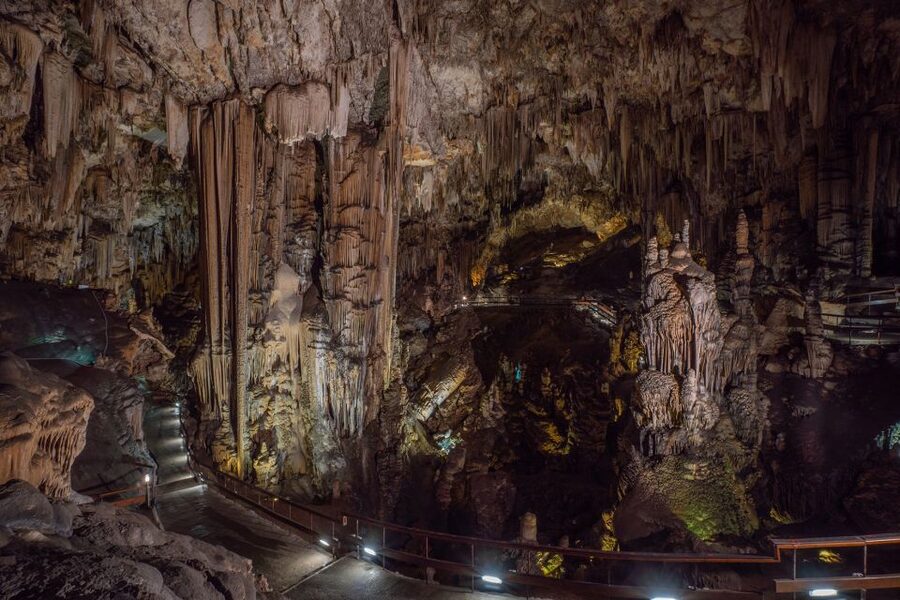
The route builds toward the Cataclysm Room, the largest and highest chamber open to the public. This is the point where the cave’s size becomes most striking. Look up before moving on. The ceiling rises high above the walkway, and the formations seem to continue far beyond the areas visitors can reach.
The famous column is the centerpiece. It formed when a stalactite growing down from the ceiling met a stalagmite rising from the floor. The result is a single immense formation, often described as the largest column in the world.
It is easy to rush through this room because the walkway keeps moving and the cave contains so much to see. I would pause here for several minutes. Take in the height first, then look at the smaller details around the main column. The cave’s drama comes from both the giant forms and the fine edges, ripples, and layers built up across the rock.
Photography is possible, though the low light can make it difficult. You may get better results by holding your phone steady and avoiding digital zoom. Flash photography is not the point here, and protecting the cave matters more than getting a perfect image.
What the cave reveals about the distant past
The Nerja Caves are not just a geological attraction. They also contain archaeological and biological evidence connected with human activity and natural change. Exploration and excavation have taken place since the cave was discovered in 1959, and some sections remain closed to protect them.
The audio guide refers to paintings that may date from the time of Neanderthals. The important word is may, since the dating and interpretation of ancient art can be complex. You should not expect a gallery of clearly visible drawings along the public walkway.
In practice, the paintings are hard or impossible to see inside the cave. Lighting them more strongly would contribute to their deterioration, so the site keeps many areas dark. That can feel disappointing if you arrive expecting obvious prehistoric artwork, but it is the right tradeoff for preservation.
The museum helps fill that gap. It gives you a clearer way to understand the people, finds, and story connected to the caves. If archaeology interests you, do not treat the museum as a quick extra. One visitor felt it deserved at least two hours, though your own visit may be shorter depending on how closely you read the displays.
The cave itself gives you the physical experience of the setting. The museum gives you more context. Taken together, they turn a pretty underground walk into a visit with a stronger sense of human time and scientific discovery.
Same sights, a different narrator:
- Casa Batllo Admission Ticket with Intelligent Audio Guide
★ 4.5 · 3,168 reviews - Madrid: Las Ventas Bullring Tour with Audio Guide
★ 4.6 · 3,154 reviews - Cordoba: Mosque-Cathedral E-Ticket with Audio Guide
★ 4.1 · 2,895 reviews - Madrid: Prado Museum Ticket with In-App Audio Guide
★ 3.6 · 1,154 reviews
The museum and virtual reality room
The Nerja Museum is included with your ticket and is worth visiting even if your main reason for coming is the rock formations. It offers a more accessible way to understand the caves’ past, especially the archaeological material and the cave art that is difficult to see underground.
The museum also gives your eyes a break from the dim, humid cave. I would visit it either before or after the cave, depending on the entry instructions and your timing. If you are visiting with children, the museum may help them connect the formations with the people who once used or explored these spaces.
The final extra is the 360º virtual reality room. It presents life on Earth 35,000 years ago from a first-person viewpoint. The experience is short compared with the cave visit, but it adds a modern layer to the archaeological story.
This is more than a decorative add-on. The cave can make the distant past feel abstract because you are looking at stone and darkness. The virtual reality presentation gives that period a human frame and helps younger visitors stay engaged. Some people may find it less essential than the cave itself, but it is included in the ticket, so I would make time for it.
How long should you allow?
The official activity is valid for one day, not limited to a fixed guided-tour duration. Inside the cave, a quick walk can take less than 30 minutes, while a careful visit with frequent stops can last an hour or two.
That difference matters. If you simply follow the route, take a few photos, and keep moving, you can finish quickly. If you use every audio stop and study the chambers, the experience becomes much more rewarding.
I would allow at least two hours for the complete visit, including the cave, museum, and virtual reality room. Add more time if you want to sit at the café, enjoy the views, or visit the gardens and children’s play area mentioned by several visitors.
The time of day also changes the feel. Early entry is a smart choice. The cave is easier to enjoy when the route is quieter, and you are less likely to feel pushed along by people behind you. The timed entry system helps control crowd levels, but choosing an early slot gives you the best chance of a calm visit.
Temperature, clothing, and the stairs
The advice to bring a jacket needs a little judgment. Conditions inside are humid and can feel warm, especially as you walk and climb. Some people were comfortable without a sweater, while others appreciated having a light layer.
A thin jacket is still sensible because temperatures can feel different underground, and you may cool down while listening at the audio stops. Avoid heavy clothing. Wear comfortable shoes with a secure grip, since the route contains stairs and sloping walkways.
The cave is not suitable for wheelchair users or people with limited mobility. You should also think carefully about your stamina if stairs are difficult. One visitor described roughly 100 steps straight up while exiting, and other parts of the route include regular stair sections.
This is not a flat museum visit. If you are able to walk comfortably but dislike stairs, take your time and use the handrails. If you have a serious mobility limitation, the museum and virtual reality elements may still be of interest, but the full cave experience will not be practical.
Getting there, parking, and the views above ground
The Caves of Nerja are outside the center of Nerja, in the direction of Maro. Follow the road signs rather than relying only on a map pin, since one visitor found that navigation directions led the wrong way during the final part of a walk.
You can reach the caves on foot from Nerja, but the walk can take around 45 minutes and includes a steep hill near the Maro roundabout. A red tourist train also connects Nerja with the caves for a small additional fee, according to information from visitors.
If you drive, check the parking arrangements and any charges before setting out. Parking was one of the few value complaints attached to the visit. The ticket price itself is low, but a paid car park can change the final cost of the outing.
The site also has a café or terrace restaurant with broad views toward Nerja and the Mediterranean. This is a useful place to recover after the stairs. The gardens and play area make the site more practical for families, especially if some members want to linger outdoors after the cave.
Is $18 good value?
At $18 per person, this is a strong-value ticket if you plan to use all three parts of the visit. The cave alone would justify much of the price for anyone interested in geology or large natural sights, while the museum and virtual reality room add useful context without another admission charge.
The value is even better if you spend time rather than treating it as a 30-minute stop. The audio guide costs you nothing extra, but only helps if you prepare the app and bring earbuds. The same applies to the museum and virtual reality room. They are included, but you need to make room for them in your day.
The ticket is less attractive if you only want a quick look and have no interest in the museum or virtual reality presentation. It is also poor value for someone who cannot manage the stairs, since the cave route is the main reason to book.
Who should book this experience?
I would recommend it to families, couples, independent sightseers, and anyone who enjoys natural wonders with a little archaeological context. Children can find the scale exciting, and the virtual reality room gives the visit a clear modern finish.
It also works well on a rainy day or when you need a break from the coast. The cave offers a completely different setting from the sunny streets and beaches around Nerja.
I would think twice if you dislike enclosed spaces, have limited mobility, or expect to see clearly lit prehistoric drawings. The cave paintings are part of the story, but they are not the visual centerpiece. The formations, chambers, and giant column are what you will actually experience.
Should you book the Nerja Caves ticket?
Yes, I would book it if you can handle stairs and want a self-guided visit rather than a fixed group tour. The enormous chambers are the main attraction, and the combination of audio guide, museum, and virtual reality makes $18 a sensible price.
Book an early time slot, download the app before leaving Wi-Fi, and bring earbuds. Allow at least two hours, wear comfortable shoes, and keep your expectations realistic about the cave art. With those details sorted, the Nerja Caves make a memorable and practical addition to an Andalusian itinerary.
FAQ
How much does the Nerja Caves ticket cost?
The listed price is $18 per person.
How long is the ticket valid?
The ticket is valid for one day. You should check the available starting times when booking.
What does the ticket include?
It includes entrance to the Nerja Cave, a mobile audio guide, a children’s audio guide in Spanish and English, entrance to the Nerja Museum, and the virtual reality room.
Is the audio guide available in English?
Yes. The audio guide is available in English, Spanish, German, Arabic, Chinese, French, Dutch, Italian, Japanese, Korean, Norwegian, Polish, Portuguese, Russian, and Swedish.
Do I need to download an app for the audio guide?
Yes. The audio guide works through a mobile app. Download it and test it before arriving, preferably while connected to Wi-Fi.
Should I bring headphones?
Yes. Bring earbuds or headphones so you can hear the guide comfortably without using your phone speaker.
Is the cave suitable for wheelchair users?
No. The activity is not suitable for wheelchair users or people with mobility impairments.
What should I wear and bring?
Wear comfortable clothes and shoes, and bring water. A light jacket is also sensible because conditions inside can feel humid and temperatures may vary.
Is the activity refundable if I cancel?
No. The activity has a non-refundable cancellation policy.
New audio tours around Spain
- Entrance to the Alhambra and Generalife with Audio Guide★ 3.5 · 38 reviews
- Alhambra Ticket with Audio Guide in Granada★ 3.5 · 151 reviews
- Montsacopa: An audio tour in the Volcano in the Centre of the City★ 4.5 · 3 reviews
- Mosque-Cathedral of Córdoba E-Ticket with Audio Guide★ 3.5 · 15 reviews
- Cádiz TukTuk Tour with Audio Guide★ 5.0 · 4 reviews
- Vejer de la Frontera: The White Pearl of Andalusia Audio Guide★ 5.0 · 2 reviews
- Bilbao Scavenger Hunt and Highlights Self Guided Audio Tour★ 4.5 · 4 reviews
- Self-Guided Audio Tour-The Surrealist Barcelona of Dalí and Gaudí★ 3.5 · 8 reviews
Spain Audio Tours, compared.
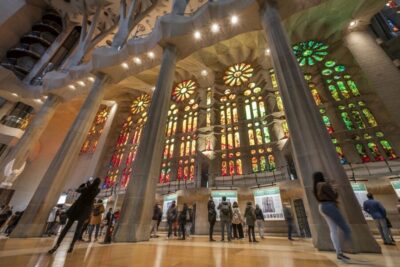
Barcelona: Sagrada Familia Entry Ticket with Audio Guide
Read our review →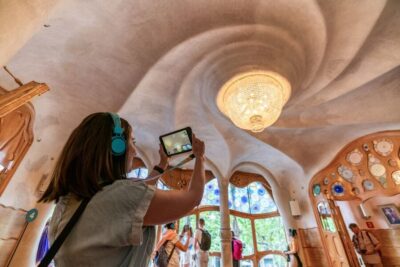
Barcelona: Casa Batlló Entry with Self-Audioguide Tour
Read our review →
Granada: Alhambra Entry Ticket with Audio Guide
Read our review →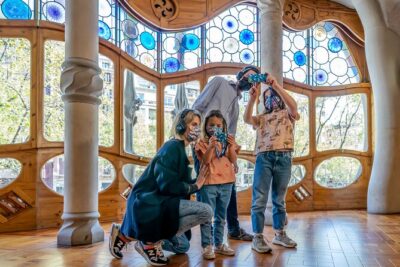
Casa Batllo Admission Ticket with Intelligent Audio Guide
Read our review →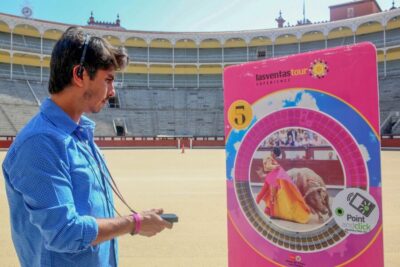
Madrid: Las Ventas Bullring Tour with Audio Guide
Read our review →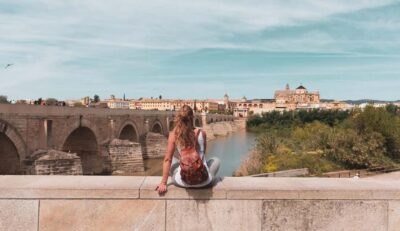
Cordoba: Mosque-Cathedral E-Ticket with Audio Guide
Read our review →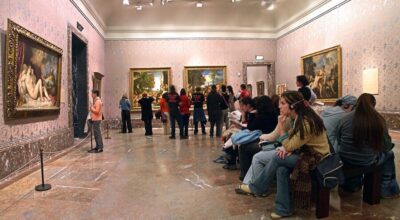
Madrid: Prado Museum Ticket with In-App Audio Guide
Read our review →
La Pedrera-Casa Mila Admission Ticket with Audioguide
Read our review →Browse the lists this tour appears in