
Review · ROME
Rome: Capuchin Crypts Guided Tour with Audio Guide Option
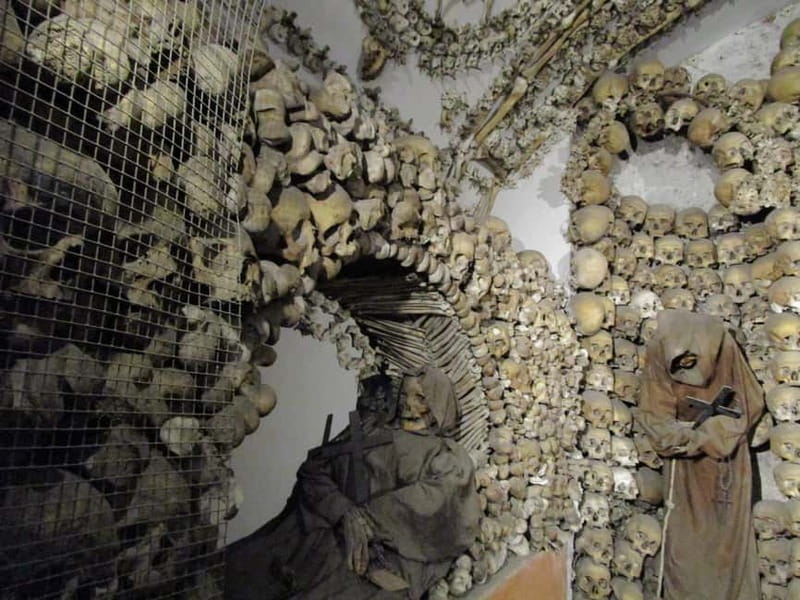
Beneath a church on Via Vittorio Veneto, the Capuchin Crypts turn human bones into symbolic art. Skulls, ribs, and complete skeletons decorate small chapels, but the visit is presented as a lesson in faith and mortality, not as a haunted-house spectacle. The Crypt of the Three Skeletons and the Crypt of the Skulls are the most striking rooms.
I like the short, focused format and the small groups of no more than 10 people. I also like the choice between a live English-speaking guide and an audio guide, with guides such as Ava and Luigi praised for clear explanations and good humor. The main drawback is value: at about $25, the visit is brief, and one person found tickets cheaper at the door when available.
Key points to know before you go
- The bones carry a message: The decorations reflect life, time, humility, and the belief that death comes for everyone.
- The visit lasts about an hour: You see the museum, several crypts, and the Mass Chapel without spending half a day underground.
- A live guide adds context: Guides including Ava and Luigi have been praised for clear stories, a good pace, and light humor.
- The audio guide is family-friendly: Its conversational style makes the history easier to follow at your own speed.
- Skip-the-line entry saves effort: Go directly to the crypt entrance with the tickets sent to you.
- Dress for a church: Shoulders and knees must be covered, and the site is not wheelchair accessible.
Why the Capuchin Crypts feel different from Rome’s usual sights
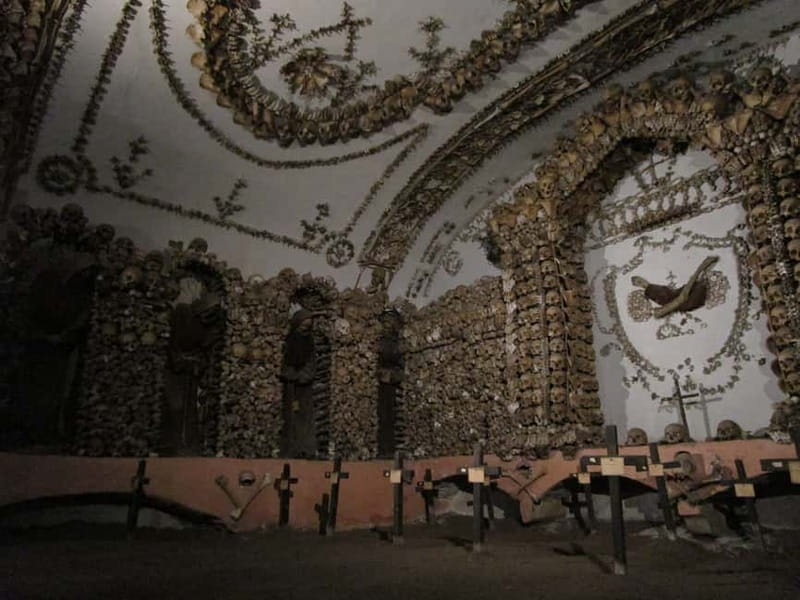
Rome gives you grand ruins, painted churches, and enormous museums. The Capuchin Crypts offer something smaller and more personal. The rooms are decorated with the bones of Capuchin monks, arranged into patterns and designs that ask you to think about the shortness of life.
That idea appears throughout the visit. The crypts are not built around a dramatic story or a famous work by one celebrated artist. Their force comes from the setting, the quiet, and the plain fact that the material on the walls once belonged to real people.
I find the experience most effective when you approach it with respect. The displays can feel morbid at first, especially in the Crypt of the Skulls and the Crypt of the Resurrection. Yet the message is less about fright than humility. You are being reminded that worldly status and physical beauty do not last forever.
This tone also makes the visit suitable for older children who can handle the subject. The explanations are described as family-friendly, and several guides use gentle humor to make the history less heavy. Still, you know your family best. A child who dislikes skeletons or religious sites may not enjoy it.
More audio tours around Rome:
- Rome: Colosseum & Forum with Audio Guide App -Optional Arena
★ 4.2 · 24,770 reviews - Rome: City Sightseeing Hop-on Hop-off Bus with Audioguide
★ 4.0 · 16,045 reviews - Rome: St. Peter’s Basilica & Dome Entry Ticket & Audio Tour
★ 4.2 · 7,537 reviews
Starting on Via Vittorio Veneto
The meeting point is at Via Vittorio Veneto, 27, with the crypts located beneath the Church of Santa Maria della Concezione dei Cappuccini. You go directly to the entrance rather than waiting in the ticket line, then show the tickets sent to you.
This is a useful arrangement in central Rome, where even a short queue can disrupt a tightly planned day. The skip-the-line benefit is simple rather than dramatic: you are not paying for a long guided outing, but you avoid one small piece of waiting and go straight into the museum.
Take a moment to check your clothing before arrival. Shoulders and knees must be covered, although long shorts reaching the knees are acceptable. A visitor who arrived without suitable coverage reported that the site offered a paper-like cover-up, but it is wiser to dress correctly from the start.
The crypts are not wheelchair accessible. That point matters because the visit includes underground rooms and should not be treated as an easy stop for every mobility level.
The Capuchin Museum sets the scene
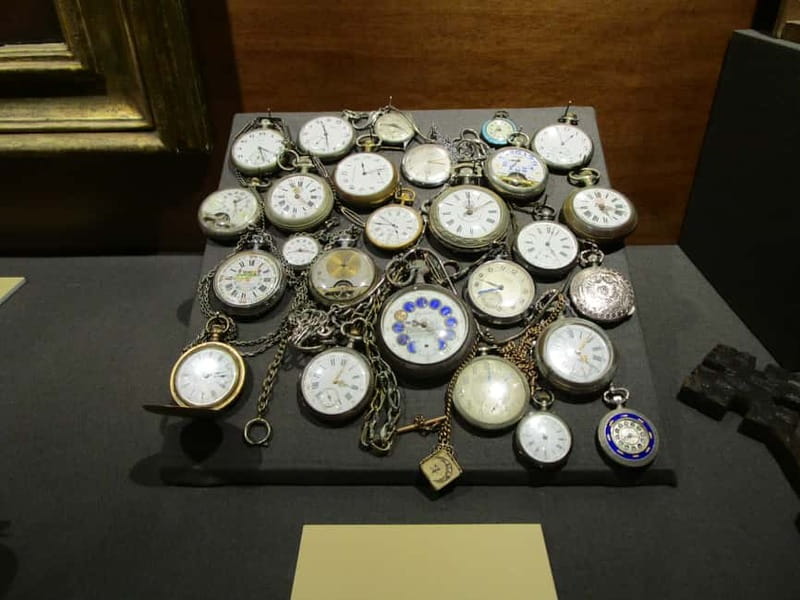
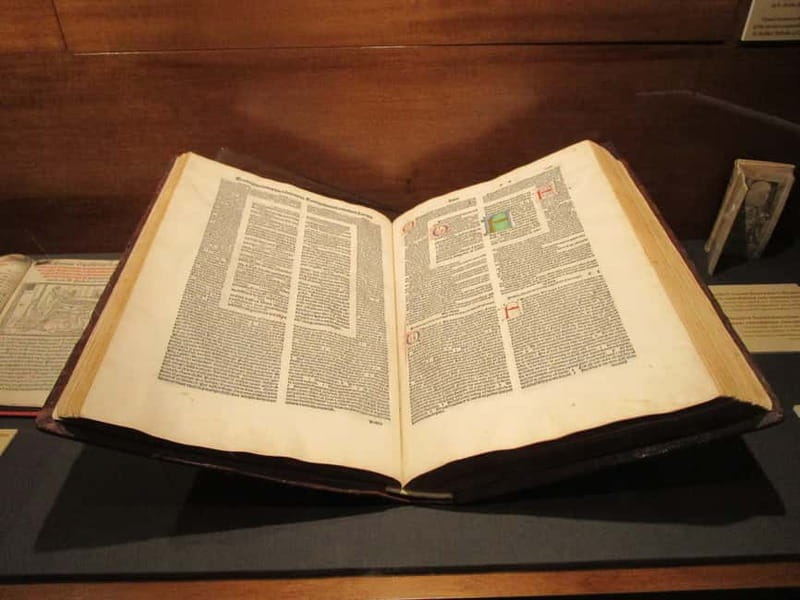
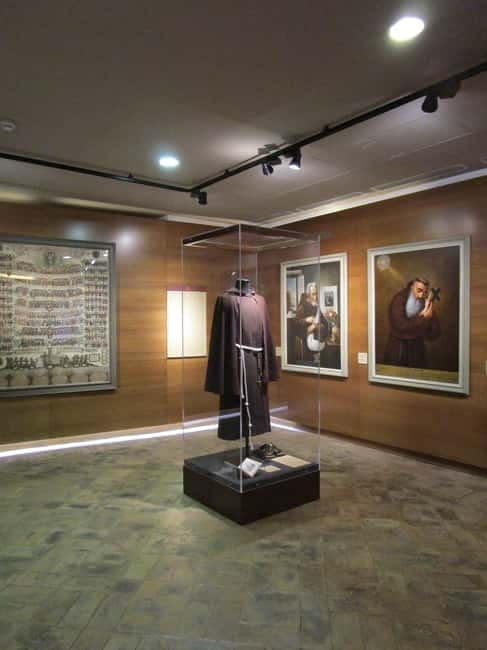
The visit begins with the Capuchin Museum rather than the bone rooms. This is a smart order. Without some background, the crypt decorations can seem like a collection of unusual objects. The museum gives you the religious and historical setting needed to understand them.
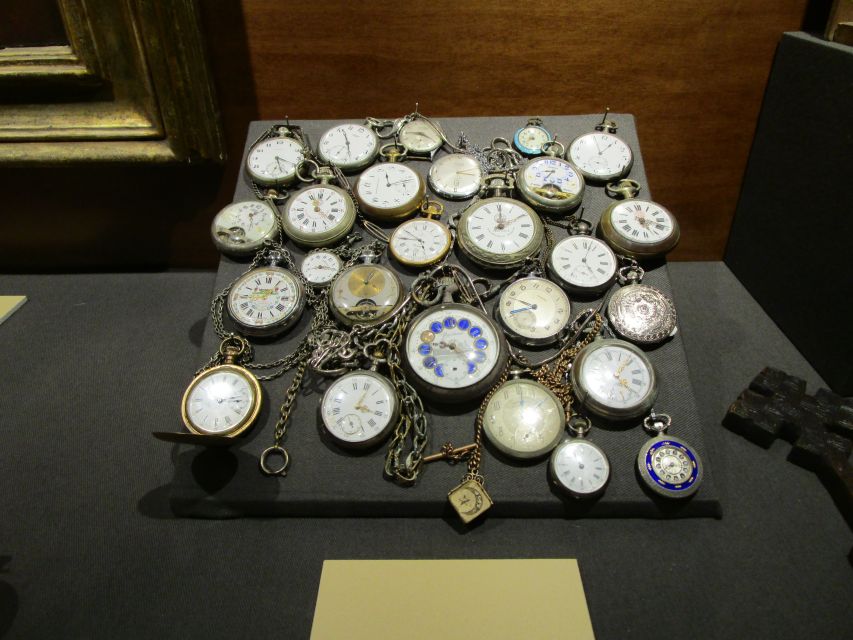
You learn about the Capuchin Order, its origins, its spiritual outlook, and the role of the monks connected with the church. The museum also helps show that the crypts are part of a living religious tradition, not an isolated curiosity created simply to attract attention.
The visit moves at a steady pace. One guide described by name, Luigi, was praised for keeping his explanations short while still covering the important points. That balance matters in a compact museum. Too much detail would make the first section feel like homework, while too little would leave you staring at displays without context.
A guide may also add small stories and observations that an audio track cannot adjust to in the moment. If your group has questions, a live guide gives you someone to ask. Guides such as Ava have been described as friendly, clear, and able to make visitors feel included.
The Crypt of the Three Skeletons
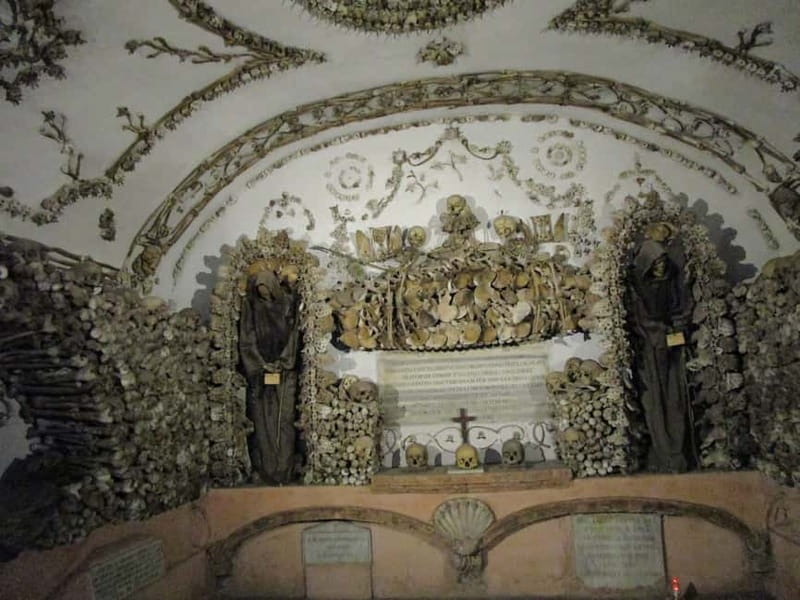
The Crypt of the Three Skeletons is one of the first rooms that gives the visit its emotional weight. The name tells you what to expect, but the arrangement is more symbolic than theatrical. The skeletons are part of a visual lesson about mortality and the passing of time.
This is where the phrase tempus fugit, meaning time flies, becomes especially fitting. The visit repeatedly returns to the idea that human life is temporary. You may find the effect thoughtful, unsettling, or both.
The small scale of the rooms helps. You are not walking through a huge hall filled with thousands of remains. Instead, you move from one intimate chapel to another, with each space using bones in a different arrangement. The quiet setting encourages reflection, even when a guide adds a joke to keep the atmosphere from becoming too grim.
That humor is one of the most praised parts of the guided option. Several guides have been described as funny without losing respect for the subject. This is a difficult balance, but it works well for a short tour. The humor gives you a moment to breathe, then the guide can return to the history and symbolism.
Same sights, a different narrator:
- Colosseum, Roman Forum & Palatine Hill with Audioguide App
★ 4.4 · 6,291 reviews - Vatican & Sistine Chapel Ticket with Optional Audio Guide
★ 4.1 · 5,405 reviews - Rome: Castel Sant’Angelo Entry Ticket & Digital Audioguide
★ 4.7 · 5,347 reviews - Rome: Castel Sant’Angelo Entry Ticket & Audio App
★ 4.3 · 4,952 reviews
The Crypt of the Skulls and other bone chapels
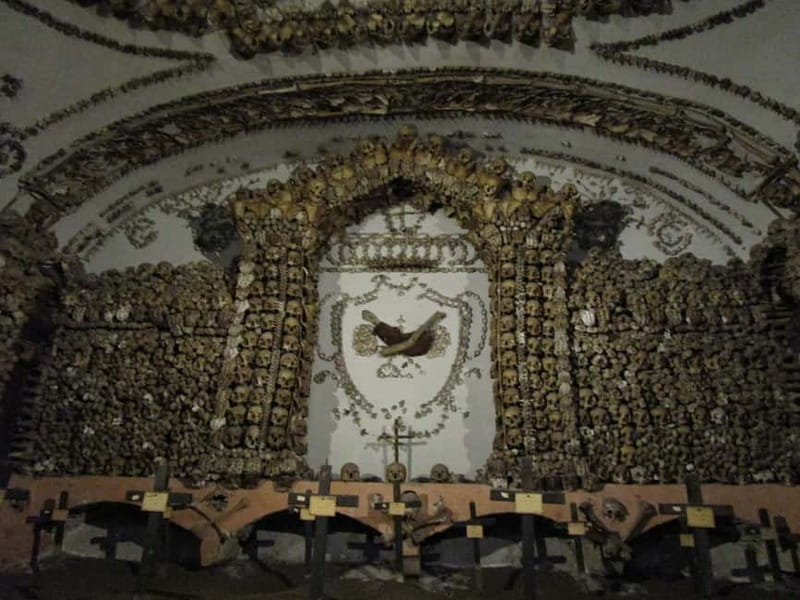
The Crypt of the Skulls makes the central idea more direct. Skulls are arranged as decoration, and the room asks you to confront death without turning it into entertainment. You may want to pause here, but the tour keeps moving so that the experience does not become overwhelming.
Other rooms include the Crypt of the Resurrection and additional small chapels decorated with bones. Each one contributes to the larger message about humility, faith, and the temporary nature of the body.
Do not expect a long list of individual biographies. The emphasis is on the Capuchin tradition and the meaning of the designs. The guide or audio program helps you read the rooms as religious art, even though the materials are unusual.
I like that the visit does not try to make the crypts seem more sensational than they are. The bones are real, and the subject is serious, but the presentation is calm and educational. If you are hoping for a spooky attraction with dramatic effects, you may find the experience too restrained. If you want a distinctive cultural site with something to say, it has more to offer.
The Mass Chapel and the final part of the visit
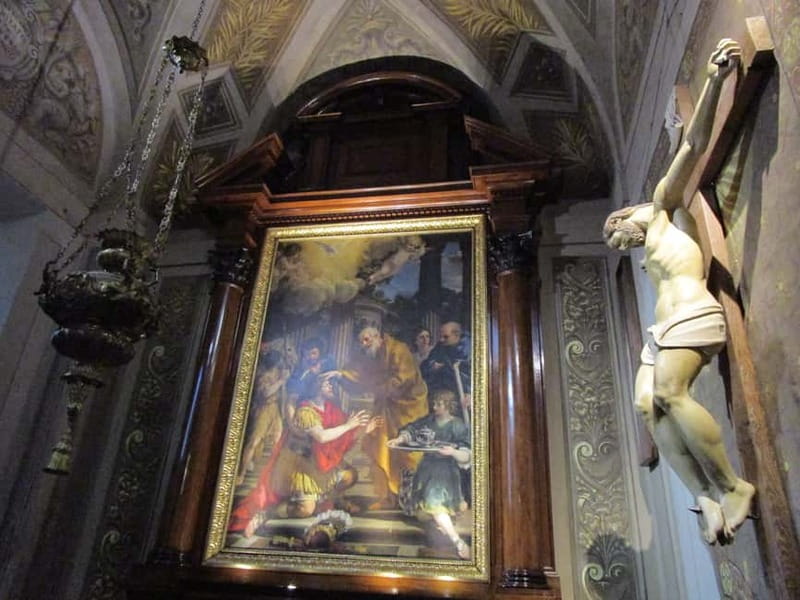
The Mass Chapel provides a more traditional religious setting within the crypt complex. After the bone-decorated rooms, it helps bring the visit back to worship and reflection.
This stop also makes clear that the crypts are connected to a church, not simply a museum of remains. Religious visitors may find that especially meaningful, while those with no religious background can still appreciate the chapel as part of the site’s purpose.
The full route takes about 50 minutes to one hour. That is long enough to give the place proper attention, but short enough to fit before another Rome activity. You finish at the Capuchin Crypt, with the visit ending at the same site where it began.
The compact length is one of the strongest practical features. Many major Rome sights demand several hours and leave you tired. This one offers a focused change of pace. The trade-off is that $25 can feel high if you measure value only by minutes inside the building.
Choosing a live guide or audio guide
The guided option is the best choice if you want the meaning of the crypts explained as you go. A good guide can point out details, answer questions, adjust the pace, and add warmth to a serious subject.
The most frequently praised guides include Ava and Luigi, along with Slobodan and other English-speaking guides. Their styles may differ, but the useful qualities are similar: clear English, strong knowledge of the monks and crypts, friendly delivery, and a good sense of timing.
A live guide also helps families. One guide was praised for keeping an eight-year-old interested through a mix of history and jokes. That does not mean every child will enjoy the subject, but a warm presentation can make a major difference.
The audio guide gives you more independence. Once inside the museum, you receive the audio guide, and its conversational format presents the information as a relaxed exchange between an older returning visitor and a younger educated speaker. That approach sounds less formal than a standard recorded lecture.
Choose the audio option if you prefer to listen quietly, avoid a fixed speaking style, or want a lower-key visit. Choose the live guide if you value questions, personal stories, and help noticing small details. At this site, I would pay extra for the guide if the price difference is modest, because the context changes how you read the rooms.
Does the small group improve the experience?
The maximum group size is 10 people. That is small enough for a guide to speak to the whole group without needing to shout, and it gives you a better chance of asking a question.
A small group also suits the crypts themselves. The chapels are intimate, so a large crowd would work against the quiet mood. With fewer people, you can hear the explanations and move through the rooms at a steady pace.
Do not expect a private tour. Ten people is still a group, and the crypts have limited space. The benefit is not solitude. It is a more personal format than a large walking tour, with less chance of losing the guide in a crowded room.
Is $25 a fair price?
At $25 per person, the experience sits in the moderate range for a short Rome activity. The price includes skip-the-line entry and either an English-speaking guide or an audio guide, depending on the option you select.
The value depends on what you want from the visit. If you only want to enter, look around, and leave, the short duration may make the price feel steep. One person specifically noted that tickets at the door could be cheaper if available, so you may want to compare prices before booking.
The organized option becomes more worthwhile when you value a guaranteed time, direct entry, and clear explanations. A live guide can also save you from leaving with only a vague impression of bones on walls. The historical and religious context is the point of the visit.
The flexible booking terms help reduce the risk. You can cancel up to 24 hours in advance for a full refund, and the reserve-now, pay-later option lets you hold a place without paying immediately. Availability and starting times should be checked for your date.
Who should book this visit?
I would recommend the Capuchin Crypts to anyone who has already seen several of Rome’s grand churches and wants something more unusual. It is also a good choice for people interested in religious art, mortality, monastic life, or the way older societies used visual symbols to teach.
Families can enjoy it if children are comfortable with skeletons and can behave respectfully in a religious setting. The clear explanations and occasional humor help, but this is not a playful attraction.
The visit also suits a tight schedule. Since it takes less than an hour, you can place it between other stops without giving up an entire morning. The location on Via Vittorio Veneto makes it an easy central Rome addition, though the supplied information does not include transport details from your hotel or other sights.
I would be more cautious if you dislike enclosed spaces, cannot manage stairs or underground access, or want a long museum visit. The crypts are compact, the subject is serious, and the site is not wheelchair accessible.
My practical verdict on the Capuchin Crypts
Book this tour if you want Rome to surprise you. The crypts offer a rare combination of art, religion, history, and plain human mortality, presented in a calm one-hour visit.
I would choose the guided option for a first visit, especially if Ava, Luigi, or another experienced English-speaking guide is available. The audio guide remains a sound choice for independent visitors and families who prefer a flexible pace.
The best reason to go is not the shock of seeing bones. It is the chance to understand why the Capuchins arranged them this way and what they hoped visitors would consider. Just dress properly, check accessibility, and decide if the convenience and explanation are worth $25 for a short but memorable stop.
FAQ
How long does the Capuchin Crypts experience last?
The visit lasts about 50 minutes to one hour, including the museum and crypts.
Where does the tour begin?
The starting location is Via Vittorio Veneto, 27. You go directly to the Capuchin Crypt entrance and show the tickets sent to you.
Where does the visit finish?
The experience finishes at the Capuchin Crypt.
Is skip-the-line entry included?
Yes. The activity includes a skip-the-ticket-line entry ticket for the Capuchin Crypts.
Can I choose between a guide and an audio guide?
Yes. You can book an English-speaking guide or an audio guide option. With the audio option, you receive the audio guide inside the museum.
Are children allowed?
The experience is presented in a family-friendly way, with explanations focused on history, faith, and symbolism. The subject includes human bones, so parents should decide if it suits their children.
What should I wear?
Your shoulders and knees must be covered. Long shorts that reach the knees are acceptable.
Is the Capuchin Crypt wheelchair accessible?
No. The site is not wheelchair accessible.
Can I cancel my booking?
You can cancel up to 24 hours in advance for a full refund. A reserve-now, pay-later option is also available.
New audio tours around Rome
- Rome: St. Peter’s Basilica and Dome Entry + Audio Guide★ 4.5 · 13 reviews
- St. Peter’s Basilica: Hosted Entrance & Digital Audioguide★ 4.1 · 35 reviews
- Sorrento & Pompeii Day Trip from Rome Audio Guide Tour★ 4.2 · 50 reviews
- Rome:St. Peter’s Basilica Hosted Entry + Official Audioguide★ 3.4 · 10 reviews
- Colosseum, Roman Forum, Palatine Hill access and AudioGuide★ 4.7 · 12 reviews
- Rome+Jubilee Audioguide – TravelMate app for your smartphone★ 4.2 · 38 reviews
- Rome:Ostia Antica Skip-the-line Ticket & Audioguide★ 4.3 · 11 reviews
- Rome: Vatican Museums & Sistine Chapel Entry with Audio App★ 4.3 · 240 reviews
Rome Audio Tours, compared.
Rome: Colosseum & Forum with Audio Guide App -Optional Arena
Read our review →
Rome: City Sightseeing Hop-on Hop-off Bus with Audioguide
Read our review →
Rome: St. Peter’s Basilica & Dome Entry Ticket & Audio Tour
Read our review →
Colosseum, Roman Forum & Palatine Hill with Audioguide App
Read our review →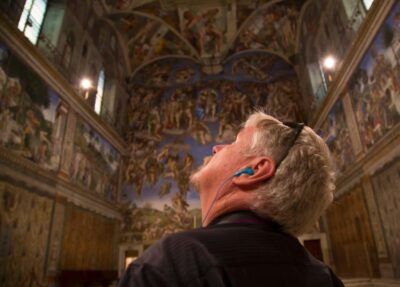
Vatican & Sistine Chapel Ticket with Optional Audio Guide
Read our review →
Rome: Castel Sant’Angelo Entry Ticket & Digital Audioguide
Read our review →
Rome: Castel Sant’Angelo Entry Ticket & Audio App
Read our review →
Rome: Hop-on Hop-off Sightseeing Bus Tour with Audioguide
Read our review →Browse the lists this tour appears in