
Review · ROME
Rome: Castel Sant’Angelo Ticket & Audio Guide
Castel Sant’Angelo began as Emperor Hadrian’s mausoleum nearly 2,000 years ago, then became a fortress, papal refuge, prison, and museum. That layered past is the main reason to visit. You move through Roman burial architecture, defensive rooms, courtyards, and papal spaces before reaching the top, where the view toward Saint Peter’s Basilica is the payoff.
I like the 18-point audio route, which gives the building a clear storyline instead of leaving you to guess what each stark room once did. I also like the extra Vatican-area audio walk, especially the chance to connect the castle with the Bridge of Sant’Angelo and Saint Peter’s Basilica.
The main concern is technical. Some bookings have had trouble activating the audio guide, including missing QR codes, app failures, and language problems. Bring your own headphones, download the guide before you arrive, and keep your ticket and identity document ready.
Key points at a glance
- A mausoleum turned fortress: See how Hadrian’s tomb became one of Rome’s most useful military and papal strongholds.
- The Archangel Michael legend: Learn why the angel statue on top is linked to the end of Rome’s plague in 590.
- A rooftop view toward Saint Peter’s: The terrace offers one of the best visual connections between the castle and the Vatican area, although rain or special events can close it.
- 18 audio stops in eight languages: Commentary is available in English, Italian, French, German, Portuguese, Polish, Spanish, and Chinese.
- A second audio walk outside: The Vatican stroll adds commentary about nearby sights without requiring another admission ticket.
- Good value only if the audio works: The $30 price is reasonable for entry, two audio experiences, and the freedom to move at your own pace, but app trouble can spoil the deal.
Why Castel Sant’Angelo is more than a castle

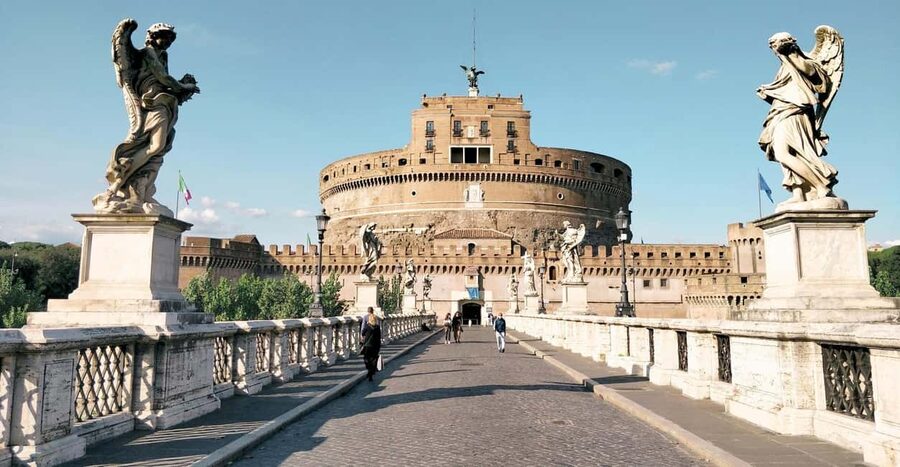
Castel Sant’Angelo is easy to underestimate from the street. Its great cylindrical bulk looks like a fortress, but the original purpose was grander and more peaceful. Emperor Hadrian built the mausoleum as an imperial tomb, and the building was later adapted to meet Rome’s changing needs.
The audio guide follows that transformation in a useful order. You start with the Roman Empire, then move through the castle’s military role, its connection with the popes, its use as a prison, and its present life as a museum.
That sequence matters. Without it, Castel Sant’Angelo can feel like a collection of ramps, chambers, and thick walls. With it, the building becomes a record of Rome’s practical habit of reusing old monuments.
You are not joining a live guide or a fixed group. This is a self-guided visit, so you can pause the commentary, move ahead, or spend longer at a view. That flexibility suits people who dislike being hurried. It also means you need to manage the route yourself and pay attention to the audio prompts.
More audio tours around Rome:
- Rome: Colosseum & Forum with Audio Guide App -Optional Arena
★ 4.2 · 24,770 reviews - Rome: City Sightseeing Hop-on Hop-off Bus with Audioguide
★ 4.0 · 16,045 reviews - Rome: St. Peter’s Basilica & Dome Entry Ticket & Audio Tour
★ 4.2 · 7,537 reviews
Entering the mausoleum of Hadrian

The earliest part of the story begins with Hadrian’s mausoleum, built almost 2,000 years ago. The original Roman purpose gives the whole visit a strong starting point: this was not first designed as a palace or a prison, but as a monumental tomb.
You will hear how the building’s identity changed over time. Its position beside the Tiber made it useful for defense, while its heavy construction gave later rulers a solid base for military and political control.
I find this first stage especially helpful if you have already seen Rome’s ancient monuments. Castel Sant’Angelo shows a different side of Roman building. It was not simply preserved as an old relic. It was repeatedly altered and put to work.
The audio guide is at its best here because the bare stone does not always explain itself. The commentary gives you a reason to look at the circular form, the massive walls, and the structure’s connection with the rest of the city.
The angel on the roof and the plague legend
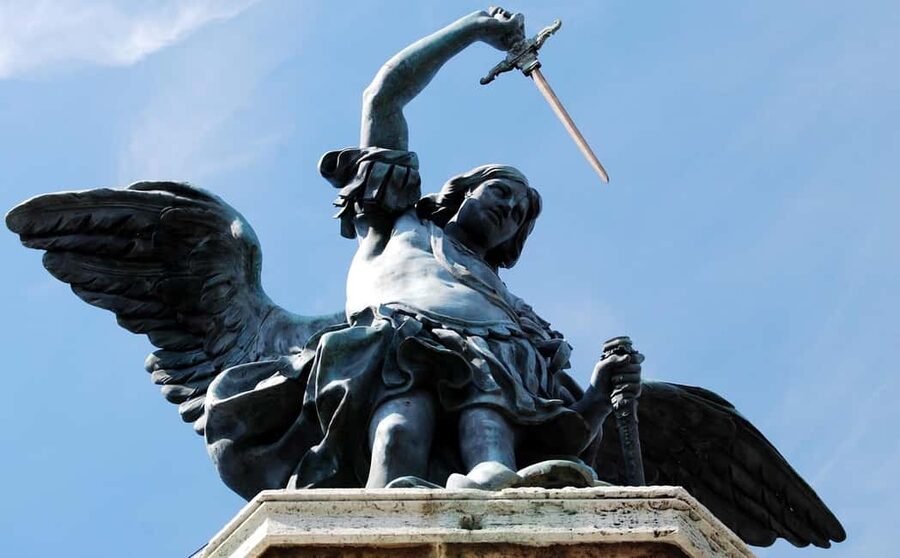
The castle’s name comes from the Archangel Michael. According to legend, Pope Gregory the Great saw the archangel standing above the mausoleum in 590, signaling that the plague afflicting Rome had ended.
That story is linked to the statue on top of the building. It helps explain why the castle is called Castel Sant’Angelo rather than simply the Mausoleum of Hadrian.
You can photograph the elegant angel statues and, if the terrace is open, enjoy the broad view from above. The rooftop is one of the most memorable parts of the visit because it lets you see the castle as part of Rome rather than as a sealed historical object.
The terrace is not guaranteed. Rain or special events can prevent access, so do not buy this experience only for the highest view. The castle still offers plenty to see inside, but the rooftop is an important part of the attraction’s appeal.
Papal refuge, noble residence, and military fortress
As Rome’s political needs changed, Castel Sant’Angelo became a defensive stronghold. It also housed popes and noble families, giving the building a more complicated character than a standard military fort.
The audio commentary helps connect these functions. You hear about the shift from imperial tomb to castle, then about the people who used its rooms and defenses.
This is where the visit becomes especially useful for understanding the Vatican area. Castel Sant’Angelo is close to Saint Peter’s Basilica, and its role was tied to the protection and power of the papacy. The separate Vatican-area audio tour adds more context about the nearby sights.
Do not expect the Vatican stroll to replace a visit inside Saint Peter’s Basilica. It is a self-guided audio experience about the area, with commentary on sights including the basilica and the Bridge of Sant’Angelo. Think of it as an outdoor companion to the castle, not an admission ticket to other attractions.
Same sights, a different narrator:
- Colosseum, Roman Forum & Palatine Hill with Audioguide App
★ 4.4 · 6,291 reviews - Vatican & Sistine Chapel Ticket with Optional Audio Guide
★ 4.1 · 5,405 reviews - Rome: Castel Sant’Angelo Entry Ticket & Digital Audioguide
★ 4.7 · 5,347 reviews - Rome: Castel Sant’Angelo Entry Ticket & Audio App
★ 4.3 · 4,952 reviews
Prison stories and the Tosca connection
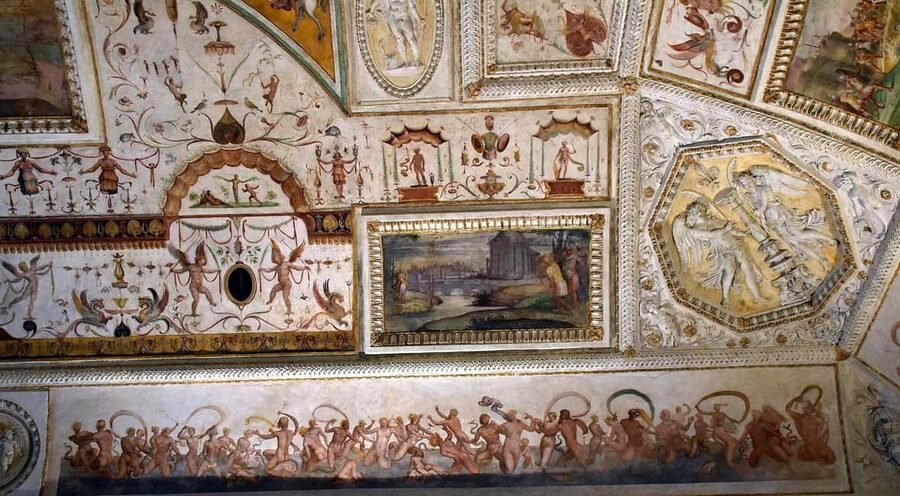
Castel Sant’Angelo also served as a prison. That history gives the visit a darker edge, particularly when you reach the courtyard associated with executions.
The connection with Puccini’s opera Tosca adds a memorable cultural detail. Characters in the opera are imprisoned here, linking the castle’s real setting with one of Italy’s best-known theatrical dramas.
You do not need to be an opera expert to appreciate this part. The story gives a human scale to a place that can otherwise feel dominated by stone, military architecture, and royal power.
The prison history also keeps the visit from becoming too polished. This was not only a place of grand rooms and papal authority. It was also a place of confinement and punishment.
How the 18-point audio guide works

The included commentary is digital, not delivered by a person on site. It is available in English, Italian, French, German, Portuguese, Polish, Spanish, and Chinese.
You need your own phone and headphones. A headset and mobile device are not included, so charge your phone before setting out and bring wired or wireless headphones that you know work well.
Before your visit, scan the QR code on your voucher to download the audio guide. The electronic ticket is sent through WhatsApp and is available for download within 24 hours of the travel date. Because the ticket is nominative, your name and other personal details are attached to the booking.
At entry, show the downloaded ticket and a valid identity document. Do not rely on a weak mobile connection at the entrance. Save the ticket to your phone if possible, and make sure you can open the audio guide before you arrive.
This preparation is not busywork. Some bookings have run into problems with the Vox City or Pop Guide apps, with codes failing to activate or the promised language not appearing. One particularly frustrating situation involved paying again at the castle for audio guides after the digital access failed. The experience can be excellent when the app works, but you should treat the download step as essential.
The Vatican-area audio walk
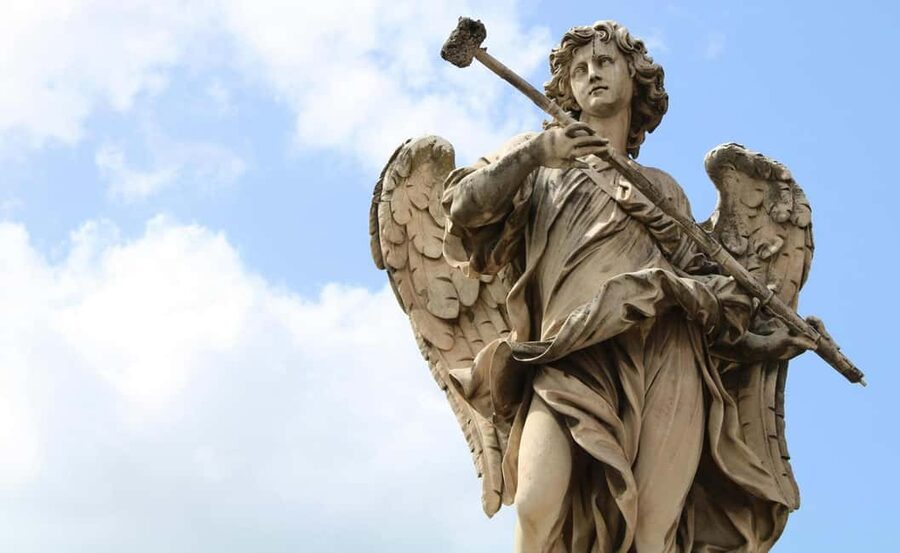
The second audio experience takes you beyond the castle itself. It covers the Vatican area, including the Bridge of Sant’Angelo and Saint Peter’s Basilica.
The bridge is especially relevant because it leads directly into the setting around the castle. Its angel statues and strong view toward the fortress make it one of the most recognizable approaches in Rome.
This extra commentary adds value to the ticket, but keep your expectations clear. It is a self-guided audio tour, not a live walking tour. The material is intended to help you understand the top sights around the Vatican area, not to provide entry to those sights.
I like having this second component because it extends the visit into the streets. You can listen before or after entering the castle and use it to connect the monument with the city around it. The exact timing is flexible, which is useful if you are building your own Rome itinerary.
Is $30 a fair price?
At $30 per person, this is not Rome’s cheapest museum entry. The listed standard admission to Castel Sant’Angelo is €16, while the castle audio guide is listed at €5 and the Vatican stroll audio guide at €4. Those figures suggest that the basic admission and audio services together can cost less than the package price.
That does not automatically make the package poor value. You are also paying for advance booking, a digital ticket, and a simple way to combine the castle with a Vatican-area audio walk. For some people, that convenience is worth the difference.
The value drops quickly if the audio guide fails. Since the experience is built around digital commentary, an app problem removes a major part of what you paid for. Check the voucher, download the app and guide early, and keep a record of the booking details.
Reduced and complimentary admission categories are also listed, so visitors who qualify for those rates should compare them with the package price before buying. The nominative ticket requirement means you cannot casually hand it to another person.
Time, pace, and practical comfort
The planned duration is two hours. That is enough for a focused visit through the principal audio stops, with time for photographs and the rooftop if it is open.
You may need longer if you listen to every segment carefully or stop often for views. You may need less if you move quickly and use the audio only at the points that interest you most.
The route includes historic spaces, courtyards, and elevated areas. This experience is not suitable for wheelchair users, so check that limitation before booking. The available information does not promise a fully step-free route.
Wear shoes that are comfortable for walking inside a large historic building. Bring headphones, and keep your phone accessible rather than buried in a bag. The castle is not a place where you want to spend half the visit troubleshooting a screen.
You can go directly to Lungotevere Castello, 50. There is no need to find a separate tour office or wait for a named guide. That direct entry is convenient, but it also means you are responsible for arriving with the correct ticket open and ready.
Who will enjoy this most?
I would recommend this experience to you if you like history in layers and prefer to set your own pace. It works well for independent visitors who want more explanation than a bare admission ticket provides but do not want to join a scheduled group.
It is also a good fit if you plan to visit the Vatican area. The castle, bridge, and basilica belong to the same part of Rome, and the additional audio walk helps you connect them.
Families with older children may appreciate the mix of emperor, angel, pope, prison, and opera stories. The building has enough variety to hold attention better than a single-period museum, although the digital format requires a working phone and some self-discipline.
I would hesitate if you need guaranteed accessibility, if you dislike app-based tours, or if the rooftop is the only reason you want to go. I would also compare prices carefully if you qualify for reduced or free admission.
Should you book Castel Sant’Angelo with the audio guide?
Book it if you want a flexible two-hour visit with a clear historical storyline, multilingual commentary, and an extra audio walk around the Vatican area. The best parts are the building’s dramatic change from mausoleum to fortress and the view toward Saint Peter’s Basilica.
Book with caution if you are not comfortable managing downloads and apps. Make sure the WhatsApp ticket arrives, scan the QR code before leaving, confirm your chosen language, and bring headphones. If the digital material is ready, $30 can be a fair convenience price. If it is not, the experience becomes much less attractive.
FAQ
Where is Castel Sant’Angelo?
Castel Sant’Angelo is at Lungotevere Castello, 50, in Rome’s Lazio region. You can go directly to the attraction with your downloaded ticket.
What does the ticket include?
The ticket includes entry to Castel Sant’Angelo, a digital audio guide for the castle, and a self-guided audio tour of the Vatican area.
Which languages are available?
Audio commentary is available in English, Italian, French, German, Portuguese, Polish, Spanish, and Chinese.
Do I need to bring headphones?
Yes. Headphones are not included, and you must use your own mobile device for the digital audio guide.
Is the rooftop terrace always open?
No. Rain or special events at Castel Sant’Angelo can prevent access to the terrace.
Is the experience suitable for wheelchair users?
No. The experience is not suitable for wheelchair users.
Can I cancel for a refund?
Yes. You can cancel up to 24 hours in advance for a full refund.
New audio tours around Rome
- Rome: St. Peter’s Basilica and Dome Entry + Audio Guide★ 4.5 · 13 reviews
- St. Peter’s Basilica: Hosted Entrance & Digital Audioguide★ 4.1 · 35 reviews
- Sorrento & Pompeii Day Trip from Rome Audio Guide Tour★ 4.2 · 50 reviews
- Rome:St. Peter’s Basilica Hosted Entry + Official Audioguide★ 3.4 · 10 reviews
- Rome+Jubilee Audioguide – TravelMate app for your smartphone★ 4.2 · 38 reviews
- Rome:Ostia Antica Skip-the-line Ticket & Audioguide★ 4.3 · 11 reviews
- Colosseum, Roman Forum, Palatine Hill access and AudioGuide★ 4.7 · 12 reviews
- Rome: Vatican Museums & Sistine Chapel Entry with Audio App★ 4.3 · 240 reviews
Rome Audio Tours, compared.
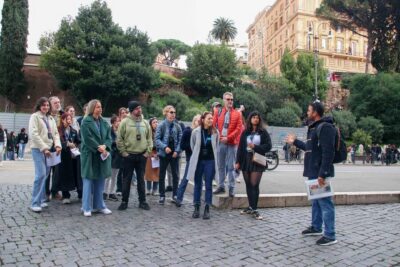
Rome: Colosseum & Forum with Audio Guide App -Optional Arena
Read our review →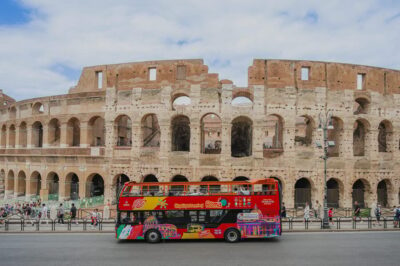
Rome: City Sightseeing Hop-on Hop-off Bus with Audioguide
Read our review →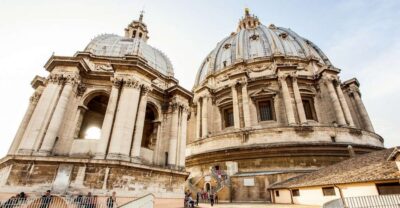
Rome: St. Peter’s Basilica & Dome Entry Ticket & Audio Tour
Read our review →
Colosseum, Roman Forum & Palatine Hill with Audioguide App
Read our review →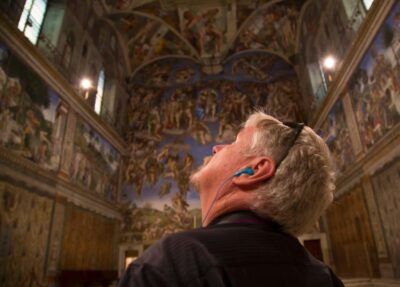
Vatican & Sistine Chapel Ticket with Optional Audio Guide
Read our review →
Rome: Castel Sant’Angelo Entry Ticket & Digital Audioguide
Read our review →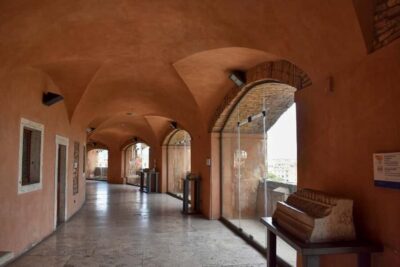
Rome: Castel Sant’Angelo Entry Ticket & Audio App
Read our review →
Rome: Hop-on Hop-off Sightseeing Bus Tour with Audioguide
Read our review →Browse the lists this tour appears in