
Review · ROME
Rome: Castle Sant’Angelo Ticket w/ audioguide option
Castel Sant’Angelo is one of Rome’s most unusual monuments: part ancient emperor’s tomb, part papal fortress, part prison, and part rooftop lookout. You enter on your own, so you can linger in the papal rooms, take the spiral staircase slowly, and spend time looking across the Tiber toward St. Peter’s Basilica.
I especially like the skip-the-line entrance and the freedom to set your own pace. That works well if you are visiting with older family members who need breaks. The main drawback is that no live guide is included, and the castle is not suitable for wheelchair users or people with mobility impairments.
Key points to know before you book
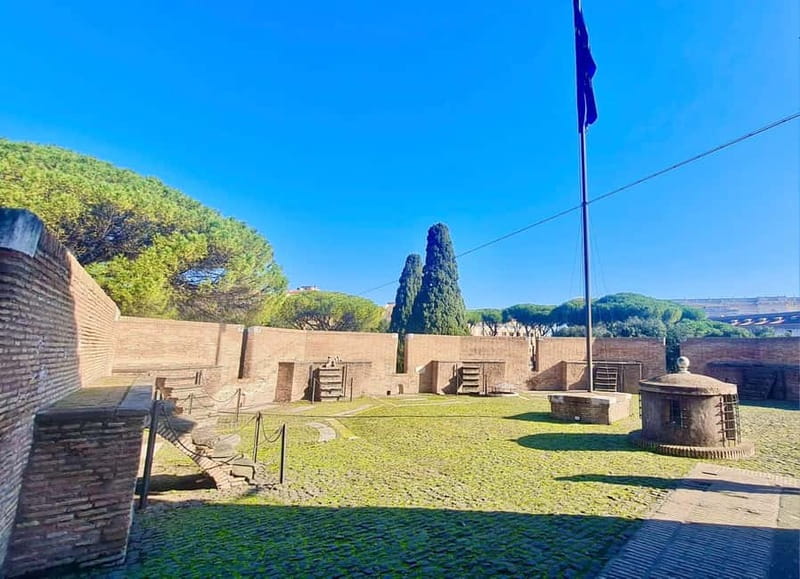
- A tomb turned fortress: The building began as the mausoleum of Emperor Hadrian in the second century AD.
- A self-guided visit: You explore the papal rooms, prison areas, spiral staircase, and rooftop without a live guide.
- A direct view of St. Peter’s: The terrace looks over Rome, the Tiber, and the dome of St. Peter’s Basilica.
- A famous escape route: The castle is linked to the Vatican by a secret passage known as the Passetto di Borgo, an element associated with Angels and Demons.
- An optional audio guide: Audio commentary can be added in English, French, Italian, or Spanish, but it is not part of the basic ticket.
- A strict meeting point: Find the host near the Angel Statue, directly in front of the entrance, looking for a light blue jacket or shirt.
Why Castel Sant’Angelo feels different from other Roman sights
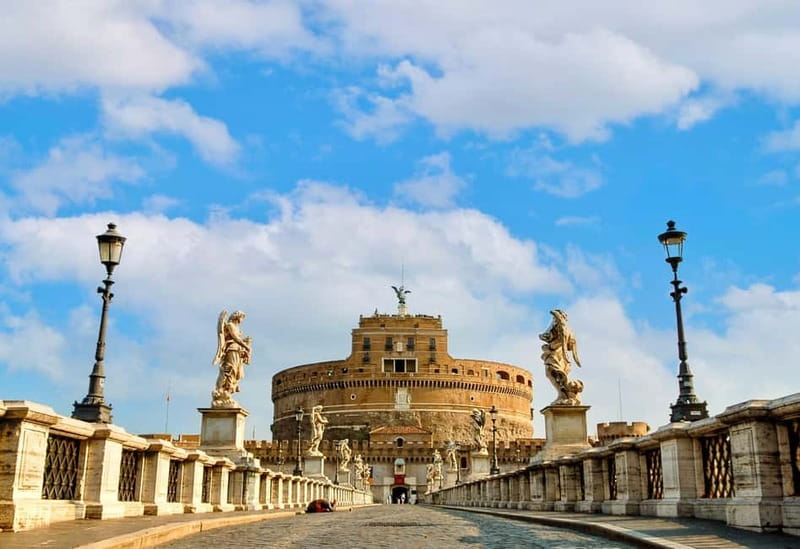
Many Roman monuments tell one main story. Castel Sant’Angelo keeps changing roles as you move through it. You begin with an imperial tomb, then encounter a defensive fortress, papal apartments, prison rooms, and finally a rooftop with one of the city’s best views.
That mixture gives the visit its appeal. I like places where the building itself explains how Rome changed over time, and this castle does that without requiring a long museum visit. The same thick walls that protected an emperor’s ashes later sheltered popes and held prisoners.
The castle was built as the tomb of Emperor Hadrian. His ashes, along with those of other imperial family members, are kept inside the monument. The structure dates to the second century AD, so its original purpose predates the papal rooms and military defenses by many centuries.
During the early Renaissance, the building became a papal fortress, prison, and execution site. That later history gives the interior a darker edge. You are not simply walking through an elegant palace. You are moving through a building used for power, protection, confinement, and escape.
More Castle and Palace Audio Tours in Rome:
- Lateran Palace Entry Ticket with Audio Guide
★ 3.1 · 16 reviews - Prague: Skip-the-line Castle Ticket and Optional AudioGuide
★ 4.3 · 11,121 reviews - Amsterdam: Royal Palace Entry Ticket + Audio guide
★ 4.6 · 7,889 reviews
Meeting the host near the Angel Statue
Your visit begins outside Castel Sant’Angelo. The meeting point is directly in front of the entrance, near the statue of the angel. Look for the local host wearing a light blue jacket or shirt.
This detail matters. The monument can be busy, and a clear landmark is more useful than a vague street address. I would arrive with your ticket ready and allow enough time to find the statue and host before your reserved entry time.
The host or greeter may speak English, French, Italian, Spanish, Portuguese, Norwegian, Thai, German, Polish, or Russian. This is assistance at the entrance, not a guided tour inside. Once you have entered, you visit independently.
The ticket uses a separate entrance for skip-the-line access. That can be valuable in Rome, where waiting outside a major monument can eat into your day. Skip-the-line does not mean you bypass every possible security or entry check, so keep your passport or ID card available.
What you see inside the former imperial tomb
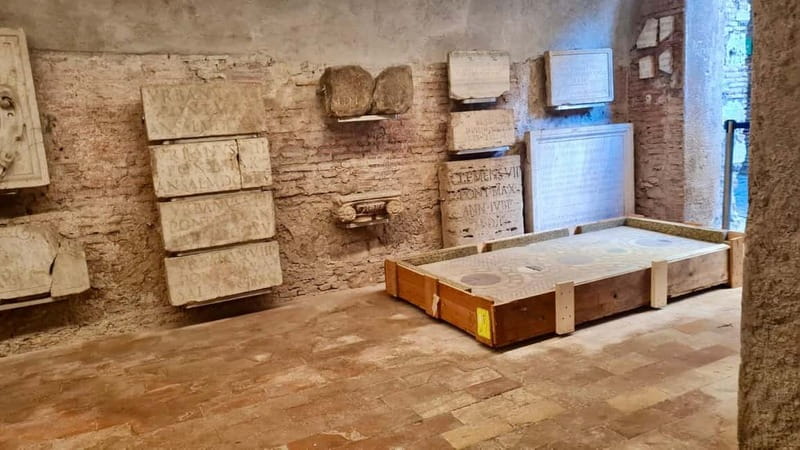
The first major point of interest is the castle’s original purpose. Hadrian’s mausoleum was designed as an imperial tomb, and the room associated with his ashes is part of the visit.
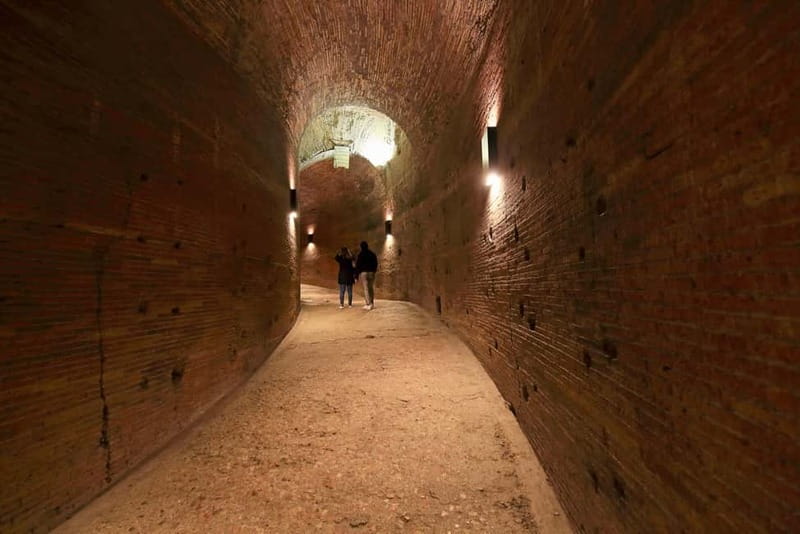
The transition from tomb to fortress is easy to understand as you move through the building. The heavy structure and enclosed spaces make sense once you remember that Castel Sant’Angelo was later used for defense. You can picture how useful a massive, secure building beside the Tiber would have been during periods of danger.
I would not rush through the early sections. The castle’s appeal comes from the contrast between the original imperial function and the later papal use. You can take in the building as an architectural object, but the visit becomes more interesting when you keep asking what each space was used for and who controlled it.
The papal rooms and the castle’s political side
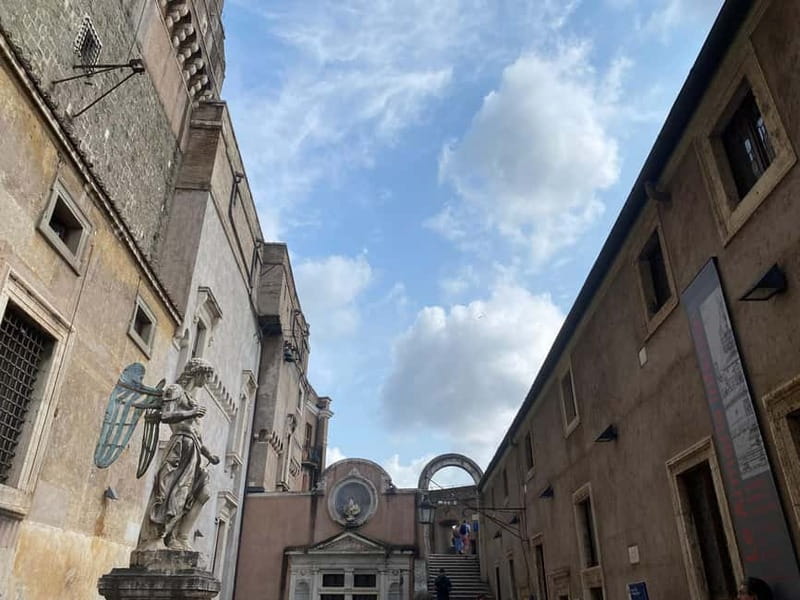
The papal rooms show the building’s transformation into a residence and stronghold for the papacy. These rooms are important because Castel Sant’Angelo was not only a military refuge. It also became a place where popes could live, work, and retreat when Rome was unsafe.
The special walkway connecting the castle with the Vatican Palace helped make that protection possible. The passage is associated with the story of popes running to the fortress when threatened. It also helped inspire elements of Angels and Demons, which has brought extra attention to the castle.
You should keep expectations sensible: this ticket does not include access to a live explanation of the passage or a film-style tour of the novel’s locations. You are visiting the monument itself. An audio guide may give you more context if you choose that option, but the supplied information does not include the audio guide in the standard ticket.
More audio tours around Rome:
- Rome: Colosseum & Forum with Audio Guide App -Optional Arena
★ 4.2 · 24,770 reviews - Rome: City Sightseeing Hop-on Hop-off Bus with Audioguide
★ 4.0 · 16,045 reviews - Rome: St. Peter’s Basilica & Dome Entry Ticket & Audio Tour
★ 4.2 · 7,537 reviews - Colosseum, Roman Forum & Palatine Hill with Audioguide App
★ 4.4 · 6,291 reviews
Prisons, famous prisoners, and the darker rooms
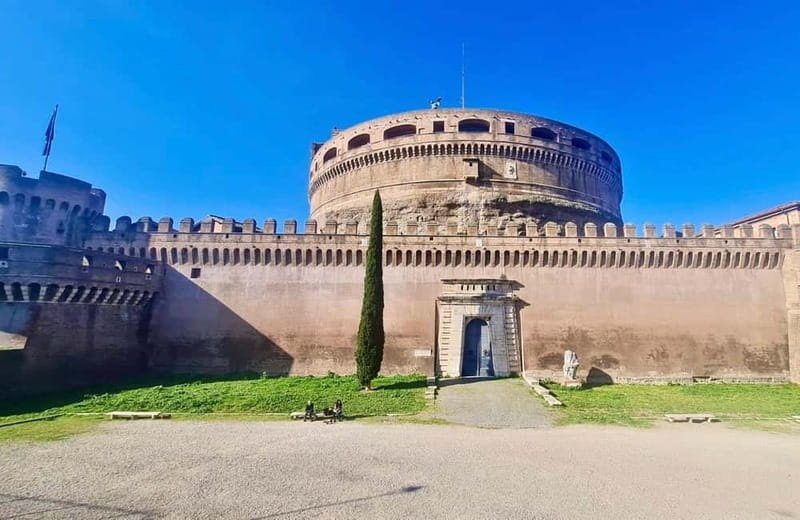
Castel Sant’Angelo’s prison history gives the visit its strongest human stories. The castle held famous prisoners, including the goldsmith Benvenuto Cellini and the charlatan Cagliostro.
Cellini is a particularly memorable name because he was an artist and goldsmith as well as a prisoner. Cagliostro, known here as a charlatan, adds another layer to the building’s reputation. These names remind you that the castle was not just a safe place for powerful people. It could also be a place of confinement.
The prison areas are likely to feel more severe than the papal rooms. I would take a moment to think about the contrast: papal apartments above or nearby, restricted cells elsewhere, and execution connected with the building’s history. The castle’s story is not polished or comfortable, and that is part of its value.
The spiral staircase and the changing pace of the visit
The spiral staircase is one of the key interior features. It gives you a physical sense of the building’s height and layered design. You are not simply moving from one flat room to the next. The route changes as you climb through the monument.
This is also where the visit may become tiring for some people. The experience is officially described as unsuitable for people with mobility impairments and wheelchair users. Baby strollers are not allowed, and the staircase makes the restriction especially important for families planning with very young children.
An older visitor may still enjoy the castle if they can manage the route and take breaks. The self-guided format helps because you are not tied to a group’s pace. A family can stop when needed, and one positive experience with this ticket involved parents who valued the freedom to take many breaks. Still, you should judge the physical demands honestly before booking.
The rooftop terrace and Rome’s best reward
The rooftop is the natural high point of the visit. From the terrace, you can look across Rome, along the Tiber, and toward the dome of St. Peter’s Basilica.
This view gives the monument a wider meaning. From inside, you see a fortress and former tomb. From above, you see how closely Castel Sant’Angelo relates to the Vatican and the surrounding city. The view helps you understand why the building mattered as a defensive position.
I would save enough time for the terrace rather than treating it as a quick final stop. The experience is valid for one hour according to the activity details, but that wording can refer to the ticket’s entry period rather than a guaranteed one-hour visit inside. Check the available start times carefully and confirm how the selected time applies when you book.
The rooftop is also where the self-guided format works best. You can pause without worrying about losing a group. Take in the dome, the river, and the city from different angles. The panoramic view is a strong reason to choose this monument instead of seeing it only from the outside.
Is the optional audio guide worth adding?
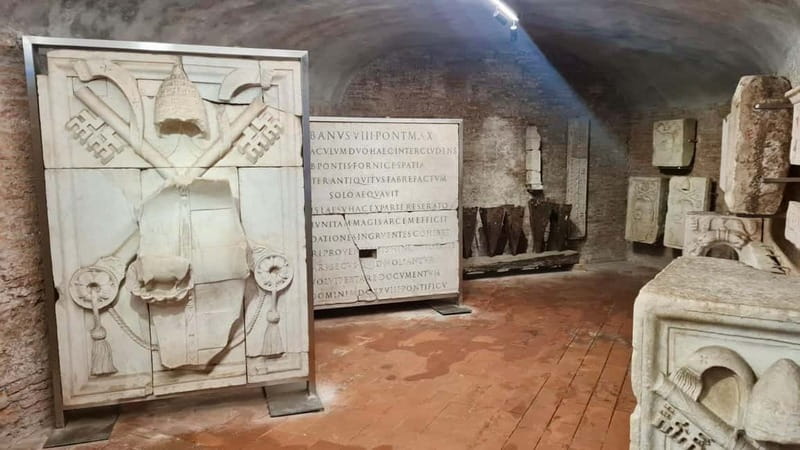
The basic ticket includes skip-the-line entry, but it does not include a live guide or audio guide. An optional audio guide is available in English, French, Italian, or Spanish.
I would consider the audio option if this is your first visit and you want more help connecting the rooms to the monument’s changing roles. The castle has several layers of history, and the audio commentary may help you understand the imperial tomb, papal fortress, prisons, and Vatican passage in a more orderly way.
If you prefer to move quickly, read the available information yourself, or focus mainly on the rooftop, you may be satisfied with entry alone. The ticket gives you access to the building, but you should not book it expecting a guided lesson from a historian.
The host’s multilingual welcome is useful at the entrance, but it should not be confused with a tour inside. If detailed interpretation is important to you, select the audio option in a language you understand.
What the $30 price gives you
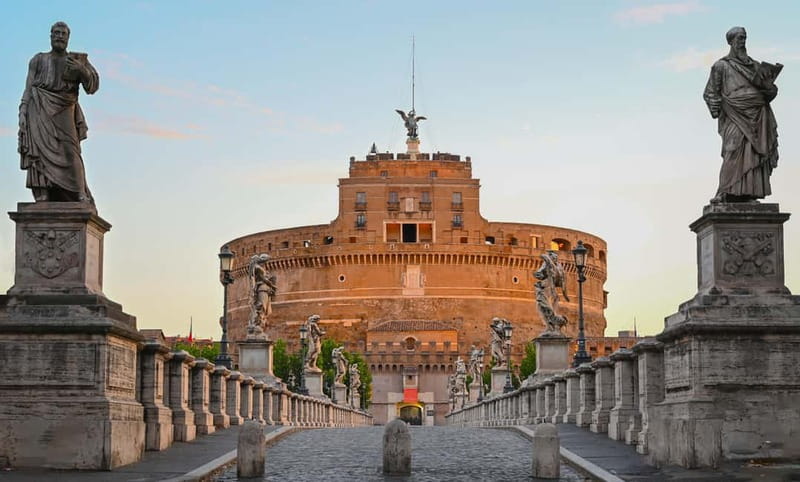
At about $30 per person, this is not Rome’s cheapest monument ticket. The value depends on what you want from the visit.
The price makes more sense if you care about avoiding a long entry queue and want the flexibility of exploring without a fixed group. The castle contains several distinct sections, and the rooftop view adds more than a simple interior museum visit. For a visitor with limited time in Rome, a direct entry arrangement can protect part of the day.
The value is weaker if you need a guide included in the price. The ticket does not cover a live guide, audio guide, or transportation. You are paying mainly for admission and skip-the-line access.
I would compare the ticket with your day’s plans. If you are already visiting the Vatican area, Castel Sant’Angelo fits naturally into the same part of Rome. If you must cross the city just for a short visit and do not care about the fortress or rooftop, the cost may feel less attractive.
Practical rules for a smoother visit
Bring your passport or ID card. The entry requirements specifically call for identification, so do not rely only on a phone image unless the provider confirms that it is accepted.
Large bags and luggage are not allowed. Weapons, sharp objects, alcohol, and drugs are prohibited. Pets cannot enter, though assistance dogs are allowed. Baby strollers are also not permitted.
Transportation is not included, so you arrange your own way to the castle and the meeting point. The activity ends back at the same meeting point after the independent visit.
The booking information gives two different cancellation deadlines: one says cancellation up to three days in advance for a full refund, while another says up to 24 hours before the tour. Because those terms conflict, I would check the exact conditions attached to your selected booking before paying.
If you need to change the entry time, contact the provider. Same-day rescheduling may be possible, but it must be arranged directly and is not something to assume.
Who should choose this Castel Sant’Angelo ticket?
I think this works best for you if you:
- Want to see a major Roman monument without joining a live group tour
- Prefer setting your own pace
- Need room for breaks during the visit
- Enjoy buildings with military, religious, and prison history
- Want a rooftop view of Rome and St. Peter’s Basilica
- Are comfortable managing stairs and uneven movement through a historic building
I would look for another arrangement if you need wheelchair access, a stroller-friendly attraction, included transportation, or a live guide. You may also prefer a longer guided visit if you want each room explained in detail.
Should you book it?
Book this ticket if skip-the-line entry, independent exploration, and the rooftop view are your main goals. Castel Sant’Angelo offers more variety than its plain exterior suggests, and the stories of Hadrian, the popes, Cellini, Cagliostro, and the Vatican passage give the visit real substance.
I would add the audio guide if you want historical context but do not need a personal guide. If you are traveling with older relatives who can manage the physical route, the flexible pace is a useful advantage. Just confirm the entry time, cancellation terms, and mobility limits before booking.
FAQ
Where is the meeting point?
Meet the host directly in front of the entrance near the Angel Statue. The host should be wearing a light blue jacket or shirt.
Is a live guide included?
No. The ticket includes skip-the-line entry only. A live guide is not included.
Is an audio guide included?
No. An audio guide is optional and is not included in the basic ticket.
Which languages are available for the audio guide?
The optional audio guide is available in English, French, Italian, and Spanish.
Which languages may the host or greeter speak?
The host or greeter may speak English, French, Italian, Spanish, Portuguese, Norwegian, Thai, German, Polish, or Russian.
How long is the activity?
The activity is listed as valid for one hour. Check the available starting times and the conditions for your selected entry time.
What identification should I bring?
Bring a passport or ID card.
Are bags and luggage allowed?
Luggage and large bags are not allowed. Weapons, sharp objects, alcohol, and drugs are also prohibited.
Can I bring a stroller or pet?
Baby strollers are not allowed. Pets are prohibited, although assistance dogs are allowed.
Is the castle suitable for wheelchair users?
No. The activity is listed as unsuitable for wheelchair users and people with mobility impairments.
Can I cancel for a refund?
The supplied booking information gives conflicting deadlines, listing both three days and 24 hours before the visit. Check the exact cancellation terms attached to your booking before confirming.
New audio tours around Rome
- Rome: St. Peter’s Basilica and Dome Entry + Audio Guide★ 4.5 · 13 reviews
- St. Peter’s Basilica: Hosted Entrance & Digital Audioguide★ 4.1 · 35 reviews
- Sorrento & Pompeii Day Trip from Rome Audio Guide Tour★ 4.2 · 50 reviews
- Rome:St. Peter’s Basilica Hosted Entry + Official Audioguide★ 3.4 · 10 reviews
- Colosseum, Roman Forum, Palatine Hill access and AudioGuide★ 4.7 · 12 reviews
- Rome+Jubilee Audioguide – TravelMate app for your smartphone★ 4.2 · 38 reviews
- Rome:Ostia Antica Skip-the-line Ticket & Audioguide★ 4.3 · 11 reviews
- Rome: Vatican Museums & Sistine Chapel Entry with Audio App★ 4.3 · 240 reviews
Rome Audio Tours, compared.
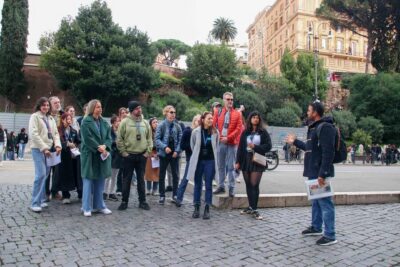
Rome: Colosseum & Forum with Audio Guide App -Optional Arena
Read our review →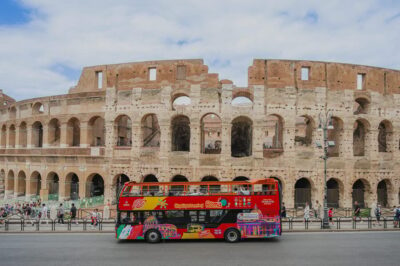
Rome: City Sightseeing Hop-on Hop-off Bus with Audioguide
Read our review →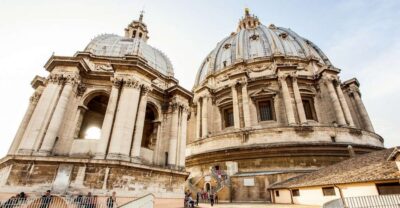
Rome: St. Peter’s Basilica & Dome Entry Ticket & Audio Tour
Read our review →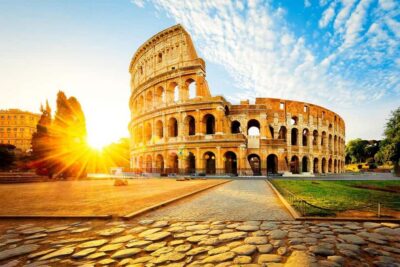
Colosseum, Roman Forum & Palatine Hill with Audioguide App
Read our review →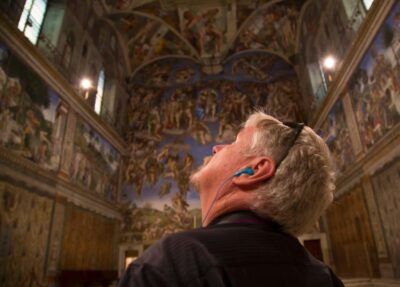
Vatican & Sistine Chapel Ticket with Optional Audio Guide
Read our review →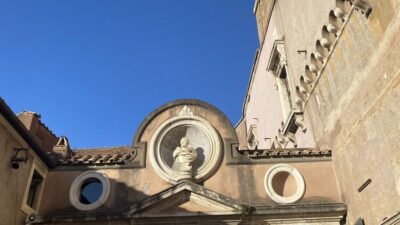
Rome: Castel Sant’Angelo Entry Ticket & Digital Audioguide
Read our review →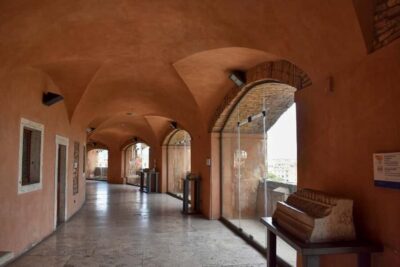
Rome: Castel Sant’Angelo Entry Ticket & Audio App
Read our review →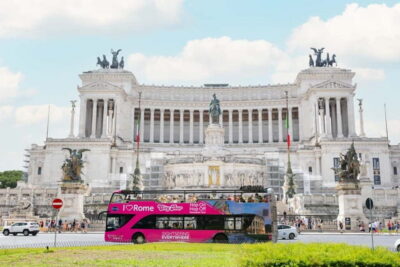
Rome: Hop-on Hop-off Sightseeing Bus Tour with Audioguide
Read our review →Browse the lists this tour appears in