
Review · GREECE
Santorini: Tomato Museum Admission Ticket with Audio Guide
Santorini’s tomato story begins with a cherry-sized fruit that thrives in the island’s dry conditions. At the old D. Nomikos factory in Vlychada, you can see how this humble crop became a major local industry, from late-19th-century cultivation to factory processing.
I like the self-paced audio guide, which lets you spend time with the machinery and recorded worker accounts without being tied to a group. I also like the tasting and museum shop, since they connect the displays to something you can actually smell, taste, and take home. The main drawback is that there is no live guide, and the public bus from Fira runs only every two hours.
Key points
- Three factory areas: Explore the former D. Nomikos production complex at your own speed.
- Five audio-guide languages: Choose English, French, German, Italian, or Greek.
- A taste of Santorini: Sample the island’s sweet, cherry-sized tomato during the visit.
- Factory voices and machinery: Hear former workers and see equipment from the old production process.
- Easy budget stop: Admission costs $14 per person and the visit is described as quick enough for children.
- Local shopping: Browse tomato-based products in the museum boutique.
Why Santorini’s Small Tomato Deserves a Museum
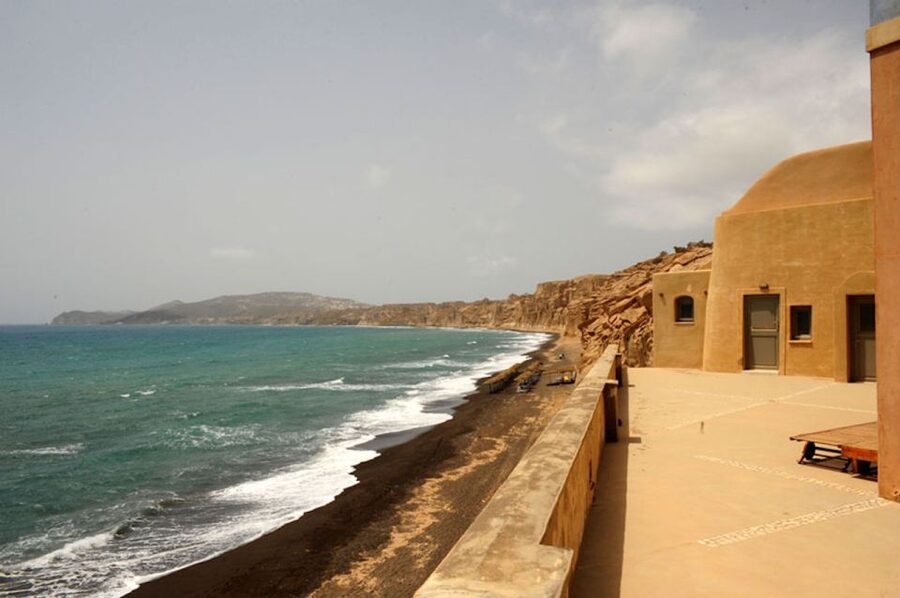
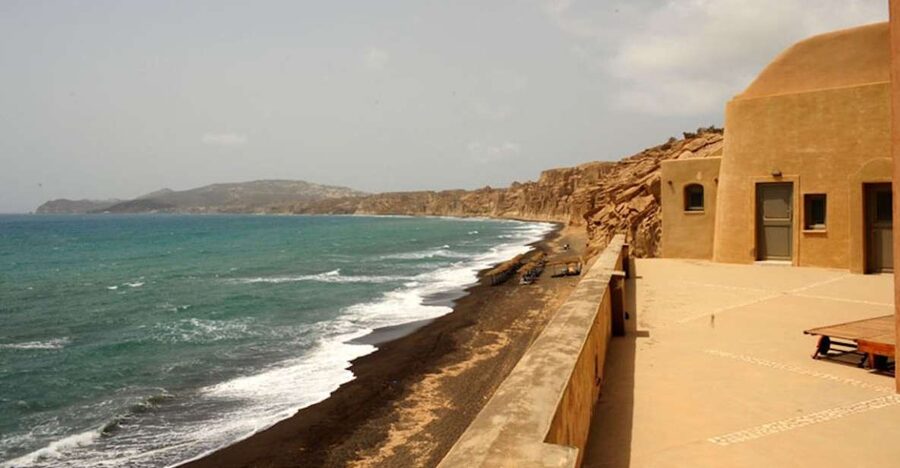
Santorini is best known for white villages, sea views, and volcanic scenery, but its food traditions tell another side of the island. The local tomato is small, sweet, and closely tied to Santorini’s dry growing conditions. It has been cultivated here since the end of the 19th century.
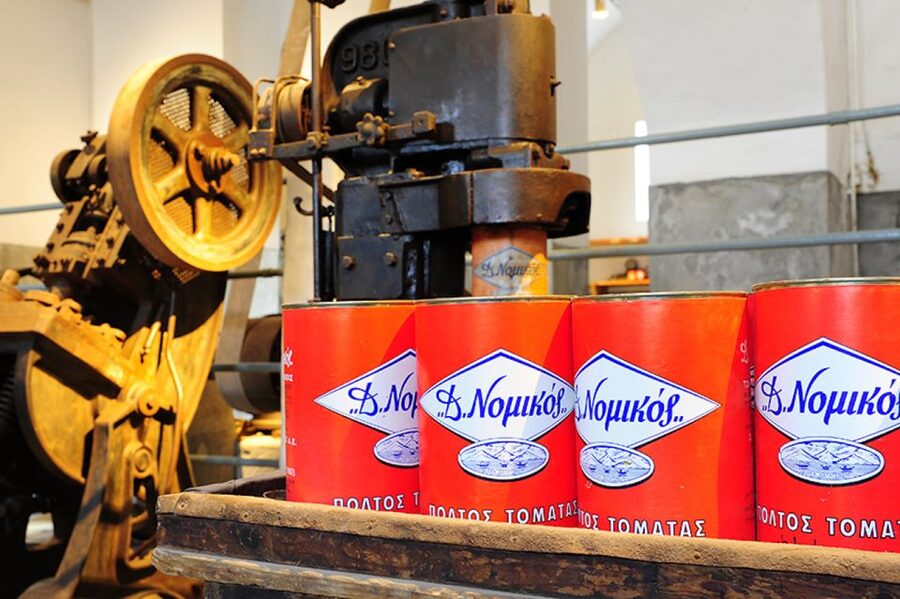
The D. Nomikos factory gives that story a physical setting. You are not simply looking at a few food labels in a shop. You are walking through an old industrial site where tomatoes were processed for sale, with machinery, audiovisual material, and accounts from people who worked there.
That setting matters. A food museum can easily feel like a collection of facts. Here, the factory helps you understand the work behind the product. You see how farming, processing, and production fit together, and how an island crop supported a wider local economy.
The visit is also a useful change of pace from Santorini’s famous towns. If you have already spent time in Fira or Oia, Vlychada gives you a look at a more practical, working side of the island. It is still a sightseeing stop, but the subject is local industry rather than architecture or scenery.
More Museum Audio Tours in Greece
- Athens: Acropolis Museum Ticket with optional Audio Guide
★ 4.4 · 2,652 reviews - From Athens: Small-Group Delphi, Museum & Arachova Day Trip
★ 4.8 · 2,476 reviews - Parthenon & Acropolis Museum with Audio or Live Tour Option
★ 4.1 · 2,446 reviews
Arriving at the D. Nomikos Factory in Vlychada
The museum is located at the Tomato Industrial Museum, D. Nomikos, in Vlychada. You can reach it by taxi or public bus from Fira.
The bus connection is useful, but you need to plan around it. A public bus runs between Fira and the museum every two hours, so this is not the sort of attraction you should visit casually and then expect another bus right away. Check the timing before setting out, especially if you have dinner plans, a ferry connection, or another timed activity.
A taxi gives you more control over the schedule, though the supplied information does not state the fare. If you are traveling with children, have mobility concerns, or are combining the museum with another stop in the area, a taxi may be the simpler option.
The museum is wheelchair accessible. That is an important practical point, though the information provided does not describe the exact surfaces, slopes, or restroom facilities. If you need specific accessibility details, confirm them before booking.
Admission costs $14 per person and is valid for one day. For that price, you get entry to the complex, the audio guide, access to the product boutique, and the tomato tasting described as part of the visit. Food and drinks beyond the museum experience are not included.
The Three Areas of the Former Factory
Inside, you explore three large areas of the complex. The visit is self-guided, so you are free to move at a comfortable pace rather than keeping up with a scheduled group.
The first part introduces the tomato itself and its place in Santorini’s agriculture. You learn about cultivation methods used from the 1890s onward and the conditions that shaped the local crop. The museum focuses on traditional practices, so this section is especially useful if you want more than a quick food sample.
The tomato’s size is part of the story. It is a cherry-sized variety, but its small appearance does not mean a weak flavor. The tasting gives you a direct way to understand its sweetness and distinct character. I find that food museums work best when they let you connect an object on display with a real taste, and this stop does that.
The next areas focus on processing and production. You see machinery used in the factory and learn how the tomatoes moved from cultivation into an industrial process. The displays help show the amount of labor and equipment required to turn an agricultural product into something ready for sale.
The final part brings in the people who worked there. Audiovisual material includes firsthand accounts from former factory workers. These recordings add a human scale to the machinery. A machine can show you how production worked, but a worker’s voice can explain what the factory felt like as a workplace and why it mattered to the community.
Because the visit is self-paced, you can spend longer with the sections that interest you most. If you are fascinated by old equipment, take time with the production displays. If you are visiting with children, the compact format and practical subject should be easier to manage than a long, formal museum tour.
Using the Audio Guide Without a Live Guide
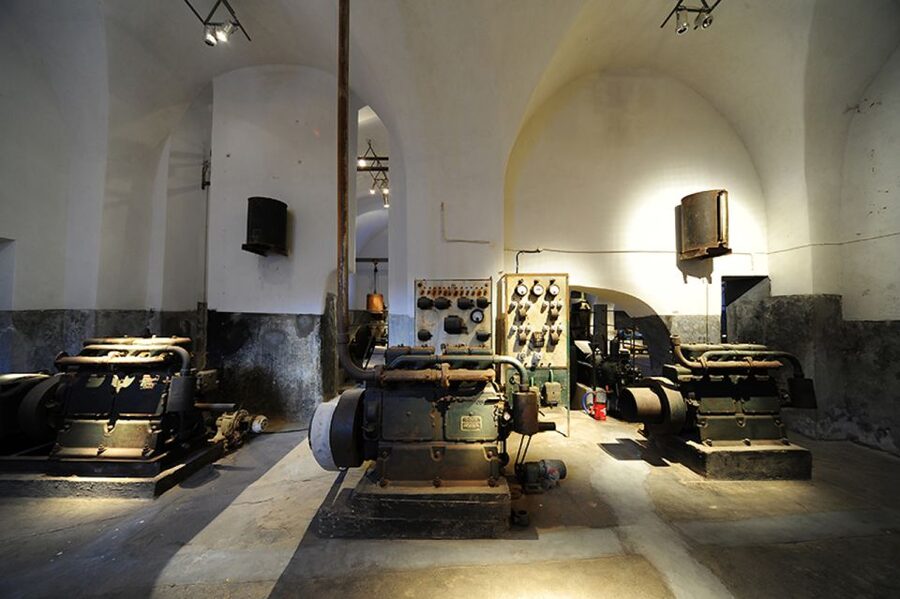
The audio guide is provided on a dedicated device, with English, French, German, Italian, and Greek available. You do not need to join a live tour, and there is no live guide included.
That arrangement works well for a small museum. You can pause, move ahead, or listen again when a machine or display catches your attention. You also avoid the common problem of arriving late to a group explanation.
Bring your own headphones. This is listed as something to bring, and it will make the visit more comfortable, particularly if other people are listening nearby. The information does not say whether the device accepts personal wired or wireless headphones, so you may want to confirm that if your headphones require a particular connection.
The host or greeter speaks English and Greek, while the recorded guide covers five languages. That distinction is worth noting. If you want to ask questions in person, English and Greek are the stated options. If you prefer to listen in another language, use the audio device.
The lack of a live guide is the clearest limitation. You will not have someone explaining the machinery in response to your questions or adjusting the talk to your interests. In exchange, you get privacy and control over the pace. For a small museum, that is a fair trade for many people.
Same sights, a different narrator:
- Athens: Acropolis Ticket with Optional Audio or Live Guide
★ 4.2 · 11,055 reviews - Athens: Cape Sounio & Poseidon Temple Trip with Audio Guide
★ 4.4 · 4,521 reviews - Athens: Acropolis Ticket with Audio Guide
★ 4.0 · 3,575 reviews - From Athens: Delphi Full Day V.R. Audio Guided Tour
★ 4.6 · 3,028 reviews
Tasting the Santorini Tomato
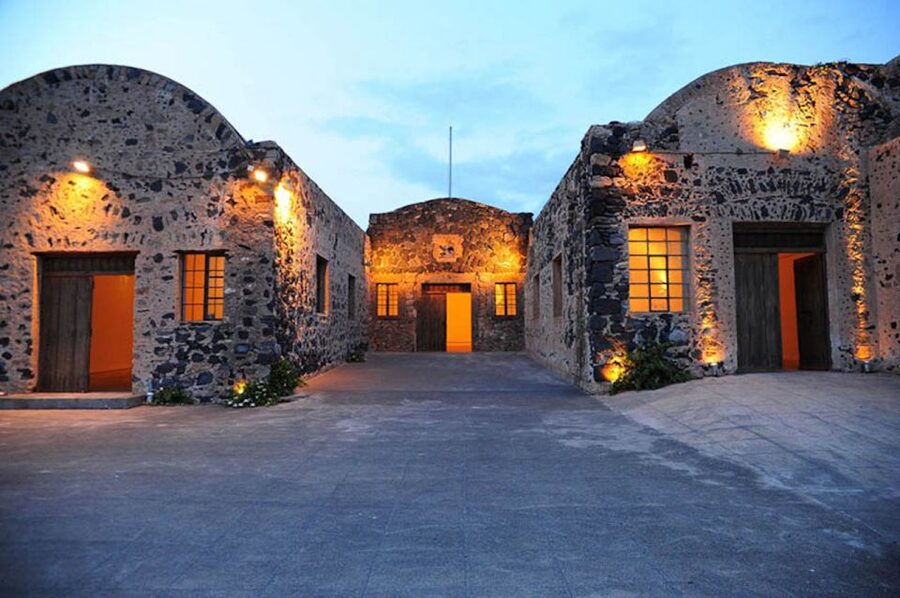
The tasting is one of the best reasons to include this museum in a day of sightseeing. You learn about the tomato first, then get to try the product itself.
The local tomato is described as sweet and distinctive, despite its small size. That makes the tasting more than a snack. It gives you a reference point for the rest of the visit. Once you know the flavor, the cultivation and processing displays become easier to understand.
The supplied information confirms a tasting, but it does not list every item or explain how large the portion is. Do not treat this as a full meal. Food and drinks are not included as a general part of admission, so plan to eat elsewhere if you need lunch.
This is also a good stop for children. One verified French-language booking comment described the museum as fun, quick, and suitable for children, with a pleasant welcome and tasting. That fits the structure of the visit: the subject is tangible, the machinery gives children something to look at, and the tasting keeps the experience from feeling too abstract.
The Boutique: Take the Tomato Story Home
The museum shop sells different products made with the local tomato. The supplied details do not name the individual products, so you should expect a selection rather than a guaranteed list of sauces, preserves, or other items.
Still, the boutique adds value to the visit. You can compare the tomato in its fresh or tasting form with prepared goods, then choose something connected to Santorini’s food tradition. It is a more meaningful souvenir than a generic island purchase because it relates directly to the factory you just explored.
The shop is also handy if you want a small gift that travels more easily than fresh food. Check any packaging and travel rules before buying, particularly if you are flying or continuing to another country. The museum confirms access to the boutique, but it does not provide details about packaging, prices, or shipping.
Who Will Get the Most from This Visit?
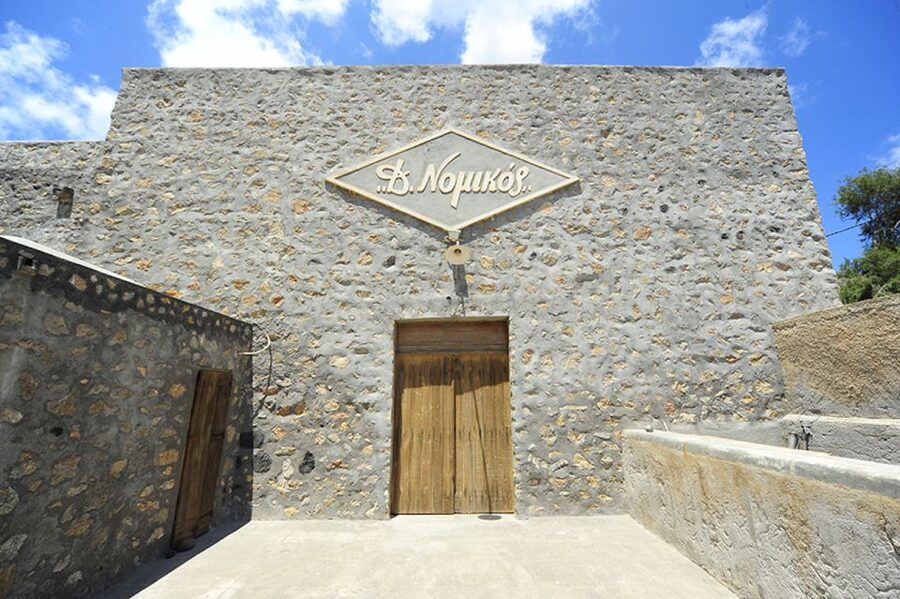
I would recommend the museum to anyone who wants a short, focused cultural stop rather than another viewpoint or beach. It works especially well for food-minded visitors, families, and anyone curious about how Santorini functioned beyond its postcard villages.
Children may appreciate the machinery, audio material, and tasting. The visit is described as quick, so it is less likely to test their patience than a long museum with dense text panels. You can also control the pace, which helps when a family wants to move on.
Food lovers will find the tomato tasting useful, but the museum is not only for people who cook. The factory setting and worker accounts make it relevant to anyone interested in island life, traditional work, and local production.
It is also a good choice if you have already seen the main towns and want something different. You will not get the classic Santorini views here, and that is the point. This is a look at the island’s agricultural and industrial past.
I would be more cautious if you want a guided conversation with a specialist. There is no live guide, and the audio device provides the main interpretation. You should also think twice if your schedule does not allow for the two-hour bus interval from Fira. The museum itself may be compact, but reaching it and returning can take planning.
Is $14 Good Value?
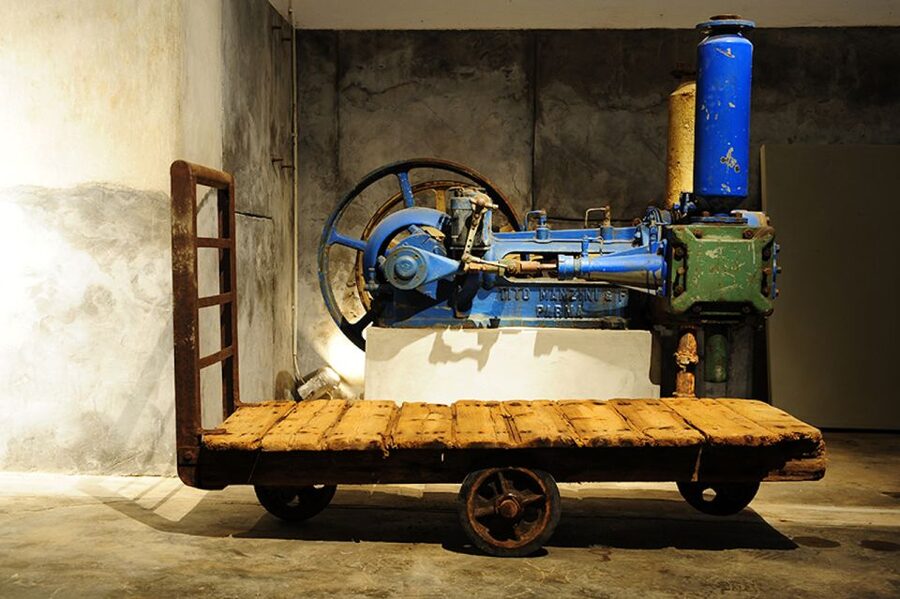
At $14, the admission is reasonable for a museum visit that includes more than displays. You get entry to the factory, an audio guide in five languages, a tasting, and access to the product boutique.
The value is strongest if you use all three parts of the visit: listen to the audio explanations, look carefully at the machinery and worker material, and try the tomato before browsing the shop. If you only walk through quickly, the price may feel less compelling, especially since the museum is described as a short visit.
The price also compares well with the flexibility provided. You are not paying for a long coach outing or a full-day tour with transport. You are paying for a focused attraction, and you arrange your own way to Vlychada. That keeps the ticket affordable but places transport planning in your hands.
The audio guide is a meaningful inclusion. Without it, old factory machinery could be hard to understand. With it, the equipment becomes part of a clear story about cultivation, processing, and production.
Practical Tips for a Smooth Visit
Book ahead if you want the flexibility of reserving now and paying later. The activity offers free cancellation up to 24 hours before the visit, with a full refund, so that policy can help if your Santorini plans are still shifting.
The ticket is valid for one day, but you still need to check available starting times when booking. The information does not give a fixed visit length or a detailed timetable, so allow enough time for transport and the three areas rather than planning it as a precise ten-minute stop.
Bring headphones for the audio device. Wear something comfortable for walking through the factory, although the supplied information does not specify the exact floor surfaces or walking distance.
If you are coming from Fira by bus, build your day around the two-hour connection. Do not assume you can leave whenever you want. A taxi is the better option when your schedule is tight or when you are traveling with a group.
The museum can be paired with other plans in the Vlychada area, but the available information does not state opening hours, restaurant facilities, or the exact distance from the bus stop. Confirm those details before setting out.
Should You Book the Tomato Museum?
Book it if you want a well-priced, compact visit that explains a real part of Santorini’s past. The combination of old machinery, former worker accounts, a multilingual audio guide, and a tomato tasting gives the museum more substance than a simple product shop.
It is particularly suitable for families, food lovers, and visitors who want to see something beyond the island’s famous towns. The 4.9 rating from 22 reviews also points to a consistently well-received experience, with the strongest praise centered on the friendly welcome, playful format, quick visit, and tasting.
Skip it if your only goal is a sea view, a long guided tour, or a meal. You must arrange transport yourself, the bus from Fira is infrequent, and there is no live guide.
For $14, I think this is a sensible addition to a Santorini itinerary, provided you plan the ride to Vlychada. It gives you a taste of the island that has nothing to do with luxury hotels and sunset crowds, and that is exactly why it earns a place on the schedule.
FAQ
Where is the Santorini Tomato Museum located?
The museum is the Tomato Industrial Museum, D. Nomikos, in Vlychada, Santorini.
How can I reach the museum from Fira?
You can reach the museum by taxi or public bus from Fira. The public bus connection runs every two hours.
What does the $14 admission include?
The ticket includes admission to the museum complex, an audio-guide device, and access to the product boutique. A tomato tasting is also part of the described visit.
Is a live guide included?
No. A live guide is not included. You explore with an audio guide, and the listed audio languages are English, French, German, Italian, and Greek.
What should I bring?
Bring headphones for use with the audio-guide device.
Is the museum wheelchair accessible?
Yes. The museum is listed as wheelchair accessible.
New audio tours around Greece
- Kos Scavenger Hunt and Highlights Self Guided Audio Tour★ 4.5 · 17 reviews
- Half-Day Ancient Olympia VR Audio Tour from Katakolo Cruise Port★ 3.5 · 57 reviews
- E-Ticket to Heraklion Archaeological Museum with Audio Guide★ 4.5 · 26 reviews
- Knossos Palace & Archeological Museum: E-Tickets with Audio Tours★ 4.0 · 18 reviews
- Kasos Audio-Tour from Karpathos by Art and Walk★ 4.5 · 4 reviews
- Delphi: Self-guided Audiovisual Tour with 3D Representations★ 5.0 · 5 reviews
- Delphi Self-guided Audio Tour on Your Phone (no ticket)★ 3.5 · 10 reviews
- Delphi: Archaeological Site & Museum Ticket with Audio★ 3.5 · 24 reviews
Greece Audio Tours, compared.

Athens: Acropolis Ticket with Optional Audio or Live Guide
Read our review →
Athens: Cape Sounio & Poseidon Temple Trip with Audio Guide
Read our review →
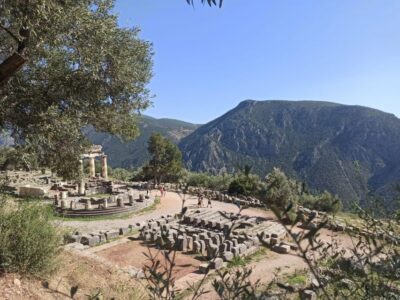
From Athens: Delphi Full Day V.R. Audio Guided Tour
Read our review →
Athens: Acropolis Museum Ticket with optional Audio Guide
Read our review →
Athens: Acropolis Ticket & Optional Self-Guided Audio Tours
Read our review →
From Athens: Small-Group Delphi, Museum & Arachova Day Trip
Read our review →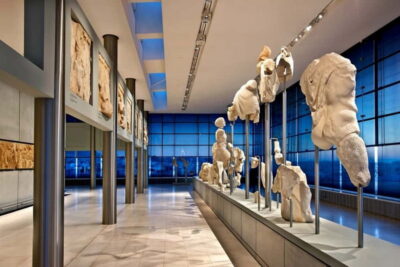
Parthenon & Acropolis Museum with Audio or Live Tour Option
Read our review →Browse the lists this tour appears in