
Review · SPAIN
Avila: Cathedral Entry Ticket with Audio Guide
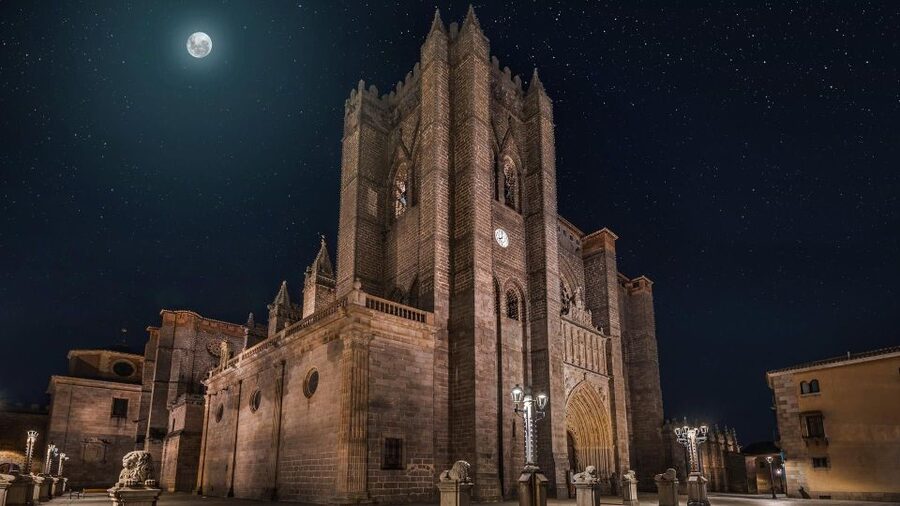
Ávila Cathedral is not simply a church you step into and glance around. It was built into the city walls, so the building feels like part cathedral, part fortress. Inside, you can trace the change from Romanesque red and white stone to the lighter Gothic work, then pause beneath a striking star-shaped cupola dating from the 13th century.
I like the freedom of the audio guide and the low $11 price. You can move at your own pace, listen in four languages, and spend more time with the paintings or chapels that catch your eye. The main drawback is that the route may not always be easy to follow, and an organist or other church activity can make the English audio harder to hear.
Key points to know before entering
- The cathedral began as part of Ávila’s city walls, giving the building a fortress-like character as well as a religious one.
- The audio guide is available in English, Spanish, French, and Italian, so you can explore without joining a fixed walking group.
- The star-shaped cupola above the 13th-century sacristy is one of the most unusual details on the route.
- Paintings by Pedro Berruguete and Juan de Borgoña give the visit a strong artistic focus.
- The cloister provides a quiet final stop, with ribbed vaults and large Gothic windows.
- Liturgical events can change the schedule, and last access is 30 minutes before closing.
Why Ávila Cathedral deserves your time
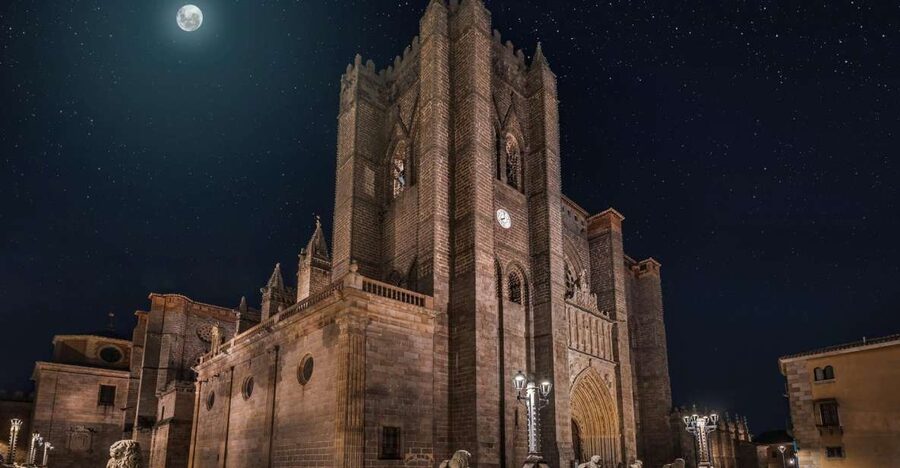
Ávila is known for its dramatic medieval walls, but the cathedral is part of that defensive story. Its outer structure was incorporated into the fortifications, which helps explain why the building feels more solid and guarded than many Spanish cathedrals.
I find that this setting gives the visit a clear sense of place. You are not looking at an isolated monument built in a later period. You are entering a building tied directly to the city’s walls and medieval identity.
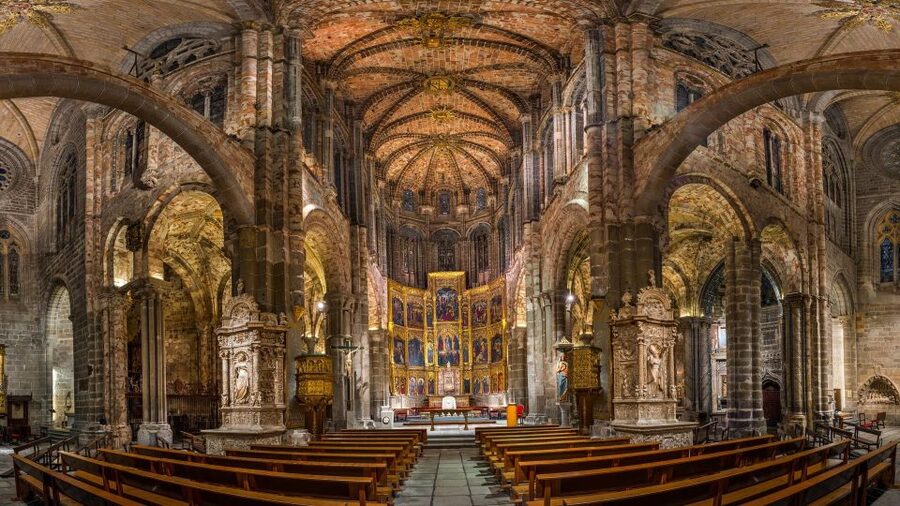
The cathedral is also useful for seeing architectural change in one compact visit. The Romanesque sections use red and white stone, while the Gothic work introduces white stone, pointed forms, ribbed vaults, and larger windows. You do not need to be an architecture specialist to notice the shift. The audio guide helps explain what you are seeing, but the building itself makes the contrast plain.
At $11 per person, this is a modestly priced way to spend part of your time in Ávila. The ticket includes entry and the audio guide, and you can visit during the valid one-day period rather than being locked into a long excursion. That makes it a sensible choice if you already plan to explore the old city on foot.
More Church and Cathedral Audio Tours in Spain
- Cordoba: Mosque-Cathedral E-Ticket with Audio Guide
★ 4.1 · 2,895 reviews - Cathedral and Giralda Entry Ticket with Audio Guide
★ 4.1 · 505 reviews - Granada: Basilica of San Juan de Dios Ticket & Audio Guide
★ 4.6 · 336 reviews
Starting inside the city walls
Begin at the Cathedral of Ávila and allow a moment to look at its position before you head inside. The cathedral was initially part of the city walls, and that fact is central to understanding the building.
The audio guide gives you a route through the main spaces and points out features that can be easy to miss. This matters because a cathedral can quickly become a blur of chapels, columns, altars, and paintings. A little direction helps you separate the major periods and understand why one section looks different from the next.
The visit is self-paced. You can stop when you want, replay information if needed, and move on when a section does not hold your attention. I prefer this format to a tightly timed group tour when the main goal is to look closely at art and architecture.
The private-group arrangement may also appeal to couples or families who want a quieter visit. Still, do not expect a fully guided lecture based only on the basic ticket details. The central feature is the audio guide, not a long live tour.
Reading the Romanesque and Gothic changes
The early Romanesque elements are among the best reasons to pay attention to the walls and stonework. The red and white blocks give these areas a sturdy, almost military appearance. They connect naturally with the cathedral’s role in the city defenses.
As you continue, the Gothic sections use white stone and a different visual language. Look upward for the vertical lines, pointed shapes, and structural patterns that make the interior feel taller and more open.
This transition is one of the most rewarding parts of the visit because it gives you something specific to look for. Rather than simply admiring an old building, you can compare two building traditions in the same place.
The nave provides the main path through the cathedral. It is a good place to get your bearings, listen to the introductory material, and notice how the surrounding chapels fit into the larger design. If you are short on time, do not rush through the nave. It establishes the scale and helps the later stops make sense.
The chapels: Piety, Conception, and Saint Teresa
The Chapel of Piety and the Chapel of the Conception are included in the route. These smaller spaces reward a slower look because their details can be lost if you focus only on the main altar.
I like chapels in cathedral visits because they show how the building was used by specific religious communities and for particular forms of devotion. The supplied information does not identify every artwork or decoration in these chapels, so the audio guide is especially useful here. It can provide the context that is not obvious from the room itself.
Next, look for the Chapel of Saint Ildefonso and the Chapel of Saint Teresa. These are named highlights of the visit and add a more personal devotional side to the cathedral.
The Chapel of Saint Teresa is especially fitting in Ávila, a city closely linked with Saint Teresa. The activity information does not specify every object displayed there, so I would treat it as a place to pause and listen rather than assume the audio guide will cover a particular relic or artwork.
The audio route works best when you allow time for these spaces. If you hurry from the nave straight to the most famous feature, you may miss how the smaller chapels break up the cathedral and give it a more intimate character.
Same sights, a different narrator:
- Barcelona: Sagrada Familia Entry Ticket with Audio Guide
★ 4.6 · 105,312 reviews - Barcelona: Casa Batlló Entry with Self-Audioguide Tour
★ 4.7 · 25,359 reviews - Granada: Alhambra Entry Ticket with Audio Guide
★ 4.1 · 5,950 reviews - Casa Batllo Admission Ticket with Intelligent Audio Guide
★ 4.5 · 3,168 reviews
The star-shaped cupola and 13th-century sacristy
The star-shaped cupola above the 13th-century sacristy is the architectural detail I would make a priority. It is unusual enough to be memorable, and it gives you a clear target during the visit.
A cupola already draws the eye upward, but the star shape adds another layer of interest. Look at how the ribs or structural lines organize the ceiling rather than viewing it as a flat decorative pattern.
The sacristy also helps show that the cathedral’s important features are not limited to the central nave. Some of the best details are found in side areas, where the building’s construction and decoration become more focused.
This is where an audio guide earns its place. You might notice the shape immediately, but the explanation can tell you why the cupola matters and how it relates to the cathedral’s age and design. If you use the guide on your own phone or listening device, keep the volume low enough to respect the quiet of the church.
Paintings by Berruguete and Juan de Borgoña
The chapel with paintings by Pedro Berruguete and Juan de Borgoña gives the visit a strong art component. Their work is not just background decoration. It offers a chance to compare two important painters within the setting of the cathedral.
The activity information does not name the specific scenes, so I would not arrive expecting a particular famous panel. Instead, use the audio guide to identify the paintings and explain what you should notice.
This stop is valuable for anyone interested in Spanish painting, but it also works for casual art lovers. You can look at the figures, gestures, colors, and arrangement before listening to the explanation. Then return to the painting with a clearer sense of what the artist was trying to do.
I would give this section extra time if art is your main reason for entering the cathedral. If architecture is your priority, the cupola and the Romanesque-to-Gothic transition may hold your attention longer.
Ending in the cloister
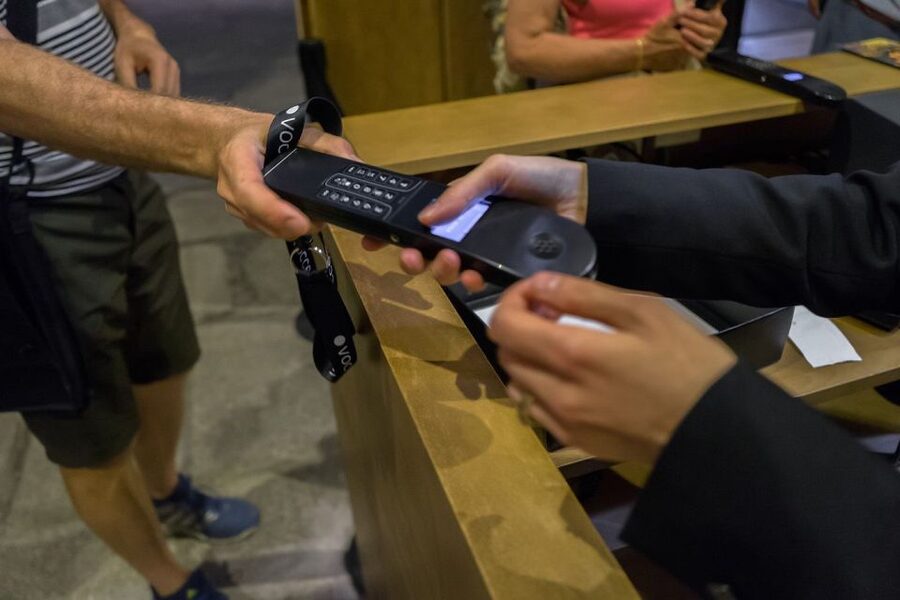
The route finishes in the cloister, a peaceful change from the taller, more formal interior spaces. Here you can see ribbed vaults and large Gothic-style windows.
The cloister is a good final stop because it slows the pace. After the nave, chapels, paintings, and cupola, the covered walkways give you room to absorb the visit without another major object competing for your attention.
The large windows are worth viewing from different angles. They show how Gothic design could combine structure with light, while the ribbed vaults repeat the architectural language found elsewhere in the cathedral.
I would not treat the cloister as an afterthought. It may be the place where you most clearly feel the quiet side of the building. If you have been listening closely to the audio guide, this is also a natural point to stop the commentary and simply look around.
How the audio guide works for different visitors
The audio guide is offered in English, Spanish, French, and Italian. That is helpful if you want more than a printed overview, and it lets members of a private group listen in the language that suits them.
The best way to use it is to stay flexible. Listen to the introduction, follow the suggested route through the nave and chapels, then pause when you reach something that deserves more time.
There is one practical issue to keep in mind. The route has not always been easy for every person to follow, and background music from the organ can make the English commentary difficult to hear. I would bring patience rather than trying to rush from one numbered point to the next.
If you are visiting during a liturgical event, parts of the schedule may change. The cathedral is still an active place of worship, not only a monument, so church services and other religious activity take priority.
A guide named Vanessa has been associated with an especially accommodating visit, offering extra insight into unusual aspects of the cathedral’s past. The standard experience, however, is described as an audio-guided entry, so you should confirm the exact arrangement shown for your chosen time if having a live guide matters to you.
Price, timing, and practical value
At $11 per person, the ticket is good value if you want both access and context. Paying only for entry would let you look around, but the audio guide gives you a clearer route and explains the architectural changes, chapels, artworks, and cupola.
The ticket is valid for one day, with starting times shown when you check availability. That wording matters. You should not assume you can arrive at any hour without checking the selected time or the current schedule.
Skip-the-ticket-line entry can also save a little time, especially if you are fitting the cathedral between the city walls, museums, and other stops in Ávila. The total visit length is not specified, so I would plan enough time to listen without hurrying, especially if you want to cover every chapel and spend time with the paintings.
Last access is 30 minutes before closing. Do not leave this visit until the final part of the day unless you have checked the closing time carefully.
The cathedral is wheelchair accessible. You must leave pets outside, and food, drinks, smoking, alcohol, drugs, flash photography, and video recording are not allowed. These rules are easy to follow, but they are worth knowing before you arrive.
Who will enjoy this cathedral visit most
I would recommend this experience to you if you like historic buildings but prefer to set your own pace. It works well for independent visitors, couples, families, and small private groups who want a structured route without joining a large gathering.
It is also a good match if your interests are divided between architecture and art. You can focus on the Romanesque and Gothic stonework, then shift your attention to Berruguete and Juan de Borgoña.
You may want another type of visit if you need a detailed live lecture throughout. The audio guide gives you useful information, but it does not guarantee a personal guide at every stop. You should also think twice about booking at a time when a service or musical event could interfere with the commentary.
The experience suits a short Ávila visit because it concentrates several important features in one building. You can see the cathedral’s fortress connection, architectural changes, chapels, paintings, sacristy cupola, treasury, and cloister without arranging separate admissions.
Should you book the Ávila Cathedral ticket?
I would book it if you want an affordable, self-guided look at one of Spain’s oldest Gothic cathedrals, especially if you appreciate details that are easy to miss without explanation. The $11 price, four audio languages, skip-the-line entry, and one-day validity make it a practical addition to a day in Ávila.
Go in with realistic expectations. The audio route may be unclear in places, and church activity can affect the sound or schedule. Check availability, arrive before the final 30-minute entry cutoff, and give yourself time for the nave, chapels, paintings, star-shaped cupola, and cloister.
If you prefer freedom, art, and architecture over a tightly scripted tour, this is a sound choice. If you want a personal historian beside you from the entrance to the cloister, confirm the guide arrangement before paying.
FAQ
How much does entry to Ávila Cathedral cost?
The ticket costs $11 per person and includes cathedral admission and the audio guide.
How long is the ticket valid?
The ticket is valid for one day. Starting times and availability are shown when you check the booking options.
Which languages are available for the audio guide?
The audio guide is available in Spanish, English, French, and Italian.
Is the cathedral wheelchair accessible?
Yes, the cathedral is wheelchair accessible.
Can I skip the ticket line?
Yes, skip-the-ticket-line entry is included.
Can I visit during a liturgical event?
The schedule may change because of liturgical events. Check the available time before booking and remember that last access is 30 minutes before closing.
What cannot I bring or do inside the cathedral?
Pets, smoking, food, drinks, alcohol, drugs, flash photography, and video recording are not allowed.
New audio tours around Spain
- Entrance to the Alhambra and Generalife with Audio Guide★ 3.5 · 38 reviews
- Alhambra Ticket with Audio Guide in Granada★ 3.5 · 151 reviews
- Montsacopa: An audio tour in the Volcano in the Centre of the City★ 4.5 · 3 reviews
- Mosque-Cathedral of Córdoba E-Ticket with Audio Guide★ 3.5 · 15 reviews
- Cádiz TukTuk Tour with Audio Guide★ 5.0 · 4 reviews
- Vejer de la Frontera: The White Pearl of Andalusia Audio Guide★ 5.0 · 2 reviews
- Bilbao Scavenger Hunt and Highlights Self Guided Audio Tour★ 4.5 · 4 reviews
- Self-Guided Audio Tour-The Surrealist Barcelona of Dalí and Gaudí★ 3.5 · 8 reviews
Spain Audio Tours, compared.
Barcelona: Sagrada Familia Entry Ticket with Audio Guide
Read our review →
Barcelona: Casa Batlló Entry with Self-Audioguide Tour
Read our review →
Granada: Alhambra Entry Ticket with Audio Guide
Read our review →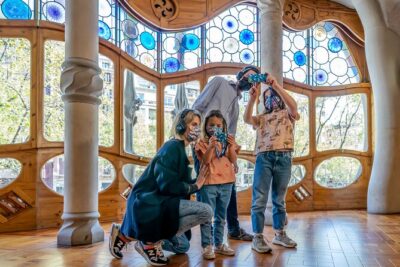
Casa Batllo Admission Ticket with Intelligent Audio Guide
Read our review →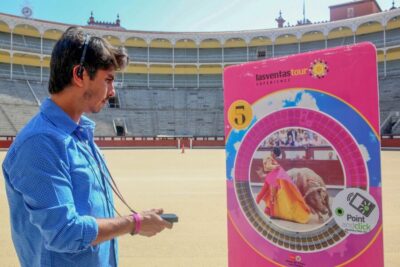
Madrid: Las Ventas Bullring Tour with Audio Guide
Read our review →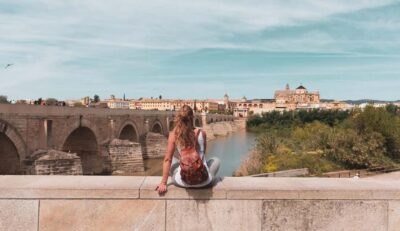
Cordoba: Mosque-Cathedral E-Ticket with Audio Guide
Read our review →
Nerja: Caves of Nerja Entry Ticket with Audio Guide
Read our review →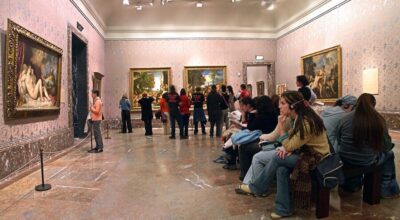
Madrid: Prado Museum Ticket with In-App Audio Guide
Read our review →Browse the lists this tour appears in