
Review · BELGIUM
Bruges: Choco-Story Museum with Audio Guide and Tastings
Chocolate is the star here, but the best part is the story behind it: how cacao moved from an ancient spicy drink to the sweet Belgian pralines you know today. I especially like the self-guided pace and the kid-friendly games, which let families move quickly or linger over the displays. The chocolate demonstration and tastings give the visit a satisfying finish.
The main drawback is that the museum can feel crowded, and the numbered audio points are not always arranged in a perfectly clear order. The final tasting may also be simpler than expected, with chocolate buttons and a small praline demonstration rather than a full workshop.
- Four thousand years of chocolate history: Follow cacao from Maya and Aztec traditions to European milk chocolate and Belgian pralines.
- Audio guide in 11 languages: Listen in Dutch, English, French, Spanish, Arabic, German, Italian, Russian, Chinese, or Japanese, with a children’s version available.
- Interactive family stops: Quizzes, games, and touch-screen material help keep children involved between the historical displays.
- Live chocolate demonstration: Watch a demonstrator make filled chocolates, then taste the finished praline.
- Multiple tasting stations: Sample different chocolate varieties, including the popular amber chocolate when supplies are available.
- Central Bruges location: The museum is at Wijnzakstraat 2, close to the city center, and takes about 90 minutes at a steady pace.
A Chocolate Museum That Starts With Cacao, Not Candy
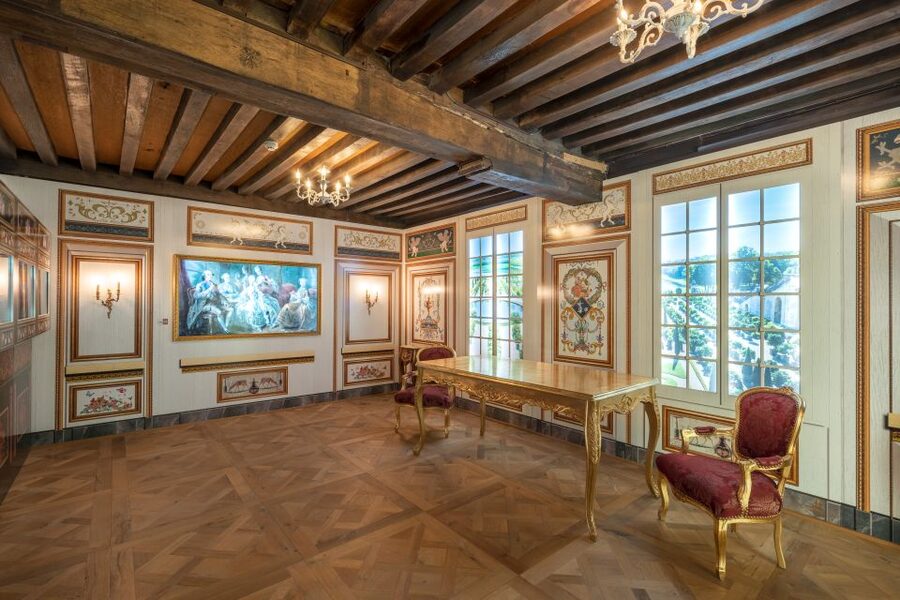
Choco-Story Brugge is more than a row of Belgian sweets behind glass. Its central idea is simple: before chocolate became a bar, truffle, or drink, it was a crop, a bitter seed, a trade product, and a ceremonial drink.
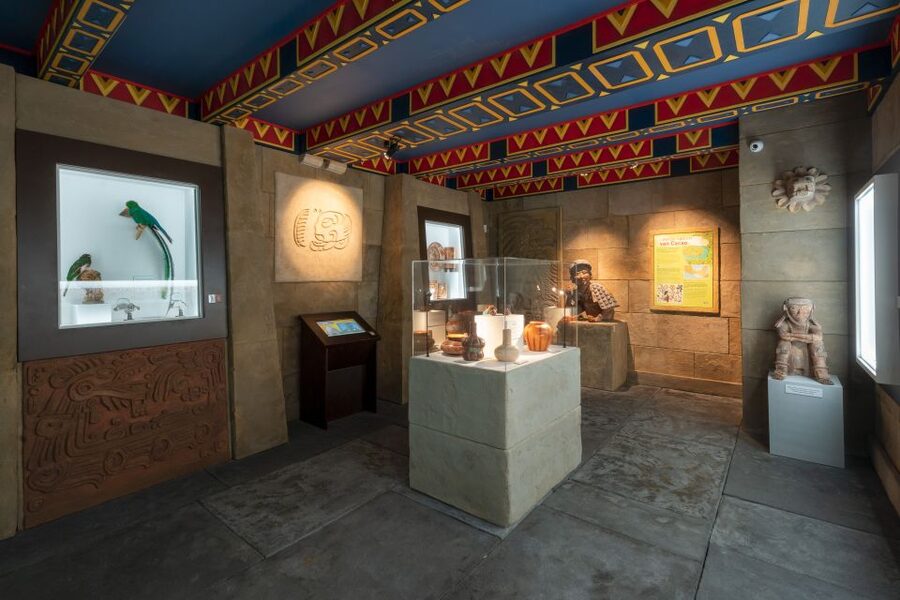
The museum traces roughly 4,000 years of chocolate history. You begin with cacao’s early use in Maya and Aztec civilizations, where chocolate was prepared as a spicy, often unsweetened drink. From there, the story moves to Europe, where sugar and changing production methods helped turn cacao into the sweet food now familiar around the world.
I like this starting point because it gives you a reason to care about the objects on display. A historical tool or old package means more when you understand how it fits into the long route from cacao pod to finished chocolate.
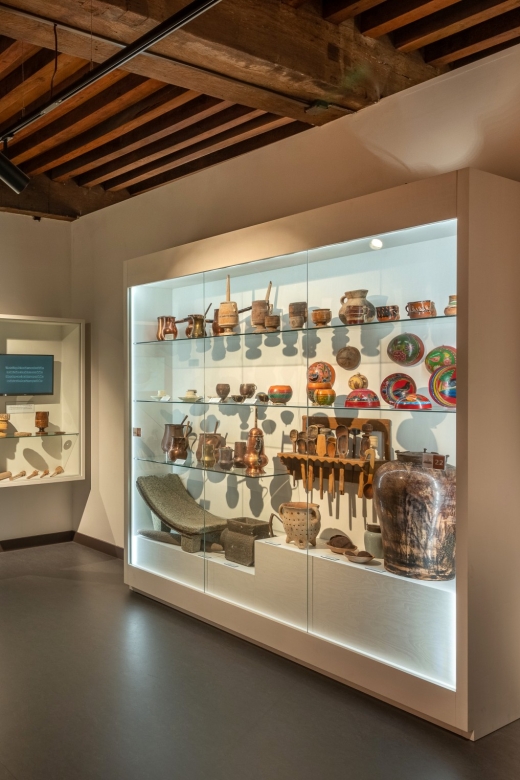
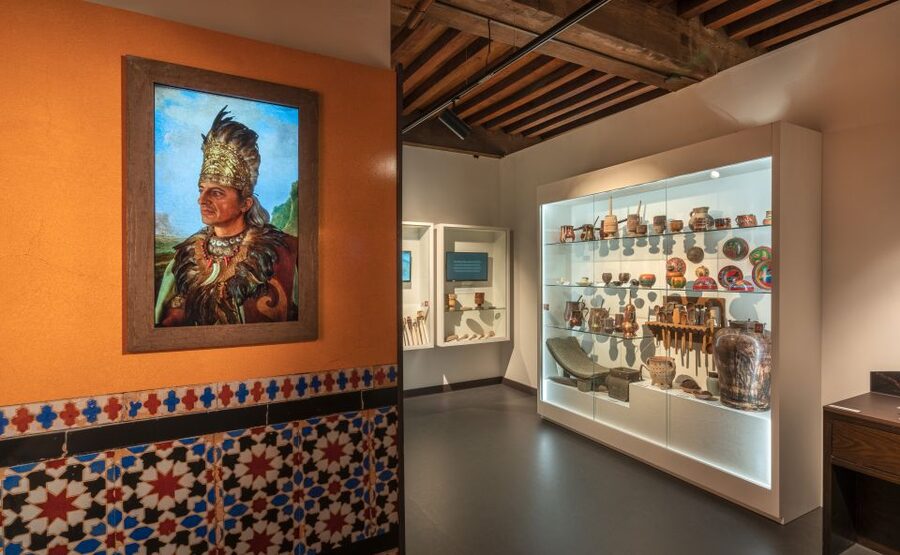
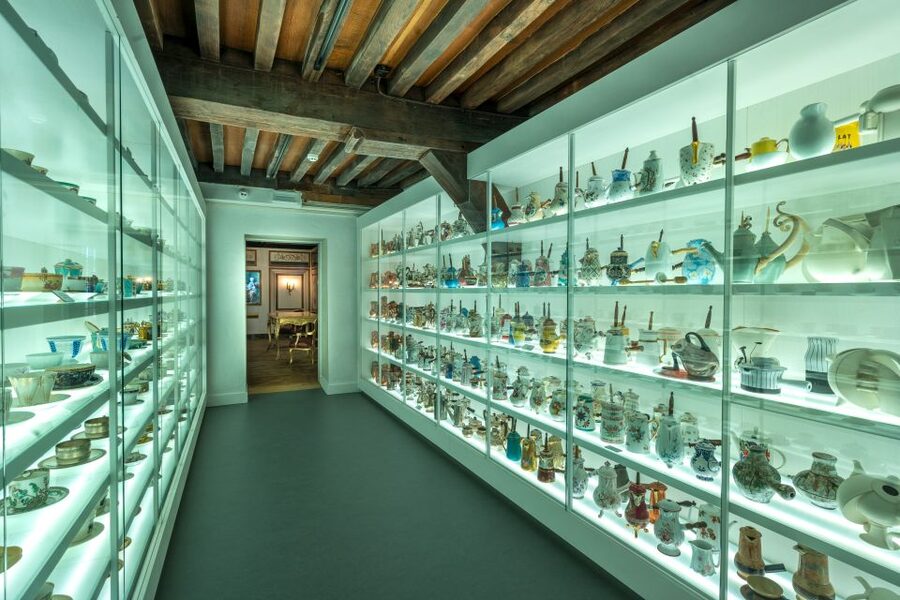
The collection includes more than 500 objects, with the full museum described as having almost 1,000 chocolate-related items. You will see material linked to old production methods, chocolate advertising, packaging, serving traditions, and the changing ways people have enjoyed cacao.
Following the Audio Route Through Three Sections
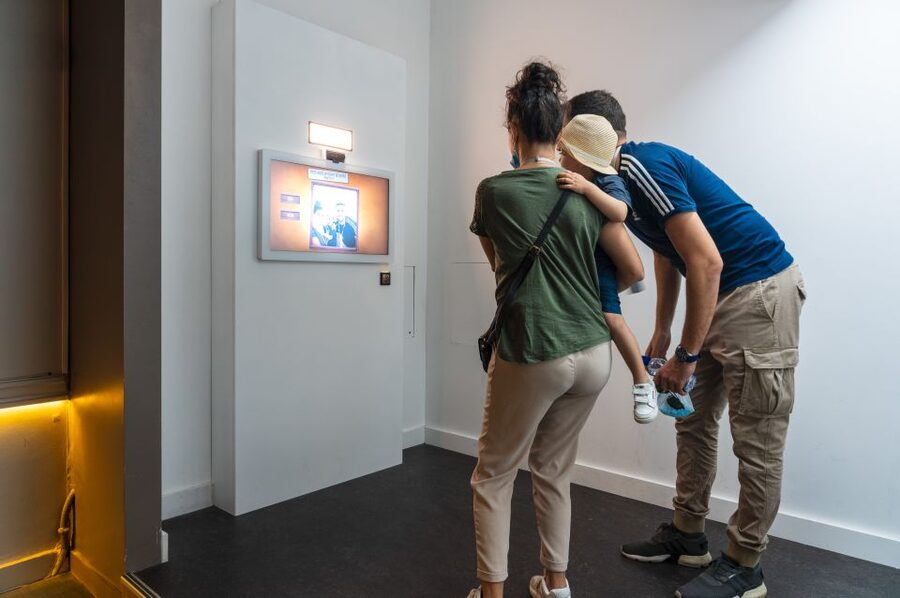
This is a self-guided museum, not a walking tour led by a person. You receive an audio device and use it at numbered points around the exhibits. The guide is available in 11 languages, and the children’s version is a useful choice for families who want younger visitors to follow the story without listening to every adult explanation.
The audio system lets you set your own speed. You can listen to the full explanations, skip material that feels less relevant, or pause while you look closely at a display. That flexibility is one of the strongest reasons to allow the full 90 minutes.
The route is arranged in three broad parts: chocolate’s origins and development, the raw ingredients and production process, and the finished product. The concept is logical, but the physical numbering can be confusing in places. A few audio prompts are not positioned in the order you might expect, and some visitors have found the route difficult to follow at first.
My advice is to spend a moment getting your bearings before rushing to the first audio point. If you are visiting with children, treat the numbers as helpful prompts rather than a strict treasure hunt. The museum can be completed in about an hour if you move quickly, but listening to everything and trying the interactive elements takes closer to the advertised 90 minutes.
More Museum Audio Tours in Belgium:
- Bruges: The Beer Experience Museum Entry with Audio Guide
★ 4.4 · 201 reviews - Florence: Uffizi Priority Ticket & Masterpieces Audio App
★ 4.2 · 6,402 reviews - Paris: Louvre Museum Hosted Entry and Mona Lisa Audioguide
★ 4.6 · 5,235 reviews
What the Museum Explains About Cacao
The first sections are strongest for anyone who wants more than a tasting. You learn where cacao comes from, how the beans are handled, and how the raw ingredient changes through processing.
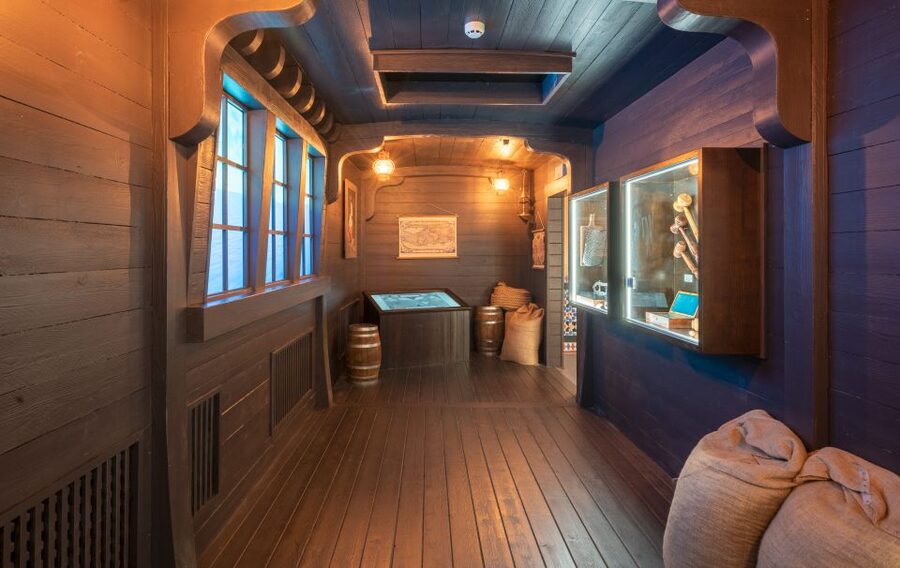
The museum also deals with the route from plantation to finished product. That includes shipping, processing, packaging, and the role of sugar in creating the chocolate people now expect. This supply-chain view adds useful context, especially if you have only thought of chocolate as something made in a Belgian shop.
The displays also touch on fair trade and the working conditions of farmers in cacao-growing regions. That material is not treated as a side issue. It helps explain why the price of a chocolate bar does not tell the whole story and why sourcing matters.
I appreciate that the museum does not present chocolate as pure indulgence. It gives you the pleasure of the final product while also showing the labor, transport, and decisions behind it.
Some sections lean toward short facts and visual displays rather than a long, detailed academic account. If you want a specialist study of cacao economics or European colonial trade, this will feel light. For a city museum visit, though, the balance works well.
Old Methods, Modern Chocolate, and More Than 500 Objects
The collection gives the museum its shape. You see how chocolate culture changed over time, from early drinking traditions to modern bars, pralines, and commercial packaging.
There are objects connected with old-fashioned production as well as newer ways of making chocolate. The contrast helps explain why Belgian chocolate has such a strong identity. You are not simply shown the final praline. You are shown the tools, habits, and presentation styles that helped chocolate become part of daily life.
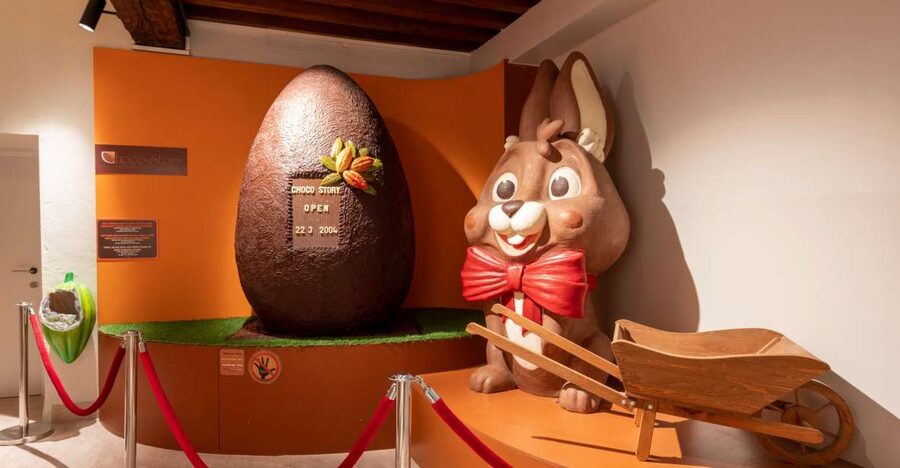
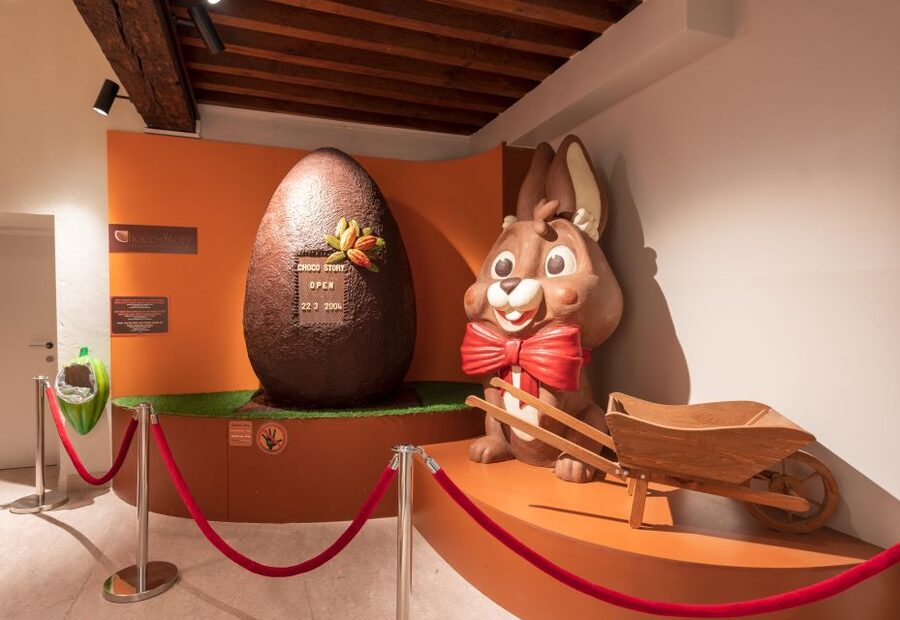
The museum also includes chocolate sculptures and artistic pieces. These are especially effective near the demonstration area, where you can compare the raw material with the polished shapes made from it.
Some displays are designed more for children than for adults. That is not necessarily a weakness, but it affects how you should plan the visit. Families will find plenty to do, while adults seeking a long, detailed account may find some explanations repetitive.
The interactive parts help. Quizzes and small games appear through the route, and there is a leaderboard connected with some of them. A taste quiz near the end recommends a chocolate style based on your preferences, and you can look for that type in the shop afterward.
Why Families Usually Get More From the Visit
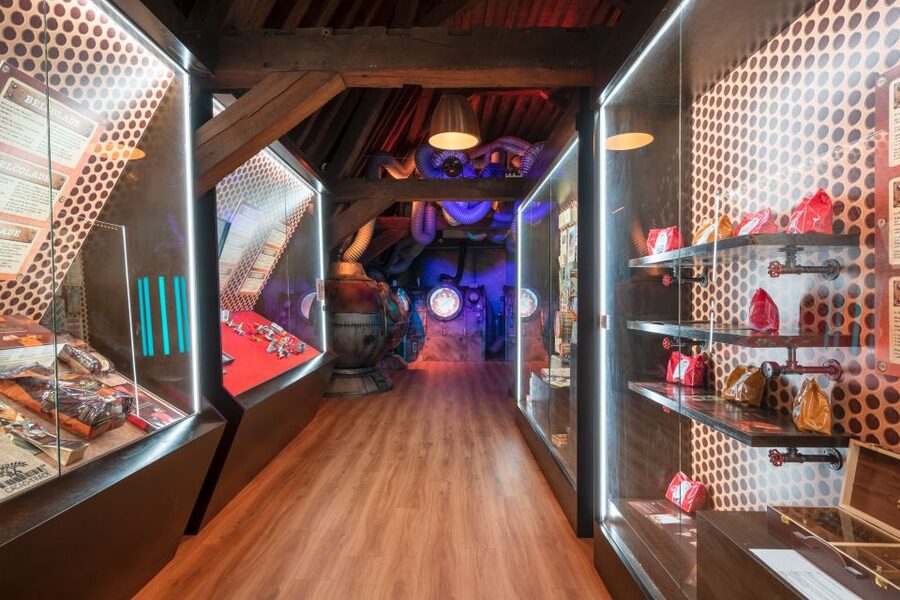
Children are given more to do than simply read labels. The audio guide has a children’s version, and the games break up the historical material. That matters because the museum includes several floors and plenty of listening, which can test the patience of younger children.
An eight-year-old can follow the tasting and interactive parts easily. Older children and teenagers are more likely to stay engaged if they take the quizzes or compete for the leaderboard. A three-year-old may find the audio explanations and stairs less interesting, so families with very young children should keep expectations modest.
I would describe the museum as family-friendly rather than purely child-focused. Adults get a clear account of chocolate’s origins and manufacture, while children get games, samples, and a concrete reward at the end.
For mixed-age groups, the audio guide is better than a fixed group lecture because everyone can listen at a comfortable level. You can also move ahead if one person has heard enough.
More audio tours around Belgium:
- Bruges Scavenger Hunt and Highlights Self Guided Audio Tour
★ 4.0 · 54 reviews - AudioGuide Ghent
★ 4.5 · 23 reviews - Antwerp: City Walk with Audio Guide in 7 Languages on your Phone
★ 3.0 · 15 reviews - Bruges Walking Tour with Audioguide on Your Smartphone
★ 4.5 · 14 reviews
The Chocolate-Making Demonstration
The demonstration takes place toward the end and is one of the most anticipated parts of the visit. A demonstrator shows how a filled chocolate is made, with attention to the smooth texture and finished shape.
The presentation is short, not a full chocolate-making class. You do not generally make your own batch from start to finish, and the demonstration does not replace a hands-on workshop. Still, it gives you a useful look at the care involved in producing a polished praline.
A demonstrator named Lisa has received praise for making the presentation lively and funny. The quality of the experience depends partly on your position in the room, since the demonstration area can become crowded. If you arrive at a busy time, you may need to wait or stand behind other people.
The best practical tip is to check the demonstration timing when you arrive. If you begin late in the day, you may reach the final area close to closing and miss it. One visit that began at 4:30 p.m. left too little time to see everything and attend the demonstration.
Tasting Chocolate Buttons and Pralines
The tasting is the easy crowd-pleaser. You can sample chocolate buttons at stations near the end, with several varieties available. The amber chocolate, described as having a butterscotch-like taste, has been a particular favorite when it is in stock.
The tasting is sometimes described as unlimited inside the museum, with the request that you do not take samples away. Supplies can run short, though, and a particular variety may not be available on the day you visit.
After the demonstration, you receive a filled praline or similar chocolate made as part of the presentation. This is a better finish than simply walking past a display of finished sweets because you see the method first, then taste the result.
Keep your expectations in proportion to the price. The tasting is a pleasant extra, not a box of luxury chocolates. If you are expecting several elaborate pralines or a long guided tasting, you may find the final sample modest. If you view it as part of a museum visit, it adds real value.
Is $18 a Fair Price for 90 Minutes?
At $18 per person, Choco-Story Brugge sits in the affordable range for a central Bruges attraction. The price includes admission, the audio guide, chocolate tastings, and the demonstration.
I consider it good value if you listen to most of the audio and take time with the displays. The museum can be rushed in an hour, but the full experience is closer to 90 minutes. On a rainy afternoon, it gives you a substantial indoor activity with both educational and edible elements.
The value is weaker if you only want chocolate samples. You can buy Belgian chocolate elsewhere in Bruges without paying a museum admission fee. The ticket earns its keep through the history, collection, interactive material, and production explanation.
If you plan to visit several Bruges museums, compare the individual ticket with the Bruges Museum Pass. Choco-Story is included in that pass, so the pass may make more sense for a full museum schedule.
The booking option allows you to reserve now and pay later, and cancellation is available up to 24 hours before the visit for a full refund. Those terms are useful if your Bruges plans may change, though the main decision is still how much time you want to spend inside.
Timing, Crowds, and Practical Comfort
The museum is at Wijnzakstraat 2, 8000 Bruges, just off the main center. Its location makes it easy to pair with other sights, but that central position also means it can become busy during popular visiting hours.
Crowds matter most in two places: around the audio points and at the demonstration. When several groups reach the same section together, you may need to wait for a device or listen while standing close to other people.
Give yourself at least 90 minutes if you want the complete route. Arriving too late can force you to choose between the final exhibits, the tasting, and the demonstration.
There are stairs, and the experience is not suitable for wheelchair users. Pets are not allowed. If you need step-free access or are traveling with an assistance animal, confirm arrangements before booking.
The audio device is straightforward, but the exhibit numbers are not always perfectly logical. I would not choose this museum if you want a polished, guided group tour with a host explaining every room. Choose it if you prefer to set your own pace.
Who Will Enjoy Choco-Story Brugge Most?
This experience suits:
- Families with children old enough to use the games and audio guide
- Adults who enjoy food history and production stories
- Chocolate fans who want to understand cacao before buying more sweets
- Visitors looking for an indoor activity in poor weather
- Anyone with about 90 minutes near central Bruges
It is less suitable for wheelchair users, very young children who dislike stairs or audio explanations, and visitors expecting a hands-on chocolate workshop.
The museum works particularly well as a shared family activity. Adults can follow the history, children can play the quizzes, and everyone has a reason to keep moving toward the tasting.
Should You Book This Chocolate Museum?
I would book Choco-Story Brugge if you want a reasonably priced indoor attraction that mixes food history, visual displays, interactive games, and a small tasting. The strongest parts are the clear story from cacao bean to Belgian praline, the flexible audio guide, and the final demonstration.
I would not book it solely for the samples or if you expect an extensive live production show. The tasting is enjoyable but limited, the demonstration is short, and busy periods can make both the route and the viewing area feel cramped.
For most families and chocolate-curious adults, the $18 price is fair. Arrive with enough time to follow the audio route, check the demonstration schedule, and leave room for the tasting. That is when the museum feels like more than a sweet shop with labels.
FAQ
How long does the Choco-Story Brugge experience take?
The stated duration is 90 minutes. You can move through the museum in an hour or less if you skip some audio explanations, but listening to more of the content and using the interactive displays takes longer.
Is the chocolate tour guided by a person?
The museum visit is self-guided with an audio device. A chocolate-making demonstration takes place near the end, but there is no live guide leading you through the entire museum.
Which languages are available for the audio guide?
The audio guide is available in Dutch, English, French, Spanish, Arabic, German, Italian, Russian, Chinese, and Japanese. A children’s version is also available.
Are tastings included in the ticket?
Yes. Free tastings are included, along with chocolate made during the demonstration. The available varieties can depend on supplies, and the tasting is intended to be enjoyed inside the museum.
Is Choco-Story Brugge suitable for wheelchair users?
No. The experience is listed as not suitable for wheelchair users, and the route includes stairs.
Can I cancel the booking if my plans change?
Yes. You can cancel up to 24 hours in advance for a full refund. A reserve-now, pay-later option is also available.
New audio tours around Belgium
- Liege Scavenger Hunt and Highlights Self Guided Audio Tour★ 4.0 · 9 reviews
- Ghent Walking Tour with Audioguide on Your Smartphone★ 4.5 · 13 reviews
- Ghent Scavenger Hunt and Highlights Self Guided Audio Tour★ 3.5 · 3 reviews
- Ghent: City Walk with Audio Guide in 7 Languages on your Phone★ 4.5 · 3 reviews
- Hidden Ghent: A Self-Guided Audio Tour Of The Flemish City★ 5.0 · 2 reviews
- Brussels: City Walk with Audioguide in 7 Languages on your Phone★ 3.5 · 4 reviews
- Brussels Audioguided walking tour 2h40 and 25 reviews★ 5.0 · 3 reviews
- Leuven: City Walk with Audio Guide in 7 Languages on your Phone★ 3.0 · 3 reviews
Belgium Audio Tours, compared.
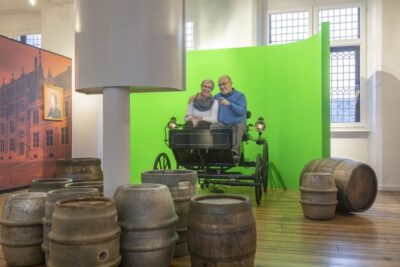
Bruges: The Beer Experience Museum Entry with Audio Guide
Read our review →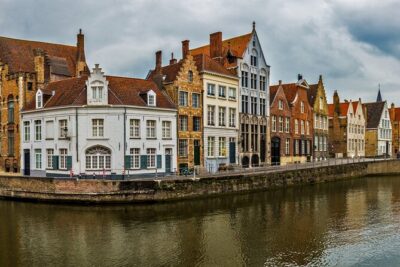
Bruges Scavenger Hunt and Highlights Self Guided Audio Tour
Read our review →

Antwerp: City Walk with Audio Guide in 7 Languages on your Phone
Read our review →
Antwerp Scavenger Hunt and Highlights Self Guided Audio Tour
Read our review →
Antwerp Scavenger Hunt and Best Landmarks Self Guided Audio Tour
Read our review →
Bruges Walking Tour with Audioguide on Your Smartphone
Read our review →
Ghent Walking Tour with Audioguide on Your Smartphone
Read our review →Browse the lists this tour appears in