
Review · MUSEUM AUDIO TOURS
Nusa Dua: Museum Pasifika Admission Ticket with Audio Guide
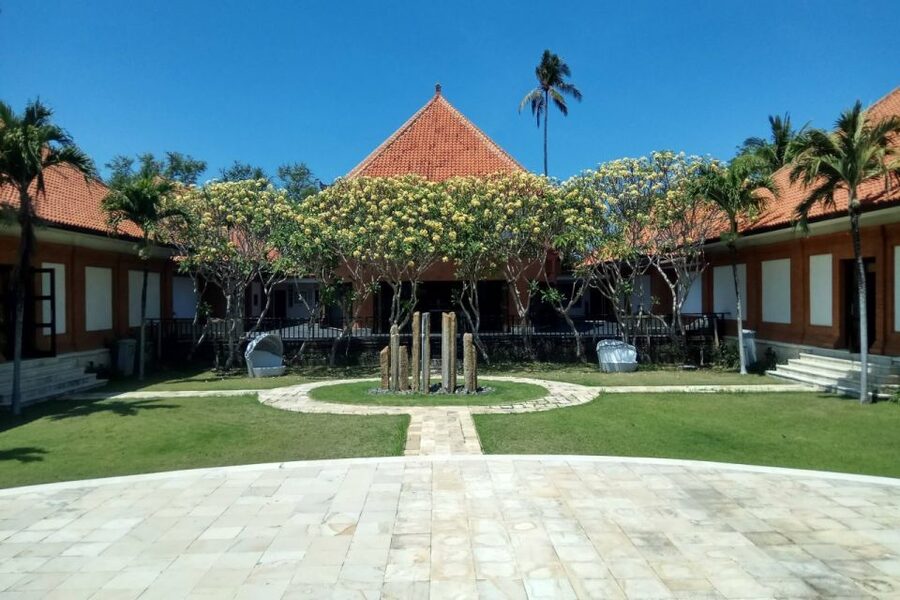
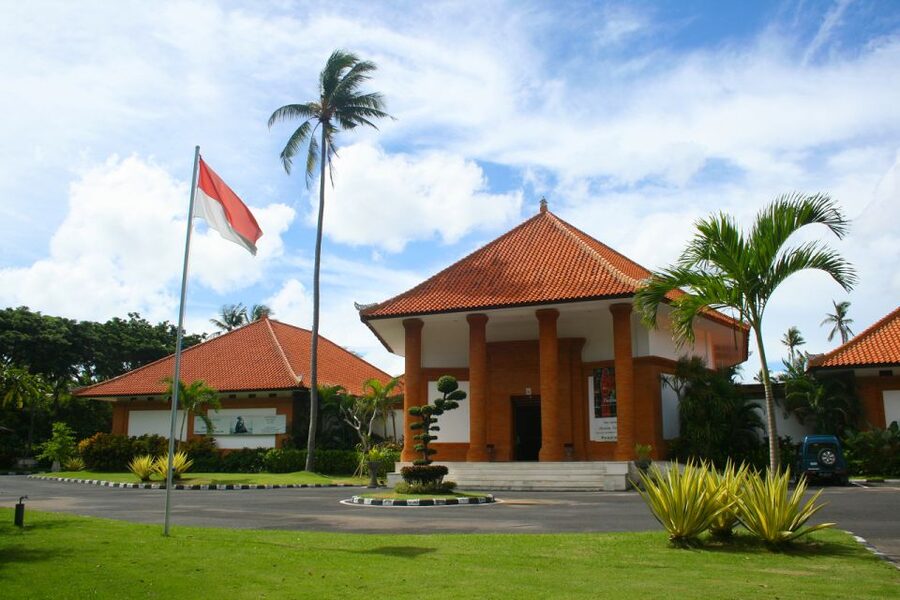
Museum Pasifika packs an unusually broad art collection into a calm Nusa Dua stop. More than 600 paintings and sculptures by 200 artists cover Indonesia, the wider Asia Pacific region, Europe, and Oceania, so you can move from Balinese art to Pacific sculpture without leaving the galleries.
I like the Michoutouchkine and Pilioko Collection, with about 200 sculptures from 10 Pacific nations, and the chance to see Indonesian masters such as Raden Saleh, Lempad, Affandi, Hendra, and Kobot. The main caution is the building’s condition: some artwork is not protected from Bali’s humidity, and there is no air-conditioning.
Key points to know
- More than 600 works: See paintings and sculptures by about 200 international artists, including over 50 Indonesian artists.
- Strong Indonesian section: Look for works by Raden Saleh, Lempad, Affandi, Hendra, and Kobot.
- Pacific art collection: Around 200 sculptures represent 10 nations and were collected over 50 years by Michoutouchkine and Pilioko.
- Audio guide choice: Learn about the displays in English or Indonesian while setting your own pace.
- Easy Nusa Dua visit: The museum has parking, a café, free Wi-Fi, refreshments, and wheelchair-accessible galleries.
- Good value at $7: The ticket suits a flexible cultural stop, especially if you enjoy art more than a tightly led tour.
A broad art collection in the heart of Nusa Dua
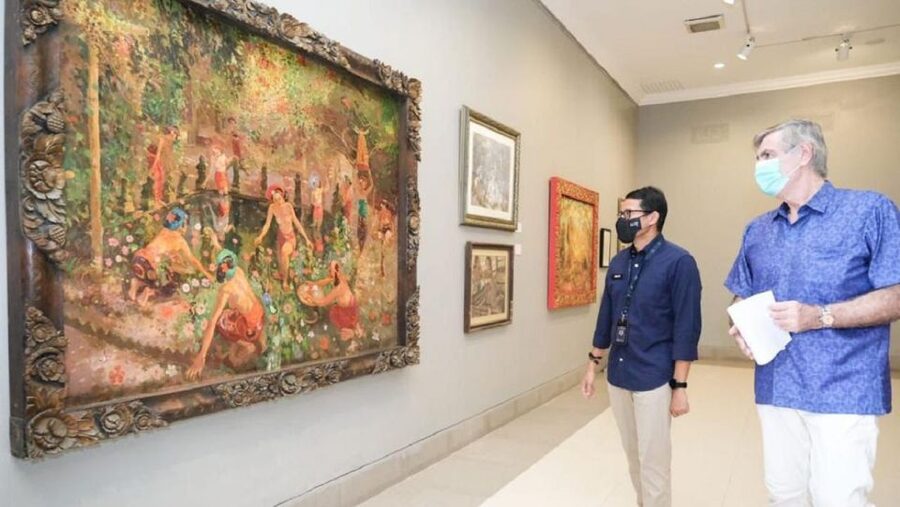
Museum Pasifika is not a single-artist museum or a tightly themed gallery. It is a wide survey of art connected to Indonesia, the Pacific, and the Asian continent.
That range is the main reason to visit. In one outing, you can see Indonesian modern art, European interpretations of Bali, works by artists from the former French and Dutch spheres, Vietnamese art-school pieces, Pacific sculptures, and a small group of famous Western names.
The museum gives you a full day of validity, but most people will likely use it as a shorter cultural stop in Nusa Dua. The quiet setting is useful here. You can take your time with the audio guide rather than being pushed through a large group.
The atmosphere is relaxed, yet the collection asks you to stay curious. Some rooms may feel more immediately appealing than others, since the quality and presentation vary across such a large group of works. That variety is part of the museum’s character, but it also means you should not expect every display to have the polish of a major international institution.
More Museum Audio Tours in the world:
- Florence: Uffizi Priority Ticket & Masterpieces Audio App
★ 4.2 · 6,402 reviews - Paris: Louvre Museum Hosted Entry and Mona Lisa Audioguide
★ 4.6 · 5,235 reviews - Venice: St. Mark Basilica Ticket, Audioguide+History Gallery
★ 3.9 · 4,780 reviews
Starting with Indonesian masters
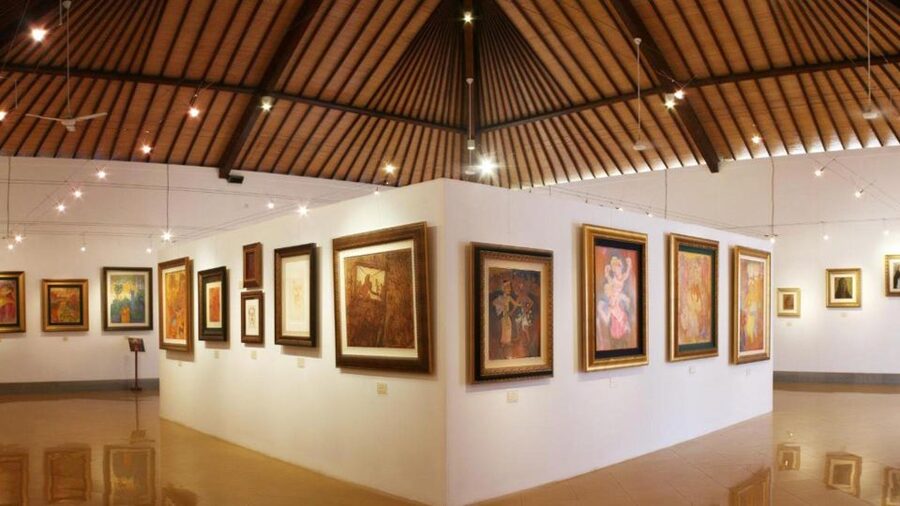
The Indonesian section is a natural place to begin. More than 50 Indonesian artists are represented, giving you a useful introduction to the country’s different artistic voices.
Look for Raden Saleh, Lempad, Affandi, Hendra, and Kobot. These names give the collection a solid local foundation, rather than making the museum simply a display of foreign artists who passed through Bali.
This part of the visit is especially useful if you are still learning how Indonesian art developed. You can compare the work of established masters with the wider selection of paintings and sculptures around them. The collection shows that Indonesian art is not one fixed style. It includes different approaches, subjects, and periods.
I would give this section time before rushing toward the better-known European names. The museum’s Indonesian holdings are among its most meaningful features, and they help you understand why Bali attracted so many artists from abroad.
The audio guide can add context as you go. It is available in English and Indonesian, and it lets you choose how much explanation you want. If you prefer to look quietly, you can keep moving without waiting for a guide or a scheduled talk.
European artists inspired by Bali and Asia
Several rooms focus on European artists whose work was shaped by time in Indonesia, Bali, or the wider Asian region. You may see pieces connected with Walter Spies, Miguel Covarrubias, Jean Le Mayeur, and Charles Sayers.
This section is worth approaching with some care. The works are not simply travel snapshots. They show how foreign artists looked at local culture, scenery, and daily life, often through their own artistic traditions.
That perspective can be interesting, but it is also selective. I like this section most when you treat it as a record of artistic exchange rather than a complete picture of Bali. The collection lets you compare European impressions with the Indonesian works nearby.
The Italian, French, and Dutch creators add another layer to the museum. Instead of presenting Bali in isolation, the galleries show how the island became part of a wider artistic conversation. You will see different responses to Asian subjects, from direct observation to more stylized interpretations.
The rooms can reward a slow pace. Stop at works that catch your eye, then use the audio guide to learn why a particular artist or period matters. At $7, this ability to move at your own speed adds to the ticket’s value.
The Hanoi Beaux-Arts connection
Museum Pasifika also includes works by Indonesian students of the Beaux-Arts School of Hanoi. This is an easy section to overlook if you come mainly for Balinese art or Pacific sculpture.
It is worth paying attention to because it widens the museum’s view of Southeast Asian art. The works connect Indonesian artists with an important art-school tradition beyond the island itself, and they have received attention in contemporary exhibitions and publications.
For you, the value is in seeing Indonesia within a wider regional setting. The museum is not only about Bali, and this group of works helps make that clear.
The selection also fits the museum’s larger purpose. It brings together artists and traditions that are often displayed separately, then places them in conversation with one another. That can make the visit feel exploratory rather than linear.
More audio tours around the world:
- Barcelona: Sagrada Familia Entry Ticket with Audio Guide
★ 4.6 · 105,312 reviews - Rome: Pantheon Fast-Track Ticket and Official Audioguide
★ 4.5 · 27,353 reviews - Barcelona: Casa Batlló Entry with Self-Audioguide Tour
★ 4.7 · 25,359 reviews - Rome: Colosseum & Forum with Audio Guide App -Optional Arena
★ 4.2 · 24,770 reviews
The Michoutouchkine and Pilioko Pacific collection
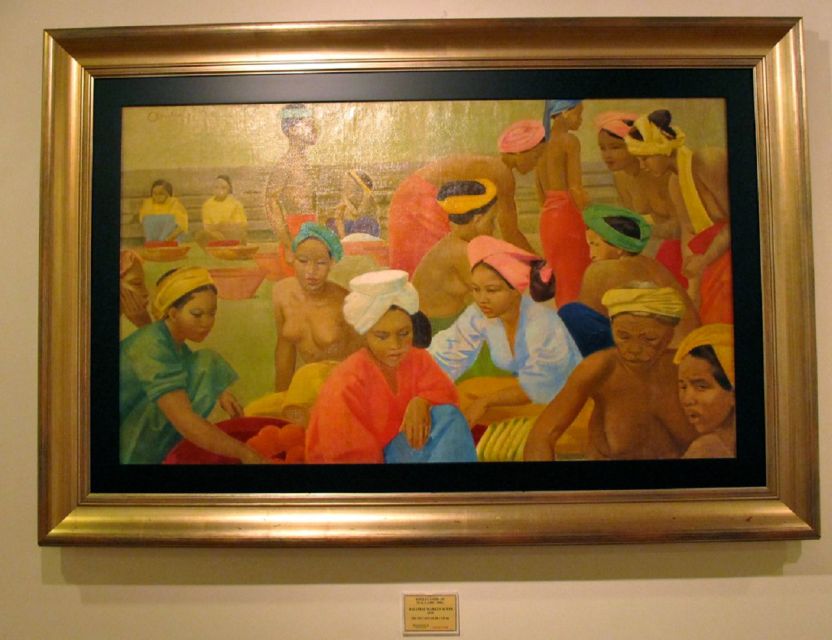
The strongest single feature for many visitors will be the Michoutouchkine and Pilioko Collection of Premier Art of Oceania.
This group includes about 200 sculptures from 10 different Pacific nations. The two artists assembled it over 50 years, and it is described as one of the most complete collections of its kind worldwide.
The scale matters. You are not looking at one or two Pacific objects added as decoration to an Indonesian museum. You get a substantial body of work with enough range to show differences among Pacific cultures and artistic traditions.
Sculpture changes the rhythm of the visit. After rooms dominated by paintings, these pieces give you a more physical, three-dimensional experience. Pay attention to form, materials, and the way each work occupies space.
The collection also gives the museum its clearest international identity. Indonesian art is central, but the Pacific section makes Museum Pasifika more than a general Bali art stop.
I would make this section a priority and leave enough time to examine the pieces properly. If you have only a short visit, start here, then see the Indonesian masters. The audio guide should help you understand the objects instead of treating them as a string of unfamiliar forms.
Gauguin, Matisse, Rodin, and other Western names
The Legendary Western Artists Exhibition brings a group of internationally recognized names into the museum. You may see sculptures and woodcuts by Paul Gauguin from his Tahiti period, along with works connected with Henri Rousseau, Henri Matisse, Auguste Rodin, Marvina Hoffmann, and Bernard Buffet.
These displays are useful as a final contrast with the Indonesian and Pacific rooms. The artists are linked by their interest in Asia or the Pacific, or by work created during periods shaped by those regions.
Gauguin’s Tahiti-period pieces are the main draw here. The museum also gives you a chance to see how other Western artists responded to Asian subjects or styles.
Keep your expectations sensible. The ticket gives you access to a collection containing works and names from many traditions, but it does not promise a large exhibition devoted to each artist. This is a survey, not a full Gauguin or Matisse museum.
That said, the range is impressive for a $7 admission. You can look at internationally familiar figures, then return to the Indonesian and Oceanic works with a better sense of how artists from different places approached the region.
How the audio guide changes the visit
The audio guide is one of the most useful inclusions, especially because the museum covers so many artists and countries.
Without some explanation, a large collection can become a procession of names and objects. The guide gives you a way to connect the displays and decide which works deserve more of your time.
English and Indonesian are available. You can listen as you move through the rooms, pause when a work interests you, and skip material that does not. That is more practical than a fixed lecture for a museum with such a wide range.
The information provided does not identify individual audio guides or live tour leaders, so you should expect a self-guided visit rather than a personal tour. That suits an independent museum visit, but people who want detailed conversation with an art specialist may find the format limited.
I recommend using the guide selectively. Listen to the introductions, then spend extra time with the Indonesian masters and the Pacific sculptures. You do not need to hear every entry to get value from the visit.
Comfort, condition, and the practical trade-offs
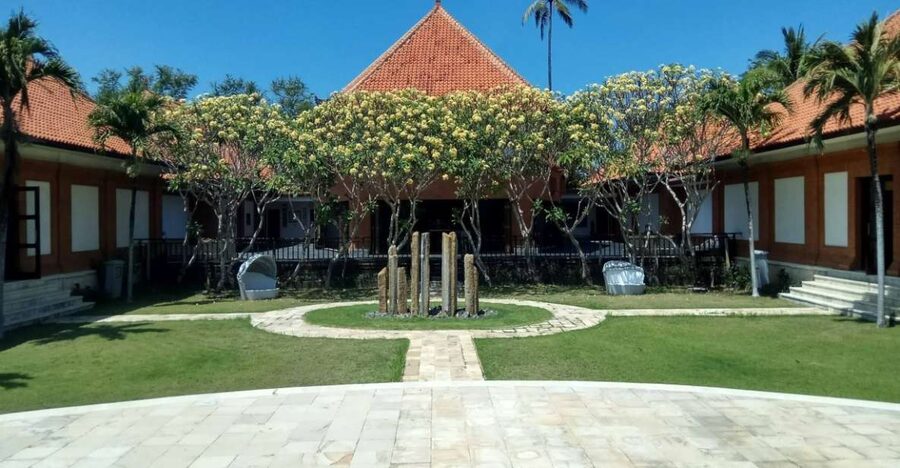
The museum provides a few welcome extras. Your admission includes a refreshment, cold towel, and a choice of tea, coffee, or infused water. There is also a café, free Wi-Fi, and a large parking area on site.
These details matter in Nusa Dua, where you may be fitting the museum between other activities. A cold towel and drink make it easier to pause after walking around, and the café gives you somewhere to sit before or after the galleries.
The galleries and facilities are accessible to wheelchairs and motorized wheelchairs. That makes the museum a practical choice for visitors who need step-free access, although the information does not specify details such as restroom layouts or gallery widths.
The main concern is the indoor environment. There is no air-conditioning, and doors may be left open. In Bali’s humid climate, that can make the visit less comfortable and may affect the long-term condition of artworks.
Some pieces are not protected, and humidity-related damage is a genuine concern. I would not expect the same controlled setting you find in a major museum with strict climate management.
Flash photography, tripods, weapons, and sharp objects are not allowed. Plan to view the work without flash and leave large photography equipment behind. These rules are simple, but they help protect a collection that already faces challenging conditions.
Is the $7 ticket good value?
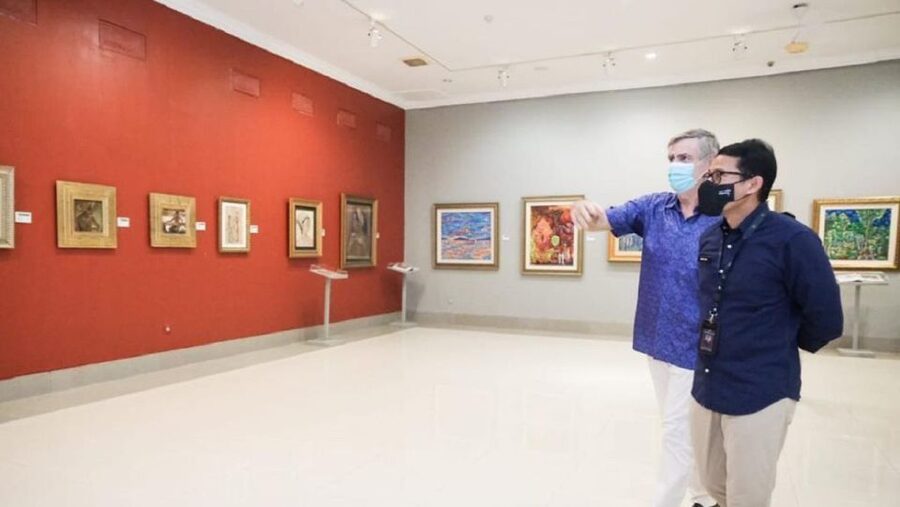
At $7 per person, the ticket is easy to justify if you enjoy art, cultural history, or a quiet indoor stop. You get access to more than 600 works, an audio guide, refreshments, and the freedom to visit during the ticket’s one-day validity.
The value is strongest for visitors who appreciate variety. You can see Indonesian masters, European artists connected with Bali, Hanoi-trained Indonesian artists, Pacific sculpture, and well-known Western artists in one place.
The value is weaker if you expect polished museum infrastructure. The lack of air-conditioning and concerns about artwork protection are important. Some people may also find the collection uneven or underwhelming, especially if they prefer a sharply focused exhibition.
I would think of the ticket as an affordable art sampler. It is not trying to replace a major museum visit, but it offers far more than a quick decorative display. At this price, the range is the attraction.
Who should visit Museum Pasifika?
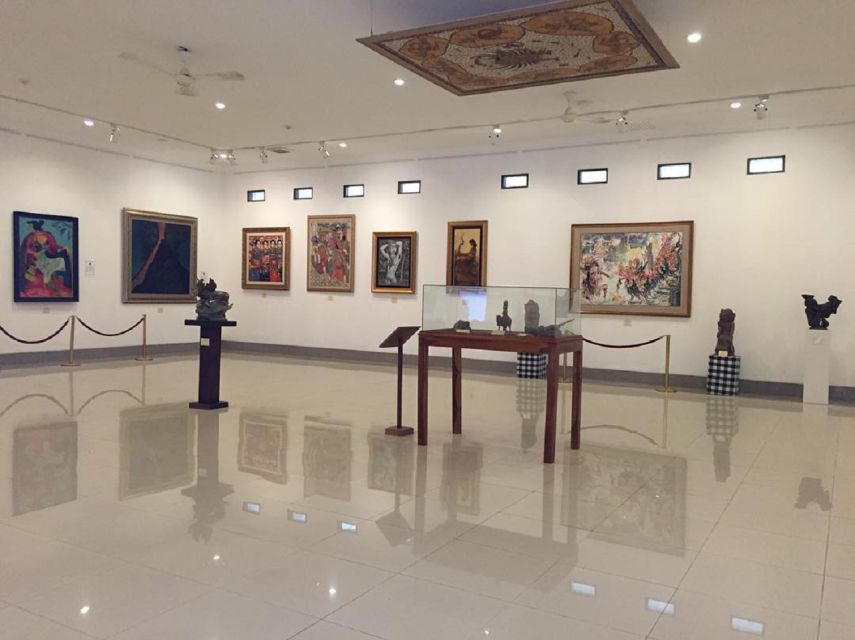
I would recommend this experience to art-minded visitors staying in Nusa Dua, families looking for a calm cultural activity, and anyone who wants a break from outdoor sightseeing.
It is also a good fit for independent visitors. You do not need to follow a group schedule, and the audio guide lets you set your own pace.
Children aged 0 to 11 enter free, which improves the value for families. Still, the wide collection may appeal more to older children who can spend time looking at sculpture and paintings.
The museum is less suitable if you want a highly polished, climate-controlled art institution or a personal curator-led tour. The building conditions are a real consideration, and the visit depends on your own interest in exploring a broad collection.
Should you book this Nusa Dua museum ticket?
Book it if you want a quiet, affordable cultural stop with genuine range. The Indonesian masters and the Pacific sculpture collection are the main reasons to go, while the audio guide helps make sense of the museum’s many rooms.
I would schedule it for a time when you can move slowly, use the guide, and take advantage of the café and included drink. Keep your expectations realistic about the warm galleries and presentation quality.
At $7, Museum Pasifika offers good value for independent art lovers, families with young children, and anyone curious about the artistic links among Indonesia, Oceania, and Europe. Skip it only if air-conditioning and museum-grade conservation are more important to you than the breadth of the collection.
FAQ
Where is Museum Pasifika located?
Museum Pasifika is in Nusa Dua, Bali, Indonesia. You show your ticket at the reception area.
How much does admission cost?
The listed price is $7 per person.
How long is the ticket valid?
The ticket is valid for one day, on the visit date selected during booking.
Is an audio guide included?
An audio guide is available in English and Indonesian. The activity information lists the guide as optional.
What can I see at Museum Pasifika?
You can see more than 600 paintings and sculptures by about 200 artists, including Indonesian masters, European artists inspired by Asia, Pacific sculpture, Hanoi-trained Indonesian artists, and works linked with Gauguin, Rousseau, Matisse, Rodin, Marvina Hoffmann, and Bernard Buffet.
Do children need a ticket?
Children aged 0 to 11 can enter free of charge.
Is the museum wheelchair accessible?
Yes. The galleries and facilities are accessible to wheelchairs and motorized wheelchairs.
What is included with admission?
Admission includes the entry ticket, audio guide availability, a refreshment, a cold towel, and drinks such as tea, coffee, or infused water. Hotel pickup and drop-off are not included.
New audio tours around the world
- London Panoramic Open Top Bus Tour with Audio Guide★ 4.0 · 209 reviews
- London: National Gallery Audio Tour (No Entry Ticket)★ 3.5 · 11 reviews
- London’s Alternative History: A Self-Guided Audio Tour★ 5.0 · 4 reviews
- London: British Museum Audio Guide & Small Group Entry★ 3.5 · 81 reviews
- London: British Museum’s English Audio Tour with Free Reservation★ 3.0 · 15 reviews
- London: Churchill War Rooms Ticket & Political London Audio Tour★ 4.0 · 83 reviews
- London: British Museum Audio Tour with Free Guaranteed Entry★ 3.0 · 30 reviews
- Houses of Parliament Ticket & Political London Audio Guide★ 4.0 · 13 reviews
Museum Audio Tours, compared.
Florence: Uffizi Priority Ticket & Masterpieces Audio App
Read our review →
Paris: Louvre Museum Hosted Entry and Mona Lisa Audioguide
Read our review →
Venice: St. Mark Basilica Ticket, Audioguide+History Gallery
Read our review →
Rome: Borghese Gallery Skip-the-Line Ticket & Audioguide
Read our review →
Rome: Borghese Gallery Ticket + Audioguide or Guided Tour
Read our review →
Paris: Orsay Museum Entry Ticket and Digital Audio Guide App
Read our review →
Florence: Uffizi Gallery Timed Entry Ticket & Audio Guide
Read our review →
Athens: Acropolis Museum Ticket with optional Audio Guide
Read our review →Browse the lists this tour appears in