
Review · MUSEUM AUDIO TOURS
Hellisheiði Geothermal Exhibition: Entry and Audio Tour
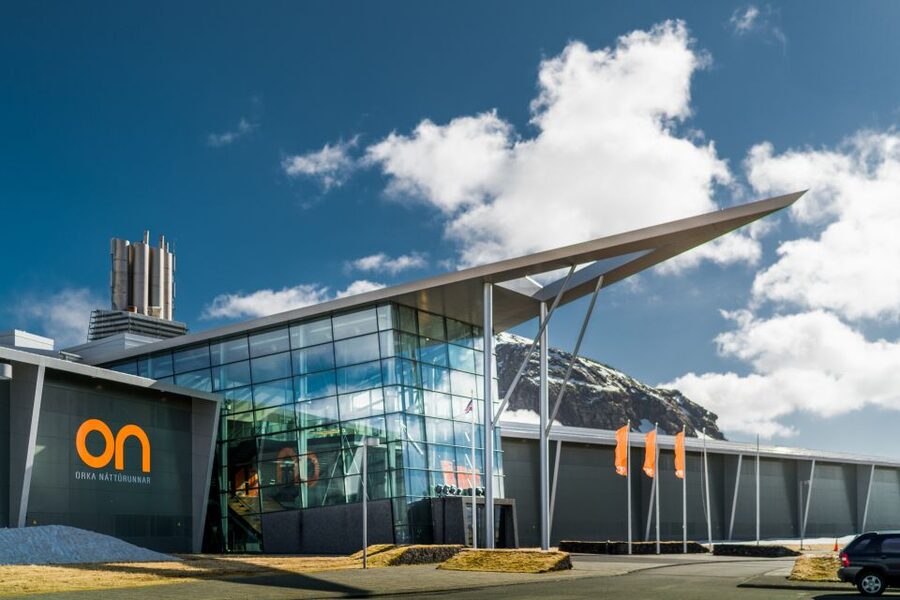
Iceland’s geothermal story becomes much clearer when you see the machinery, science, and environmental work behind it. At Hellisheiði, you learn how heat beneath Mount Hengill becomes electricity and hot water at one of the world’s largest single-site geothermal plants.
I like the self-paced format, which lets you spend extra time on the technical displays instead of being pushed along. I also like the Carbfix room, where the exhibition explains one of Iceland’s efforts to deal with carbon emissions. The main consideration is simple: this is an audio and exhibition visit, not a guided walk inside the operating plant with hardhat and safety vest.
Key points
- See geothermal power in its working setting: The exhibition sits at Hellisheiði Power Plant, surrounded by lava fields, moss, and mountain scenery.
- Start with Stop 9: The Production Process display gives you the clearest basic explanation of how geothermal energy becomes power and hot water.
- Use your own pace: Your ticket is valid for one day, and you can stay as long as you like after entering during opening hours.
- Bring your own listening kit: The audio tour works on Android and iOS, but you should bring a charged smartphone and headphones.
- Ask the reception staff: The visit is self-guided, though staff can answer questions. Antonia was singled out for being especially helpful.
- Good value for science-minded visitors: At $21 per person, the visit offers more than a quick photo stop, particularly if you give the displays an hour or more.
Why Hellisheiði makes geothermal power easier to understand
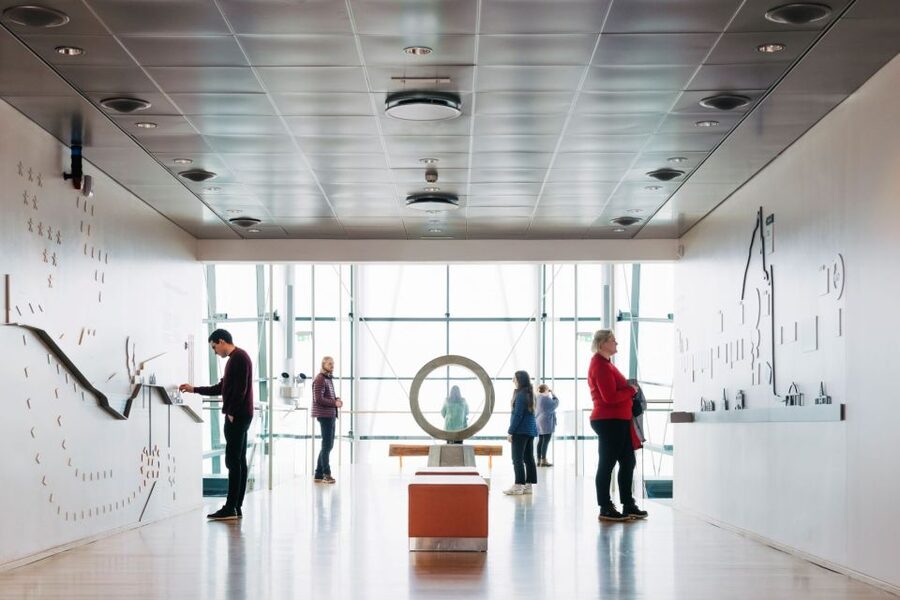
Geothermal energy can sound simple: Iceland has volcanic heat, so Iceland uses it. The real process is far more involved. Hellisheiði gives you a look at the engineering needed to bring that heat safely to the surface and turn it into useful energy.
The exhibition is located at the Hellisheiði Power Plant, beneath Mount Hengill and roughly 20 minutes from Reykjavík. You are not just looking at a model in a city museum. The exhibition sits beside an operating geothermal facility, with the surrounding lava fields and mountain scenery providing a useful reminder that the energy comes from the ground beneath you.
I like that the visit connects three subjects that are often separated: Iceland’s natural setting, its energy system, and its environmental choices. You learn about the country’s use of geothermal heat, then see how modern technology helps control and store that energy.
The visit also gives you a better sense of scale. Geothermal power is not only about hot springs and warm swimming pools. It requires drilling, pipes, turbines, monitoring, research, and a great deal of investment. The exhibition explains those links in a way that works for adults, teenagers, and children with some help.
More Museum Audio Tours in the world:
- Florence: Uffizi Priority Ticket & Masterpieces Audio App
★ 4.2 · 6,402 reviews - Paris: Louvre Museum Hosted Entry and Mona Lisa Audioguide
★ 4.6 · 5,235 reviews - Venice: St. Mark Basilica Ticket, Audioguide+History Gallery
★ 3.9 · 4,780 reviews
Start at Stop 9 to understand the whole process
You can move through the displays in your own order, but I would begin at Stop 9, Production Process. It explains the industrial system most directly, and understanding it early makes the rest of the exhibition easier to follow.
This section helps explain how heat and water from underground become energy and hot water for people. It also gives you useful context for the large-scale equipment and plant operations nearby. If you begin with the more general displays, the process may feel scattered. Starting here gives you a framework for everything that follows.
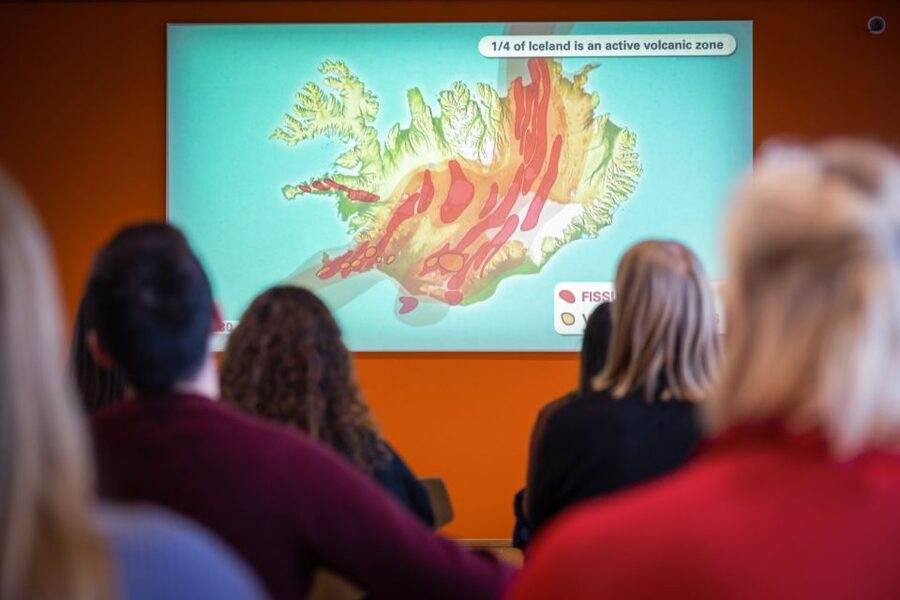
The exhibition is designed to teach through a mix of audio, films, interactive displays, and visual explanations. That variety matters because geothermal energy can become technical very quickly. You do not have to read long blocks of text or rely only on one presentation style.
You might find that the audio commentary and screens repeat some basic ideas. That is helpful for families and visitors with different levels of interest, though one person found the audio guide somewhat disjointed. You can simply pause, move on, or return to a display without holding up a group.
Interactive displays that work for adults and children
The interactive elements are one of the strongest parts of the visit. They give you something to do while explaining a subject that might otherwise feel like a lecture on pipes, pressure, and underground heat.
Adults interested in science and engineering will find plenty to examine. The exhibition also suits teenagers, especially if they enjoy technology or environmental subjects. Younger children can take part in the interactive features, but they may need an adult to explain why the process matters and how the separate displays fit together.
I would not treat this as a purely child-focused attraction. It is educational first, with enough visual and hands-on material to keep the experience approachable. A science teacher described the displays as useful material to share with students, which makes sense: the exhibition connects classroom ideas to a real energy facility.
The films add another layer to the visit. They help break up the technical sections and explain Iceland’s geothermal work in a more accessible way. You can spend extra time with the parts that interest you, rather than being limited to a fixed presentation.
The Carbfix room adds an important climate question
The Carbfix room is a particularly useful part of the exhibition because it moves beyond the basic message that geothermal energy is clean. It introduces the plant’s partnership with Carbfix and explains work connected to carbon capture and the climate crisis.
That matters because sustainable energy is not a single, finished solution. Even a geothermal plant raises questions about emissions, carbon management, research, and the limits of natural resources. The Carbfix section shows that Iceland’s energy system involves ongoing work, not just a simple success story.
I like this part because it gives the visit more balance. You are not only shown how Iceland benefits from its volcanic setting. You also see the research and environmental effort aimed at reducing the impact of energy production.
The Carbfix material may be most useful for adults, older children, and anyone already interested in climate policy or industrial technology. Younger children might need a short explanation from you. The audio guide provides support, but this is one place where a little conversation can make the subject more understandable.
More audio tours around the world:
- Barcelona: Sagrada Familia Entry Ticket with Audio Guide
★ 4.6 · 105,312 reviews - Rome: Pantheon Fast-Track Ticket and Official Audioguide
★ 4.5 · 27,353 reviews - Barcelona: Casa Batlló Entry with Self-Audioguide Tour
★ 4.7 · 25,359 reviews - Rome: Colosseum & Forum with Audio Guide App -Optional Arena
★ 4.2 · 24,770 reviews
Viewing platforms bring the outside world into the visit
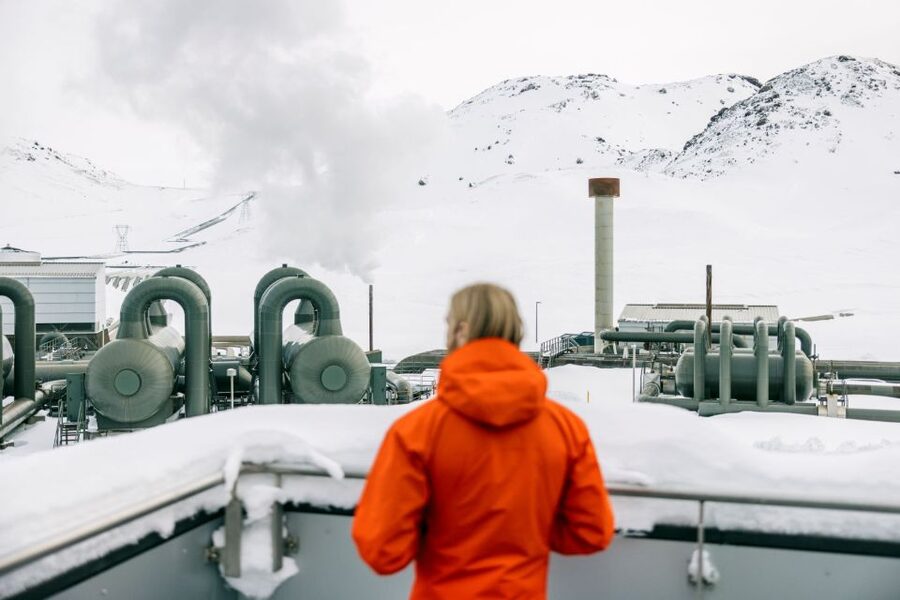
The exhibition includes viewing platforms where you can look toward the surrounding Icelandic scenery. From inside the facility, you can take in the lava fields, moss, and mountains around Mount Hengill.
These views are not a substitute for a separate nature excursion, but they improve the visit. You see the setting that makes geothermal energy possible, then return to the displays with a clearer sense of place. The combination of industrial technology and raw volcanic scenery is the main visual appeal.
The viewing areas also give you a natural pause between technical sections. If you have been listening to the audio guide and studying the displays, a short look outside helps you reset before continuing.
Do not expect the experience to include a guided walk through the plant itself. The exhibition lets you learn about the facility and see the surrounding setting, but the standard entry does not include a staff-led plant tour, hardhat, safety vest, or special access to massive working equipment. That distinction is important if you are booking because you want an industrial behind-the-scenes visit.
How long should you allow?

The ticket is valid for one day, and the starting time is flexible within the opening hours. You are welcome to remain after entering for as long as you like, so you do not need to rush through every display.
For a quick visit, you might spend about an hour. That gives you time for the main production explanation, several interactive sections, the films, and the Carbfix room. If you enjoy science and technology, allow longer so you can listen carefully and use the displays rather than simply walking through.
The winter schedule, from November 1 through March 31, is 9 AM to 4 PM. Summer hours, from April 1 through October 31, are 9 AM to 5 PM.
This flexible setup works well as a stop on a driving day from Reykjavík or the Southern Region. You can fit it around changing weather, other sights, or a meal. It is less suitable if you need a tightly timed guided activity, since no fixed tour group or live guide leads you through the exhibition.
Audio tour practicalities
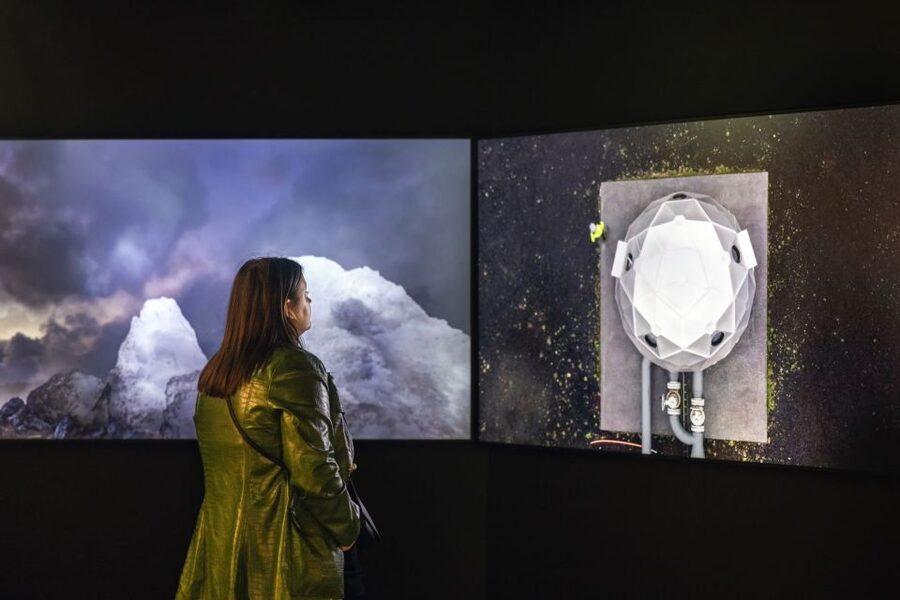
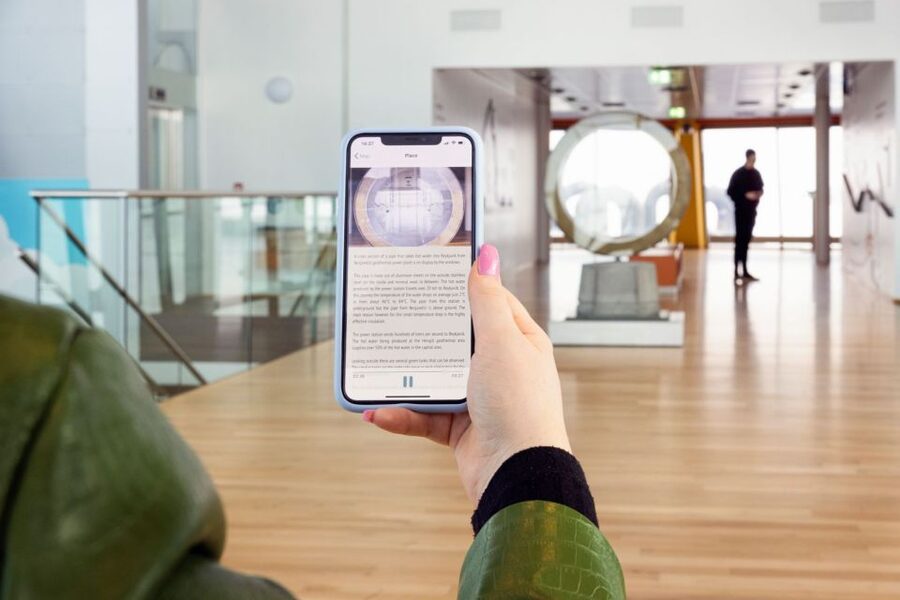
The audio guide is available in English and Icelandic and works through Android and iOS. Bring your own charged smartphone and headphones. That is easy to overlook, and arriving without either one can make the visit less comfortable.
The audio tour lets you control the pace. Pause it when you want to study a display, replay an explanation, or skip ahead if a section is less relevant to you. This is one reason the experience works for mixed-age groups, since each person can spend more or less time at a given station.
The tradeoff is that self-guided audio does not answer questions as you go. You can ask on-site staff for help, and the reception team is available, but you should not expect a dedicated guide assigned to your party. Antonia was specifically praised for answering questions, so staff support is part of the experience even though the tour itself is not guided.
If you prefer a person to explain every stage, this may feel less satisfying than a live tour. If you prefer privacy and control, the format is a good match.
Getting there and planning the stop
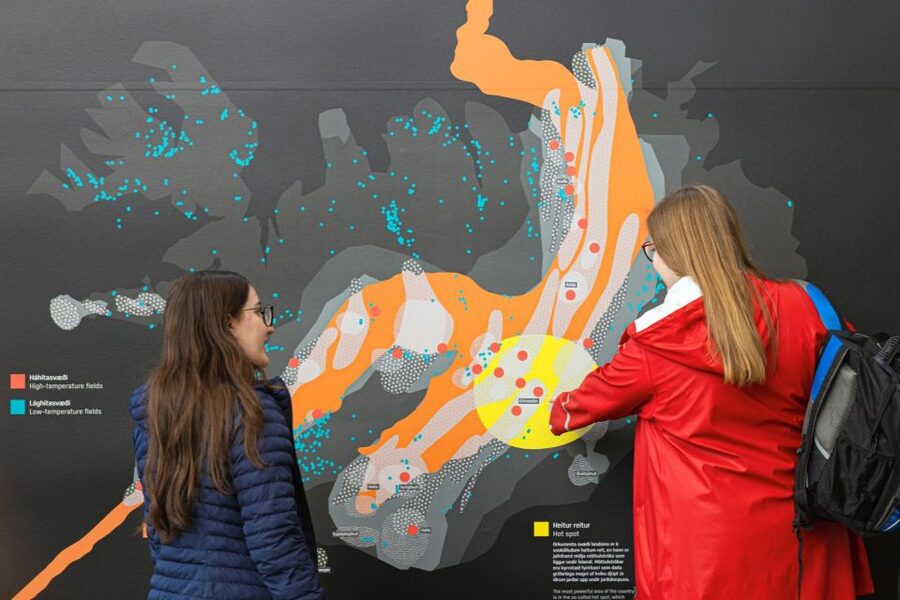
The meeting point is the entrance to the Geothermal Exhibition at Hellisheiðarvirkjun, 801 Selfoss, Iceland. The plant is roughly 20 minutes outside Reykjavík, making it an easy addition to a day of sightseeing in the area.
Free parking is included. You go directly to the exhibition entrance with your ticket, rather than meeting a guide elsewhere. That keeps the arrival simple, especially if you are driving.
Food and drinks are not included, though they are available to purchase on-site. Plan your timing around that if you are combining the visit with a longer drive. The exhibition itself is a focused educational stop, not a full-day attraction with a large schedule of activities.
The facility is wheelchair accessible. English and Icelandic are available for both the audio guide and the host or greeter.
Is $21 a fair price?
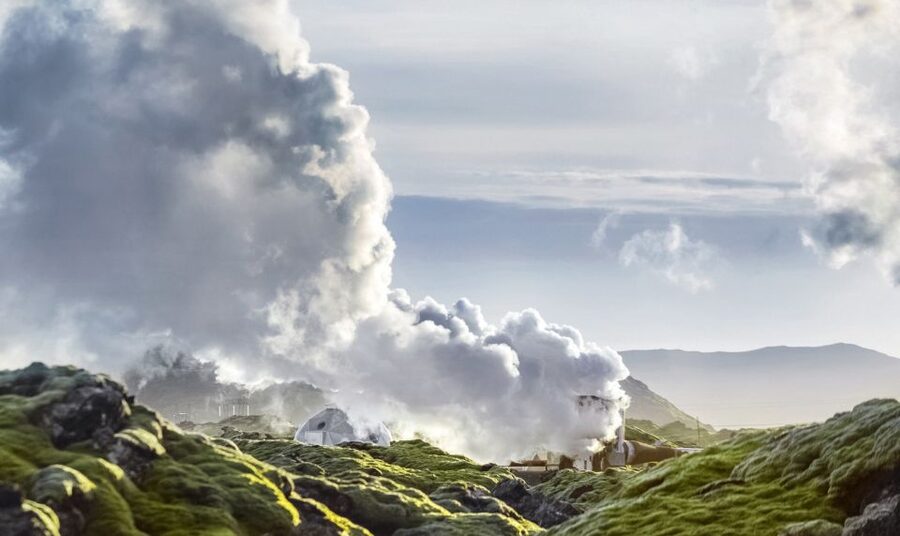
At $21 per person, I consider this good value if you have a real interest in energy, technology, climate issues, or Iceland’s use of natural resources. The price includes entry, the audio tour, interactive exhibits, films, viewing platforms, and free parking.
The value depends on how you use the visit. If you spend only 20 minutes looking around, the fee may feel high for a short stop. Give it an hour or more, follow the production process carefully, and spend time in the Carbfix room, and the cost feels more justified.
It is also useful because you are seeing an energy system in its working environment. Many Iceland excursions focus on waterfalls, glaciers, hot springs, and scenery. Hellisheiði gives you a different kind of Icelandic experience, one based on engineering and public infrastructure.
I would not book it solely because you want dramatic views. The setting is attractive, but the main reason to come is to understand how geothermal energy works and why it matters.
Who will enjoy this experience most?
I would recommend Hellisheiði to:
- Adults who enjoy science, engineering, or environmental subjects
- Families with older children and teenagers
- Teachers and students looking for a real-world example of renewable energy
- Visitors curious about how Iceland heats buildings and produces power
- Anyone planning a drive near Reykjavík or Selfoss who wants an educational stop
- People who prefer flexible, self-guided visits
I would be more cautious if you want a live guide, a short tour inside the plant, or close views of operating machinery. The exhibition explains the process well, but it does not provide the hardhat-and-safety-vest experience some people may expect from a power plant visit.
Should you book Hellisheiði?
Book it if you want to understand the working side of Iceland’s geothermal system, not just admire its natural scenery. Start at Stop 9, bring headphones and a fully charged phone, and give yourself at least an hour for the production displays, films, interactive stations, Carbfix room, and viewing platforms.
Skip it if your schedule is packed with outdoor sights or if you need a guided plant tour. For everyone else, $21 buys a clear, flexible, and worthwhile look at how Iceland turns underground heat into everyday energy.
FAQ
Where is the Hellisheiði Geothermal Exhibition?
It is at Hellisheiðarvirkjun, 801 Selfoss, Iceland, roughly 20 minutes outside Reykjavík.
How much does entry cost?
Entry costs $21 per person.
Is the visit guided?
The visit is self-guided. An audio tour is included, and on-site staff can answer questions.
Which languages are available?
The audio guide is available in English and Icelandic. The host or greeter languages are also English and Icelandic.
What should I bring?
Bring headphones and a charged smartphone. The audio guide works on Android and iOS.
What are the opening hours?
From November 1 through March 31, the hours are 9 AM to 4 PM. From April 1 through October 31, the hours are 9 AM to 5 PM.
Is the exhibition wheelchair accessible?
Yes, the exhibition is wheelchair accessible.
New audio tours around the world
- London Panoramic Open Top Bus Tour with Audio Guide★ 4.0 · 209 reviews
- London: British Museum Audio Guide & Small Group Entry★ 3.5 · 81 reviews
- London: National Gallery Audio Tour (No Entry Ticket)★ 3.5 · 11 reviews
- London’s Alternative History: A Self-Guided Audio Tour★ 5.0 · 4 reviews
- London: British Museum’s English Audio Tour with Free Reservation★ 3.0 · 15 reviews
- London: Churchill War Rooms Ticket & Political London Audio Tour★ 4.0 · 83 reviews
- London: British Museum Audio Tour with Free Guaranteed Entry★ 3.0 · 30 reviews
- Houses of Parliament Ticket & Political London Audio Guide★ 4.0 · 13 reviews
Museum Audio Tours, compared.

Florence: Uffizi Priority Ticket & Masterpieces Audio App
Read our review →
Paris: Louvre Museum Hosted Entry and Mona Lisa Audioguide
Read our review →
Venice: St. Mark Basilica Ticket, Audioguide+History Gallery
Read our review →
Rome: Borghese Gallery Skip-the-Line Ticket & Audioguide
Read our review →
Rome: Borghese Gallery Ticket + Audioguide or Guided Tour
Read our review →
Paris: Orsay Museum Entry Ticket and Digital Audio Guide App
Read our review →
Florence: Uffizi Gallery Timed Entry Ticket & Audio Guide
Read our review →
Athens: Acropolis Museum Ticket with optional Audio Guide
Read our review →Browse the lists this tour appears in