
Review · CANADA
Montreal: Art Center and Museum Audio Guided Tour
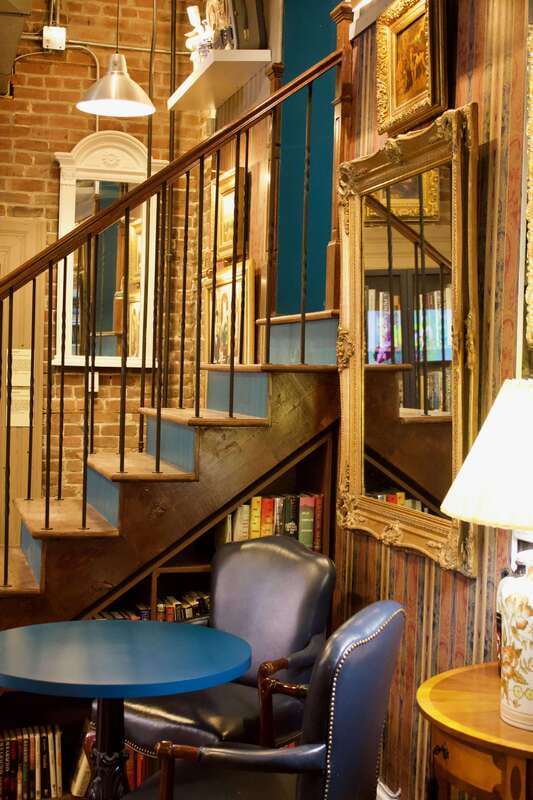
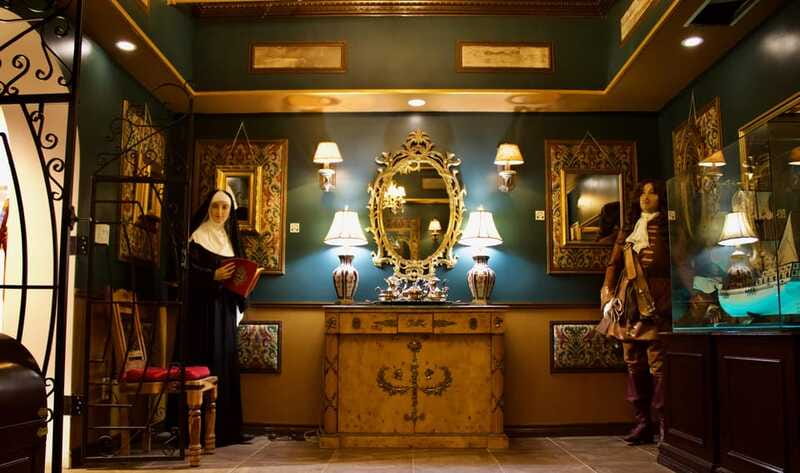
Montreal’s Art Center and Museum is part gallery, part working art building, and part time capsule. The 1879 structure once housed Caledonian Iron Works, where parts for ship engines and trains were made. Today, you move from modern studios to 19th-century art, with old safes, Douglas fir beams, antique furniture, and wax figures from the former Grévin Museum along the way.
I like the chance to meet more than 45 local artists in their studio spaces, and I like the freedom to explore at your own pace with an English or French audio guide. The $12 price is modest for a full day of access, though the building has three floors and no elevator, and one visitor found the presentation somewhat disorganized.
Key points to know
- A former ironworks building: The museum occupies a 1879 patrimonial building in Griffintown, once used by the Caledonian Iron Works company.
- Modern art beside old masters: You can see local artists’ work alongside 19th-century European and international paintings.
- Picasso, Monet, and Rembrandt on paper: The collection includes notable 19th and 20th-century works on paper.
- A working-art atmosphere: The studio visit lets you see where resident artists create their work, not just finished pieces on a wall.
- Historic objects add variety: Look for 140-year-old safes, Douglas fir structural elements, antique furniture, and old Grévin wax statues.
- Three floors, no elevator: Plan for stairs. This experience is not suitable for wheelchair users or people with mobility impairments.
A 1879 ironworks building in Griffintown
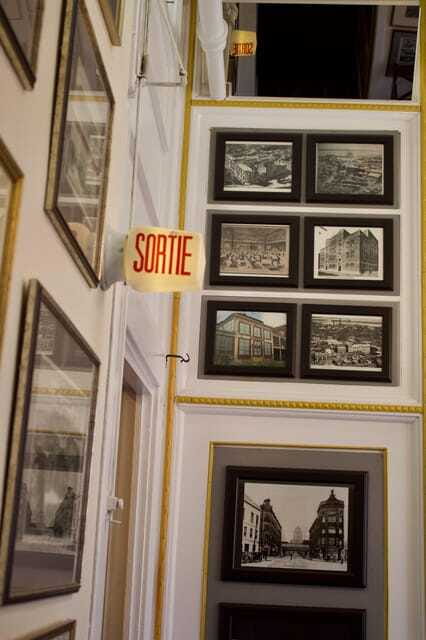
The building is the first reason to come. This is not a modern white gallery designed to make every painting look the same. It is an old industrial property with visible traces of its working past.
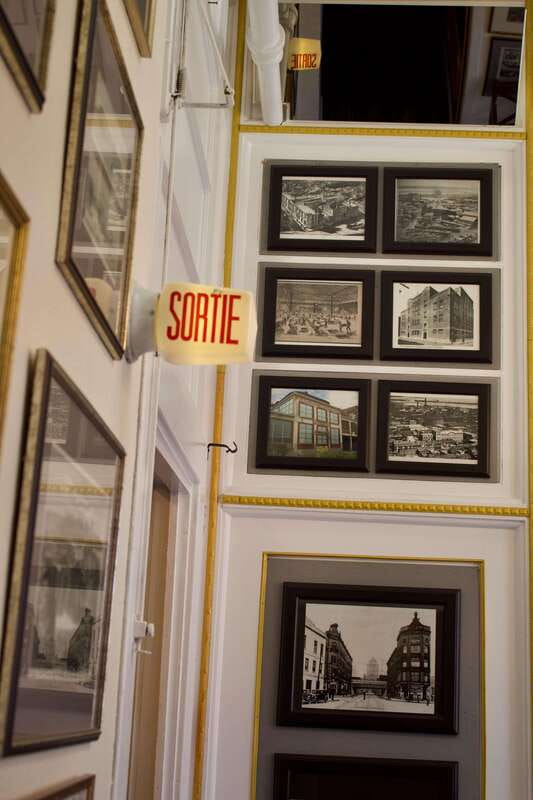
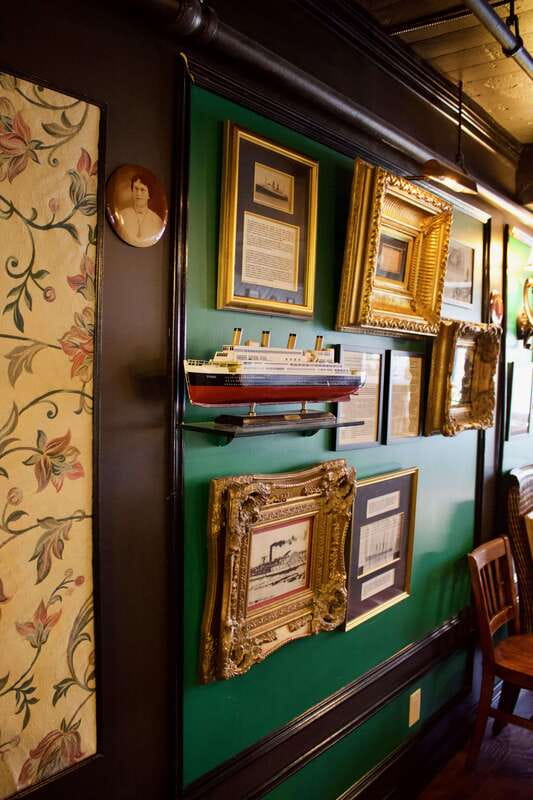
Built in 1879, the structure belonged to Caledonian Iron Works, a company that produced parts for ship engines and trains. That background gives the visit a useful sense of place. You are not simply looking at art in a neutral room. You are seeing art inside a building that once helped supply Montreal’s industrial economy.
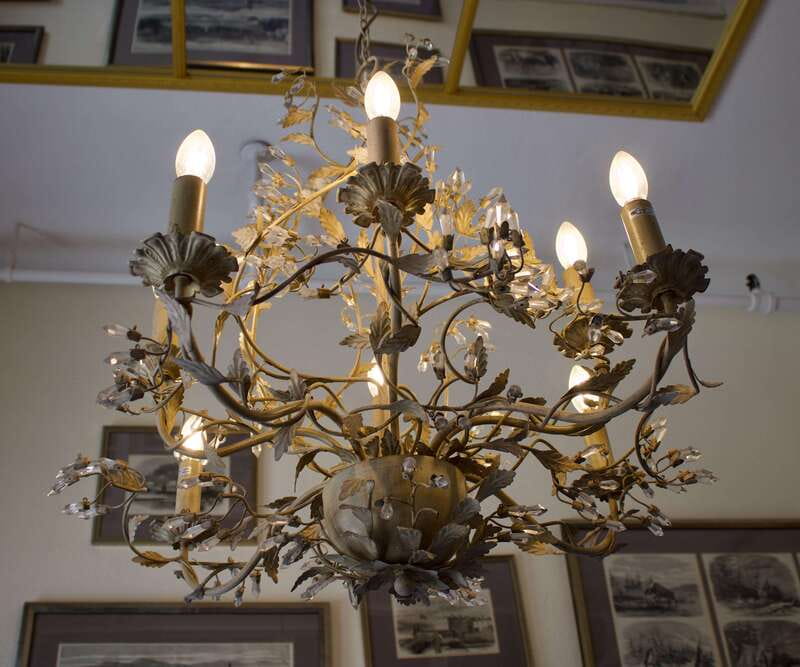
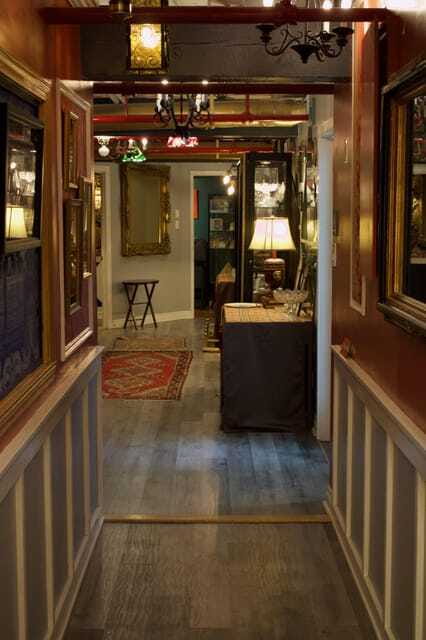
Look for the 140-year-old safes and the Douglas fir wood elements that support the building. Antique furniture and displays add to the feeling of a place assembled over time. The building itself may catch your attention between galleries, especially if you enjoy old construction details as much as paintings.
The setting also explains why the visit can feel a little less polished than a major public museum. Rooms and studio areas may have different moods, and the arrangement is not always perfectly clear. One visitor described the experience as interesting but somewhat disorganized. I would treat that as useful advice: arrive ready to explore rather than expecting a tightly staged route with a clear beginning and end.
More Museum Audio Tours in Canada:
- Florence: Uffizi Priority Ticket & Masterpieces Audio App
★ 4.2 · 6,402 reviews - Paris: Louvre Museum Hosted Entry and Mona Lisa Audioguide
★ 4.6 · 5,235 reviews - Venice: St. Mark Basilica Ticket, Audioguide+History Gallery
★ 3.9 · 4,780 reviews
Moving from local studios to museum galleries
The experience combines several kinds of art that do not always appear together. You begin with modern work by local artists, then encounter a permanent collection of European and international 19th-century paintings, followed by works on paper from the 19th and 20th centuries.
That mix is the museum’s main appeal. You can compare the work of artists creating in Montreal today with older European and international traditions. The contrast helps you look more closely. A modern painting may feel different after you have seen the techniques, subjects, and materials represented in the older collection.
The exact route can vary because this is a one-day admission rather than a short, timed tour. You receive a museum map and an audio guide in English or French. Use the map early, then decide how much time to give each room. The audio guide is useful if you want context, but you are also free to pause, move on, and return to a work that catches your eye.
This flexible format suits people who dislike being hurried. A Canadian visitor specifically appreciated being able to go at their own pace. That matters here because the museum combines a building tour, studio spaces, permanent galleries, and historical displays. A quick pass would miss much of the character.
Meeting Montreal’s resident artists
The artists’ studio spaces make this different from a standard museum visit. The center is home to more than 45 resident artists, and the studio tour gives you a look at the place where some of the work is made.
You should not expect every artist to be present or available for a private conversation. The provided information promises access to the studio spaces and an opportunity to meet some of the local artists, but it does not guarantee a scheduled talk or demonstration. Think of this as a chance to see working spaces and gain a closer connection to Montreal’s current art scene.
This is also where the visit becomes more personal. In a conventional gallery, you see the finished object after the creative process has disappeared. Here, the studio setting can remind you that the work belongs to living artists with individual practices and working routines.
If you find a piece you like, you can support the artist by purchasing artwork. That makes the visit useful for shoppers as well as museumgoers. The $12 admission does not include an artwork purchase, of course, but the option gives the center a direct connection to local creative life.
The mix of private studio areas and public galleries may also contribute to the slightly rough-and-ready feeling. For some visitors, that is part of the charm. For others, it may feel less orderly than a traditional museum. I would choose this experience if you value access to working artists more than a perfectly controlled exhibition design.
The 19th-century collection and works on paper
The permanent collection includes European and international paintings from the 19th century. This gives the visit a more traditional museum side after the modern studio spaces.
The collection also includes 19th and 20th-century works on paper by Picasso, Monet, Rembrandt, and other artists. Works on paper can be easy to overlook, but they offer a different view of an artist’s hand. Drawings, prints, and other paper works often feel more direct than large finished paintings, though the specific works on display may vary.
The supplied details do not provide a complete list of artists or individual titles, so you should use the audio guide and museum map to identify the pieces that interest you. If Picasso, Monet, or Rembrandt is a major reason for your visit, keep your expectations measured. The information confirms their presence in the works-on-paper collection, but it does not promise a large dedicated exhibition for each artist.
I like this part of the museum because it gives the $12 ticket more weight. You are not paying only for a quick look at local art studios. You also get access to a permanent collection with internationally known names and a historical setting that adds context.
At the same time, the museum is not described as a vast national institution with a long list of major galleries. The strength is variety and atmosphere. If you want one famous masterpiece after another, you may prefer a larger, more conventional museum. If you enjoy finding connections between old art, new art, and the building itself, this visit offers more value.
More audio tours around Canada:
- Cabot Trail: a Smartphone Audio Driving Tour
★ 4.5 · 118 reviews - Icefields Parkway: a Smartphone Audio Driving Tour
★ 4.0 · 118 reviews - A 7th-Gen Local’s View of Downtown Charlottetown: An Audio Tour
★ 4.5 · 27 reviews - Smartphone Audio Driving Tour between Banff and Calgary
★ 4.0 · 25 reviews
Wax figures, old furniture, and unexpected displays
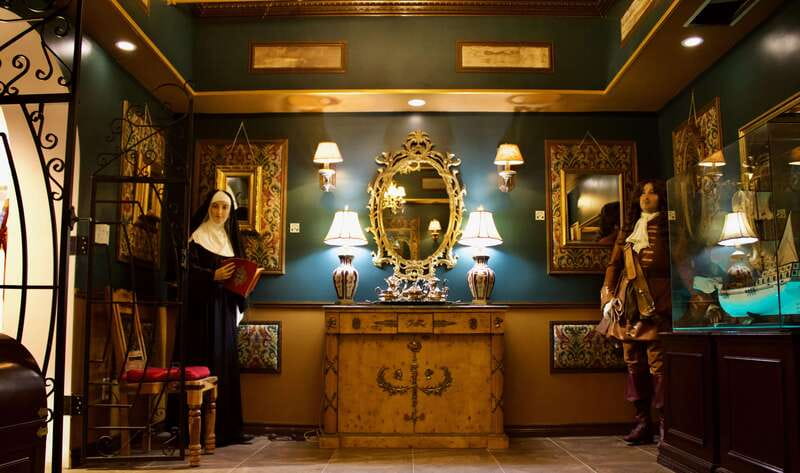
The former Grévin Museum wax statues are one of the more unusual parts of the experience. These historical figures add a theatrical note to a visit that otherwise moves between paintings, drawings, studios, and architecture.
The wax displays may appeal to you if you like cultural history presented through objects rather than paintings alone. They also help explain why the museum feels like a time machine, with different periods sharing the same rooms.
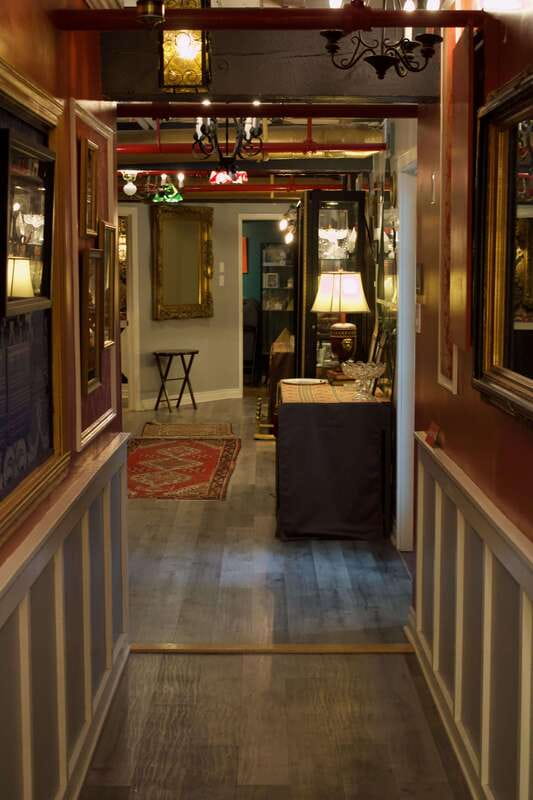
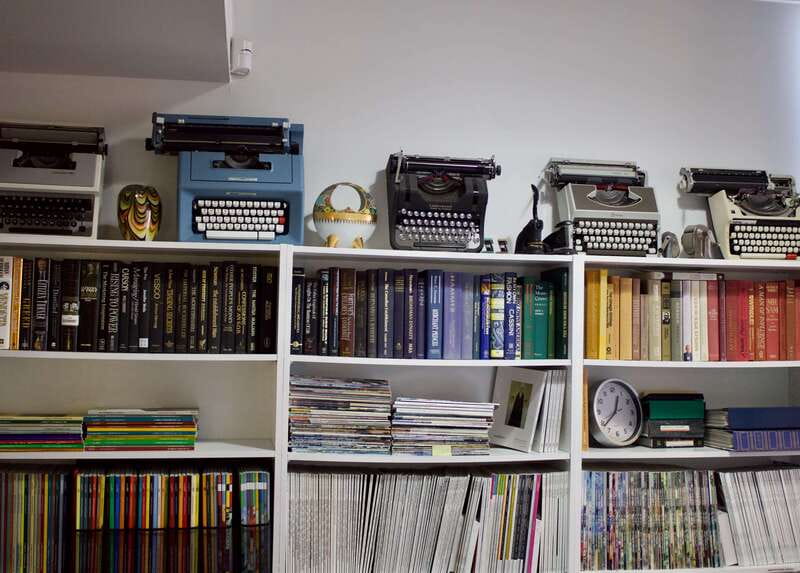
Antique furniture and other displays continue that theme. They are not simply decoration. Together with the safes and structural wood, they show how the building has changed while keeping physical reminders of earlier uses.
This variety is helpful if you are visiting with someone who does not want a full day of paintings. It gives the visit several entry points. One person can focus on local artists, another on old masters, and another on the building or wax figures.
The tradeoff is that the experience may feel eclectic. The combination of industrial architecture, modern art, 19th-century paintings, works on paper, furniture, and wax figures is not a single clean story. You need to make your own connections. The audio guide should help, but the overall presentation may still feel informal.
How to use the audio guide well
The audio guide is available in English and French, as is the host or greeter support. That makes the experience easy to approach if you do not speak French, while French-speaking visitors can use their preferred language.
Start with the map before listening to every audio segment. First learn the basic layout, then select the rooms and pieces you want to understand better. If you listen to everything in order, the visit may take longer and feel less natural, especially if the building’s route is not immediately obvious.
I would also leave room for quiet looking. Audio guides are useful for dates and background, but the best parts of this visit may be visual: an old safe, a wood beam, a studio full of working materials, or an unexpected wax figure. You do not need to keep your headphones on every minute.
There are no listed guide names because the core interpretation is provided by audio rather than a named live art historian. A host or greeter is available in English and French, mainly to help you get started or answer practical questions.
Is $12 good value for a full day?
At $12 per person, the admission is good value if you take time to use what it includes. You receive access to the museum rooms and galleries, the artists’ studio spaces, a museum map, and the English or French audio guide.
The price is especially reasonable for an independent visit. You are not locked into a short time slot, and the ticket is valid for one day. That lets you explore slowly, take a break if permitted by the venue’s arrangements, and return to parts that deserve another look.
The value depends on your expectations. If you want a large, highly organized museum with extensive signage and a polished route, the low price may reflect a less formal presentation. If you enjoy old buildings, local artists, and unusual collections, the combination gives you plenty to examine.
Special events are not included. If an additional event interests you, you need to buy a separate ticket through the website or at the front desk. Check the event price before adding it to your plans.
The booking information contains conflicting cancellation terms. It says you can cancel up to 24 hours ahead for a full refund, but the important information also calls the tour non-refundable. Confirm the current policy before paying if flexibility matters to you. Reserve-now, pay-later booking is offered, which can help keep your schedule open.
Access, timing, and practical planning
The experience is valid for one day, with starting times based on availability. It runs rain or shine, so the weather does not affect whether the museum opens for your visit.
The building has three floors and no elevator. This is the most important practical limitation. You need to be comfortable using stairs, and the experience is not suitable for wheelchair users or people with mobility impairments.
Wear comfortable shoes and allow enough time for the stairs, galleries, studio spaces, and displays. The one-day validity does not mean you must spend an entire day inside, but the museum is best approached without a tight schedule.
If you arrive and the door is closed, call 514-667-2270. A staff member will come to meet you. Alcohol and drugs are not allowed.
The museum is in Griffintown, an area with a strong industrial past. The location makes sense for a former ironworks building and gives the visit a connection to Montreal’s changing city fabric. The supplied information does not specify transport or parking arrangements, so check your route before setting out.
Who will enjoy this museum most?
I would recommend this experience to you if you like local art in a working setting, historic buildings, and collections that do not fit into one neat category. It is also a good choice if you want to browse at your own speed instead of following a fixed group tour.
Art buyers may appreciate the chance to see work by resident artists and purchase a piece directly. History fans will find plenty in the old ironworks setting, industrial details, antique furniture, and former Grévin wax figures. Visitors who enjoy works on paper have a reason to take their time with the Picasso, Monet, and Rembrandt material.
Families and mixed-interest groups may also find the variety useful, though the three flights of stairs could be tiring. People who need step-free access should skip this activity because there is no elevator.
The museum may not suit you if your main goal is a tightly ordered survey of art history. One visitor found the presentation messy, and that is a fair warning. The experience rewards curiosity and patience more than strict organization.
Should you book the Montreal Art Center and Museum?
Book it if you want an affordable, independent art visit with a strong sense of place. For $12, you get modern local art, resident studio spaces, 19th-century European and international paintings, notable works on paper, historic building details, and former Grévin wax figures.
Go with an open plan. Use the map, choose your audio stops, and give yourself time to notice the building as well as the art. Confirm the cancellation terms before booking, and do not choose this experience if stairs are a problem.
For visitors who value polish and a clear museum route, it may feel rough around the edges. For you, if the idea of meeting Montreal’s art community inside an old industrial building sounds appealing, this is a worthwhile $12 stop.
FAQ
How much does the Montreal Art Center and Museum tour cost?
The listed price is $12 per person.
How long is the ticket valid?
The ticket is valid for one day. Starting times depend on availability.
What languages are available?
The audio guide is available in English and French. Host or greeter support is also listed in English and French.
What does admission include?
Admission includes access to the museum rooms and galleries, the artists’ studio spaces, a museum map, and the audio guide.
Are special events included?
No. General admission does not include special events. Separate event tickets can be purchased on the website or at the front desk.
Is the building accessible for wheelchair users?
No. The building has three floors and no elevator. The activity is not suitable for wheelchair users or people with mobility impairments.
What should I do if the door is closed?
Call 514-667-2270. A staff member will come and meet you.
New audio tours around Canada
- Kelowna E-Bike Bee Tour, Tastings, Organic Lunch & Audio Guide★ 5.0 · 9 reviews
- Smartphone Audio Driving Tour between Kamloops & Revelstoke★ 3.5 · 8 reviews
- Jasper National Park Self-Guided Driving Audio Tour★ 4.0 · 4 reviews
- Smartphone Audio Driving Tour between Kamloops and Vancouver★ 3.5 · 5 reviews
- Smartphone Audio Driving Tour between Huntsville & Toronto★ 4.5 · 4 reviews
- Halifax Explosion Smartphone Audio Walking Tour★ 4.0 · 3 reviews
- Edmonton Self Guided Audio Experience★ 3.0 · 2 reviews
- Smartphone Audio Driving Tour between Collingwood and Toronto★ 4.5 · 3 reviews
Canada Audio Tours, compared.



A 7th-Gen Local’s View of Downtown Charlottetown: An Audio Tour
Read our review →

Halifax Churches, Gardens & Graveyards: a Smartphone Audio Walking Tour
Read our review →


Western Canada Self-Driving Audio Guide English and German
Read our review →Browse the lists this tour appears in