
Review · BOAT AND CRUISE AUDIO TOURS
Orsova: Entire Area Boat Tours with Audio Guide
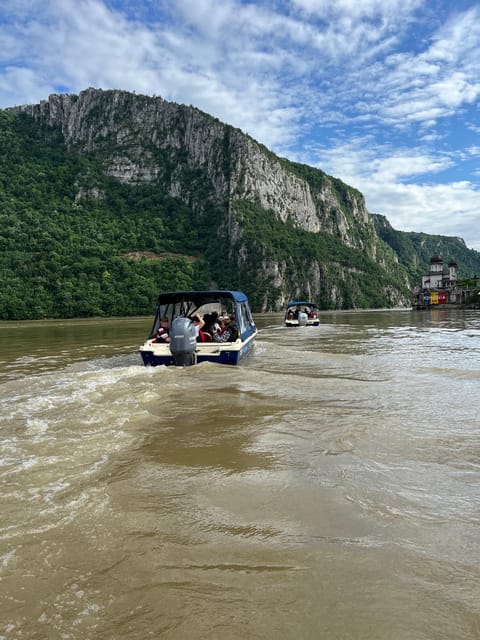
The most striking part of this 140-minute cruise is the way the Danube narrows between steep mountain walls at the Cauldrons. One moment you are looking at open water near Orșova; soon you are passing ancient Roman traces, a giant carved face, a cave used for military defense, and a monastery tucked beside the river. I like the private group format and the eight planned sightseeing stops, which give you more control and more chances for photos than a simple point-to-point boat ride.
I also like the covered boat, sunroof, life jackets, and multilingual audio guide. The main caution is that the itinerary has a few moving parts: the Veterani Cave visit costs about $2 extra and is led by other guides, while the additional 40-minute downstream section toward Iron Gates and Ada-Kaleh is described as an extra sightseeing tour. Read the exact booking details before paying.
Key points to know before boarding
- The Danube Cauldrons are the main event: Narrow river channels, high cliffs, caves, and historic markers fill the central part of the ride.
- Decebalus is a powerful photo stop: The rock carving is described as Europe’s tallest and the world’s third-largest rock monument.
- You travel in a private group: The booking covers up to six people, although the boat itself can carry 14.
- The cave visit is optional and costs extra: Veterani Cave has a separate entrance fee of about $2 and a different local guide.
- The audio guide covers four languages: You can listen in English, Hungarian, Spanish, or German.
- Orșova is an easy starting point: Look for the black-roofed pontoon by the shore walking path, near Hotel Apolodor.
Orșova to the Iron Gates, a short ride with a big story
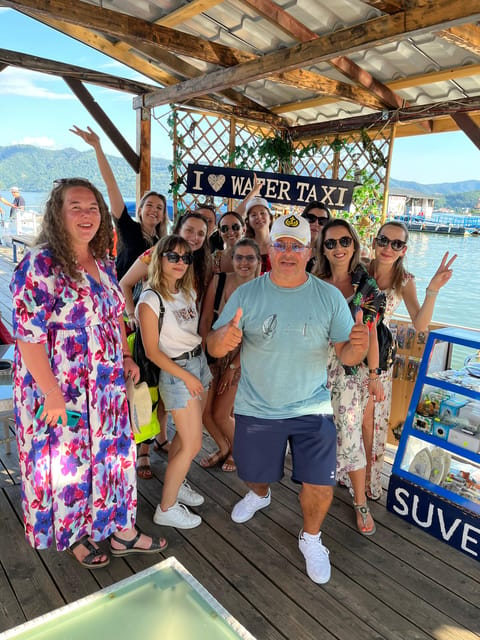
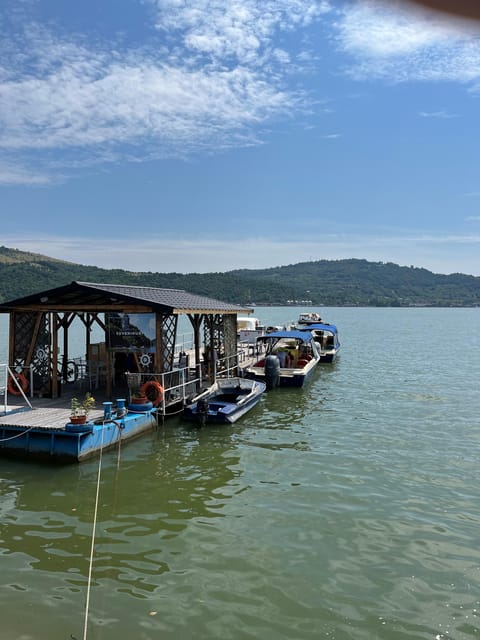
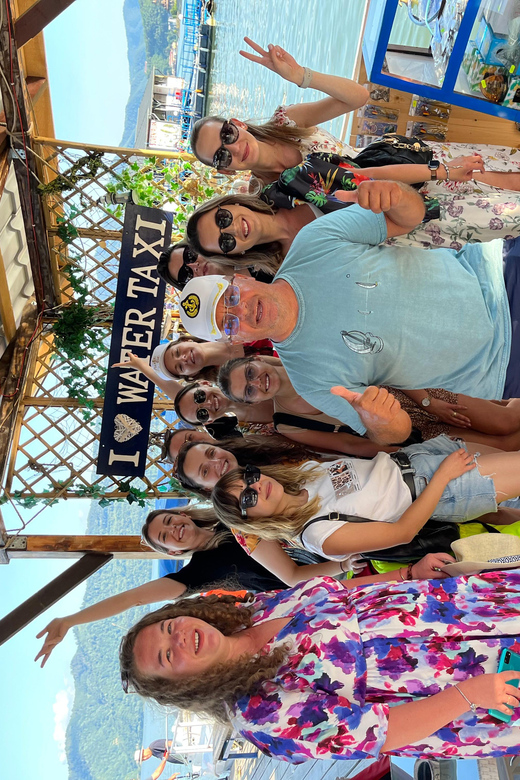
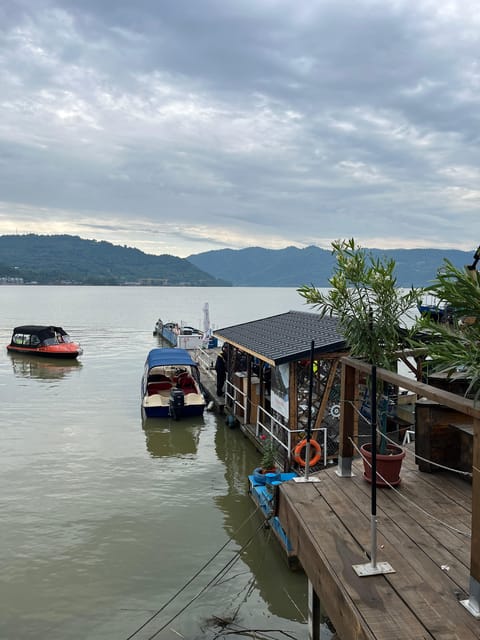
Your boat leaves from Debarcader WT, a wooden platform beside the shore path in Orșova. The black-roofed pontoon and two company banners make the meeting place easier to spot. It is only a short distance from Hotel Apolodor, but I would still arrive with enough time to find the platform without rushing.
Orșova sits beside Cerna Bay, the broad body of water created after the Iron Gates I Dam was completed in the early 1970s. That fact matters because much of what you see is shaped by modern engineering as well as older Roman, Ottoman, and military history. The river is not just a scenic route. It is a record of roads, borders, fortifications, vanished settlements, and changing water levels.
The trip lasts 140 minutes according to the activity details. The description also refers to a 2.5-hour journey and a separate 40-minute extension near Iron Gates and Ada-Kaleh, so confirm the exact sailing time when you book. The route is designed to begin and end at the same Orșova dock.
More Boat and Cruise Audio Tours in the world:
- Amsterdam: 75 Minute City Canal Cruise with Audio Guide
★ 4.4 · 19,938 reviews - Amsterdam: City Centre Canal Cruise including Audioguide
★ 4.3 · 16,901 reviews - Istanbul: Daytime or Sunset Sightseeing Cruise & Audio Guide
★ 4.8 · 14,430 reviews
What the 14-seat boat means for comfort
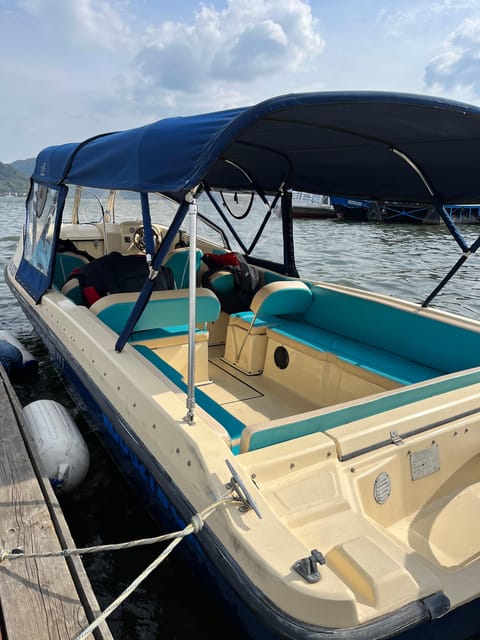
The boat has room for 14 people, but your booking is for a private group of up to six. That combination should feel more personal than a large excursion vessel, especially if you want to ask for a photo pause or keep your own group together.
A sunroof provides cover on bright days. You will still want sunglasses, sunscreen, comfortable clothing, and shoes with a firm sole. The operator supplies life jackets for everyone. Large bags, oversize luggage, alcohol, and drugs are not allowed, so bring only what you need for a few hours on the river.
The boat has an engine for steady travel and an audio guide for the main points of interest. The host or greeter speaks English and Romanian. Recorded commentary is available in English, Hungarian, Spanish, and German. Bring headphones if you prefer to listen privately, particularly if several people in your group want different languages.
Trajan’s Plaque and the first Roman connection
One of the early stops is Trajan’s Plaque, also known as Tabula Traiana. The inscription dates from roughly 2,000 years ago and links the river corridor to the Roman emperor Trajan’s campaigns and road-building work.
The stop is mainly for sightseeing and photographs, rather than a long walk or museum visit. From the boat, the value comes from seeing an ancient marker in its actual river setting. The Danube was a major route long before modern roads and dams, and this plaque helps you picture that older network.
Keep your camera ready. Photo stops on a boat can be brief, and the best angle may depend on the boat’s position and the light.
Decebalus Rock Sculpture, the route’s visual showpiece
The Rock Sculpture of Decebalus is likely to be the most memorable sight on the route. Carved into the stone above the river, it depicts Decebalus, the last king of ancient Dacia. The monument is described as Europe’s tallest rock sculpture and the third-largest of its kind in the world.
You will stop for photographs and hear an explanation through the guide system. The scale is hard to judge in a photograph, so watch the cliff and the boat together. The river gives you a useful sense of size as you pass below the carved face.
This is also where a sunny day helps. The rock face and surrounding cliffs can look very different in strong light than under cloud. You do not need special equipment, but a phone with a wide camera setting may help you fit the entire carving into one frame.
More audio tours around the world:
- Barcelona: Sagrada Familia Entry Ticket with Audio Guide
★ 4.6 · 105,312 reviews - Rome: Pantheon Fast-Track Ticket and Official Audioguide
★ 4.5 · 27,353 reviews - Barcelona: Casa Batlló Entry with Self-Audioguide Tour
★ 4.7 · 25,359 reviews - Rome: Colosseum & Forum with Audio Guide App -Optional Arena
★ 4.2 · 24,770 reviews
Mraconia Monastery beside the water
Mraconia Monastery offers a quieter pause after the bold image of Decebalus. The church sits beside the Danube, with the river and rock walls forming its backdrop. You stop for photos and an explanation rather than an extended land visit.
The monastery’s position is part of its appeal. It shows how religious sites in this area are tied to the river and its narrow passages. You get a quick cultural stop without giving up much of the sailing time.
If you are mainly interested in architecture, keep your expectations measured. This is a boat-based sightseeing visit, not a full monastery tour. The attraction is the setting, the view from the water, and the story attached to the site.
Veterani Cave and the extra-cost question
Veterani Cave has a more strategic past. It was used as a military hideout, which gives the stop a different feel from the Roman plaque and monastery. The visit can include about 20 minutes inside the cave, but entry is not included in the boat ticket.
The entrance fee is approximately $2. The boat may drop you at the cave pontoon only if security conditions allow, and everyone in the group must agree to the visit. The cave tour itself is led by local guides who are not part of the boat company. If you decide not to enter, you can remain with the boat’s audio guide instead.
This is the point where a private group helps. You can discuss the extra fee and the time involved before committing. Bring cash, since cash is specifically recommended for the tour. The cave may not suit you if you have mobility limits, recent surgery, or trouble with uneven access.
Ponicova Cave, where the river cuts through the rock
Peștera Ponicova, identified on the western side as Ponicova Cave West, is another major stop. Its unusual feature is a through-and-through formation, allowing the cave system to connect with the river corridor. The boat pauses for photos and a guided look.
The experience here is more about geology and the relationship between water and rock than about a polished visitor attraction. You see a place shaped by the Danube and the surrounding mountain structure. Conditions may affect exactly how close the boat can get, so think of this as a river-level viewing stop rather than a guaranteed long cave walk.
The cave stops are among the most useful parts of the trip for anyone who wants more than a scenic cruise. They add texture to the route and show how the river has served as a natural passage and a defensive barrier.
Tabula Széchenyi and the engineering story
Tabula Széchenyi marks another piece of the area’s infrastructure history. It celebrates engineering work connected with improving navigation along this difficult section of the Danube.
The name is easy to pass over unless you listen to the audio commentary. I recommend paying attention here because it links the natural obstacles of the river with the human effort required to make navigation safer and more reliable. The stop may not have the instant visual impact of Decebalus, but it gives the route a useful change of pace.
Together, Tabula Traiana and Tabula Széchenyi show two different eras of river engineering. One recalls Roman construction and military movement; the other points to later attempts to manage the Danube for navigation and trade.
Iron Gates and the memory of Ada-Kaleh
Downstream, the route reaches the Iron Gates Dam area. The dam is one of the defining modern features of the region and helps explain the changed shape of Cerna Bay and the river around Orșova.
The tour also discusses Ada-Kaleh, the former Turkish island that now lies about 30 meters below the water. Its disappearance is one of the most haunting stories connected to the dam. The island had an Ottoman Turkish character, and its loss left behind memories rather than a visible settlement.
The additional 40-minute tour near Iron Gates is described as a downstream sightseeing section with historical information about Ada-Kaleh. It is not a visit to the island, since the island is underwater. Ask exactly how this extension is priced and scheduled, because the published duration and the extra-tour wording could otherwise cause confusion.
Price, group size, and who gets good value
The price is $392 per group of up to six. For six people, that works out to about $65 per person. For two people, the per-person cost is much higher, but you are paying for a private group rather than a standard shared ticket.
I see the best value for families or small groups that want the boat to themselves, prefer a set route, and care about photo stops. The package includes the round-trip boat ticket, the river guide, the main attractions, and the audio system. It does not include food, drinks, transport to the dock, or the Veterani Cave entrance.
The boat operator has run tours in the area since 2005. That long presence is useful here because the route combines narrow river passages, changing security conditions at the cave pontoon, and several layers of local history. Still, the tour is not a cheap casual cruise. If you are alone or traveling as a couple, compare the private-group price with any shared boat options available in Orșova.
Who should book this Danube trip
I would choose this tour if you want a compact way to see several major sights in one outing. It suits families, couples, small friend groups, photographers, and anyone who would rather learn the story of the river than simply ride on it.
The private format is especially useful for groups with mixed interests. Some people can focus on the audio guide while others take photographs. You can also decide together whether the extra Veterani Cave visit is worth the fee and access conditions.
This is not a good fit for pregnant people, wheelchair users, people with mobility impairments, serious back problems, or anyone recovering from recent surgery. The operator specifically excludes those categories. The cave access and boat boarding may be difficult even if the cruise itself is fairly comfortable.
The main drawback is the limited time. Eight sights in about two hours and 20 minutes means the stops are focused. You will see and hear a lot, but you should not expect long visits at every place.
Practical tips for a smoother ride
Bring water and any snacks you want, because food and drinks are not included. Keep your belongings small, since large bags and oversize luggage are not allowed.
Wear shoes you can manage safely around a dock and cave access point. Sunglasses and sunscreen are useful even with the sunroof, and comfortable clothes make the boat ride easier. Pack cash for the Veterani Cave fee and bring headphones if you plan to use the audio guide.
The company allows free cancellation up to 24 hours before departure and offers reserve-now, pay-later booking. Starting times vary, so check availability for your date. The tour begins and ends at Debarcader WT, not with transport from your hotel, so arrange your own way to Orșova’s waterfront.
Should you book the Orșova boat tour?
Book it if your priority is a private, well-packed look at the Danube Cauldrons, Decebalus, the caves, Iron Gates, and the story of Ada-Kaleh. The strongest features are the friendly service reported in the supplied feedback, the clean and comfortable boat, the striking scenery, and the helpful staff. One recent booking also noted a problem at the start, so I would confirm the meeting point and timing in advance.
Skip it if you want a slow cruise with long stops, included food, or a fully accessible boat experience. For a small group of up to six, the $392 price can be fair, especially if you value privacy and several historic stops in one ride. For one or two people, check the math carefully.
FAQ
Where does the boat tour start?
It starts at Debarcader WT in Orșova, on a wooden platform beside the shore walking path. Look for a black-roofed pontoon and two banners with the company logo, near Hotel Apolodor.
How long does the tour last?
The stated duration is 140 minutes. The tour information also describes a 2.5-hour journey and a separate 40-minute sightseeing section near Iron Gates and Ada-Kaleh, so confirm the precise timing when booking.
What languages are available?
The host or greeter speaks English and Romanian. The audio guide is available in English, Hungarian, Spanish, and German.
Is the boat private?
Yes. The booking is for a private group of up to six people. The boat itself has capacity for 14 passengers.
Is the Veterani Cave entrance included?
No. Entry costs approximately $2 extra. The visit depends on security conditions, everyone in the group must agree to go, and the cave visit is led by guides from outside the boat company.
What sights will I see?
The route includes Trajan’s Plaque, the Decebalus Rock Sculpture, Mraconia Monastery, Veterani Cave, Ponicova Cave West, Tabula Széchenyi, the Iron Gates area, and Ada-Kaleh.
Are life jackets provided?
Yes. Life jackets are provided for all passengers.
Can I bring a large suitcase?
No. Oversize luggage, large bags, alcohol, and drugs are not allowed. Bring only small personal items for the boat ride.
New audio tours around the world
- London Panoramic Open Top Bus Tour with Audio Guide★ 4.0 · 209 reviews
- London: British Museum Audio Guide & Small Group Entry★ 3.5 · 81 reviews
- London: National Gallery Audio Tour (No Entry Ticket)★ 3.5 · 11 reviews
- London’s Alternative History: A Self-Guided Audio Tour★ 5.0 · 4 reviews
- London: British Museum’s English Audio Tour with Free Reservation★ 3.0 · 15 reviews
- London: Churchill War Rooms Ticket & Political London Audio Tour★ 4.0 · 83 reviews
- London: British Museum Audio Tour with Free Guaranteed Entry★ 3.0 · 30 reviews
- Houses of Parliament Ticket & Political London Audio Guide★ 4.0 · 13 reviews
Boat and Cruise Audio Tours, compared.
Amsterdam: 75 Minute City Canal Cruise with Audio Guide
Read our review →
Amsterdam: City Centre Canal Cruise including Audioguide
Read our review →
Istanbul: Daytime or Sunset Sightseeing Cruise & Audio Guide
Read our review →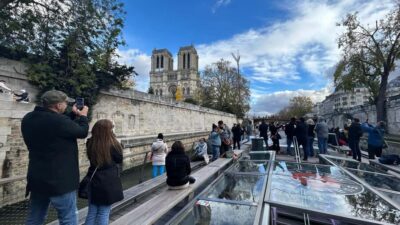
Paris: Illuminations River Cruise with Audio Commentary
Read our review →
Oslo: Scenic Fjord Cruise with Audio Guide Commentary
Read our review →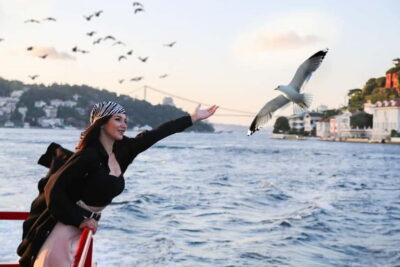
Istanbul: Bosphorus Sightseeing Cruise Tour with Audio Guide
Read our review →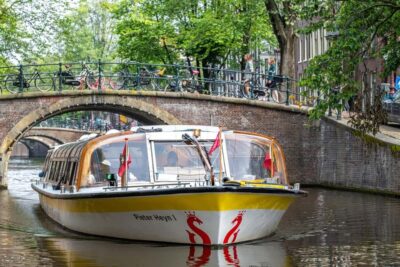
Amsterdam: Heated Canal Cruise Including Audioguide
Read our review →
Istanbul: Bosphorus Cruise w/Audio Guide and Sunset Option
Read our review →Browse the lists this tour appears in