Review · ITALY
Tivoli: Villa D’Este Entry Ticket and App Audio Guide
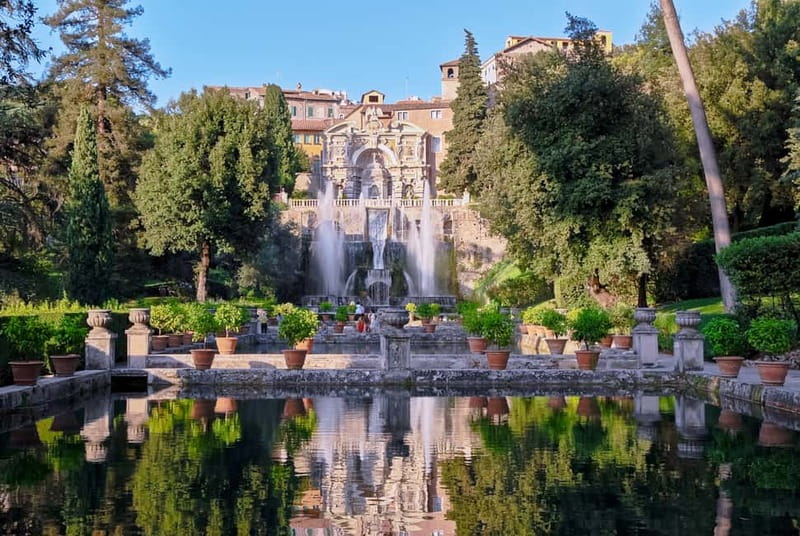
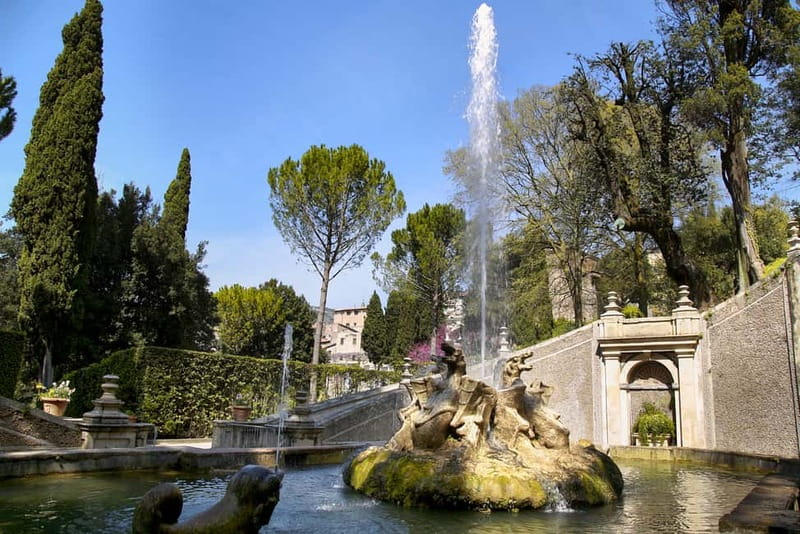
Villa d’Este is a place where water does the entertaining. Fountains climb, spill, and thunder through Pirro Ligorio’s 16th-century garden, while grottoes, flowers, and water lilies fill the long walkways below the palace. The water-powered organ is the odd and memorable star: it creates audible effects without a modern sound system.
I like the freedom of an at-your-own-pace visit, especially with a smartphone audio guide rather than a fixed group. I also like the chance to see both the garden and the painted palace, then send a digital photo as a real postcard through Pemcard. The main drawback is simple: there is no live guide, and the refreshment choice appears limited to vending machines rather than a proper café.
Key points
- Water is the main attraction: Fountains, grottoes, lilies, and an organ shaped by flowing water make the garden feel like a working piece of theater.
- A UNESCO World Heritage Site: You see one of Italy’s finest examples of 16th-century garden design.
- The palace completes the visit: Rooms commissioned for Cardinal Ippolito II d’Este contain work by famous artists.
- A flexible one-day ticket: Enter after exchanging your voucher at the Villa d’Este ticket office and explore without a scheduled group tour.
- A useful audio guide: The commentary lives on your smartphone, letting you control your pace and attention.
- A thoughtful postcard option: Pemcard turns a visit photo into a real postcard sent to friends or family anywhere in the world.
Why Villa d’Este feels different from an ordinary garden visit
Villa d’Este is not simply a handsome villa with some fountains out front. It is a carefully engineered 16th-century garden in which architecture, sound, water, and planting all work together.
The complex was created for Ippolito II d’Este and designed by the Italian architect Pirro Ligorio. Work took more than 20 years, which helps explain the scale of the place. You are seeing an entire idea of power and pleasure built in stone, water, and greenery.
I find the water especially important here. At many historic gardens, fountains are decorative extras. At Villa d’Este, they shape the whole experience. You follow the sound of running water, pause at large fountain displays, and then find smaller grottoes or pools tucked into the garden.
The result can feel calming rather than formal. One particularly strong feature of this visit is the contrast between the busy sights of Rome and the quieter mood of Tivoli. You can spend several hours walking, listening, and looking without being pushed along by a guide or a strict timetable.
More audio tours around Italy:
- Rome: Pantheon Fast-Track Ticket and Official Audioguide
★ 4.5 · 27,353 reviews - Rome: Colosseum & Forum with Audio Guide App -Optional Arena
★ 4.2 · 24,770 reviews - Florence: Timed Entry to Michelangelo’s David + Audio App
★ 4.6 · 19,496 reviews
Starting at the ticket office in Tivoli
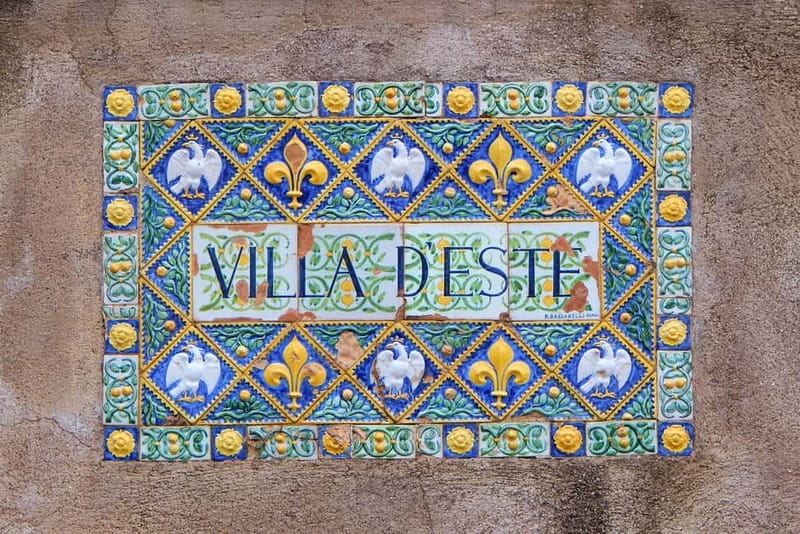
The practical starting point is the Villa d’Este ticket office. You need to exchange your voucher there before entering, so do not treat the digital booking confirmation as the final admission step.
Bring an ID card. A copy is accepted, which is useful if you prefer to keep your original document secure. You will also pass through a security check before entering the attraction.
The ticket is valid for one day, with starting times shown when you check availability. That wording matters. This is not a short, timed presentation that ends after a set number of minutes. You have the day’s admission window to plan around, but you should still check the selected time before booking.
Last entry is 45 minutes before closing. That is not enough time for a proper visit, so avoid arriving near the cutoff. The gardens reward unhurried walking, and the palace adds another layer to the experience. On August 14 and 15, the villa remains open until 10:45 PM, giving you a rare late-evening option.
The palace built for Ippolito II d’Este
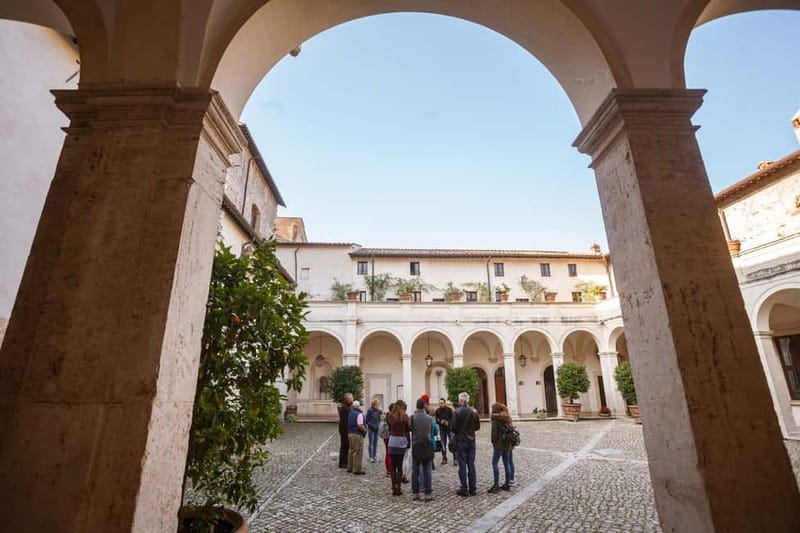
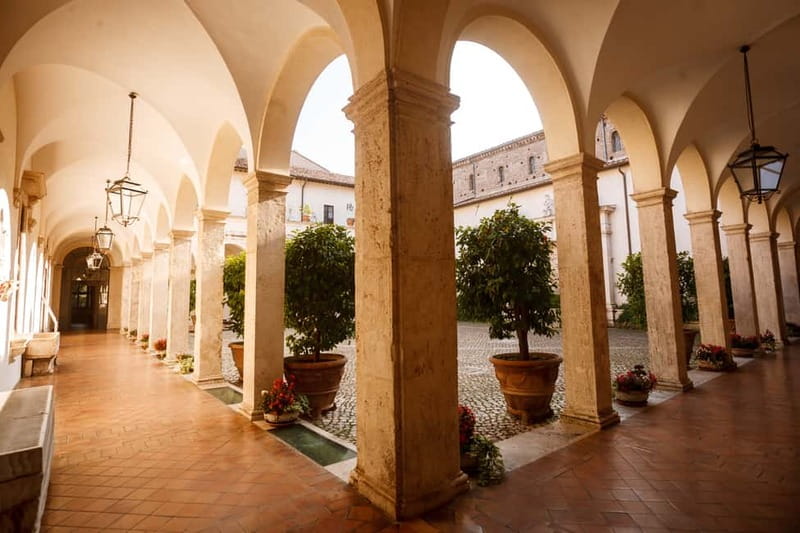
Many people focus on the gardens and treat the villa as a quick entrance hall. That would be a mistake. The palace was built for Ippolito II d’Este and decorated by famous artists, so it gives you the human and political setting behind the garden project.
The interior helps explain why such an enormous garden was created. The fountains were not only for pleasure. They were part of a grand residence designed to impress, entertain, and show the reach of its owner.
I would begin with the palace if you want context before walking outside. Then the garden becomes easier to read. The painted rooms establish the world of the d’Este family, while the terraces and waterworks show how that vision expanded beyond the building.
The palace is also useful if weather turns unpleasant. The activity is mainly outdoors, but the indoor rooms give you a change of pace. The available information does not promise a particular route through every room, so treat the palace as an important part of the complex rather than a separately timed museum tour.
Following Pirro Ligorio’s fountains and grottoes
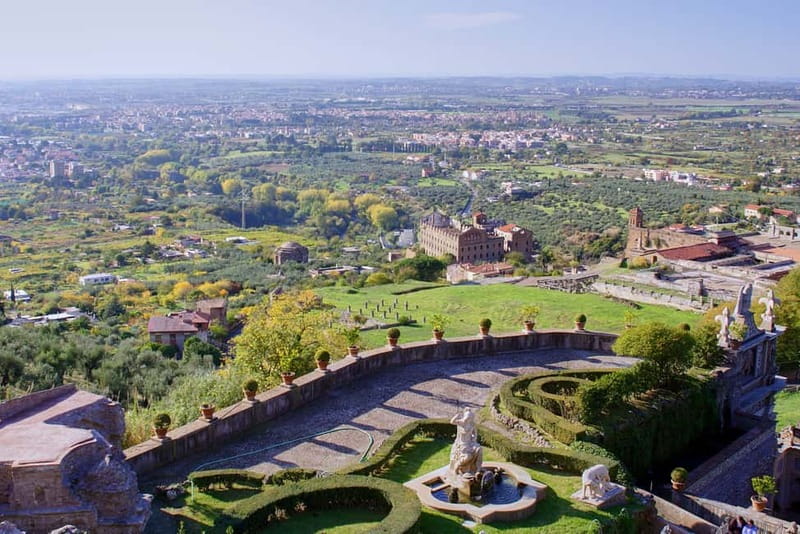
The garden is the heart of the visit. Pirro Ligorio designed a sequence of terraces, paths, fountains, and grottoes that encourage you to keep moving while constantly stopping to look.
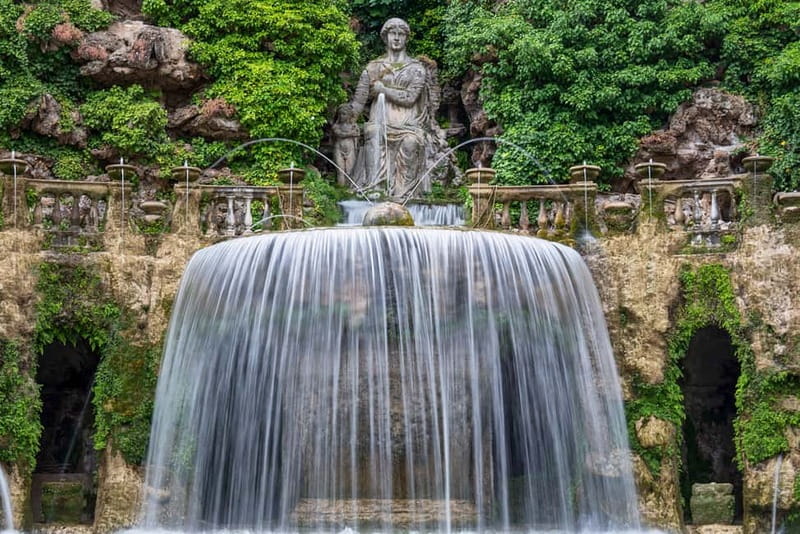
You might begin with a grand fountain, then turn toward a quieter stretch where water lilies sit in still pools. Elsewhere, water runs through channels and drops into basins. The changes in sound matter as much as the views. A powerful fountain gives the garden energy, while a small trickle beside a walkway creates a calmer pause.
The grottoes add another mood. Their shaded, artificial rockwork makes the garden feel theatrical, as if the natural world has been arranged for a stage. The flowers and other plantings soften all that stone and masonry.
I recommend using the audio guide selectively. Listen to the explanation of the larger fountains and the villa’s design, then stop the commentary when you want to hear the water itself. A smartphone guide gives you control, but it also means you must manage your battery, headphones, and attention.
The ground is not described in detail, so anyone with mobility concerns should make use of the wheelchair-accessible status while keeping the garden’s terraces and extensive paths in mind. Ask at the entrance about the most suitable route if you need a more direct or manageable visit.
Same sights, a different narrator:
- Rome: City Sightseeing Hop-on Hop-off Bus with Audioguide
★ 4.0 · 16,045 reviews - Pompeii: Entry Ticket with Audio Guide
★ 4.1 · 13,491 reviews - Venice: La Fenice Opera House Entry Ticket with Audio Guide
★ 4.6 · 11,742 reviews - Rome: Colosseum, Forum, Palatine Hill Entry & Audioguide App
★ 4.4 · 10,957 reviews
The water-powered organ is worth waiting for
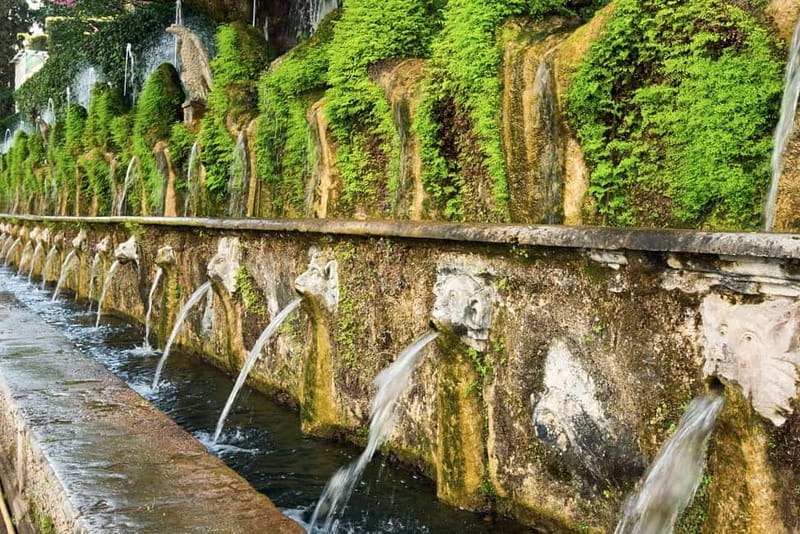
The organ is one of Villa d’Este’s most unusual features. Water produces its audible effects, turning a mechanical system into part of the garden’s entertainment.
This is more than a curious technical detail. It shows how the villa’s designers treated water as both a practical force and a source of wonder. The fountains please your eyes and ears, while the organ makes the engineering itself part of the spectacle.
Exact performance details are not provided, so do not assume a constant schedule or a full musical concert. Instead, treat the organ as a highlight to seek out during your walk. The audio guide can help explain what you are seeing, while the garden gives you the chance to notice the sound on your own.
For families, this feature can make the history easier to grasp. Children who might lose interest in painted rooms can understand the basic idea of water creating sound. Adults get a memorable example of Renaissance ingenuity without needing a technical lecture.
Using the smartphone audio guide well
The included guide is digital and works on your smartphone. You do not have a live guide leading a group, and no guide’s name is provided because this is a self-guided visit.
That arrangement suits people who want to stop often. You can spend extra time at a favorite fountain, move quickly through a section that interests you less, or pause the commentary for photographs.
The tradeoff is that you must provide your own focus. A live guide might point out a small detail you would otherwise miss or answer a question on the spot. Here, the experience depends on how carefully you listen and how much time you give the garden.
Bring a charged phone and use headphones if you have them. Those are practical suggestions rather than included services, since the ticket only specifies a digital guide on your smartphone. If you want the garden’s natural sounds, remove the headphones now and then.
A one-day ticket with useful freedom
At $23 per person, this ticket offers good value if you plan to see both the palace and the full garden. You are paying for access to a UNESCO World Heritage Site with a large amount to explore, plus an audio guide that adds context without the cost or schedule of a private tour.
The value drops if you rush through in less than an hour. Villa d’Este is not a single viewpoint. Its appeal comes from the changing sequence of fountains, paths, flowers, grottoes, and terraces. Give yourself enough time to let those changes register.
The ticket also includes the convenience of a flexible visit. You are not tied to a group’s pace, and you can make the experience as quiet or information-heavy as you like. For independent sightseers, that freedom is a real part of the value.
Free cancellation up to 24 hours in advance and the reserve-now, pay-later option make the booking less rigid. Those policies are useful when your plans in Lazio are still shifting, though you should check the specific availability and cancellation terms shown at booking.
Sending a Pemcard from the villa
The Pemcard option adds a small modern touch to an old-fashioned place. You can create a digital photo and send it as a real postcard anywhere in the world.
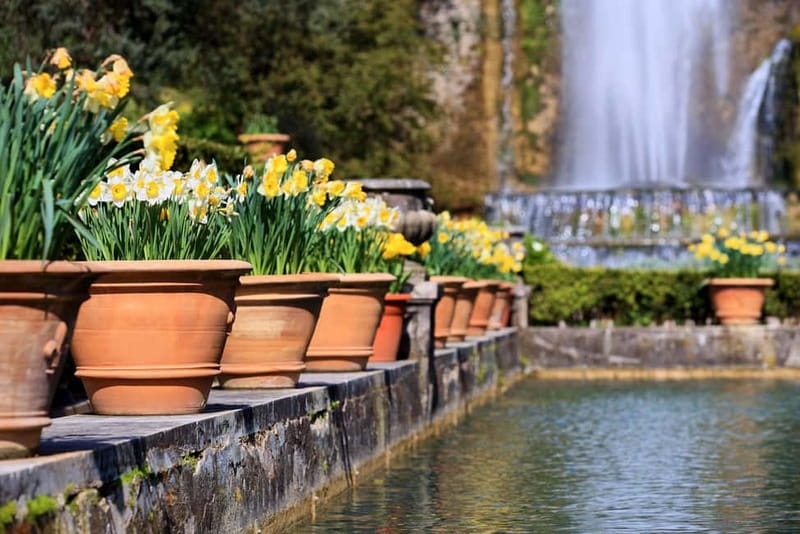
It is a nice way to share the visit without settling for another ordinary phone picture. Choose a fountain, a water lily pool, or a palace detail, then turn that image into a physical message for someone at home.
This is not the main reason to buy the ticket, and the information does not specify any extra fee or exact process for the postcard. Still, it gives the visit a personal ending. Instead of simply leaving with photos stored on your phone, you can send one outward as a souvenir.
Timing, comfort, and what to expect on site
Plan for walking. The gardens are extensive enough to include many fountains, paths, grottoes, and planted areas, so comfortable shoes matter more than fashionable ones.
There is no proper café promised as part of the experience. Refreshments appear to be limited to vending machines in a plain corner, which is worth knowing before you arrive. If sitting down over food and a drink is important to you, plan that separately rather than expecting a scenic garden café.
The villa is wheelchair accessible, but the complex includes a large garden designed around terraces and changing levels. The best route may depend on your needs, so ask the staff at the entrance for current access advice.
The site can work well for families. The fountains give children something active to watch, while the palace and audio guide provide more for adults. Keep in mind that this is still a historic complex, not a purpose-built attraction with entertainment at every turn.
The peaceful atmosphere is one of the strongest reasons to visit. Villa d’Este can offer a welcome break from Rome’s crowded streets, especially when you allow time to sit near the water and listen. That quiet quality is not guaranteed at every moment, but the garden’s scale gives you more room to find it.
Who should book Villa d’Este
I would recommend this experience to independent visitors who enjoy historic buildings, gardens, engineering, and self-guided sightseeing. It is also a good choice if you want a UNESCO site without committing to a full-day guided tour.
Families may appreciate the fountains and organ, while couples can find plenty of calm corners and scenic settings. Architecture fans should pay close attention to Ligorio’s design, and garden lovers will get the most from moving slowly through the different planting and water displays.
I would think twice if you want a live expert beside you at every stop, a restaurant inside the complex, or a tightly organized tour with transportation included. None of those are part of this activity.
My booking verdict for this Tivoli visit
Book it if you want Villa d’Este on your own terms and can give the site more than a quick glance. The combination of palace, fountains, grottoes, flowers, water lilies, and the water-powered organ makes the $23 price reasonable, especially with the audio guide included.
Skip it only if your schedule allows barely enough time to enter before last admission, or if you strongly prefer a live guide. For everyone else, this is a flexible and memorable way to experience one of Tivoli’s great sights, with enough space to set your own pace and enough strange, beautiful waterworks to make the visit stick with you.
FAQ
Where is Villa d’Este located?
Villa d’Este is in Tivoli, in Italy’s Lazio region.
How much does the entry ticket cost?
The ticket costs $23 per person.
How long is the ticket valid?
The ticket is valid for one day.
Is a tour guide included?
No. The activity includes entry and a digital audio guide on your smartphone, but it does not include a live tour guide.
Where do I start the visit?
Start by exchanging your voucher at the Villa d’Este ticket office.
Do I need identification?
Yes. You should bring an ID card, and a copy is accepted.
Is there a security check?
Yes. You must pass through a security check before entering the attraction.
How late can I enter?
Last entry is 45 minutes before closing time.
Is Villa d’Este wheelchair accessible?
Yes. The activity is listed as wheelchair accessible.
Can I cancel the booking?
Yes. You can cancel up to 24 hours in advance for a full refund. You can also reserve now and pay later, subject to the booking terms shown at the time of reservation.
New audio tours around Italy
- Lecce Walking Tour with Audio and Written Guide by a Local★ 4.0 · 38 reviews
- Private Audio Guided Walking Tour in Lecce★ 4.0 · 7 reviews
- Private Audio Guided Walking Tour in Como★ 3.0 · 3 reviews
- Como Walking Tour with Audio and Written Guide by a Local★ 4.5 · 30 reviews
- Finance and Nobility: Explore medieval Genoa on a self-guided audio tour★ 4.5 · 7 reviews
- Genova Walking Tour with Audio and Written Guide by a Local★ 4.5 · 33 reviews
- Udine Walking Tour with Audio and Written Guide by a Local★ 4.0 · 2 reviews
- Florence: Uffizi Gallery Timed Entry Ticket with Audio★ 3.0 · 3 reviews
Italy Audio Tours, compared.

Rome: Pantheon Fast-Track Ticket and Official Audioguide
Read our review →
Rome: Colosseum & Forum with Audio Guide App -Optional Arena
Read our review →
Florence: Timed Entry to Michelangelo’s David + Audio App
Read our review →
Rome: City Sightseeing Hop-on Hop-off Bus with Audioguide
Read our review →

Venice: La Fenice Opera House Entry Ticket with Audio Guide
Read our review →
Rome: Colosseum, Forum, Palatine Hill Entry & Audioguide App
Read our review →