
Review · ITALY
Trieste Walking Tour with Audio and Written Guide by a Local
Trieste’s best sights fit into one smart self-guided route, from the grand seafront Piazza dell’Unità d’Italia to the Roman Theatre, San Giusto Hill, the Grand Canal, and Molo Audace. You follow the route on your own phone, stopping whenever you like rather than keeping pace with a group.
I like the mix of written and audio commentary, since you can read ahead while someone in your party takes photos. I also like the Google Maps directions and low $7.84 price, though you need a working internet connection, and the audio pronunciation has been uneven for some place names.
Key points at a glance
- Ten central stops: See Trieste’s main squares, churches, Roman remains, canal, and waterfront in roughly two to three hours.
- Self-paced format: Pause for lunch, photos, or a church visit, then restart the guide later.
- Five language choices: Audio and text are available in English, Spanish, Italian, German, and French.
- Phone and data required: The guide runs online, so arrange an eSIM, mobile plan, or reliable Wi-Fi before you start.
- San Giusto Castle costs extra: Entry is €6, and the ticket is optional.
- Useful for cruise port visits: The route begins at Piazza Unità d’Italia and finishes at Molo Audace, close to Trieste’s cruise area.
What this Trieste walking tour actually is
This is not a live walking tour with a guide waiting at the meeting point. It is a digital walking guide created by Walking Cap, with Matteo identified as the creator in the supplied information.
You receive access after booking, then use your smartphone to open the route. Each stop includes written information, audio, historical notes, curiosities, and directions through Google Maps. You can listen through your phone speaker or use headphones.
That format gives you freedom. You can stop the route, take a break, enter a church, or wander a little before returning to the next point. One useful feature is the written text beside the audio. If the narration is not to your taste, you can simply read the material instead.
The main practical catch is internet access. The guide needs a connection to load its pages and audio. A few technical problems may clear after refreshing the page, but you should not assume the route includes offline access or public Wi-Fi. Download or arrange an eSIM before setting out, and bring headphones if you do not want to play audio aloud in busy streets or churches.
More Audio Walking Tours in Italy
- Florence: 2.5 hour Audio Guided Walking Tour led by Host
★ 4.6 · 293 reviews - Verona Walking Tour with Audio and Written Guide by a Local
★ 4.5 · 157 reviews - Bologna Walking Tour with Audio and Written Guide
★ 4.5 · 132 reviews
Starting at Europe’s largest open sea square
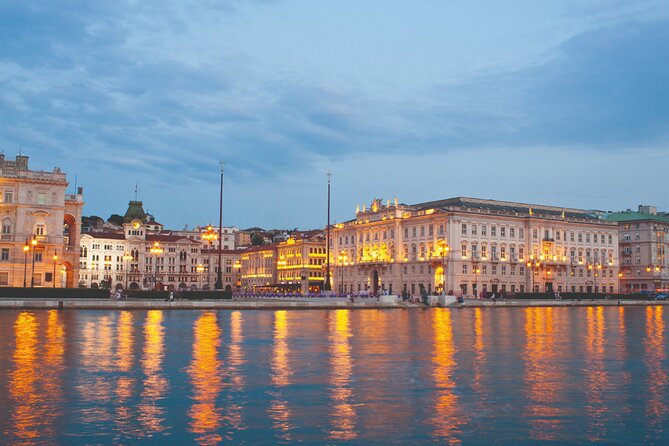
Begin at Piazza dell’Unità d’Italia, Trieste’s grandest public space and the natural place to get your bearings. At 12,280 square metres, it is described as Europe’s largest open sea square, with the Adriatic directly ahead and impressive buildings framing the landward sides.
The guide gives you about 20 minutes here. That is enough for a first look, photographs, and a little orientation, though you may want longer if you enjoy architecture. The square works well as an opening stop because Trieste’s identity comes through at once: part Mediterranean port, part Central European city, and part former imperial crossroads.
You will not pay an admission fee for the square. Since the route starts here and ends by the water, it creates a clear line through the centre instead of sending you back and forth.
Roman Trieste at Arco di Riccardo
The short walk to Arco di Riccardo takes you to one of the city’s oldest surviving reminders of Roman Tergeste. This ancient gate probably dates to the first century AD and belonged to the walls built under Augustus in 33 BC.
The stop is planned for about ten minutes. That is appropriate because the arch is a compact monument rather than a large site you enter and explore for an hour. The value comes from seeing Roman remains in the middle of the modern city and understanding how Trieste’s oldest layers still shape the route.
The written notes are especially useful here. Without context, an old arch can be easy to pass with only a quick photograph. The guide explains what you are looking at and connects it to the city’s Roman beginnings.
The climb to Cattedrale di San Giusto
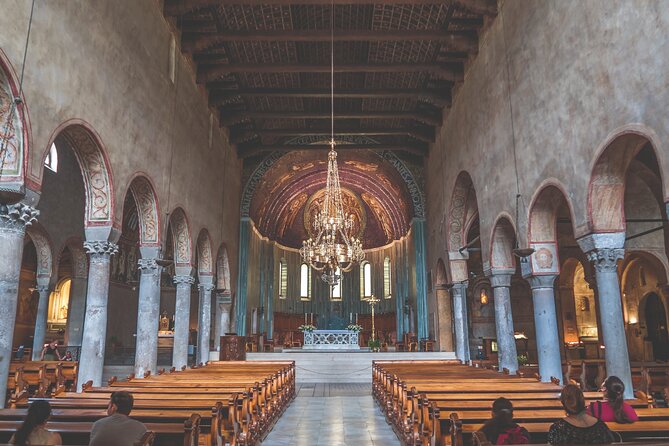
From the lower city, the route heads uphill to Cattedrale di San Giusto Martire. This is the first part where sensible shoes and water matter. The climb is manageable for most people, but it can feel tiring on a hot day, especially if you are trying to keep to the suggested timing.
The cathedral sits on San Giusto Hill, the former acropolis of Roman Tergeste and likely the location of an older sacred area. The present church took shape in the early 14th century when two religious complexes were joined. Inside, the building’s five naves reflect that layered development.
The guide allows about 20 minutes here. I would treat that as a minimum if the church is open and you want to look closely. Entry to the church is free. Small coin-operated slots may switch on interior lights for a short time, so keep a few coins handy if you want to see details more clearly.
This stop gives the route more substance than a simple city highlights walk. You are not only checking off a church. You are seeing how Roman, medieval, and later religious history occupy the same hill.
Same sights, a different narrator:
- Rome: Pantheon Fast-Track Ticket and Official Audioguide
★ 4.5 · 27,353 reviews - Rome: Colosseum & Forum with Audio Guide App -Optional Arena
★ 4.2 · 24,770 reviews - Florence: Timed Entry to Michelangelo’s David + Audio App
★ 4.6 · 19,496 reviews - Rome: City Sightseeing Hop-on Hop-off Bus with Audioguide
★ 4.0 · 16,045 reviews
San Giusto Castle and the optional €6 view
San Giusto Castle is next, and this is the only listed stop with a separate admission fee. Entry costs €6. You do not have to go inside, but the castle is worth considering if you want a view over the Gulf of Trieste and the surrounding area.
The castle is one of Trieste’s key symbols, and its position above the city helps explain the importance of San Giusto Hill. If you are keeping the outing strictly to $7.84, skip the interior and continue with the outdoor route. If you have time and want the best elevated view included in this walk, budget for the extra ticket.
The planned stop is 20 minutes. That may be enough for a quick visit, but you should expect the whole outing to stretch beyond two hours if you enter the castle, take photographs, or linger at the cathedral.
Roman Theatre at the foot of the hill

The Roman Theatre of Trieste brings you back toward the historic centre. Located at the foot of San Giusto Hill, it is easy to connect with the preceding castle and cathedral stops.
The theatre dates from the Roman period and sits right at the edge of the old area. The guide gives you 20 minutes, enough to inspect the remains and understand their place in the city. Like Arco di Riccardo, this is mainly an outdoor historical stop, so there is no admission fee listed.
I like the way the route places the theatre after San Giusto Hill. You first see the acropolis and then encounter another Roman reminder below it. That order gives the walk a basic sense of time and geography without requiring a museum visit.
Piazza della Borsa and Trieste’s commercial past
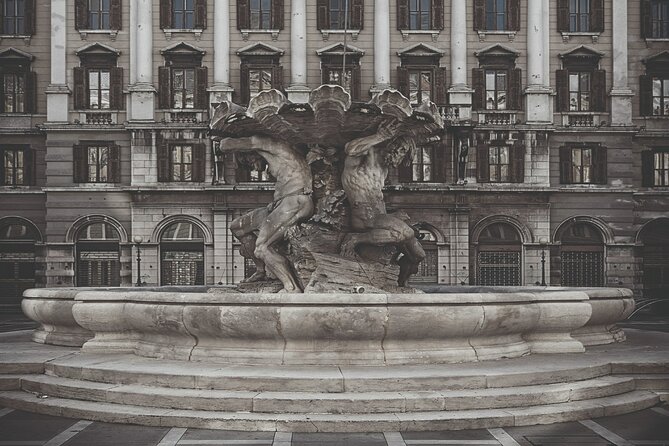
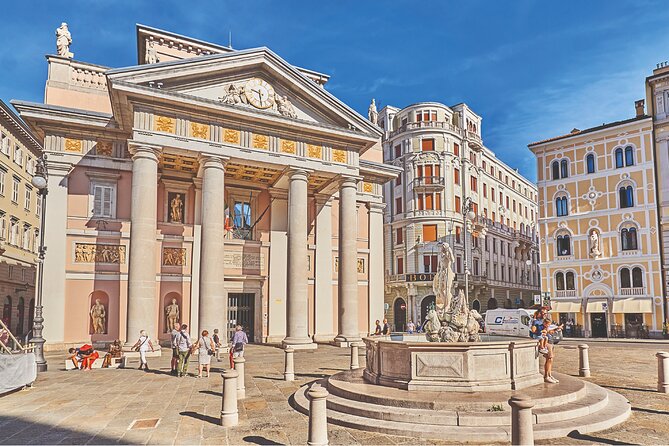
Piazza della Borsa shifts the focus from ancient and religious Trieste to the city’s economic life. During the 19th century, this was the commercial heart of Trieste. Today it is an elegant square surrounded by notable buildings and details that the digital guide explains along the way.
The suggested time is 20 minutes. You can use it to admire the architecture, listen to the commentary, or pause for a drink before continuing. Since the square is part of the normal city route, you do not need a separate ticket.
This is the sort of stop that benefits from a guide. A square can look attractive without revealing why it matters. The notes connect its buildings to Trieste’s role as a major port and trading centre, giving you a better sense of the city beyond its postcard waterfront.
Two striking churches in the city centre
The next two stops show Trieste’s religious variety. Chiesa Serbo Ortodossa di San Spiridione is a Byzantine-style church built in the form of a Greek cross. Its central dome rises above four bell towers, making it one of the most noticeable buildings in the centre.
The route allows 20 minutes. Take time to study the exterior, and enter if access is available. The church is free to visit according to the supplied tour information, though you should remain respectful if services are taking place.
Church of Sant’Antonio Nuovo follows with a very different look. The present building was constructed between 1828 and 1849 and draws on the classical grandeur of major Roman monuments. Its name refers to an earlier mid-18th-century church.
Together, these stops make the walk more than a standard Roman ruins tour. You see the Serbian Orthodox presence alongside a large Catholic church influenced by classical architecture. The written commentary helps point out details you might otherwise miss.
Canale Grande, a short walk with a clear payoff
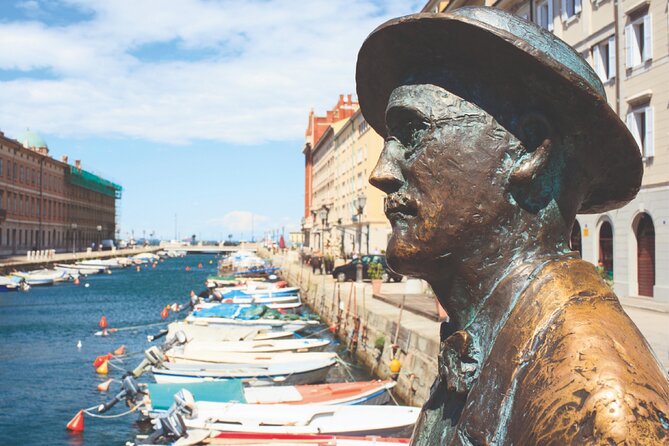
Canale Grande is 370 metres long and 28 metres wide, and it is one of Trieste’s defining urban features. The route gives you 15 minutes here, though the canal is a pleasant place to slow down if you want a longer break.
The canal links the central city with the waterfront and gives you a different view of Trieste’s architecture. Walk along its banks, take photographs, and use the commentary to understand why this waterway matters to the city.
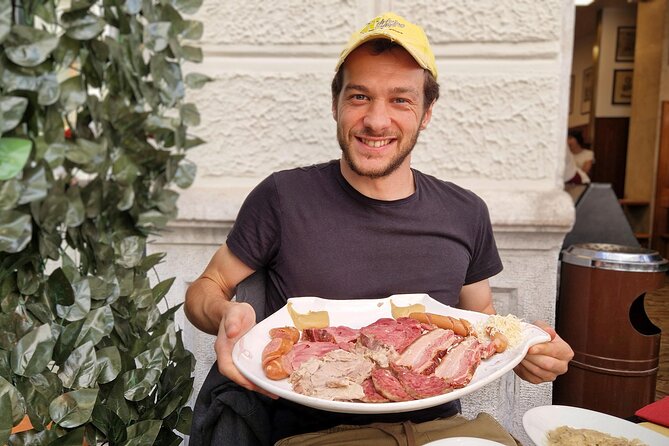
This is also a good point to stop for food, since the guide includes advice on local restaurants serving authentic dishes. The information is not a substitute for a full food tour, but it can help you choose a meal instead of settling for the first convenient place.
Finishing on Molo Audace
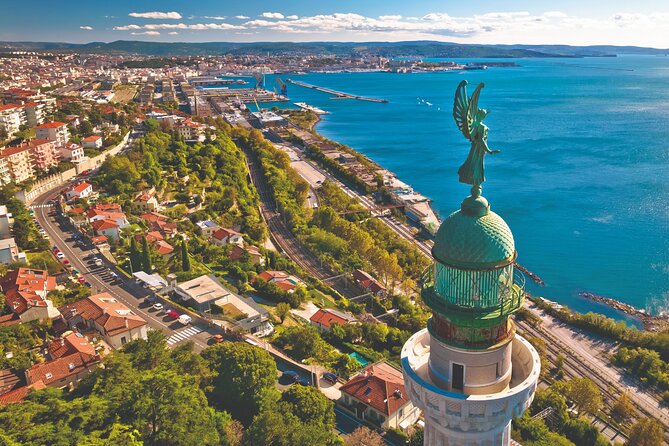
The final stop is Molo Audace, formerly called Molo San Carlo. This pier reaches more than 200 metres into the sea and gives the route a strong finish.
The guide allows 15 minutes, but the pier invites you to stay longer. It is a place for open water, views back toward the city, and changing light on the waterfront buildings. The notes also mention Trieste’s famous bora wind, which can reach 100 kilometres per hour. On a windy day, hold onto your hat and take care on the exposed walkway.
The route ends here rather than returning to the starting square. That is handy if you are continuing toward the cruise port or simply want to finish by the water. It also means you should plan your day around a one-way walk.
How much time should you allow?
The stated duration is about two to three hours. The ten planned stops add up to roughly three hours if you use every suggested stop time, but your actual pace will vary.
Allow closer to two hours if you walk briskly, read only the main notes, and skip the castle interior. Plan on three hours or more if you enter San Giusto Castle, spend time in the churches, stop for photographs, or take a meal break.
One of the best features is the ability to pause and resume. You can complete part of the route, stop for lunch or a museum visit, and return to the guide later. That flexibility is more useful than a fixed tour schedule when you are visiting Trieste during a cruise stop.
Price, language, and technical value
At $7.84 per person, this is a low-cost way to get structure and context for a central Trieste walk. You are paying for route planning, directions, historical notes, audio, written information, and restaurant tips rather than a live person’s time.
That price is good value if you already have a phone and mobile data. It is less appealing if you expect a traditional guide, personal questions, or a printed map. Group discounts are available, which can make it even more practical for a family or small party.
You can use English, Spanish, Italian, German, or French. The written information is an important part of the value because audio quality and pronunciation have not been consistent for everyone. Some listeners found the English narration clear and easy to follow, while others disliked the American pronunciation of Trieste and local names.
My advice is simple: use the written guide as your main reference and treat the audio as an option. Bring headphones, read the next stop while your companion takes photographs, and refresh the page if an audio clip does not load.
Who should book it?
I would recommend this experience to you if you want to see Trieste independently but prefer more direction than a random stroll. It suits solo visitors, couples, families with older children, and cruise passengers with a few free hours.
It is also a good fit if you like to choose your own pace. You can follow all ten stops, shorten the walk, linger at a church, or pause for a meal. The route covers the city’s biggest themes: Roman Tergeste, San Giusto Hill, 19th-century commerce, religious diversity, the Grand Canal, and the sea.
I would not choose it if you want a live guide, deep conversation, or guaranteed offline access. You also need to be comfortable walking uphill to San Giusto Cathedral and Castle. Most people can take part, service animals are allowed, and the route is near public transportation, but the supplied information does not promise a step-free route.
Should you book this Trieste audio walk?
Book it if you want an inexpensive, flexible introduction to Trieste and have mobile data ready. The route is especially useful for a cruise stop because it begins at Piazza Unità and ends near Molo Audace, with the city’s main sights arranged in a sensible order.
Skip it if pronunciation matters greatly to you, you dislike listening through a phone, or you want a personal guide. For the best experience, bring water for the San Giusto climb, headphones, a few coins for church lights, and an extra €6 if you decide to enter the castle.
FAQ
Is this a guided group tour?
No. This is a self-guided digital walking tour. You follow the route on your own smartphone using audio, written information, and Google Maps.
How long does the Trieste walk take?
The expected duration is about two to three hours. Stops, photographs, the uphill walk, a castle visit, and meal breaks can make it longer.
What languages are available?
Audio and written information are available in English, Spanish, Italian, German, and French.
Do I need internet access?
Yes. You need a smartphone with an internet connection to use the digital guide. The activation details are provided in your booking voucher.
Is San Giusto Castle included?
No. Castle entry is optional and costs €6. The other listed stops have no admission charge.
Where does the tour start and finish?
It starts at Piazza dell’Unità d’Italia and ends at Molo Audace, also known as Molo San Carlo.
Can I cancel the booking?
Yes. You can receive a full refund if you cancel at least 24 hours before the experience start time. Cancellations or changes made less than 24 hours before the start are not accepted for a refund.
New audio tours around Italy
- Lecce Walking Tour with Audio and Written Guide by a Local★ 4.0 · 38 reviews
- Private Audio Guided Walking Tour in Lecce★ 4.0 · 7 reviews
- Private Audio Guided Walking Tour in Como★ 3.0 · 3 reviews
- Como Walking Tour with Audio and Written Guide by a Local★ 4.5 · 30 reviews
- Finance and Nobility: Explore medieval Genoa on a self-guided audio tour★ 4.5 · 7 reviews
- Genova Walking Tour with Audio and Written Guide by a Local★ 4.5 · 33 reviews
- Udine Walking Tour with Audio and Written Guide by a Local★ 4.0 · 2 reviews
- Florence: Uffizi Gallery Timed Entry Ticket with Audio★ 3.0 · 3 reviews
Italy Audio Tours, compared.
Rome: Pantheon Fast-Track Ticket and Official Audioguide
Read our review →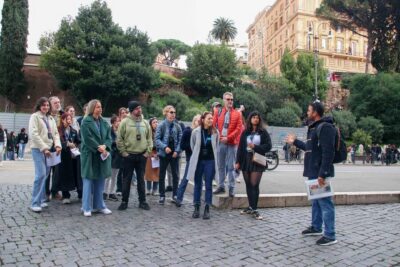
Rome: Colosseum & Forum with Audio Guide App -Optional Arena
Read our review →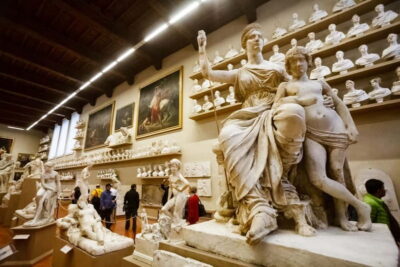
Florence: Timed Entry to Michelangelo’s David + Audio App
Read our review →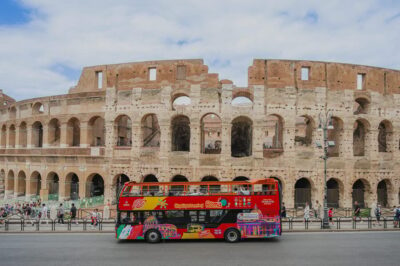
Rome: City Sightseeing Hop-on Hop-off Bus with Audioguide
Read our review →
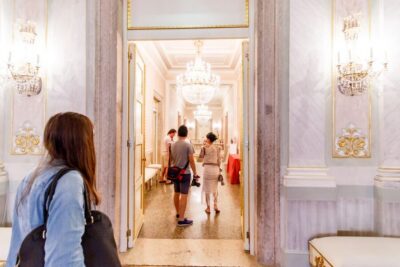
Venice: La Fenice Opera House Entry Ticket with Audio Guide
Read our review →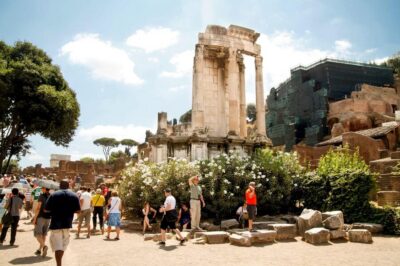
Rome: Colosseum, Forum, Palatine Hill Entry & Audioguide App
Read our review →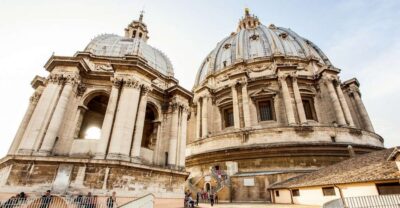
Rome: St. Peter’s Basilica & Dome Entry Ticket & Audio Tour
Read our review →Browse the lists this tour appears in