

Review · UK
Canterbury Cathedral: Entry Ticket with Audio Guide
Canterbury Cathedral gives you 1,400 years of English history inside one complex of stone, glass, gardens, and quiet passageways. You are not simply looking at a grand church. You are walking through the headquarters of the Anglican Communion, a major medieval pilgrimage site, and a building repeatedly reshaped by fire, fashion, and faith.
I like the way the audio guide gives the building a clear voice, especially when you reach the stained glass, crypt, and memorials. I also like the freedom to wander into the Chapter House, Great Cloister, gardens, and exhibitions instead of being pushed through a fixed route.
The main drawback is navigation. The audio commentary is detailed, but the route can be hard to follow because locations are not always clearly numbered. Give yourself time, and do not expect every area to be open if services or cathedral business require a short-notice closure.
Key points to know before you go
- A 1,400-year story: Canterbury connects Augustine’s mission in 597 with medieval pilgrimage, royal drama, and the modern Anglican Church.
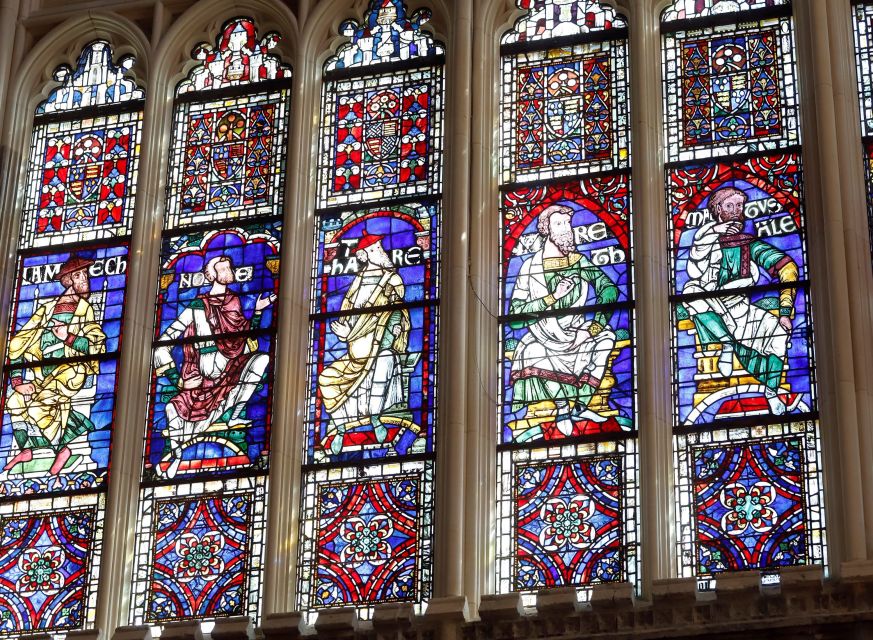
- Ancient stained glass: Some windows rank among the oldest in the world, and the audio guide helps explain what you are seeing.
- More than the main church: Your ticket includes the Chapter House, Great Cloister, three gardens, and up to three exhibitions.
- A self-guided visit: You receive a handset and headphones, then choose your pace and route.
- Allow at least two hours: The cathedral and precincts reward a slow visit, and some people spend three hours or more.
- Plan for uneven surfaces: Stone steps, uneven floors, changing light, and restricted areas make sensible shoes useful.
Why Canterbury Cathedral matters
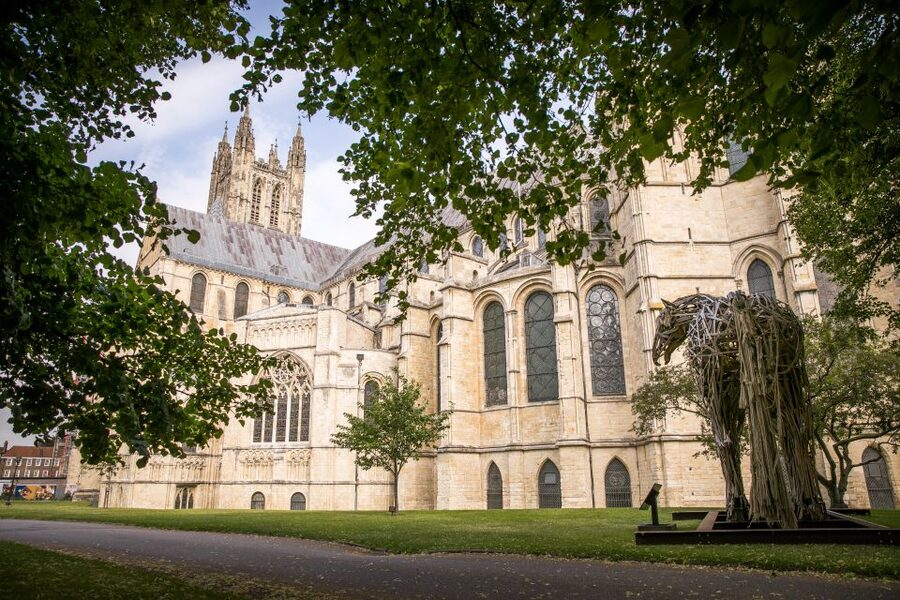
I find Canterbury most rewarding when I treat it as a place with several layers, not just as a beautiful building. The current cathedral grew over centuries, and each period left its mark in the architecture.
In 597, Pope Gregory the Great sent Augustine to England as a missionary. Augustine established his seat, or cathedra, at Canterbury and became England’s first Archbishop. That makes this more than a historic church. It is the mother church of the worldwide Anglican Communion and the seat of the Archbishop of Canterbury.
The cathedral later became one of Europe’s leading pilgrimage centers after miracles were associated with the site. Geoffrey Chaucer’s Canterbury Tales turned those pilgrim journeys into one of England’s best-known literary works.
The building itself tells a less tidy story. A fire in 1174 led to rebuilding in the new Perpendicular Gothic style. Other parts reflect earlier medieval forms and later changes. Look up often. You will see that the cathedral is not one pure design, but a long record of rebuilding.
More Church and Cathedral Audio Tours in the UK:
- Westminster Abbey Entrance Ticket Including Audio Guide
★ 4.0 · 661 reviews - Rome: St. Peter’s Basilica & Dome Entry Ticket & Audio Tour
★ 4.2 · 7,537 reviews - Istanbul: Basilica Cistern Fast-Track Entry and Audio Guide
★ 4.6 · 7,521 reviews
Starting at the cathedral entrance
Present your voucher at Canterbury Cathedral, where staff direct you to the desk for the media guide and headsets. The process is simple in principle, though collecting and returning equipment can feel less organized at busy times.
Check the handset before you begin. One visitor received a device that was not charged, while another had an audio guide that repeatedly stopped working. Most people find the equipment useful once it works, but it is worth asking for a replacement straight away rather than trying to manage a silent tour.
The guide is available in English, French, German, and Japanese. You receive headphones, so the experience is personal and quiet. That matters in a working place of worship, where a loud group tour could distract from the setting.
There is no need to rush through a fixed schedule. You can pause the commentary, skip sections, or return to a place that caught your eye. That flexibility is one of the strongest reasons to choose this ticket over a basic entry visit.
The nave and the main cathedral
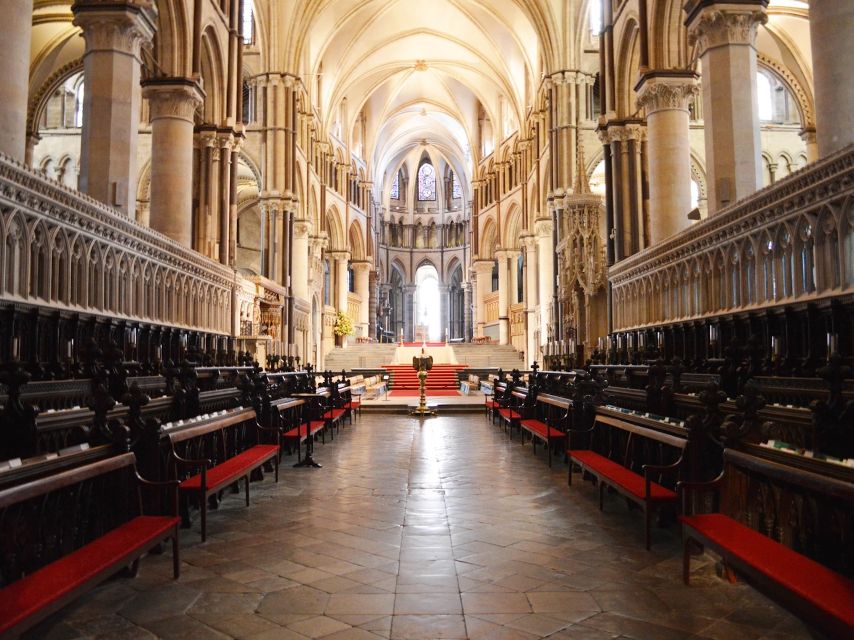
Begin with the main interior, where the scale of Canterbury becomes clear. High ceilings, long lines of stone, and changing medieval styles make this a place where the architecture needs time to settle in.
The audio guide gives you useful context about the people connected with the cathedral, including royals, monks, and martyrs. Without that background, it is easy to walk through a medieval church and notice only its size. With the commentary, a column, window, or chapel can become part of a much larger story.
I recommend standing still for a few minutes before following the suggested route. Let your eyes adjust to the dim interior and look for the contrast between broad architectural spaces and fine details. The cathedral can feel almost too large at first, and a pause helps you take in its structure.
The route is not always perfectly obvious. The handset may offer a Where Next suggestion, but physical signs do not consistently match the audio sections. You might need to backtrack or work out which feature the commentary is describing. That is a nuisance, not a disaster, and the open-ended format means you can recover without losing your place completely.
The stained-glass windows
The stained glass is one of the visit’s strongest features. Some windows are among the oldest in the world, giving Canterbury a rare link to the medieval people who made, viewed, and prayed beside them.
The audio commentary is especially valuable here because glass can be hard to read from the floor. Colors, figures, repairs, and religious scenes may blend together when you first look up. The guide helps you know where to focus and why particular sections matter.
Take your time with the light. The appearance of the windows changes as daylight shifts, and the darker interior makes bright patches of color feel even more striking. Photography may be tempting, but the point is to look carefully rather than race around collecting pictures.
You should also remember that the cathedral remains a religious building. Services and special events can affect access, particularly at busy times such as Easter. If a section is closed, you may need to adjust your route and return to it on another visit.
More audio tours around the UK:
- London: Emirates Stadium Entry Ticket and Audio Guide
★ 4.7 · 5,513 reviews - London: British Museum Audio Tour & Priority Entrance Ticket
★ 4.5 · 631 reviews - Golden Tours York Hop-on Hop-off Open Top Bus Tour with Audio Guide
★ 4.5 · 468 reviews - Bath: Roman Baths Entry Ticket with Audio Guide
★ 4.7 · 425 reviews
The crypt and the quieter spaces
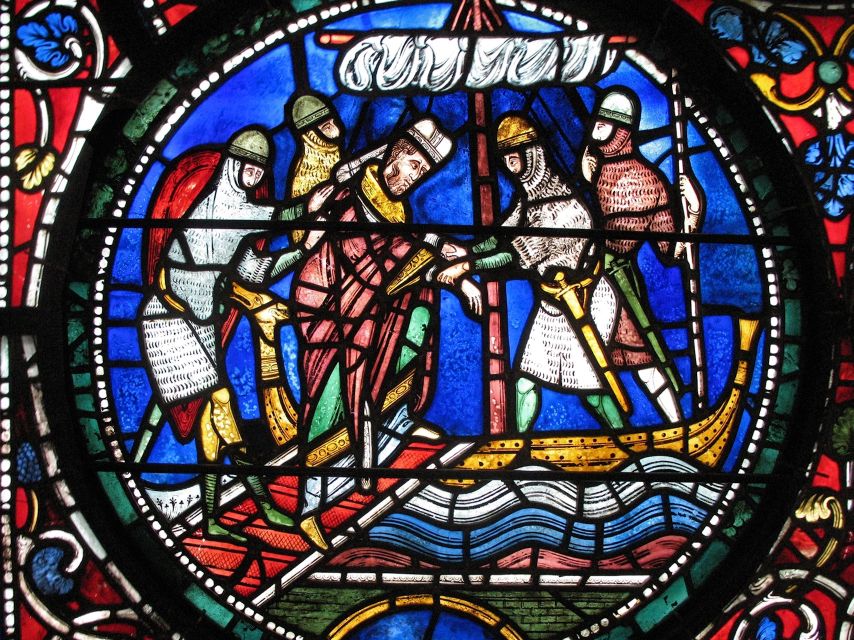
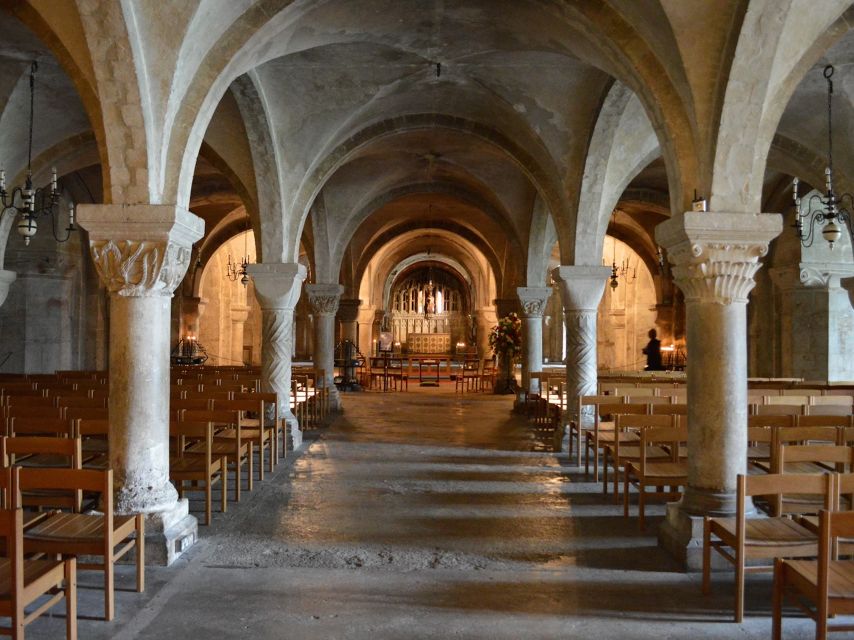
The crypt offers a different mood from the bright upper church. Its lower stone spaces are atmospheric and can feel more intimate than the grand interior above.
The uneven floors and stone steps matter more here, so take care and use an access ramp where one is available. Lighting levels in the museum and other parts of the site may vary, and the darker areas can make it harder to see changes in the floor.
Photography and video recording are not permitted in the crypt at any time. Commercial photography is also not permitted elsewhere. If you want a record of the visit, save your camera for permitted areas and follow the signs and staff instructions.
The crypt is a good place to slow down. I would not treat it as a quick passage between larger attractions. Its value comes from the contrast: less decoration, lower ceilings, and a more enclosed sense of the cathedral’s age.
The Chapter House and Great Cloister
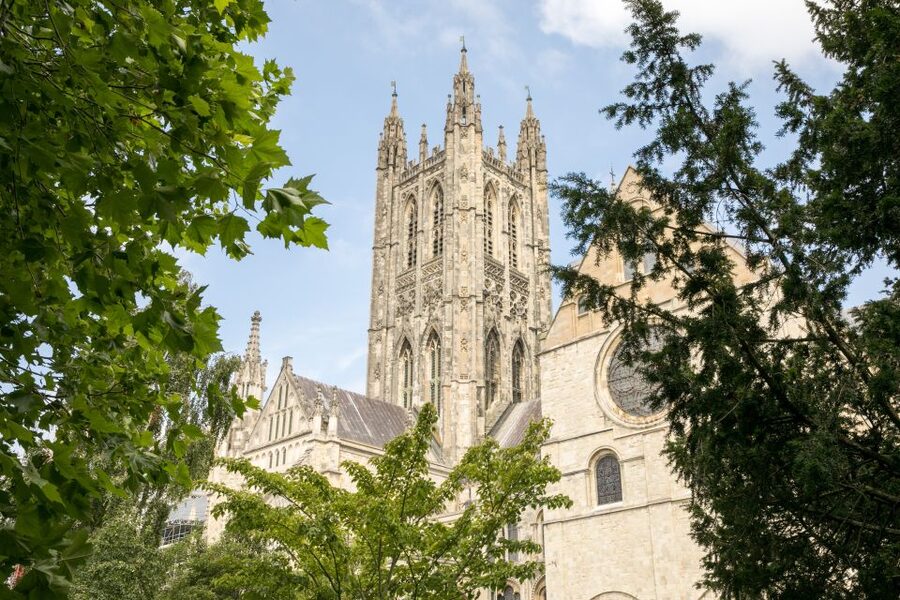
Your ticket includes the historic Chapter House, one of the most rewarding places to seek out after the main cathedral. Its detailed ceiling gives you a reason to look up again, but the room also helps explain how the cathedral community once organized its life and work.
The Great Cloister adds another change of pace. Monks walked these covered passages for centuries, and the long, quiet routes make a welcome break from the busy visual effect of the cathedral interior.
I like these spaces because they reveal the cathedral as a community, not just a grand ceremonial church. The main nave tells you how the institution presented itself. The cloister and Chapter House suggest how people lived, met, prayed, and worked within it.
Navigation can be slightly awkward in this part of the visit. Listen to the directions, but also use your own judgment. If the suggested route sends you past something interesting, stop and explore it. You can return to the audio later.
Gardens and exhibitions
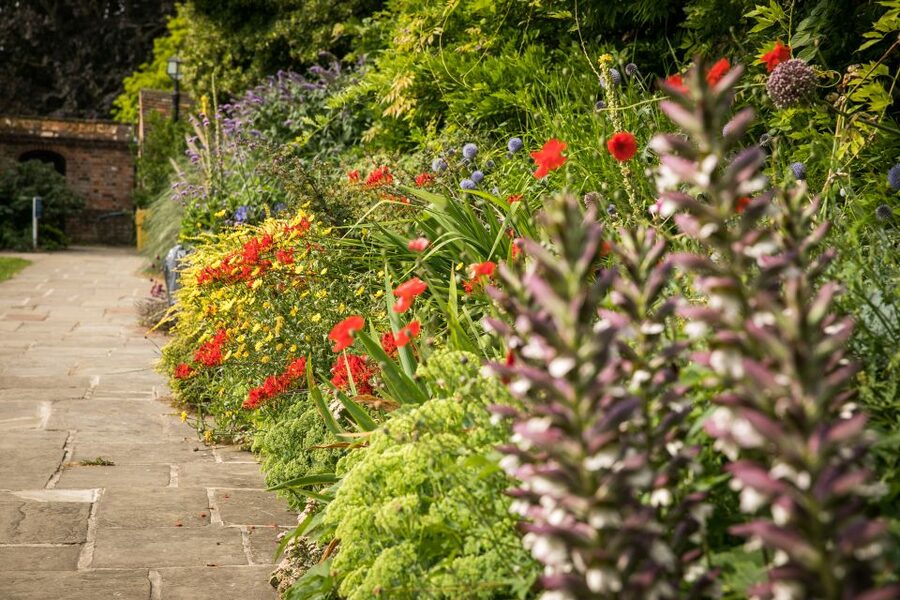
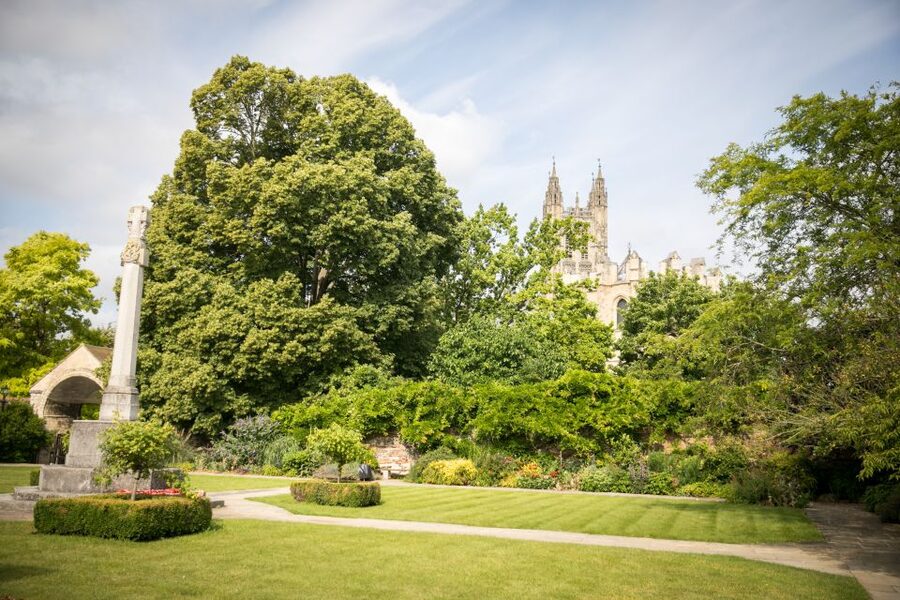
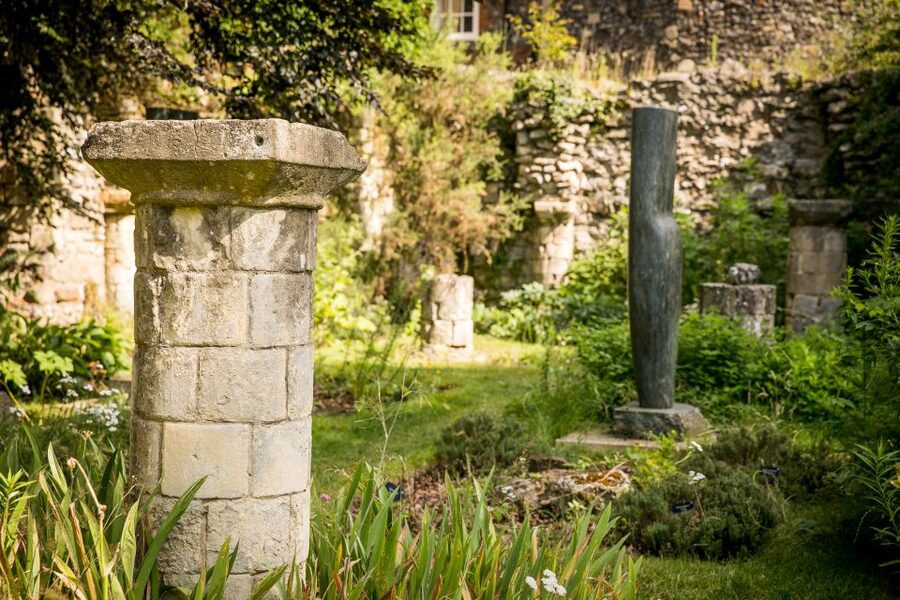
Entry also includes three public gardens, one of them a reimagining of a medieval Herbarium. These outdoor areas give you room to breathe after the dark stone interiors and offer another way to think about the cathedral’s past.
The Herbarium is particularly useful for connecting medieval life with plants and practical knowledge. It is not simply decorative garden space. It gives the wider precincts a stronger sense of how people might have used plants in earlier periods.
You can also visit up to three exhibitions around the site. The exact displays may vary, and some areas can close at short notice, so treat the exhibitions as valuable additions rather than a guaranteed fixed sequence.
The gardens and displays also help make the ticket worthwhile for people who are not focused only on architecture. If you enjoy history, art, religious studies, or museum-style interpretation, plan enough time to go beyond the central church.
How long should you spend there?
Two hours is a sensible minimum if you want to see the main church, hear much of the commentary, and visit a few additional areas. One visit of that length can feel satisfying without becoming tiring.
I would allow three hours if Canterbury Cathedral is a main reason for your day in the city. The site has enough detail to keep you occupied, especially if you listen to the audio guide carefully and include the Chapter House, cloister, gardens, and exhibitions.
Some people stay much longer, particularly when they pause for services, return to favorite windows, or take their time with the grounds. There is no stated need to hurry, so you can build the visit around your energy and interest.
A half-hour dash would not make good use of the admission fee. You would see the scale of the building, but miss much of the story that makes the place special.
Is the $31 price good value?
At about $31 per person, this is not a cheap church entry. I think it offers fair value if you plan to spend at least two hours on site and use the audio guide properly.
The price covers entry to the cathedral precincts, the handset and headphones, the Chapter House, Great Cloister, three public gardens, and up to three exhibitions. That is a broader visit than simply stepping into the main church for a quick look.
The audio guide is important to the value calculation. Without interpretation, you may admire the architecture but miss why Canterbury matters and how its parts fit together. With the guide, the admission becomes a self-guided history tour that you can take at your own speed.
The value drops if you dislike audio tours or have only a short window. It also drops if several areas are closed during your visit. I would book it for a planned cultural visit, not as a casual stop squeezed between other appointments.
Accessibility, rules, and practical planning
The cathedral is wheelchair accessible, but access is not identical everywhere. Some entryways have ramps, while other areas include stone steps. Floors are uneven in places, and museum lighting can change from one room to the next.
Leave large bags and luggage behind if possible. Food and drinks, smoking, weapons, sharp objects, pets other than assistance dogs, skateboards, scooters, fireworks, skates, and children’s throwing or sit-on wheeled toys are not allowed.
Random bag searches may take place at entry to the cathedral and precincts. Children under 16 must stay with an adult at all times.
Parking at the cathedral is for Blue Badge holders only and depends on availability. Public car parks are located nearby, so plan for a short walk rather than expecting to park at the entrance.
The ticket allows free cancellation up to 24 hours in advance, and you can reserve now and pay later. That is useful if your wider England itinerary is still changing.
Who will enjoy this visit most?
I recommend this experience to anyone who likes architecture, English history, religious history, medieval art, or quiet self-guided sightseeing. The audio format suits you if you prefer choosing your own pace instead of staying with a guide.
It is also a good choice for repeat visitors to Canterbury. You can focus on details you missed before, spend more time in the crypt, or give the gardens and exhibitions proper attention.
Families can enjoy the scale and visual details, but younger children may not stay engaged with the long commentary. Adults must supervise anyone under 16, and the uneven floors and steps require care.
If you need a perfectly marked route, you may find the experience frustrating. The content is strong, but the signs and audio numbers do not always line up neatly. Bring patience and use the guide as a tool rather than expecting it to lead you by the hand.
Should you book Canterbury Cathedral with the audio guide?
I would book it if you want the cathedral’s story, not just a photograph of its towers. The ancient glass, crypt, Chapter House, cloister, gardens, and exhibitions give you plenty to see, while the audio guide adds the context that turns impressive stonework into a connected story.
I would skip it only if you have very little time, dislike audio commentary, or need a fully guided route with crystal-clear directions. For most history and architecture fans, the chance to explore freely for two or three hours makes the $31 fee reasonable.
Check your handset at collection, allow extra time for uneven surfaces, and do not worry if the suggested route feels imperfect. Canterbury Cathedral is worth slowing down for.
FAQ
What does the Canterbury Cathedral ticket include?
The ticket includes entry to Canterbury Cathedral, an audio guide, a handset, headphones, the Chapter House, the Great Cloister, three public gardens, and up to three exhibitions.
Which languages are available for the audio guide?
The audio guide is available in English, French, German, and Japanese.
How long is the ticket valid?
The ticket is valid for one day. Check availability for the applicable starting time when booking.
Is Canterbury Cathedral wheelchair accessible?
Yes, the cathedral is wheelchair accessible. Some areas have access ramps, while other entryways include stone steps. Floors can be uneven in places.
Can I take photographs inside the cathedral?
Commercial photography is not permitted. Photography and video recording are not permitted at any time in the crypt.
Can I cancel the booking?
Yes. You can cancel up to 24 hours in advance for a full refund. Reserve now and pay later is also available.
New audio tours around the UK
- London Panoramic Open Top Bus Tour with Audio Guide★ 4.0 · 209 reviews
- London: British Museum Audio Guide & Small Group Entry★ 3.5 · 81 reviews
- London: National Gallery Audio Tour (No Entry Ticket)★ 3.5 · 11 reviews
- London’s Alternative History: A Self-Guided Audio Tour★ 5.0 · 4 reviews
- London: British Museum’s English Audio Tour with Free Reservation★ 3.0 · 15 reviews
- London: Churchill War Rooms Ticket & Political London Audio Tour★ 4.0 · 83 reviews
- London: British Museum Audio Tour with Free Guaranteed Entry★ 3.0 · 30 reviews
- Houses of Parliament Ticket & Political London Audio Guide★ 4.0 · 13 reviews
UK Audio Tours, compared.

London: Emirates Stadium Entry Ticket and Audio Guide
Read our review →
Westminster Abbey Entrance Ticket Including Audio Guide
Read our review →
London: British Museum Audio Tour & Priority Entrance Ticket
Read our review →
Golden Tours York Hop-on Hop-off Open Top Bus Tour with Audio Guide
Read our review →
Bath: Roman Baths Entry Ticket with Audio Guide
Read our review →
London: Churchill War Rooms Ticket & Political London Audio
Read our review →
London Panoramic Open Top Bus Tour with Audio Guide
Read our review →
Browse the lists this tour appears in