

Review · NASHVILLE
Country Music Hall of Fame Admission with Audio Guide
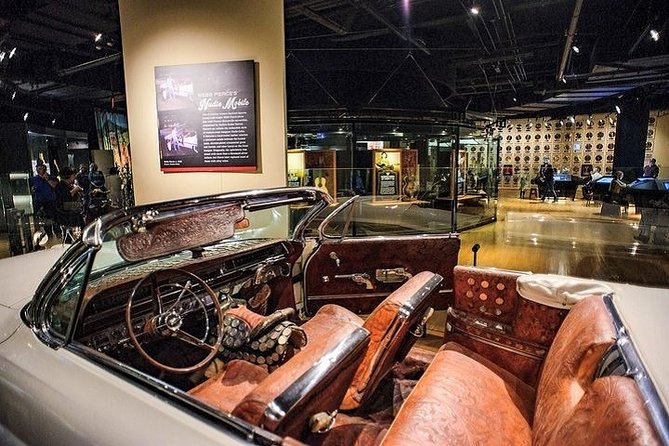
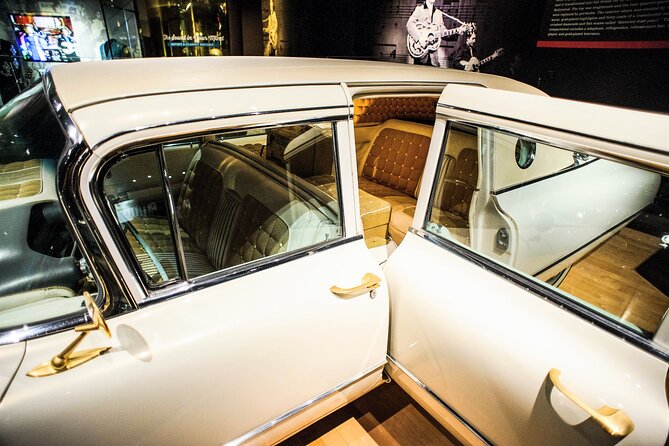
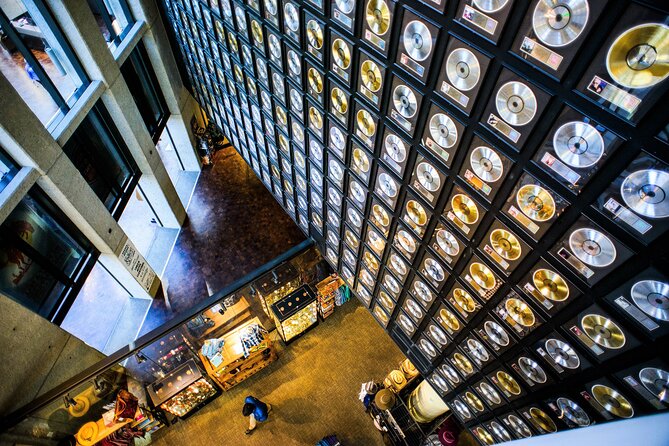
The most rewarding part of the Country Music Hall of Fame is the sheer range of material under one roof. You move from early country performers and songwriters to current stars, with costumes, instruments, handwritten notes, films, and famous cars filling the displays. Elvis Presley’s Cadillac and the Nudie cars are especially memorable, even for people who do not know every country star.
I like the freedom to spend an hour on the highlights or stay for four hours and read nearly everything. I also like the multilingual audio guide, which adds stories and context that a glass case alone cannot provide. The main drawback is the amount of information: the audio device can be awkward to use beside crowded displays, and the museum may feel scattered or tiring if you try to take in every label.
Key points to know before you go
- Allow two to three hours: You can move faster, but serious music fans may want four hours.
- Use the audio guide: It is available in English, French, Spanish, German, and Japanese.
- Expect more than memorabilia: Films, music, interactive elements, costumes, instruments, and cars make the visit varied.
- Current stars are included: Displays featuring Dolly Parton and Taylor Swift add a modern touch to the older material.
- Go early if possible: The museum can become crowded, making it harder to read labels and use the audio device.
- Book ahead for a fixed price: Admission costs $36.95 per person and can be canceled free up to 24 hours in advance.
Starting with the story of country music

The Country Music Hall of Fame and Museum is not simply a room full of famous clothing. It presents country music as a changing American art form, shaped by singers, songwriters, musicians, producers, and the business around them.
You begin with the broad story of the music, then encounter individual artists and the objects tied to their careers. This approach works well because a costume or guitar means more once you understand the period and career behind it. The museum also reaches into the past 10 to 20 years, so the experience is not limited to older legends.
I especially like the mix of personal and professional material. You may see stage clothes beside information about a performer’s work, career, or songwriting. The result feels more useful than a simple celebrity display because it connects the public image with the work that made the artist important.
The museum covers a lot of ground, and that has a cost. Some cases contain handwritten letters or small documents that can be difficult to read. If you are mainly interested in visual displays, you might move quickly through those sections. If you enjoy music history, the written material gives you more to work with.
More audio tours around the USA:
- Los Angeles: Hop-On Hop-Off Bus Tour with Audio Guide
★ 3.7 · 2,030 reviews - City Sightseeing Hop-On Hop-Off Bus Tour with Audio Guide
★ 3.0 · 1,083 reviews - Medieval Torture Museum Ticket with Audio Guide and Ghost Hunting
★ 5.0 · 962 reviews
What you see on the two museum floors
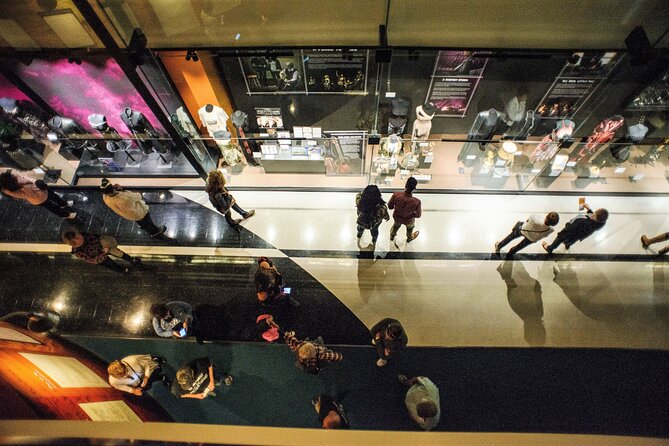
The museum occupies a large building, but the main exhibition area is on two floors. The layout offers plenty to see, though the route is not always immediately clear. Finding the elevator or stairs can take some effort, so pay attention to signs as you move through the building.
The displays include:
- Costumes and stage clothing worn by country performers
- Instruments connected to artists and recordings
- Handwritten letters and other personal papers
- Film clips and videos
- Career information about major singers and songwriters
- Iconic cars, including Elvis Presley’s Cadillac and Nudie cars
- Material about both historic and contemporary country stars
The variety keeps the museum from becoming one long row of framed photographs. Cars provide a visual break from small objects behind glass, while films and music give the building more life. Interactive features also help, particularly if you are visiting with older children or teenagers.
Still, this is a museum built for looking and reading. Many objects remain behind glass, and some people will find the experience too passive. If you prefer hands-on attractions, focus on the video, music, and interactive sections rather than trying to read every label.
The audio guide, and how to use it well
The included audio guide is one of the most useful parts of the admission, but it is not perfect. You can listen in English, French, Spanish, German, or Japanese, which makes the museum easier to follow for many international visitors.
I recommend using it selectively instead of trying to listen to every available stop. Some audio segments are long, and the self-guided format can slow you down. One practical problem is that the handheld unit may be hard to manage while you are also reading labels or standing close to other people.
A good method is to first look at a display, then listen to the audio, and then decide if you want to read further. This keeps the device from controlling your visit. It also helps you avoid standing in one place so long that you block the next person.
The audio adds its greatest value when an object needs background. A costume may look attractive, but the recording can explain who wore it, why it mattered, or how it fits into a larger career. Several exhibits have more to offer than the printed label reveals.
Some people find the audio less helpful on the second floor or skip it because the museum already contains so much written information. That is a fair choice. The guide is useful, not essential. If you want the fullest experience, use it for the displays that catch your attention rather than treating it as a required soundtrack.
Dolly Parton, Taylor Swift, and the modern museum
A strong feature of the museum is its attention to recent country music. Displays connected with Dolly Parton and Taylor Swift add a current feel, while the older galleries provide the historical foundation.
Dolly Parton fits naturally into the museum’s story because her career reaches across singing, songwriting, performance, and popular culture. Taylor Swift’s presence shows how country music can connect with a wider audience and change over time.
This modern material matters if you are visiting with someone who does not know the older performers. A teenager may recognize a contemporary artist, then become more curious about the earlier musicians whose work shaped the genre.
The coverage is not equal for every artist. If you have a favorite performer, you may find less material than you hoped for. The displays change over time, and no museum can give every singer or instrumentalist the same space. Go expecting a broad portrait of country music, not a complete exhibit on each personal favorite.
Same sights, a different narrator:
- Gettysburg Battlefield Self-Guided Driving Audio Tour
★ 4.5 · 910 reviews - Joshua Tree National Park Self-Guided Driving Audio Tour
★ 4.5 · 762 reviews - San Francisco: Alcatraz, Ferry & Audio Tour w/ Night Option
★ 4.4 · 617 reviews - Ultimate Acadia National Park Self-Guided Driving Audio Tour
★ 4.0 · 521 reviews
Films, music, and the displays worth slowing down for
Do not treat the video areas as background noise. Films help explain the music in a way that labels cannot, and one visitor described the history film as a particularly memorable part of the experience.
I would set aside time for the clips and films, even if you are not a devoted country fan. They provide rhythm to the visit and make the timeline easier to understand. After several cases of clothing or documents, a film can refresh your attention.
The cars are another reason to slow down. Elvis Presley’s Cadillac is a natural crowd-pleaser, and the Nudie cars add color and character. These objects also show how performance style, image, and show business became part of country music.
The small objects deserve patience too, but only if they interest you. Handwritten letters can be hard to read, and the cases may feel repetitive if you are not drawn to the details. I would rather read five meaningful labels carefully than rush through every panel.
How long you should plan to stay
The suggested visit lasts about two to three hours, but your pace makes a big difference. Someone who focuses on the major displays and skips longer explanations might finish in roughly 90 minutes. Someone who listens to the audio, watches films, and reads carefully may need four hours.
I would plan at least two hours so the admission feels worthwhile. Add extra time if you are a music fan, a teacher, or someone who enjoys American cultural history. A music history teacher could easily find material useful for classroom discussion, especially in the sections covering styles, performers, instruments, and the development of country music.
The museum can feel overwhelming because there is so much information. That is not a reason to rush. Pick a few priorities before you enter, such as early country music, songwriting, Dolly Parton, Taylor Swift, Elvis, costumes, or cars. Then let the rest of the visit unfold around those interests.
There is a small cafe inside the museum. It offers a practical break and can save you from leaving the building when you need food. That matters during a longer visit, especially if you plan to stay three or four hours.
Price, booking, and getting there
Admission costs $36.95 per person. That is not a bargain-basement museum ticket, but the value depends on how you use the building. A quick 60-minute visit may feel expensive. A three-hour visit with films, audio stops, and careful viewing makes the price easier to justify.
Booking ahead is sensible during a Nashville visit because the attraction is popular and is often reserved well in advance, with bookings averaging about 48 days ahead. Your confirmation arrives when you book. At the entrance, show your voucher at the desk, where staff can print your ticket.
The museum is near public transportation, which is useful because downtown parking can be costly. Parking advice in the area varies, and some nearby parking can run about $30 for two hours. A rideshare may be cheaper and simpler than driving, particularly if you plan to spend several hours inside.
The museum is open daily from 9:00 a.m. to 5:00 p.m. Arriving early gives you a better chance of moving comfortably through the displays before the building gets crowded. It also gives you more freedom to spend time with the popular exhibits without feeling pressed.
The experience is self-guided, not a scheduled group tour. That means no guide is leading you from room to room, but it also means you can skip material that does not interest you and linger where it does.
Who will enjoy this museum most
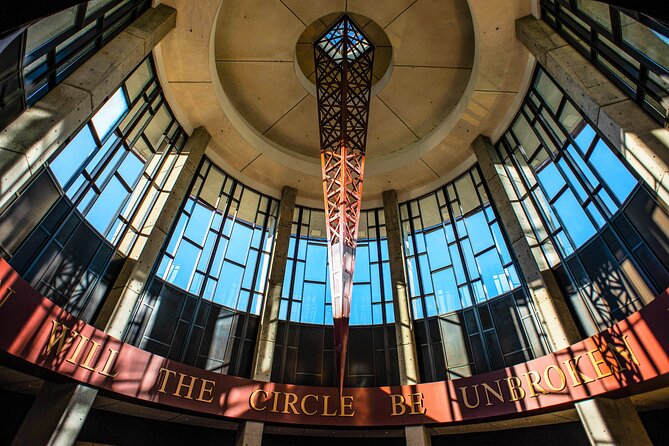
You do not need to be a lifelong country fan to find something worthwhile here. The museum also works for people interested in American history, popular culture, fashion, songwriting, cars, or the way performers build a public image.
It is particularly well suited to:
- Country music fans who want artist stories and artifacts
- Older teens and adults who enjoy music museums
- Families with different interests, since the collection includes films, cars, clothing, and interactive features
- Visitors who prefer to explore independently
- Teachers and students studying American music or cultural history
- People who want a substantial indoor activity in central Nashville
If you dislike reading, glass cases, or self-guided museums, this may not be your best Nashville stop. The building contains many labels, and some sections ask you to stand still for a while. The audio guide helps, but it does not turn the visit into a live performance.
The museum also cannot guarantee equal attention for every artist. Go for the wider story and the range of objects, not just one favorite singer. You may be disappointed if your main reason for visiting is a performer with only limited display space.
Practical tips for a smoother visit
Arrive early, especially if you want to use the audio guide and watch films. Crowds make it harder to hear, read, and move at your own pace.
Start with the main story before getting lost in individual artist displays. Once you understand the timeline, the costumes and personal items make more sense.
Use the audio guide for selected exhibits. Listen when an object catches your eye, but do not feel obliged to complete every stop.
Give yourself permission to skip dense labels. The museum is large, and trying to absorb everything can make the visit feel like work.
If you are with family, agree on a meeting point or a loose route. The self-guided format is flexible, but people can easily spread out among the displays.
Check the cancellation deadline before booking. You can receive a full refund if you cancel at least 24 hours before the experience start time. Changes or cancellations made within 24 hours are not accepted and are not refunded. The experience also requires good weather, and a weather cancellation brings a different date or a full refund.
Should you book the Country Music Hall of Fame?
Book it if you want more than a quick photo stop in Nashville. The museum gives you a thoughtful look at country music through objects, film, sound, clothing, cars, and artist stories. I find the combination of older performers and newer names especially useful because it shows that country music is still changing.
At $36.95, I would not book this for a rushed visit. Plan two to three hours, arrive early, and use the audio guide in short sections. If you are not sure you like country music, your interest in American history, design, music business, or celebrity culture may be enough to carry you through.
Skip it if you dislike museums built around reading and memorabilia, or if you want a live concert rather than an indoor cultural attraction. For everyone else, this is one of Nashville’s strongest choices for understanding how the music was made, presented, and remembered.
FAQ
How much does admission cost?
Admission costs $36.95 per person.
How long does the visit take?
The expected visit lasts about two to three hours. A faster visit may take about 90 minutes, while a careful visit with extensive listening and reading can take about four hours.
What languages are available for the audio guide?
The audio guide is available in English, French, Spanish, German, and Japanese.
Is the experience guided by a live tour guide?
No. The visit is self-guided, and the admission includes an audio guide.
What are the museum’s opening hours?
The Country Music Hall of Fame and Museum is open Monday through Sunday from 9:00 a.m. to 5:00 p.m. during 2025 and 2026.
Is the museum near public transportation?
Yes. The museum is near public transportation.
Can I cancel for a refund?
Yes. You can cancel at least 24 hours before the experience start time for a full refund. Cancellations or changes made less than 24 hours in advance are not accepted and are not refunded. If poor weather causes a cancellation, you will be offered another date or a full refund.
New audio tours around the USA
- Beaches, Bites and Bavaria in Leavenworth: A Self-Guided Audio Tour★ 3.5 · 3 reviews
- Welcome to Fabulous Las Vegas Sign Self-Guided Audio Tour★ 5.0 · 2 reviews
- Las Vegas Day Trips: 3-Day Self-Guided Audio Tour★ 5.0 · 2 reviews
- Hoover Dam and Lake Mead Self-Guided Audio Tour★ 5.0 · 3 reviews
- Driving Lake Tahoe: A Self-Guided Audio Tour From Tahoe City to Incline Village★ 5.0 · 10 reviews
- Las Vegas Neon and Secrets: Self-Guided Audio Tour★ 5.0 · 3 reviews
- Baton Rouge Historic Downtown Self-Guided Audio Walking Tour★ 4.0 · 19 reviews
- Ultimate La Jolla Self-Guided Driving & Walking Audio Tour Bundle★ 3.5 · 9 reviews
Nashville Audio Tours, compared.

The Heart of Downtown Nashville: A Self-Guided Audio Tour
Read our review →

Nashville Music City Smart Phone Self-Guided Audio/App Walking Tour
Read our review →Browse the lists this tour appears in