

Review · ERCOLANO
Ercolano: Herculaneum Entry Ticket with Optional Audio Guide
Herculaneum gives you something Pompeii often cannot: a close look at ordinary Roman homes preserved almost whole. Roofs, wooden doors, beds, food, wall paintings, and household objects survived beneath volcanic material from Mount Vesuvius’s eruption in 79 AD. You can walk into buildings instead of only tracing their walls.
I like the site’s compact size and the freedom to explore at your own pace. I also like how clearly it brings daily life into view, from shops and baths to private rooms and mosaics. The main drawback is the audio guide: it can be useful, but the app is sometimes awkward to follow, and the ticket redemption process may not be as quick as a simple QR scan.
Key points to know before you go

- See remarkably complete Roman buildings: Roofs, doors, beds, frescoes, and other household features remain unusually well preserved.
- Allow about three hours: That is enough for a strong first visit, though your ticket is valid for one day.
- Choose your audio carefully: The digital guide needs to be downloaded before arrival, and the physical device is available only with the relevant option.
- Expect a smaller site than Pompeii: Herculaneum is easier to cover and less overwhelming, with many buildings close together.
- Prepare for heat and uneven walking: Comfortable shoes, sun protection, and an umbrella for shade are sensible in warm months.
- Compare the final price: The advertised cost is $21 per person, but an audio option or booking channel may make the total higher than buying directly.
Why Herculaneum feels different from Pompeii
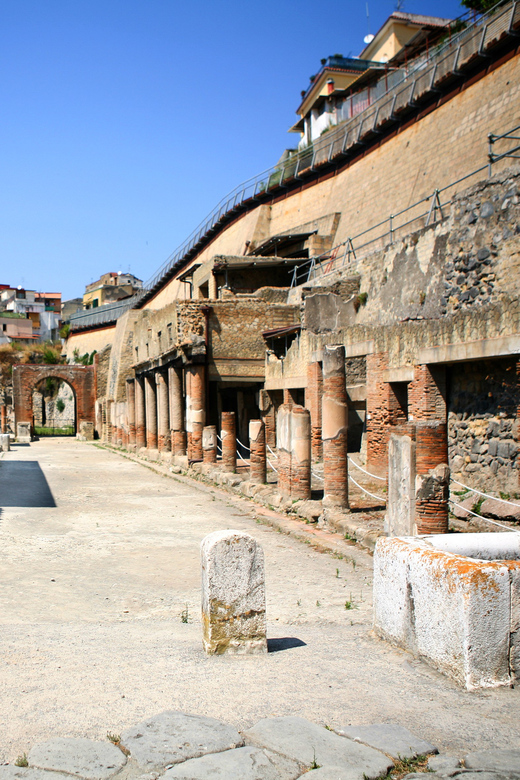
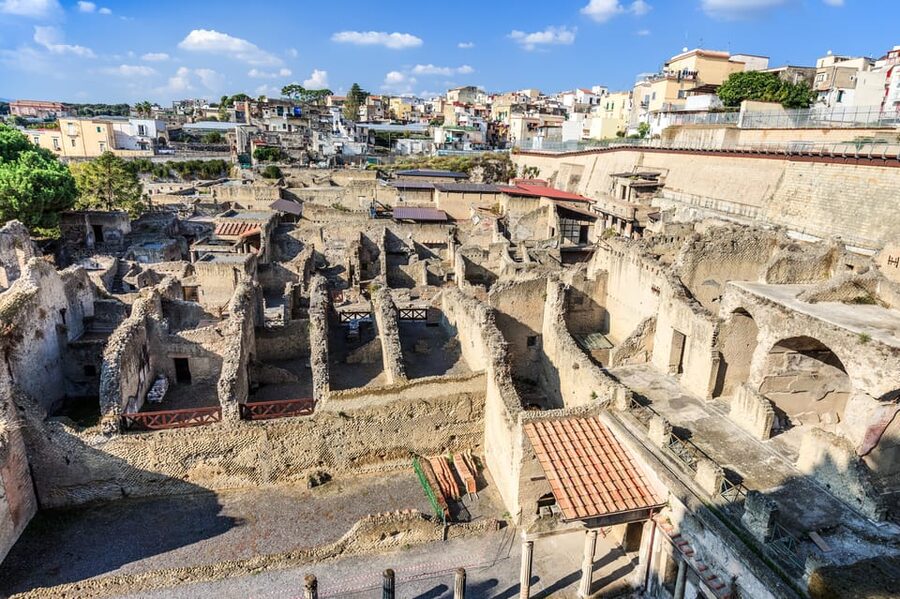
Pompeii is the bigger name, but Herculaneum often gives you a more intimate encounter with Roman life. The eruption buried both towns, yet the volcanic material at Herculaneum preserved more of the upper parts of buildings. You can see rooms with their original proportions, surviving roofs, doorways, and decorative details.
That difference matters when you are walking through the site. At Pompeii, you often read the footprint of a house from its walls and courtyards. At Herculaneum, you can look into enclosed rooms and picture how people moved through them. The effect is more immediate, though also more haunting.
The town was not simply frozen in a neat museum display. The remains include evidence of a sudden disaster and the roughly 300 skeletons found near the ancient shoreline and boathouse area. This is a moving part of the visit, not a quick photo stop. Give yourself time to take it in quietly.
The site is a UNESCO World Heritage Site, and its importance is easy to understand once you see how much survives. You are not only looking at columns and broken stone. You are seeing the texture of homes, shops, public buildings, and daily routines nearly 2,000 years later.
More audio tours around Italy:
- Rome: Pantheon Fast-Track Ticket and Official Audioguide
★ 4.5 · 27,353 reviews - Rome: Colosseum & Forum with Audio Guide App -Optional Arena
★ 4.2 · 24,770 reviews - Florence: Timed Entry to Michelangelo’s David + Audio App
★ 4.6 · 19,496 reviews
Entering the archaeological area
Your mobile voucher is redeemed at the online ticket desk on site. The meeting point can be confusing at first because it is at the archaeological site itself, where people are already gathering to enter. Look for the designated ticket desk rather than assuming the QR code will take you straight through the gate.
The process is usually manageable, but do not count on an instant scan-and-go entry. Some people have found that staff still need time to process the booking, even when there is no long line. Arriving early helps, especially on a Saturday or during the busier summer period.
Your ticket is valid for one day, and the site can be visited independently. This is not a fixed walking tour with a guide leading you from stop to stop. You decide how long to spend in each house and which side rooms deserve a closer look.
The listed price is $21 per person. That can be fair for an easy-to-book admission ticket, particularly if you want the flexibility of reserving ahead and cancelling up to 24 hours before the visit. Still, check the total before paying. One visitor found the booked price much higher than the direct admission cost and had trouble receiving the paid audio guide. If saving money matters most, compare the official on-site price with the prebooked option.
The ancient streets and private houses
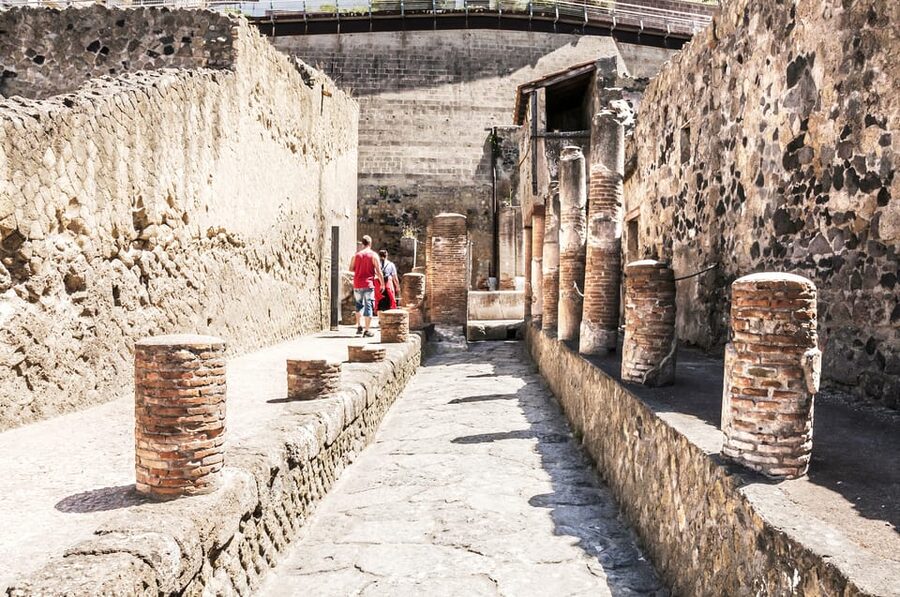
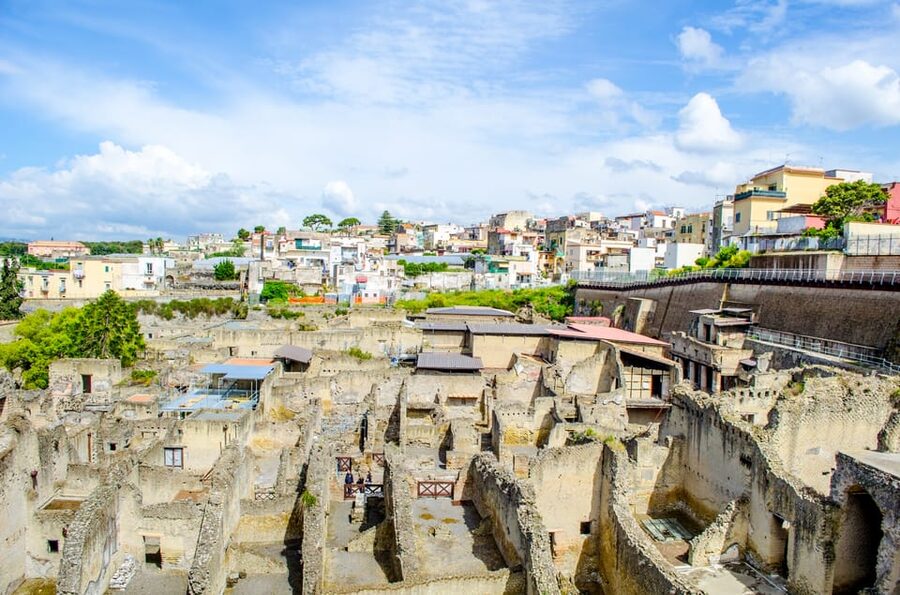
Once inside, start by getting your bearings rather than racing toward the most famous buildings. Herculaneum is smaller than Pompeii, but the streets can still feel confusing when several buildings open off the same route. A map is useful, and some people have found the supplied map or tracking function less clear than expected.
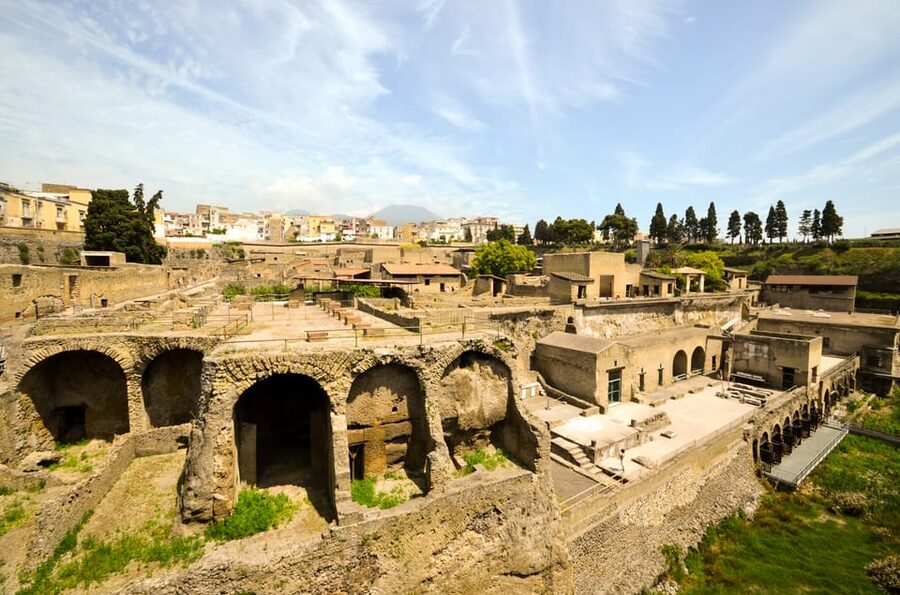
The cobbled streets lead past homes, shops, and public spaces. Look closely at the thresholds, wall surfaces, floor patterns, and surviving architectural details. Much of the pleasure comes from noticing small signs of use rather than checking off famous names.
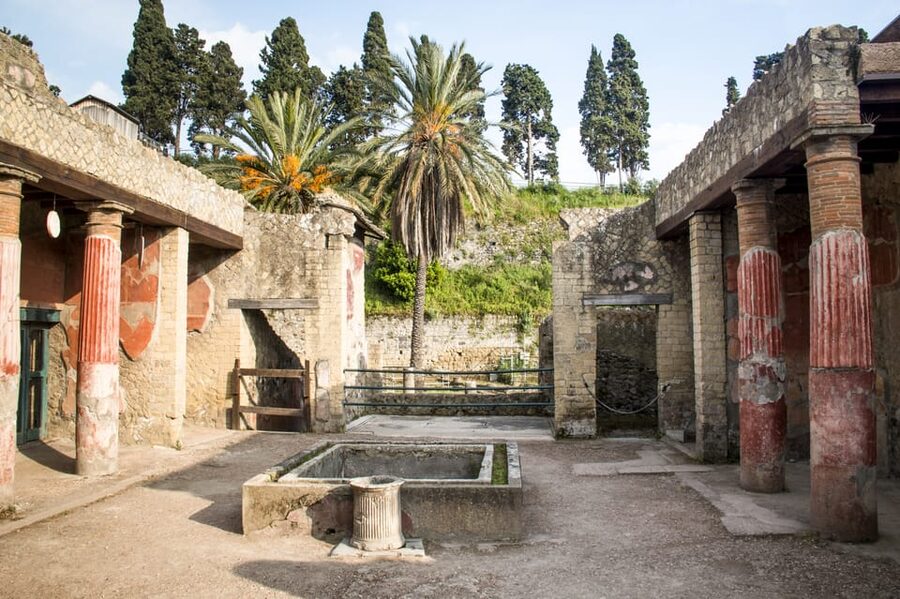
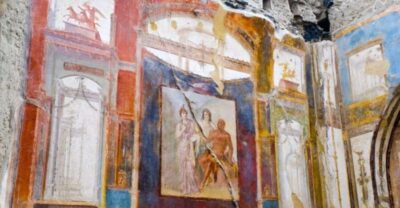
The houses are the site’s great strength. You might see rooms with frescoes still in place, decorative floors, and layouts that help you understand the difference between public and private parts of a Roman home. The preservation allows you to think about domestic life in practical terms: where people entered, worked, stored goods, bathed, and gathered.
Some buildings are more complete than others, and access can vary from one area to the next. Do not assume that every room is open or perfectly explained. The site’s information boards are limited in places, which is one reason a guide can add real value.
The architecture rewards slow looking. A painted wall may seem less impressive at first than a grand public structure, but it can tell you more about taste, status, and household life. I would rather spend ten minutes studying one well-preserved room than hurry through the whole town in an hour.
Shops, baths, and public life
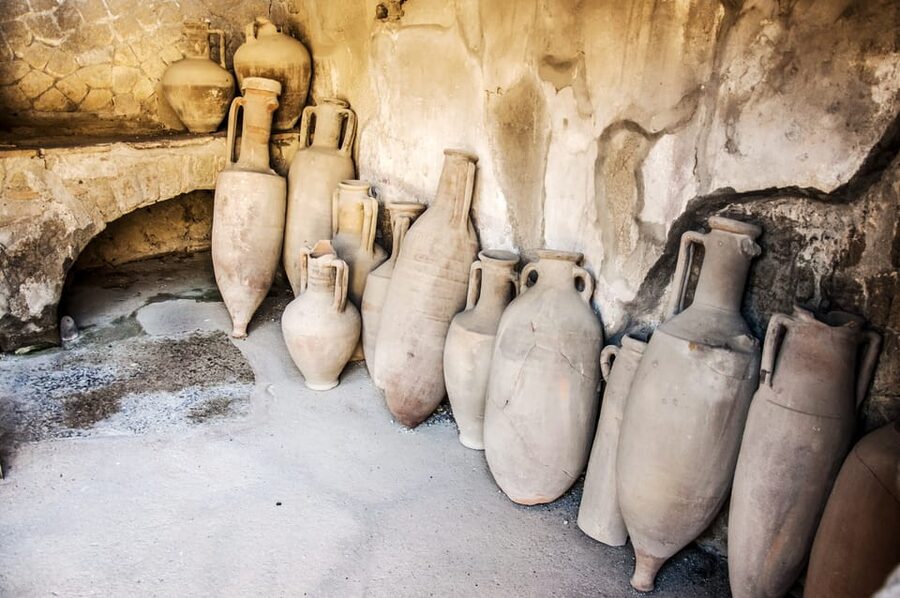
Herculaneum was a working town, not simply a collection of grand villas. The shops and commercial spaces help balance the more decorative houses. Their presence makes the streets feel practical: this was where people bought things, worked, met others, and handled the ordinary business of living.
The public gymnasium and swimming baths show another side of the town. These places were tied to exercise, washing, social contact, and public identity. Even when the surviving structures are incomplete, their scale and layout give you a sense of how shared facilities fitted into Roman life.
The baths and frescoed interiors are worth more than a quick glance. Notice how decoration and utility sit together. Roman public buildings were not bare functional spaces in the modern sense. Surfaces, mosaics, and painted scenes helped shape the atmosphere.
You may wish for more labels at individual rooms. That is a repeated weakness of the self-guided visit. Without an audio guide or a good printed map, it can be hard to know which doorway leads to a major feature and which is simply another part of the street.
This is also where a human guide would help. A professional guide can point out social details, explain how a building was used, and keep the visit moving in a sensible order. The ticket does not include a guided tour, so you need to arrange that separately if personal explanation is important to you.
Same sights, a different narrator:
- Rome: City Sightseeing Hop-on Hop-off Bus with Audioguide
★ 4.0 · 16,045 reviews - Pompeii: Entry Ticket with Audio Guide
★ 4.1 · 13,491 reviews - Venice: La Fenice Opera House Entry Ticket with Audio Guide
★ 4.6 · 11,742 reviews - Rome: Colosseum, Forum, Palatine Hill Entry & Audioguide App
★ 4.4 · 10,957 reviews
The shoreline area and the human cost
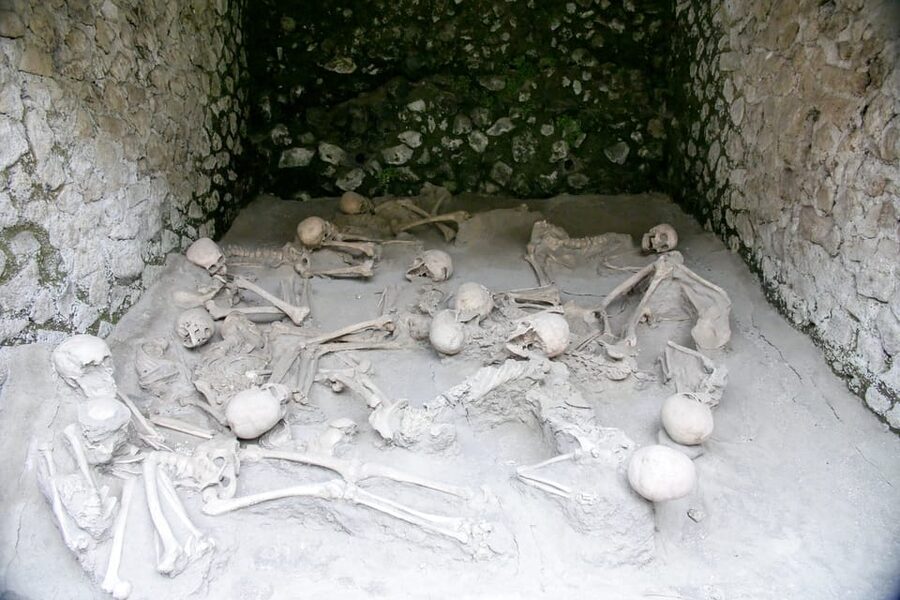
Make time for the lower area near the ancient waterfront. The setting helps explain the town’s final moments and gives the site an emotional weight that goes beyond architecture.
The skeletons found in the boathouse area are among Herculaneum’s most powerful remains. They belonged to people who apparently sought shelter or tried to reach the coast during the eruption. You do not need a long explanation to understand the tragedy, but it helps to pause rather than treat this area as just another archaeological feature.
This section can change the tone of the entire visit. Earlier, you may be absorbed in frescoes, mosaics, and household details. Here, the event becomes personal. The eruption was not simply a date in an ancient history lesson. It ended the lives of hundreds of people in a matter of hours.
For that reason, Herculaneum works best when you leave enough time for reflection. A rushed visit can still show you the main buildings, but it may miss the connection between the preserved town and the people who lived there.
Choosing between the digital and physical audio guide
The audio guide is optional, and the choice deserves some thought. The digital version is downloaded to your smartphone. It is available in English, French, Italian, and Spanish in the supplied activity details, while the broader language information also lists German. Check the exact language and format offered when you book.
Download the app and its content before reaching the site. Mobile coverage can be weak inside the archaeological area, and the download may use a lot of data. Bring headphones, since listening from a phone speaker is inconvenient and can disturb the quiet atmosphere.
The audio content can add useful background about Roman society, people, and the purpose of individual buildings. That is its strongest feature. It gives you more than a bare description of walls and floors, helping connect the remains with daily habits and social structure.
The weak point is navigation. Some audio stops are not easy to match with the building in front of you, and the app can be difficult to use without clear instructions at the entrance. At times, you may spend more effort finding the correct track than studying the room.
The physical audio guide device is an alternative if you select that option. Do not assume it is included with every ticket. Check your booking carefully, and confirm at the desk that you are receiving the format you paid for.
If you are especially interested in ancient history, a live guide may be the better choice. If you prefer quiet exploration and want background information in short portions, the app can work well, provided you prepare before arrival.
Timing, weather, and practical comfort
Most people can see the main site in about three hours. That gives you time for the streets, houses, public buildings, baths, shoreline area, and some pauses for photographs or close inspection. Your admission is valid for one day, so you are not forced into a short timed visit.
From March 16 through October 14, the listed opening hours are 9:30 AM to 7:30 PM. Last admission is at 6:00 PM, and the archaeological area must be cleared by 7:00 PM. From October 15 through March 15, hours are 8:30 AM to 5:00 PM, with last admission at 3:30 PM and departure by 4:40 PM.
Check the seasonal hours before setting out, especially if you are combining Herculaneum with another Campania sight. A late arrival can leave you with too little time for the houses and waterfront area.
Summer can be hot. The open streets offer limited shade, though some houses and covered sections provide relief. An umbrella for shade is a practical suggestion, and water and comfortable shoes are sensible choices. The cobbled surfaces and amount of walking make flimsy footwear a poor idea.
Café facilities are basic, so do not plan on a full meal inside the archaeological area. You will get more from the visit if you arrive prepared rather than counting on refreshments at the site.
For a quieter experience, I would choose the off-season or arrive early. Winter visits can feel calm and allow more time in each room. Summer visits may still be rewarding, but you will need to manage the heat and sun.
Who will get the most from this ticket
This ticket suits you if you want independence, flexible pacing, and access to one of Italy’s most important ancient sites without committing to a full guided tour. It is also a good fit if Pompeii’s size sounds tiring or confusing.
Families with older children may appreciate the compact scale and visible remains. The preserved doors, beds, food, and painted rooms give younger visitors concrete things to look at, though the skeletons and eruption story may require sensitive explanation.
History fans will find plenty to study, especially in the houses, baths, and public buildings. Architecture lovers should bring patience, since the best details are often small and easy to miss.
You may want a live guide instead if you need a clear route, detailed interpretation, or help understanding how the buildings relate to one another. The audio app is not a substitute for personal guidance for everyone.
Should you book the Herculaneum entry ticket?
Book it if you want to explore at your own pace and value Herculaneum’s unusually complete Roman interiors. Allow three hours, download the audio before arrival, bring headphones, and plan for heat if you visit in summer.
Think twice if you are booking mainly for a guaranteed fast entry or a polished guided experience. The ticket desk may still take time, the app can be awkward, and the final price may be higher than buying directly.
My advice is simple: compare prices, choose the audio format carefully, and do not skip Herculaneum just because Pompeii is more famous. The smaller site is easier to grasp, but its preserved homes and human remains can leave the stronger impression.
FAQ
How long is the Herculaneum ticket valid?
The ticket is valid for one day. Most people can see the main archaeological area in about three hours, but you can take more time during the opening period.
What are Herculaneum’s seasonal opening hours?
From March 16 to October 14, the listed hours are 9:30 AM to 7:30 PM, with last admission at 6:00 PM. From October 15 to March 15, the hours are 8:30 AM to 5:00 PM, with last admission at 3:30 PM.
Is a guided tour included?
No. The ticket includes entry and an optional digital or physical audio guide, depending on the option selected. A live guided tour is not included.
What languages are available for the audio guide?
The digital audio guide is listed in English, French, Italian, and Spanish. The broader activity information also lists German among the available languages, so check the exact option before booking.
Where do I redeem the mobile voucher?
You redeem the mobile voucher at the online ticket desk on site. The redemption point is at the archaeological area, so look for the designated desk when you arrive.
Can I cancel the booking?
You can cancel up to 24 hours in advance for a full refund. A reserve-now-and-pay-later option is also listed, allowing you to keep your plans flexible.
New audio tours around Italy
- Lecce Walking Tour with Audio and Written Guide by a Local★ 4.0 · 38 reviews
- Private Audio Guided Walking Tour in Lecce★ 4.0 · 7 reviews
- Private Audio Guided Walking Tour in Como★ 3.0 · 3 reviews
- Como Walking Tour with Audio and Written Guide by a Local★ 4.5 · 30 reviews
- Finance and Nobility: Explore medieval Genoa on a self-guided audio tour★ 4.5 · 7 reviews
- Genova Walking Tour with Audio and Written Guide by a Local★ 4.5 · 33 reviews
- Udine Walking Tour with Audio and Written Guide by a Local★ 4.0 · 2 reviews
- Florence: Uffizi Gallery Timed Entry Ticket with Audio★ 3.0 · 3 reviews
Ercolano Audio Tours, compared.
Herculaneum: Skip The Line Entrance ticket + Audioguide
Read our review →
Vesuvio Skip The Line Ticket With Digital Audioguide
Read our review →

From Naples_ Vesuvius transfer+ticket and digital audioguide
Read our review →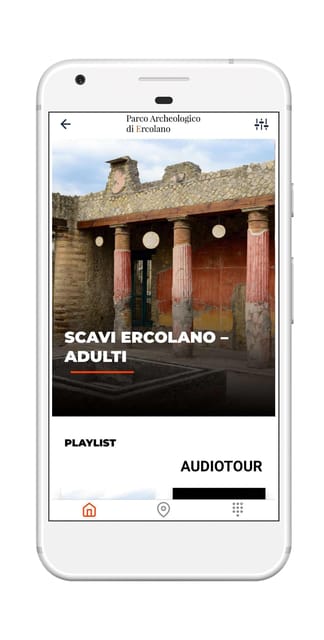
Herculaneum: Skip-The-Line Entrance Tickets + Audioguide
Read our review →Browse the lists this tour appears in