
Review · ITALY
Naples: National Archaeological Museum Ticket & Audio App
Naples’ National Archaeological Museum is where Pompeii and Herculaneum start to make sense. The sites show you streets, walls, and rooms, but this museum holds the painted frescoes, mosaics, cooking pots, glassware, sculptures, and small household objects that bring those places back to life. The Farnese collection adds grand Greek and Roman statuary, including the famous Farnese Marbles.
I like the museum for two practical reasons: it gives you one of Italy’s finest ancient-art collections for $29, and you can visit at your own pace rather than follow a group. I also like how well it pairs with Pompeii or Herculaneum. The main caution is the included audio app. Several people found it slow to download or less useful than expected, so you may want to rely on the English and Italian labels instead.
Key points to know before you go
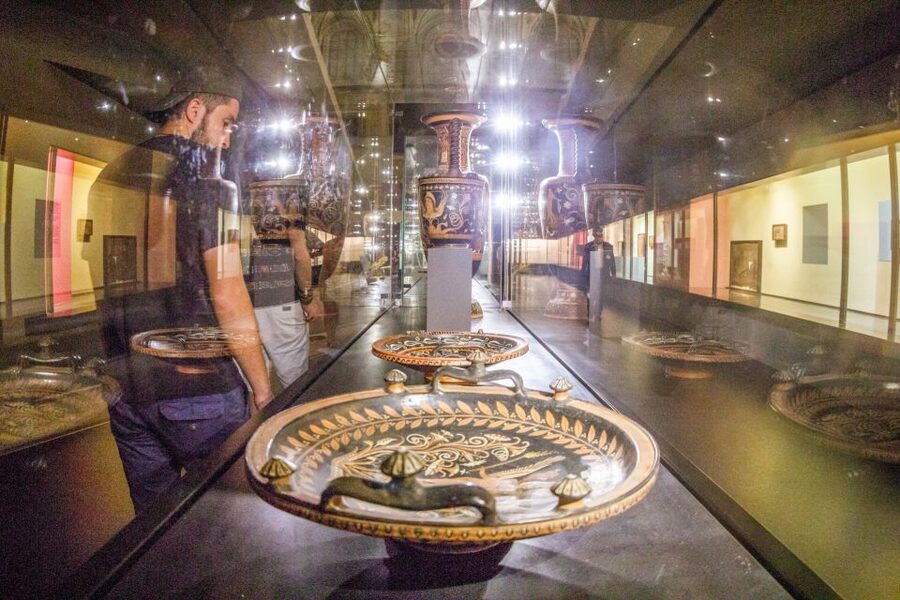
- Pompeii and Herculaneum objects: See the original frescoes, mosaics, vessels, tools, and household pieces removed from the ancient towns.
- The Farnese Collection: Admire major Greek and Roman sculptures, engraved gems, and the imposing Farnese Marbles.
- A full half-day visit: Plan on roughly three to five hours if you want more than a quick look.
- One entry only: Your ticket is valid for one day, but it does not allow reentry after you leave.
- Digital audio app included: Access is provided by link, username, and password, but the app may take time to download.
- Simple arrival process: Exchange your smartphone voucher at the museum ticket office for the official entrance ticket, then pass through security.
Why this museum belongs on your Naples schedule
The National Archaeological Museum is not simply a warehouse of old statues. It is the place to see what was taken from the archaeological sites around Naples and preserved for careful study.
At Pompeii, you walk through homes and public buildings, often seeing empty spaces where paintings or statues once were. At the museum, those missing pieces appear in front of you. A wall fresco becomes a finished scene rather than a faded patch. A cooking pot becomes evidence of ordinary life rather than just an object behind glass.
That connection makes the museum especially valuable before or after Pompeii. Before your site visit, it gives you a visual introduction to Roman homes, public art, mythology, and daily routines. After Pompeii, it fills in the gaps and helps you understand what you saw outdoors.
I prefer visiting after Pompeii or Herculaneum if you have the choice. The ancient towns give you the setting, while the museum gives you the finest surviving objects. Together, they form a much fuller picture than either visit alone.
More History Audio Tours in Italy
- Colosseum, Roman Forum & Palatine Hill with Audioguide App
★ 4.4 · 6,291 reviews - Venice: St. Mark Basilica Ticket, Audioguide+History Gallery
★ 3.9 · 4,780 reviews - Rome: Colosseum, Ancient Rome Tour or AudioGuided Tour
★ 4.4 · 2,879 reviews
The Pompeii and Herculaneum rooms
The most popular part of the museum is the collection from Pompeii, Herculaneum, and nearby Roman sites. This is where you will find the objects that make ancient life feel unusually close.
Look for household vessels, glassware, cooking equipment, decorative pieces, frescoes, and mosaics. These are not all monumental works made for emperors. Many are practical or domestic objects, and that is precisely why they matter. A beautiful sculpture can tell you about taste and wealth, but a pot or drinking vessel can show you how people ate, worked, and entertained themselves.
The museum also includes a model and video presentation connected with Pompeii. These displays can help you understand the scale of the town and the sudden destruction that overtook it. If the archaeological site felt scattered or difficult to read, the museum’s presentation can give the event a clearer shape.
You may want to allow at least an hour for these rooms alone. If you have already visited Pompeii, pay attention to the objects that match buildings or homes you remember. The experience becomes a kind of visual cross-reference.
The drawback is that the collection can be mentally tiring. There is a great deal to take in, and not every object will have the same impact. Do not race through every case. Choose a few rooms that interest you, then sit or pause when you need a break.
The Farnese Collection and the grand sculpture halls
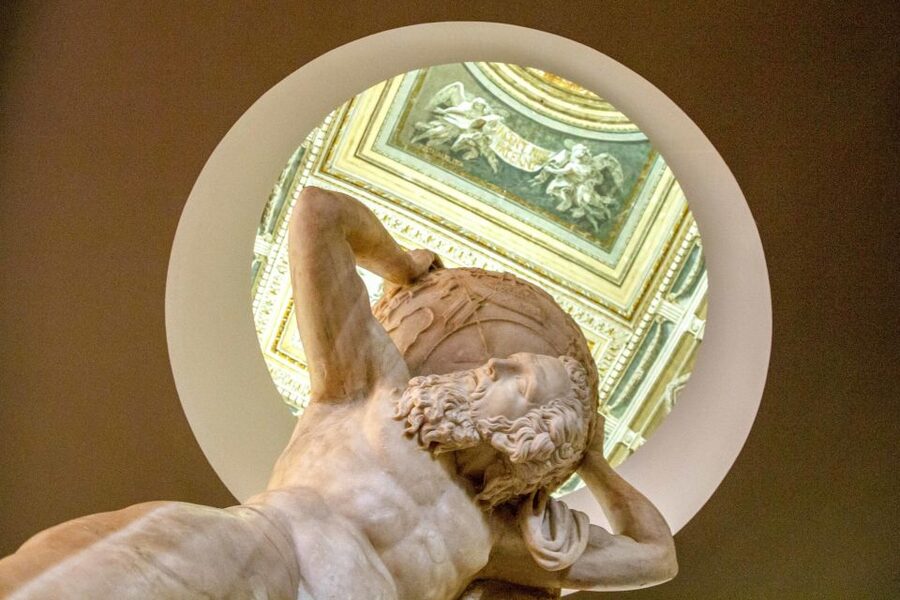
The Farnese Collection gives the museum a different mood. Here, the focus shifts from household objects and archaeological discoveries to monumental Greek and Roman sculpture.
The collection was inherited by the Bourbons from the Farnese family and forms a core part of the museum. You will see engraved gems, the Farnese Marbles, and large sculptures associated with the ancient world’s most powerful patrons.
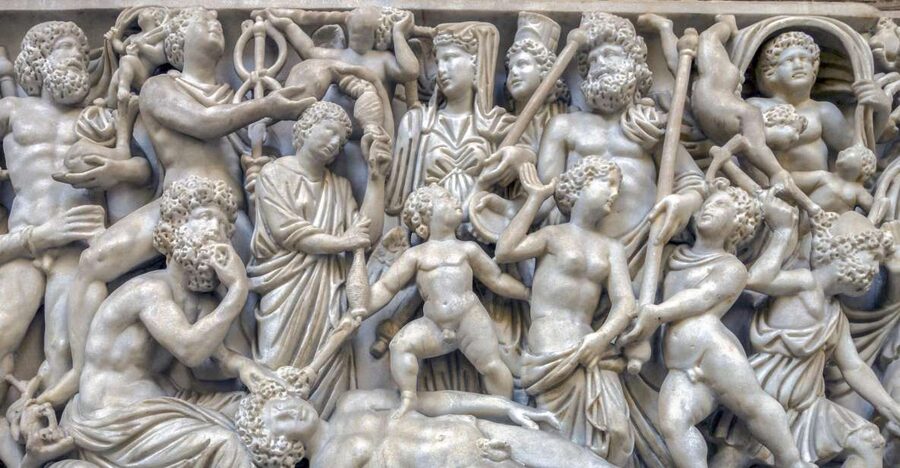
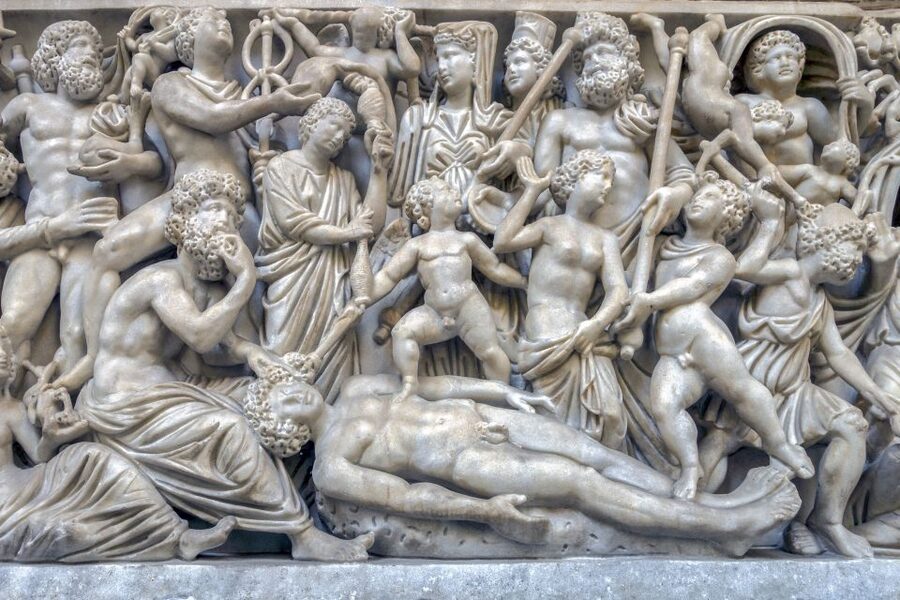
This section rewards slow looking. The sculptures are often physically imposing, but the details matter just as much: the treatment of hair, cloth, muscles, faces, and movement. Give yourself time to walk around the pieces when possible. Ancient sculpture is not meant to be understood only from one angle.
The sculpture galleries also provide a useful counterpoint to Pompeii. The archaeological rooms show everyday life and objects found in place. The Farnese rooms show how later collectors gathered celebrated works and presented them as symbols of culture and status.
If you are mainly interested in Pompeii, do not skip the Farnese Collection. It is one of the reasons this museum is more than a companion attraction. It has major works in its own right.
The Secret Cabinet and ancient Roman erotic art
The celebrated Secret Cabinet covers the erotic side of ancient Roman life. This is one of the museum’s best-known areas, and it can be a memorable stop for visitors interested in how sexuality appeared in Roman art and private spaces.
The collection requires a little context. Ancient Roman erotic objects were not made for modern museums, and many were found in homes, villas, and other archaeological settings. Their original uses and meanings varied. Some were decorative, some were linked to fertility or protection, and others reflected the frank treatment of sex in Roman culture.
You may find this section more revealing than sensational. It shows that Roman life included subjects that later generations tried to hide or restrict. If you are visiting Pompeii, the displays also help explain why certain images appear on walls, household objects, and decorative pieces at the archaeological site.
This is not a separate tour, and you can explore it at your own pace. If you are visiting with children, decide in advance whether the section suits your group.
More Museum Audio Tours in Italy
- Florence: Uffizi Priority Ticket & Masterpieces Audio App
★ 4.2 · 6,402 reviews - Rome: Borghese Gallery Skip-the-Line Ticket & Audioguide
★ 4.3 · 4,318 reviews - Rome: Borghese Gallery Ticket + Audioguide or Guided Tour
★ 4.6 · 3,219 reviews - Florence: Uffizi Gallery Timed Entry Ticket & Audio Guide
★ 4.2 · 2,794 reviews
Egyptian artifacts and other collections
The museum also includes an Egyptian section, along with displays on coins and other parts of the ancient collection. The Egyptian galleries broaden the visit beyond the Roman world and show Naples’ interest in cultures connected with the Mediterranean.
The supplied activity information notes that the Egyptian section was closed until March 31, 2023. That date is now past, but museum rooms can change, so check the current situation if this collection is important to you.
The coin display offers another change of pace. Coins are small, but they can reveal rulers, symbols, trade, and political messages. This section is best for anyone who enjoys details and wants something quieter after the large sculpture rooms.
Do not feel obliged to see every gallery in one march. The museum is large enough that a selective visit often works better. Pick the Pompeii and Herculaneum collection, the Farnese sculptures, the Secret Cabinet, and any other section that fits your interests.
How long should you spend inside?

A quick visit can take around two and a half hours, but I would plan on three hours at minimum. Four hours gives you time for the main collections without forcing every room into the schedule. Five hours can make sense if ancient art is a major interest or if you want to read the labels carefully.
The museum can be relaxing, but it is not effortless. The amount of visual information adds up. After a few galleries, even an impressive statue can start to blur into the next one.
Here is a practical way to divide your time:
- Spend about an hour with Pompeii and Herculaneum objects.
- Allow another hour for the Farnese sculptures and major Roman works.
- Set aside time for the Secret Cabinet and any special displays.
- Keep a final block for the Egyptian collection, coins, bookstore, or café if open.
The café provides a useful pause, and prices were considered reasonable by one visitor who stopped for lunch. The museum also has a bookstore, which is worth a look if you want a guidebook or a better explanation of the collections after your visit.
The audio app: useful extra or unnecessary add-on?
A digital audio guide is included with this activity. You access it through a link using a provided username and password. That sounds convenient, but the practical experience may vary.
Some people found the app helpful, while others had trouble downloading it or stopped using it after a few minutes. One recurring concern is that it may not function like a full, traditional museum audio guide. You should not book this ticket solely because you expect a polished spoken tour of every important object.
The museum’s written explanations are available in English as well as Italian in many areas, so you can still have a worthwhile visit without the app. Bring your phone fully charged and allow time for the audio content to load before you enter, especially if you want to try it.
I would treat the app as a bonus rather than the main reason to choose this ticket. If you want a personal guide explaining every room, this is not a guided tour. You are buying admission with digital audio access, not a live tour led by a named guide.
Ticket exchange and arrival details

You do not simply walk in by showing the original phone voucher at the entrance. Exchange the smartphone voucher at the Museo Archeologico di Napoli ticket office for the official entrance ticket.
That extra step is slightly awkward, especially when you already have a digital ticket. It is worth knowing in advance so you do not stand at the wrong door wondering why the barcode is not being accepted.
Bring your passport or ID card. You will also pass through a security check before entering. Your admission is valid for a single entry, so plan your café stop and room order carefully. Once you leave, you cannot use the same ticket to come back in.
Some people found the ticket counter quiet, particularly in the off-season. At other times, advance booking helped avoid a long line. The value of the prepaid ticket depends on the date: if the museum is quiet, buying directly may be possible, but if there is a queue, the reserved ticket can save useful time.
Is $29 a fair price?
At $29 per person, this is not the cheapest museum ticket in Naples. The value depends on how much time you will spend inside and how strongly you connect the visit with Pompeii or Herculaneum.
For a short one-hour look, the price feels high. For three to five hours of access to the Farnese sculptures, Roman collections, Pompeii and Herculaneum artifacts, Secret Cabinet, and other galleries, it becomes more reasonable.
The audio app does not add much value for everyone, especially if it fails to load or feels limited. Think of the price as admission first and audio access second.
I also like the flexibility of a one-day ticket. You can choose your visit within the available starting times, and the reservation can be canceled up to 24 hours in advance for a full refund. The reserve-now, pay-later option can help if your Naples plans are still shifting.
Who will enjoy this museum most?
You should make time for this museum if you plan to visit Pompeii or Herculaneum. It is also a strong choice if you like ancient sculpture, Roman domestic life, Greek art, mythology, or archaeological objects.
It suits independent visitors who prefer to choose their own pace. You can spend twenty minutes on one sculpture or move quickly through a room without keeping up with a group.
Families can find plenty to discuss, especially in the Pompeii rooms, though the large amount of information may test younger children. The Secret Cabinet also calls for a decision based on your group.
The activity is listed as wheelchair accessible, but the Vittorio Emanuele apartments are not accessible to people with impaired mobility. If those apartments are essential to your visit, check access arrangements before booking.
My practical plan for a better visit
I would book a morning entry if you want quieter galleries and better conditions for looking closely. A very early arrival can also help if you hope to photograph the rooms with fewer people around.
Before entering, decide which four areas matter most to you. My order would be:
- Pompeii and Herculaneum collections.
- Farnese sculptures and marbles.
- Secret Cabinet.
- Egyptian section or coin displays, depending on current access and your interests.
Then take a café break rather than trying to force five straight hours of concentration. Keep your ticket and phone handy until the exchange at the ticket office is complete, and carry identification for entry.
If you are visiting Pompeii on the same trip, use the museum to prepare for the site or to review it afterward. If you are visiting on separate days, write down a few objects or themes you want to connect between the two places.
Should you book this experience?
Book it if you want to understand the objects behind Pompeii and Herculaneum, or if grand Greek and Roman sculpture is a major reason you are coming to Naples. The museum is large, serious, and rewarding, with enough material for half a day rather than a quick filler stop.
The ticket is less compelling if you only want a brief visit or if you expect a live guide. The audio app can be slow and may not replace a proper museum tour. Still, the admission gives you access to one of the most important ancient-art collections in Italy, and the museum’s connection with Pompeii makes it especially useful.
For most visitors with time in Naples, I would book it, then plan a focused visit rather than trying to conquer every room.
FAQ
How long is the ticket valid?
The ticket is valid for one day and allows a single entry to the museum.
Can I leave the museum and return later?
No. The ticket does not include reentry, so plan your visit before you leave.
Is a guided tour included?
No. The activity includes museum admission and a digital audio guide, but not a live guided tour.
How do I enter the museum with my booking?
Exchange your smartphone voucher at the Museo Archeologico di Napoli ticket office for the official entrance ticket.
What should I bring?
Bring your passport or ID card. You must also pass through a security check before entering.
Is the museum wheelchair accessible?
The activity is listed as wheelchair accessible, but the Vittorio Emanuele apartments are not accessible to people with impaired mobility.
Can I cancel the booking?
Yes. You can cancel up to 24 hours in advance for a full refund. The reserve-now, pay-later option lets you hold your plans without paying immediately.
More Smartphone Audio Tours in Italy
- Rome: Colosseum & Forum with Audio Guide App -Optional Arena
★ 4.2 · 24,770 reviews - Florence: Timed Entry to Michelangelo’s David + Audio App
★ 4.6 · 19,496 reviews - Florence: Cathedral & Brunelleschi’s Dome Ticket & Audio App
★ 4.4 · 6,973 reviews - Florence: Michelangelo’s David Priority Ticket & Audio App
★ 4.4 · 6,812 reviews
New audio tours around Italy
- Lecce Walking Tour with Audio and Written Guide by a Local★ 4.0 · 38 reviews
- Private Audio Guided Walking Tour in Lecce★ 4.0 · 7 reviews
- Private Audio Guided Walking Tour in Como★ 3.0 · 3 reviews
- Como Walking Tour with Audio and Written Guide by a Local★ 4.5 · 30 reviews
- Finance and Nobility: Explore medieval Genoa on a self-guided audio tour★ 4.5 · 7 reviews
- Genova Walking Tour with Audio and Written Guide by a Local★ 4.5 · 33 reviews
- Udine Walking Tour with Audio and Written Guide by a Local★ 4.0 · 2 reviews
- Florence: Uffizi Gallery Timed Entry Ticket with Audio★ 3.0 · 3 reviews
Italy Audio Tours, compared.

Rome: Pantheon Fast-Track Ticket and Official Audioguide
Read our review →
Rome: Colosseum & Forum with Audio Guide App -Optional Arena
Read our review →
Florence: Timed Entry to Michelangelo’s David + Audio App
Read our review →
Rome: City Sightseeing Hop-on Hop-off Bus with Audioguide
Read our review →

Venice: La Fenice Opera House Entry Ticket with Audio Guide
Read our review →
Rome: Colosseum, Forum, Palatine Hill Entry & Audioguide App
Read our review →
Rome: St. Peter’s Basilica & Dome Entry Ticket & Audio Tour
Read our review →Browse the lists this tour appears in