

Review · NEW ORLEANS
New Orleans: Whitney Plantation Audio Tour with Transfers
Whitney Plantation asks you to look at Louisiana plantation life from the viewpoint that is too often pushed aside: the lives, labor, suffering, and endurance of enslaved people. I like the clear focus on the enslaved, and I like that the visit includes both the working quarters and the 1790 owner’s house, making the gap between the two impossible to miss.
The hotel transfers also make this a practical choice from New Orleans, since the plantation is about 70 miles from the French Quarter. The main drawback is the long six-and-a-half-hour commitment, and the visit is not suitable for wheelchair users.
Key points to know before you go
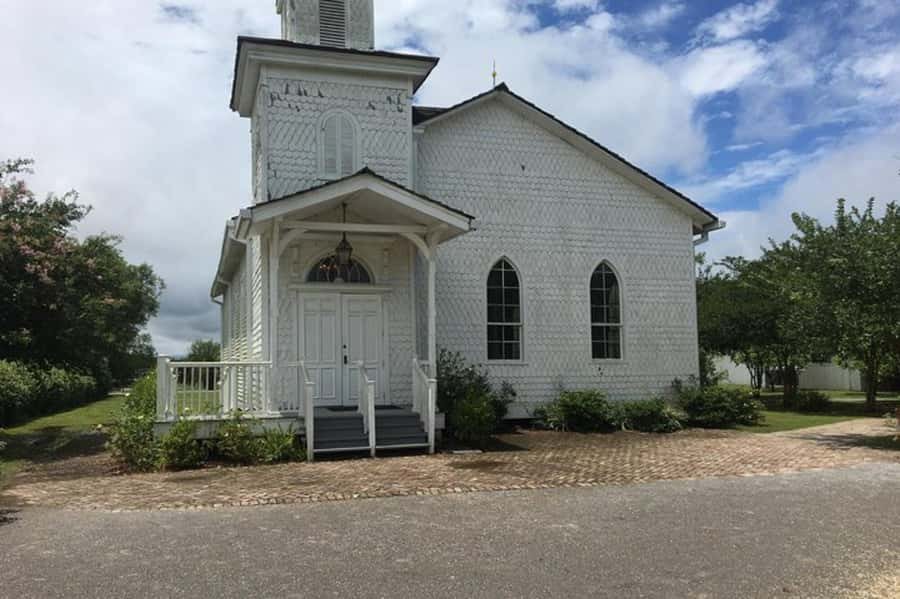
- Louisiana’s only museum dedicated to enslaved people: The site centers their lives, work, families, hardships, and resilience rather than treating the plantation owner as the main story.
- Self-paced audio tour: You receive a headset and move through the grounds at your own speed, with no live guide name or fixed spoken tour provided.
- Important stops include slave cabins and Freedmen’s Church: These places connect daily life, forced labor, faith, and the search for freedom.
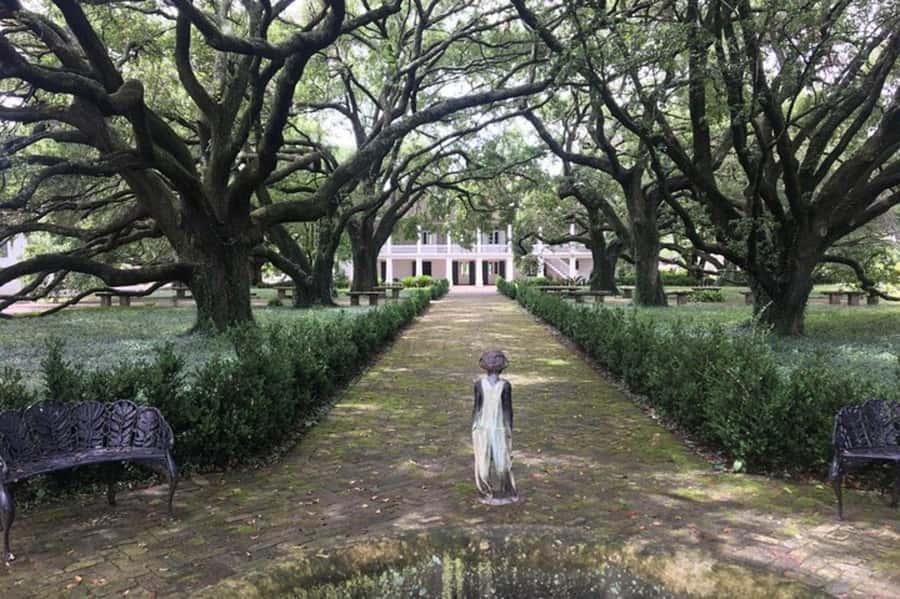
- The 1790 owner’s house provides a sharp contrast: You see the plantation’s wealth beside the cramped and difficult conditions imposed on enslaved workers.
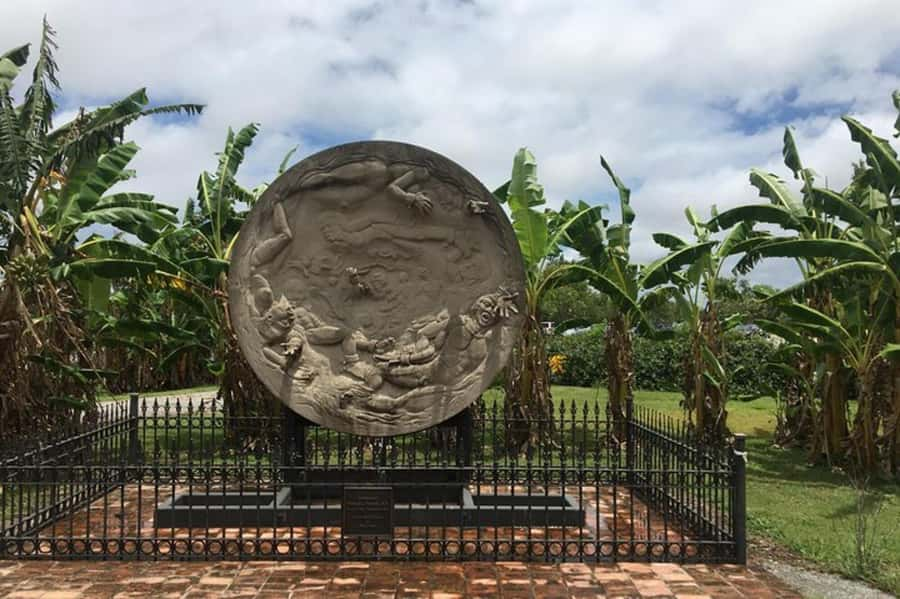
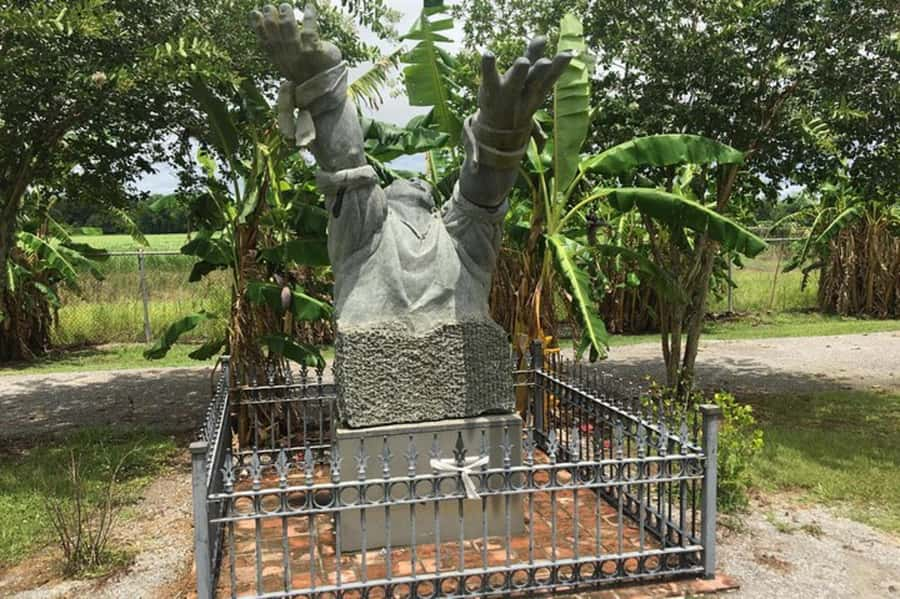
- A memorial gives the visit its quiet closing point: Plan time to pause rather than rush straight back to the vehicle.
- The $81 price includes transportation: Hotel pickup and drop-off, admission, and the audio guide are included, but food and drinks are not.
Why Whitney Plantation deserves your time
Many plantation visits put grand architecture first. Whitney Plantation takes another route. Its purpose is to help you understand slavery through the people who were forced to live and work there.
That focus gives the visit a serious tone from the start. You are not simply touring an old home or admiring decorative details. You are being asked to consider the human cost of sugar production and the systems that supported it.
I find that approach useful because the plantation story can otherwise become too neat. A restored house may suggest comfort and order, while the labor that paid for it disappears. Whitney places that labor back in view.
The visit also gives you room to think. You are not moved from one short stop to another by a tightly packed schedule. The audio format lets you spend more time at a memorial, pause at a cabin, or move on when you have taken in what you need.
More audio tours around the USA:
- Los Angeles: Hop-On Hop-Off Bus Tour with Audio Guide
★ 3.7 · 2,030 reviews - City Sightseeing Hop-On Hop-Off Bus Tour with Audio Guide
★ 3.0 · 1,083 reviews - Medieval Torture Museum Ticket with Audio Guide and Ghost Hunting
★ 5.0 · 962 reviews
The drive from New Orleans to the plantation
The plantation sits about 70 miles from the French Quarter. With hotel pickup and drop-off included, the experience takes 390 minutes, or about six and a half hours from start to finish.
That timing matters. This is not a quick outing squeezed between breakfast and dinner. You will give up most of a day in New Orleans, but you avoid arranging a rental car or figuring out transportation to a site outside the city.
Pickup is available from most New Orleans hotels. If your hotel is not listed, you are instructed to choose the nearest listed hotel. The pickup locations are within three to four blocks of one another, so check your exact meeting point carefully and allow enough time to walk there.
The drive also creates a useful pause before the visit. You have time to shift your attention from New Orleans sightseeing to a difficult part of American history. I would use that time to read the plantation’s background information again and prepare for a sober visit.
Food and drinks are not included. Bring what you need if allowed by the operator, or plan to use the short break after the tour for a snack. Do not expect a full meal to be part of the day.
Starting with the lives of enslaved people
After arrival, you receive an audio headset for a self-guided tour. This is the central feature of the experience.
An audio tour can work well at a place like Whitney Plantation because it lets you control the pace. You can listen closely, stop for a moment, and continue when ready. It also avoids the pressure of trying to hear a guide while standing in a large outdoor area.
The tradeoff is that you do not have a live guide beside you to answer questions in the moment. If you prefer conversation and spontaneous discussion, this format may feel less personal. If you prefer quiet concentration, it gives you more control.
The first major part of the visit focuses on the slave cabins. These are not just old structures to photograph. They help you think about where enslaved people lived, how little space and comfort they had, and how daily life was shaped by forced labor.
The audio material is meant to help you connect the buildings with individual lives and working conditions. I would resist the urge to hurry through this part. The cabins are among the most important places on the grounds because they shift the visit away from plantation wealth and toward the people who carried out the work.
Freedmen’s Church and the meaning of freedom
Freedmen’s Church offers a different kind of stop. The church represents hope and resilience among people who sought freedom after slavery.
Its value is not only architectural. It provides a place to consider how faith and community helped people face lives shaped by violence, separation, and forced labor. The church also points toward the difficult transition from enslavement to freedom, rather than treating emancipation as a simple ending.
I like this stop because it broadens the story. The plantation is not presented only as a place of suffering. You also encounter survival, belief, and the effort to build a future under extremely hard conditions.
Keep in mind that the tour’s subject matter is heavy. This is not a light historical attraction, and the church does not erase the pain described elsewhere. It adds another part of the story, one centered on human strength and hope.
Same sights, a different narrator:
- Gettysburg Battlefield Self-Guided Driving Audio Tour
★ 4.5 · 910 reviews - Joshua Tree National Park Self-Guided Driving Audio Tour
★ 4.5 · 762 reviews - San Francisco: Alcatraz, Ferry & Audio Tour w/ Night Option
★ 4.4 · 617 reviews - Ultimate Acadia National Park Self-Guided Driving Audio Tour
★ 4.0 · 521 reviews
Kitchens, outbuildings, and the machinery of plantation work
The detached kitchen and other outbuildings show how the plantation operated. These structures help you see the practical side of the system, including the work required to produce sugar and maintain the plantation.
This section is important because slavery was not only a legal condition. It was also a labor system that depended on exhausting work, strict control, and the denial of basic freedom. The buildings give physical form to that system.
You will learn about the harsh conditions endured by enslaved workers. The audio guide helps connect the buildings with the people who cooked, cleaned, planted, harvested, processed, and maintained the plantation.
I would pay attention to the contrast between utility and comfort here. The outbuildings were tied to work and production. They are a reminder that the plantation economy depended on labor that enriched others while offering enslaved people no fair reward or choice.
Because the tour is self-paced, you can take time with the parts that help you understand the plantation’s operation. You can also pause if the material becomes emotionally difficult. That flexibility is one of the format’s strongest features.
The 1790 owner’s house and the sharpest contrast
The 1790 owner’s house gives you a look at the plantation’s upper level. Its real importance comes from comparison.
After learning about the cabins and working areas, you enter a setting connected to the plantation owner’s comfort and authority. The difference is not a minor detail. It shows how wealth, space, food, privacy, and security were distributed during the era.
I would not treat the house as the main attraction. The experience is designed to keep the owner’s residence in its proper place within a larger story. The house helps explain the plantation’s hierarchy, but the people forced to make that lifestyle possible remain the main focus.
This balance is one of the reasons the visit can feel more honest than a tour built around grand rooms and elegant furnishings. You see the house, but you also understand what it represented and whose labor supported it.
The owner’s house may appeal to visitors interested in architecture and historic interiors, but the main value here is its contrast with the enslaved quarters. Try to view it as evidence of an unequal system, not as an isolated old home.
Ending at the memorial to the enslaved
The memorial is the emotional closing point of the visit. It honors the people who suffered under slavery and those whose lives were lost.
I recommend leaving time to stop here without rushing. The memorial gives you a chance to gather the different parts of the tour: the cabins, the work areas, the church, and the owner’s house.
A memorial cannot tell every story, but it can make the scale of the subject personal. Instead of leaving with only facts about buildings and labor, you are reminded that slavery affected real people, families, and generations.
This final stop also gives the tour a clear moral center. You are not asked to admire a plantation as a symbol of wealth. You are asked to remember the people harmed by the system and to consider the legacy that remains.
The audio format: freedom to move, less chance to ask questions

The audio guide is included in the admission price and supports a self-guided, self-paced visit. That makes the experience flexible, especially if you prefer to take your time at serious historical sites.
You can listen in sequence and move from one area to the next. You are not dependent on a group keeping the same speed, and you can give yourself a quiet moment at the memorial or church.
The limitation is just as clear. There is no named live guide included in the information provided, and no promise of personal question-and-answer time. If you want a discussion with a historian, you may find the audio format less satisfying.
Still, for this subject, quiet listening has value. You can process difficult information without having to keep up with a group. I would bring patience and attention rather than expecting entertainment.
Is $81 a fair price?

At $81 per person, the cost includes three useful elements: hotel pickup and drop-off, entry to Whitney Plantation, and the audio guide.
That is a reasonable package if you are staying in New Orleans and do not want to rent a car or arrange separate transport. The plantation is about 70 miles away, so the included transfer has real value. It also reduces the planning involved in a day outside the city.
The price does not include meals or beverages. Since the full activity lasts 390 minutes, you should plan for that gap. The schedule includes about 30 minutes after the tour for the gift shop, restrooms, or a quick snack, but that is not the same as a planned meal break.
For me, the value depends on your priorities. If you want a short, inexpensive attraction, this is not the right choice. If you want a serious historical visit and need transport from New Orleans, the bundled price is easier to justify.
The final 30 minutes and the return trip
After the main tour, you have 30 minutes for the gift shop, restrooms, or a quick snack. That short period is practical, but it is not enough for a leisurely meal or a long browse.
Use it to regroup before the ride back. You may want a little quiet after the memorial, and the break gives you space to do that.
The return to your hotel is included. Since the day already lasts six and a half hours, the transfer keeps the outing simple and removes the need to manage the trip home yourself.
Who will appreciate this experience most?
I recommend Whitney Plantation to you if you want a focused look at slavery and the lives of enslaved people in Louisiana. It suits visitors who value historical context over entertainment and who are prepared for emotionally difficult material.
The audio format is a good fit if you like to set your own pace. The included transfers help if you are based in New Orleans and do not want to drive 70 miles each way.
You may want to choose another activity if you are looking mainly for grand architecture, a relaxed garden visit, or a short outing. You should also take the accessibility restriction seriously, since the experience is not suitable for wheelchair users.
Families and school-age visitors may find the subject valuable, but adults should decide whether the material is appropriate for the children in their group. The visit deals directly with slavery, forced labor, suffering, and death.
Practical advice before booking
Reserve enough of your day for the full 390-minute schedule. Do not place a tightly timed dinner reservation immediately after the return, since pickup and road conditions can affect the exact timing.
Check your hotel pickup point closely. If your hotel is not listed, select the nearest listed hotel and remember that pickup points are within three to four blocks of one another.
Wear comfortable clothing and shoes suited to walking around outdoor historic grounds. The provided information does not give a detailed route or surface description, so plan for a site visit rather than a purely indoor museum.
Finally, approach the plantation with patience. The value comes from listening, looking carefully, and allowing the memorial and church to have their proper weight.
Should you book Whitney Plantation with transfers?
Book this experience if you want the plantation story told primarily through the lives of enslaved people. The cabins, Freedmen’s Church, work buildings, owner’s house, and memorial create a clear path from daily life to forced labor, unequal wealth, faith, freedom, and remembrance.
The strongest reasons to go are the focused subject, the self-paced audio format, and the included transportation from New Orleans. The main cautions are the long duration, the lack of included food, the serious subject matter, and the restriction for wheelchair users.
For a visitor who wants a thoughtful historical day outside the French Quarter, the $81 package offers practical value. For anyone seeking a quick or light plantation outing, it will likely feel too long and too heavy.
FAQ
How far is Whitney Plantation from New Orleans?
Whitney Plantation is about 70 miles from the French Quarter.
How long does the full experience last?
The listed duration is 390 minutes, which is about six and a half hours.
Is hotel transportation included?
Yes. Hotel pickup and drop-off are included, with pickup available from most New Orleans hotels.
What if my hotel is not listed for pickup?
Choose the hotel nearest to you from the available options. The pickup locations are within three to four blocks of one another.
Is an audio guide included?
Yes. You receive an audio headset for a self-guided, self-paced tour.
What does the tour include?
The price includes hotel pickup and drop-off, entry to Whitney Plantation, and the audio guide.
Are meals and drinks included?
No. Meals and beverages are not included. You receive about 30 minutes after the tour for the gift shop, restrooms, or a quick snack.
Is the experience suitable for wheelchair users?
No. The activity is listed as not suitable for wheelchair users.
Can I cancel for a full refund?
Yes. You can cancel up to 24 hours in advance for a full refund. You can also reserve now and pay later.
New audio tours around the USA
- Beaches, Bites and Bavaria in Leavenworth: A Self-Guided Audio Tour★ 3.5 · 3 reviews
- Welcome to Fabulous Las Vegas Sign Self-Guided Audio Tour★ 5.0 · 2 reviews
- Las Vegas Day Trips: 3-Day Self-Guided Audio Tour★ 5.0 · 2 reviews
- Hoover Dam and Lake Mead Self-Guided Audio Tour★ 5.0 · 3 reviews
- Driving Lake Tahoe: A Self-Guided Audio Tour From Tahoe City to Incline Village★ 5.0 · 10 reviews
- Las Vegas Neon and Secrets: Self-Guided Audio Tour★ 5.0 · 3 reviews
- Baton Rouge Historic Downtown Self-Guided Audio Walking Tour★ 4.0 · 19 reviews
- Ultimate La Jolla Self-Guided Driving & Walking Audio Tour Bundle★ 3.5 · 9 reviews
New Orleans Audio Tours, compared.
Ghosts of New Orleans: Self-Guided Haunted Audio Walking Tour
Read our review →
Walking the Tremé: A Self-guided Audio Tour of New Orleans
Read our review →
Self Guided Audio Ghost Tour in New Orleans in 6 Languages
Read our review →Browse the lists this tour appears in