
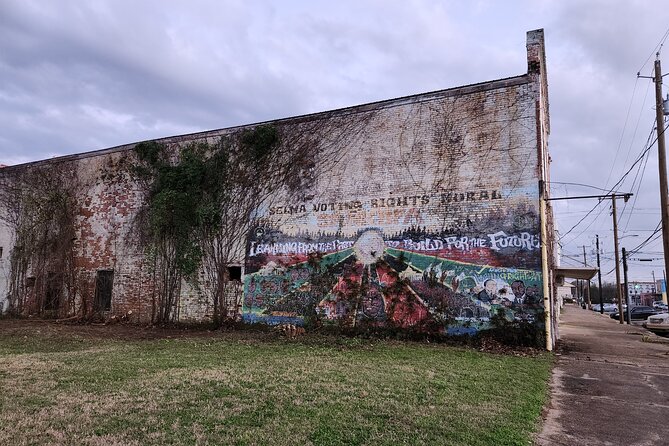
Review · USA
Selma Civil Rights Walk of Freedom Self Guided GPS APP Audio Tour
Selma’s Civil Rights story is told outdoors, on the streets where it happened. This GPS-guided walk begins at the Old Depot Museum and leads you toward the Edmund Pettus Bridge, the site of Bloody Sunday, then through Selma’s churches, courthouse, jail, and memorials. At $9.75, it gives you a low-cost way to put important places in order and hear the story as you go.
I like two things right away: you can start any time, and the audio does not depend on opening hours or a live guide. That matters in Selma, where several visitors found little open on weekends. I also like the personal pace. You can pause, replay, or linger at a site instead of being hurried along.
The main caution is that this is an outdoor phone tour, not a guided visit with staff or indoor admissions. One user had trouble getting it to work and received no support, so download the app, check your phone, and plan to walk in daylight. The area can feel run down, and hot weather can make the hour-long route tough.
Key points to know before you book
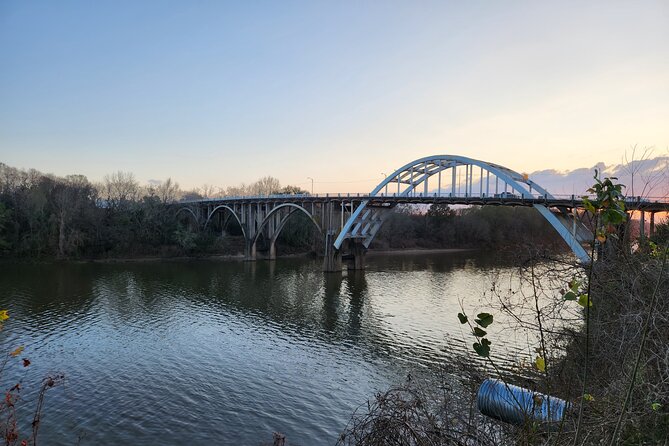
- Bloody Sunday is the centerpiece: The Edmund Pettus Bridge segment covers the 1965 march, the attack on marchers, Turnaround Tuesday, and the third march.
- The route links major sites: You visit the Old Depot Museum, St James, the bridge, Selma Municipal Court, the Dallas County Courthouse, a Rev. James Reeb memorial plaque, and Brown Chapel AME Church.
- You control the clock: The tour takes about one hour to one hour and 15 minutes, but the app lets you move at your own pace.
- Everything is viewed from outside: No museum admissions, food, drinks, or indoor tours are included.
- Daylight is the sensible choice: Parts of Selma may look run down, so I would avoid starting after dark and would consider going with others.
- The price is modest: At $9.75 per person, the tour is good value if the app works and you want a structured introduction to Selma’s Civil Rights sites.
Starting at the Old Depot Museum
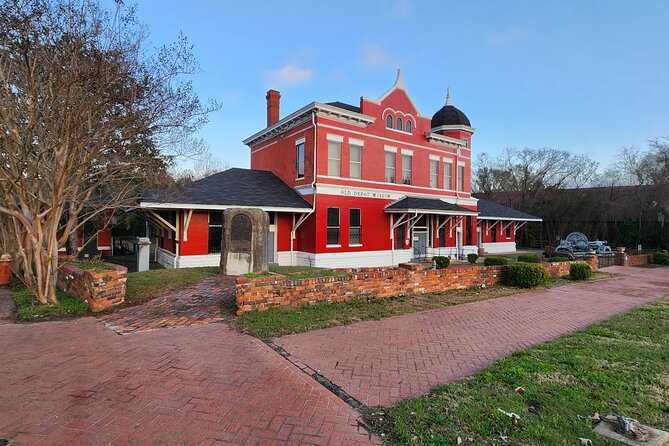
The tour starts at the Old Depot Museum, at 4 Martin Luther King Street. The depot gives the walk a useful opening point because its building history connects with Selma’s Civil Rights story. Instead of beginning with a broad lecture, the audio places you in a real location and then sends you into town step by step.
That approach works well for a self-guided tour. You are not simply listening to a list of dates while standing in a parking lot. You begin with a physical place, then follow the route through the streets where the movement unfolded.
The museum itself is part of the setting, but admission is not included. Treat this experience as an outdoor walk. If you want to visit the museum’s interior, you will need to make a separate plan.
The app is offered in English and uses your smartphone as both guide and map. You should have enough battery for the walk and make sure your phone can play audio before setting off. The tour is private in the sense that only your own group participates, but there is no live guide walking beside you.
More Self-Guided Audio Tours in the USA
- Gettysburg Battlefield Self-Guided Driving Audio Tour
★ 4.5 · 910 reviews - Joshua Tree National Park Self-Guided Driving Audio Tour
★ 4.5 · 762 reviews - Ultimate Acadia National Park Self-Guided Driving Audio Tour
★ 4.0 · 521 reviews
St James and the story of one former slave

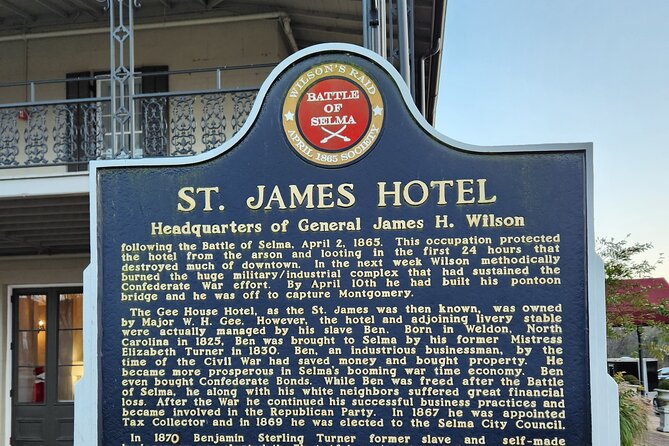
One stop takes you outside St James. The audio explains the building’s history, the battle connected with it, and why it remains standing because of one former slave. That is the sort of detail that makes this walk more than a simple bridge visit.
The stop lasts about five minutes, so expect a focused explanation rather than a long presentation. You will be standing outside, listening through your phone, with the building itself providing the visual reference.
This is also a good example of the tour’s strength and limitation. The app can tell you why a place matters and connect it to Selma’s past. It cannot open the building or answer a follow-up question. If you prefer conversation and personal stories from a local guide, this format may feel thin.
Edmund Pettus Bridge and the violence of Bloody Sunday
The bridge is the emotional center of the walk. Here, the audio recounts the march, the brutal attack known as Bloody Sunday, Turnaround Tuesday, and the third march from Selma.
The estimated time at this stop is 15 minutes. That gives you enough time to look at the bridge, hear the account, and understand why this crossing became such a powerful national symbol. The point is not just to see a famous structure. It is to connect the physical crossing with the people who tried to pass over it and were beaten back.
A self-guided format can work especially well here because you are not being pushed immediately to the next stop. You can pause the recording and take in the place. The tour’s audio also aims to recreate the emotion of the period, which is one reason this experience has earned strong praise for its storytelling.
Still, keep your expectations clear. This is an audio account from outside the bridge. It is not a museum exhibit, a reenactment, or a guided discussion. You are responsible for giving the stop the time and attention it deserves.
Thirty minutes through Selma’s streets
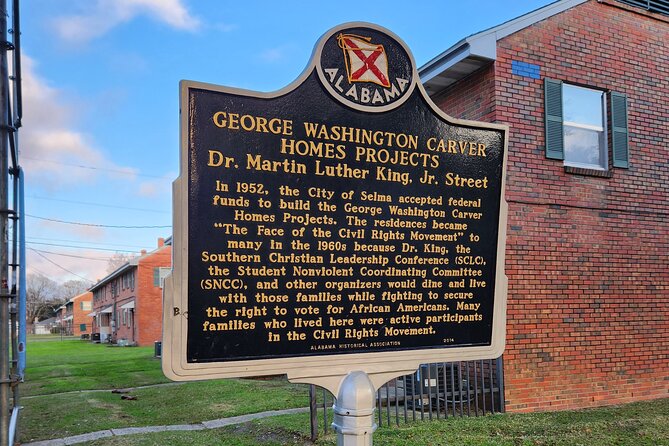
About 30 minutes of the tour is spent walking through Selma’s streets and hearing the Civil Rights story connected with historic sites along the way. This is the part that turns separate landmarks into a route.
I like this middle section because Civil Rights history did not happen at one bridge alone. It took place in churches, courtrooms, streets, meeting rooms, and jails. Walking between the locations helps you understand that the movement was organized through ordinary parts of town, not just through famous moments shown in textbooks.
The route is also where practical conditions matter most. You will be outside for much of the experience, and the walk may feel harder in strong sun or high heat. One person who could not take the tour had faced temperatures around 94 degrees and was 82 years old. That is a useful warning: plan for the weather, especially if you have limited stamina.
Selma’s streets may not look polished. One person found trash along the route, while another felt uneasy because of boarded buildings, rusting cars, and an abandoned appearance. I would not treat those comments as a reason to dismiss the history, but I would take them seriously when planning. Go in daylight, stay aware of your surroundings, and consider bringing company rather than walking alone.
Same sights, a different narrator:
- Los Angeles: Hop-On Hop-Off Bus Tour with Audio Guide
★ 3.7 · 2,030 reviews - City Sightseeing Hop-On Hop-Off Bus Tour with Audio Guide
★ 3.0 · 1,083 reviews - Medieval Torture Museum Ticket with Audio Guide and Ghost Hunting
★ 5.0 · 962 reviews - San Francisco: Alcatraz, Ferry & Audio Tour w/ Night Option
★ 4.4 · 617 reviews
Selma Municipal Court and Martin Luther King Jr.’s jail site
The tour stops outside Selma Municipal Court, identified as the place where Martin Luther King Jr. was jailed. The audio explains why he was arrested and gives more detail about his story.
This stop adds an important legal and personal side to the walk. The bridge shows open violence against marchers. The court and jail site point to the official systems that activists faced as they pushed for voting rights.
The stop is viewed from outside, so do not expect access to the court or jail interiors. That limitation is made clear by the format, but it is worth remembering when comparing this $9.75 walk with a museum visit or a guided tour that includes buildings.
The Dallas County Courthouse and voting rights
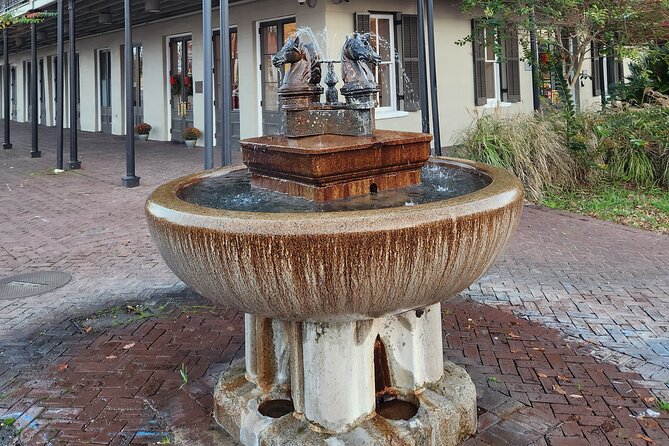
The Dallas County Courthouse is another major stop. The audio connects the courthouse with voting rights and explains what Martin Luther King Jr. did there.
This location helps explain the local fight in practical terms. Voting rights were not only a national issue discussed in speeches. People had to face county officials, registration systems, court procedures, and local resistance. Hearing about those actions at the courthouse gives the subject a concrete setting.
The courthouse segment lasts about five minutes. That is enough for a short explanation, but not a full lesson on every legal event connected with the building. If you already know the basic story, the stop will help place it on the map. If Selma is new to you, you may want to allow extra time afterward to read more.
The Rev. James Reeb memorial plaque
The route also includes a plaque memorializing Rev. James Reeb, who came to Selma in support of Civil Rights and was killed. The audio tells you why he came and what happened to him.
The stop takes about five minutes, but the subject is serious. It widens the story beyond the best-known names and shows the danger faced by people who joined the movement in solidarity.
Because the memorial is a plaque rather than a large indoor site, the audio is especially useful here. Without the explanation, you might pass it without knowing its importance. The app gives the marker context and ties it to the wider events in Selma.
Ending at Brown Chapel AME Church
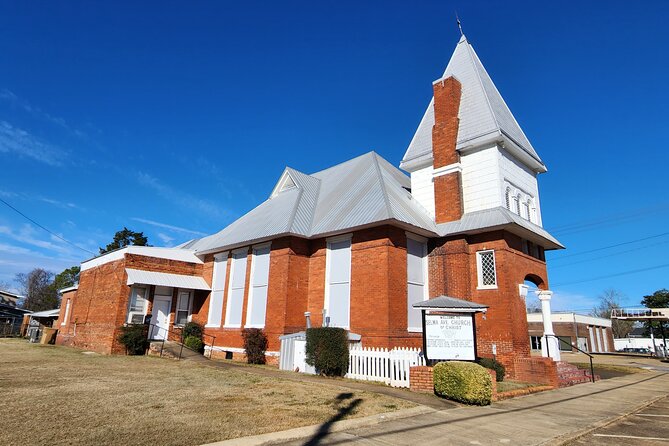
The official end point is Brown Chapel AME Church, at 410 Martin Luther King Street. The church is closely tied to the planning and organization of the Selma to Montgomery march, making it a fitting place to finish.
The final church segment is listed at about five minutes. You will hear about the church’s role in the movement and its connection to the march. The building gives the route a strong closing point because the walk ends with the place where plans were made, not only where people confronted opposition.
Again, the experience takes place outside. Admission to Brown Chapel is not included, so check separately if you want to go inside. The listed tour hours run from midnight to 11:30 p.m. every day, but that does not mean every building is open during those hours. It means the app-based walk can be started across that broad window.
What $9.75 gets you
The price is one of the clearest reasons to consider this tour. For $9.75 per person, you get the walking route, GPS guidance, and English audio covering several important Selma locations. There are no added costs for food, drinks, or admissions because none of those are part of the experience.
The value depends on what you want. If you need a local historian to answer questions, adjust the route, or explain the setting in person, this will not replace a live guide. If you want a cheap and flexible introduction that works when buildings are closed, it makes good sense.
A self-guided tour also lets you avoid paying for a longer private tour when you only have about an hour. You can stop the audio, take photos, or move on when you are ready. The tradeoff is that the company’s support appears limited if the app fails, so test your access before you arrive.
The tour is free to cancel up to 24 hours before the start time for a full refund. Cancellations or changes inside that 24-hour window are not refunded or accepted.
Who should choose this walk?
I would recommend it most to:
- People visiting Selma for a short time who want a clear route through the main Civil Rights sites.
- History-minded visitors who prefer to stop and listen at their own pace.
- Anyone arriving when local attractions may be closed, especially on a weekend.
- Small private groups that want to avoid joining a scheduled public tour.
- Budget-conscious visitors who want an introduction for less than the cost of a full guided outing.
I would think twice if you dislike phone-based tours, need indoor attractions, or want a guide available to solve problems. Older walkers and anyone sensitive to heat should also plan carefully. The route is not long on paper, but outdoor walking in hot weather can change that quickly.
Practical tips for a better visit
Start in daylight. That is the simplest way to deal with the concerns about the area’s run-down appearance and to see the buildings and street locations clearly.
Wear comfortable walking shoes and bring water, even though refreshments are not provided. The route lasts about an hour to an hour and 15 minutes, with roughly 30 minutes spent moving through the streets.
Keep your group together and check the audio before leaving the Old Depot Museum. Since the experience depends on your phone, a weak battery or app problem can spoil the tour. If possible, avoid rushing straight from a long drive into the walk, especially in hot weather.
Allow extra time if you want photographs, quiet reflection, or a separate visit to the Old Depot Museum or Brown Chapel. The recorded sections have estimated lengths, but you do not have to treat the walk like a race.
Should you book the Selma Civil Rights walk?
Book it if you want an inexpensive, flexible way to connect Selma’s best-known Civil Rights sites. The bridge, courthouse, jail site, Rev. James Reeb memorial, and Brown Chapel form a meaningful route, and the audio gives you the basic story without requiring a live appointment.
Skip it if you expect indoor access, personal conversation, or strong technical support. I would also avoid starting after dark and would reconsider on an extremely hot day.
For most independent visitors, this is a useful first pass through Selma: affordable, easy to schedule, and focused on places that matter. Just remember what you are buying. It is a phone-led outdoor history walk, not a museum ticket or a guided conversation.
FAQ
How long does the Selma Civil Rights walk take?
The tour takes approximately one hour to one hour and 15 minutes.
Where does the tour begin?
It begins at the Old Depot Museum, 4 Martin Luther King Street, Selma, Alabama 36703.
Where does the tour end?
It ends at Brown Chapel AME Church, 410 Martin Luther King Street, Selma, Alabama 36703.
Is the tour guided by a person?
No. It is a self-guided GPS audio tour using the Walking Tour app on your smartphone.
Is admission to the museums and buildings included?
No. The experience takes place outside, and admissions, food, and drinks are not included.
What language is available?
The tour is offered in English.
New audio tours around the USA
- Beaches, Bites and Bavaria in Leavenworth: A Self-Guided Audio Tour★ 3.5 · 3 reviews
- Welcome to Fabulous Las Vegas Sign Self-Guided Audio Tour★ 5.0 · 2 reviews
- Hoover Dam and Lake Mead Self-Guided Audio Tour★ 5.0 · 3 reviews
- Las Vegas Day Trips: 3-Day Self-Guided Audio Tour★ 5.0 · 2 reviews
- Driving Lake Tahoe: A Self-Guided Audio Tour From Tahoe City to Incline Village★ 5.0 · 10 reviews
- Las Vegas Neon and Secrets: Self-Guided Audio Tour★ 5.0 · 3 reviews
- Baton Rouge Historic Downtown Self-Guided Audio Walking Tour★ 4.0 · 19 reviews
- Ultimate La Jolla Self-Guided Driving & Walking Audio Tour Bundle★ 3.5 · 9 reviews
USA Audio Tours, compared.

Los Angeles: Hop-On Hop-Off Bus Tour with Audio Guide
Read our review →
City Sightseeing Hop-On Hop-Off Bus Tour with Audio Guide
Read our review →
Medieval Torture Museum Ticket with Audio Guide and Ghost Hunting
Read our review →


San Francisco: Alcatraz, Ferry & Audio Tour w/ Night Option
Read our review →
Ultimate Acadia National Park Self-Guided Driving Audio Tour
Read our review →
Browse the lists this tour appears in