
Review · BULGARIA
From Sofia: Plovdiv with audio guide + free pick-up
Plovdiv gives you Bulgaria’s best ancient-city day out without the fuss of changing buses or finding your way from Sofia. The trip brings you to a city shaped by Thracians, Macedonians, Romans, and later Bulgarian builders, with the Roman Stadium and Ancient Amphitheatre packed into a walkable center.
I like the door-to-door pickup and the small group limit of seven. I also like the balance between guided context and free time, so you can hear the story of Plovdiv, then choose your own lunch, coffee, shopping, or photographs. Guides such as Maria, Ilia, Lachezar, and Avi have been praised for clear explanations, friendly conversation, and flexible timing.
The main caution is time. This is a long day from Sofia, and one afternoon can feel short in Plovdiv, especially if you want museums, a slow meal, and every ancient site. The tour is best for seeing the city’s main sights rather than covering every corner.
- Door-to-door Sofia pickup: You can be collected from any address in Sofia, with the listed meeting point at Alexander Nevsky Cathedral.
- Small-group transport: The minibus holds no more than seven participants, making the ride more personal than a large coach trip.
- Six audio-guide languages: Choose English, Spanish, Italian, French, German, or Russian for the self-guided sightseeing.
- Roman sights in one walk: The route brings together the Roman Stadium, Ancient Amphitheatre, Roman Forum, and Old Town.
- Free time built in: After sightseeing, you can set your own pace for lunch, coffee, shopping, or photos.
- Optional site ticket: A combo ticket covering five objects costs 15 BGN and is not included.
Why Plovdiv Makes Sense as a Sofia Day Trip
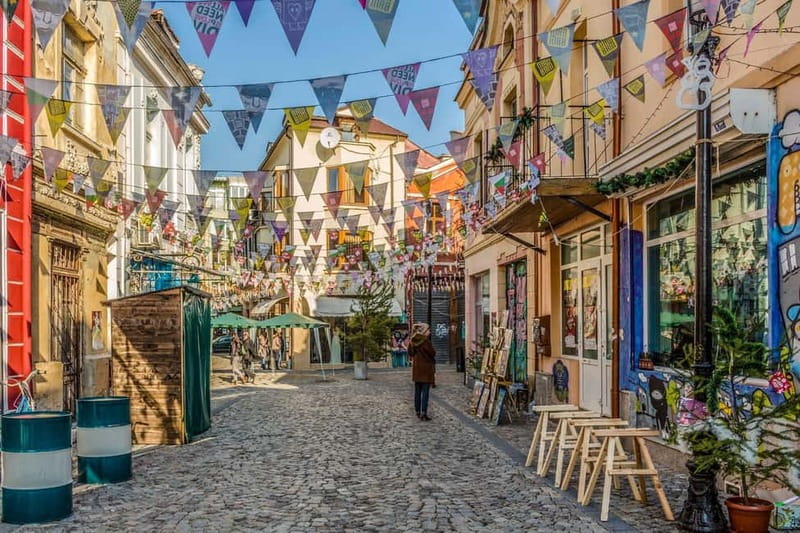
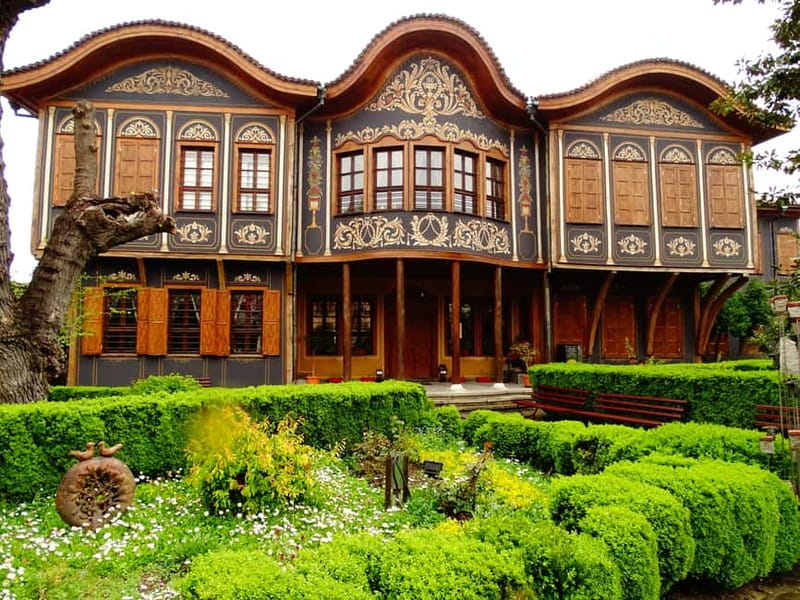
Plovdiv is one of Europe’s oldest cities, with settlement going back to around 4000 BC. That does not mean every street is an archaeological site, but it does mean the city’s past is unusually layered. You can walk through a modern pedestrian center and then encounter Roman stonework, Ottoman-era houses, and old Bulgarian buildings within minutes.
The ancient settlement grew around three hills: Nebet, Taksim, and Dzhambaz. Thracians first fortified the area, and the city later changed hands several times. Philip of Macedon took it in the fourth century BC and called it Philippopolis. Under Roman rule, it became Trimontium and developed into an important regional center.
I find this background useful because Plovdiv is not just a collection of ruins. The stones make more sense once you understand why the city mattered. Its hills offered protection, its position supported trade, and the Roman period brought roads, water systems, public buildings, and large entertainment venues.
The drive from Sofia takes roughly two hours each way, based on the timing described by past participants. That makes this a full day, but the transport removes the need to plan train schedules or navigate a new city on your own. If your Sofia stay is short, this is an efficient way to add Plovdiv without arranging a separate overnight visit.
Pickup at Alexander Nevsky or Your Sofia Address
The advertised meeting point is Alexander Nevsky Cathedral, one of Sofia’s easiest landmarks to locate. You may also arrange pickup from any address in Sofia, which is a useful benefit if you are staying away from the central cathedral area.
The vehicle is described as a comfortable minibus, and the small group size matters most during the long road portion. With a maximum of seven people, you are less likely to feel lost in a crowd, and the driver can usually communicate more directly with the group.
The driver speaks English. The sightseeing commentary is provided through an audio guide in English, Spanish, Italian, French, German, and Russian. This setup gives you flexibility, but it also means the level of live guiding may depend on the person assigned to your departure.
Several named guides have made a strong impression. Maria has been described as warm, well informed, and happy to answer questions about both Plovdiv and Bulgaria. Ilia was praised for punctuality, fluent English, passion for local history, and flexibility with free time. Lachezar brought humor and personal attention to a small group, while Avi was noted for making the transport comfortable and pleasant.
Those details matter because the road journey is a large part of the day. A friendly driver who can explain Bulgaria along the way adds real value. Still, you should book this primarily as a transport and self-guided city visit, not as a guaranteed private walking tour with a named guide.
More audio tours around the world:
- Barcelona: Sagrada Familia Entry Ticket with Audio Guide
★ 4.6 · 105,312 reviews - Rome: Pantheon Fast-Track Ticket and Official Audioguide
★ 4.5 · 27,353 reviews - Barcelona: Casa Batlló Entry with Self-Audioguide Tour
★ 4.7 · 25,359 reviews
The Three Hills and Plovdiv’s Old Town
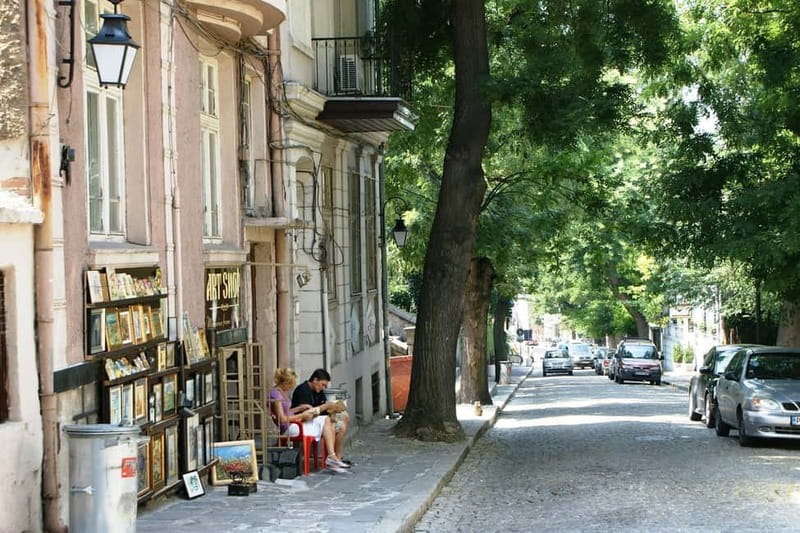
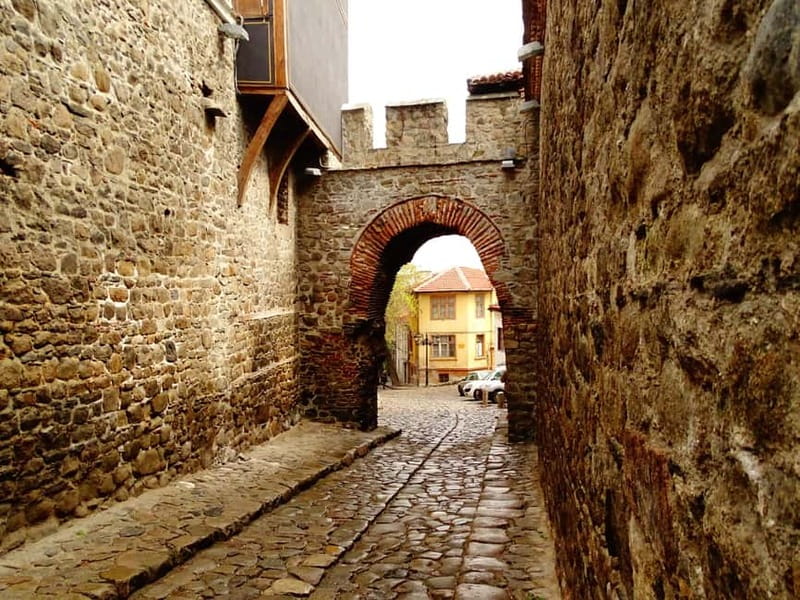
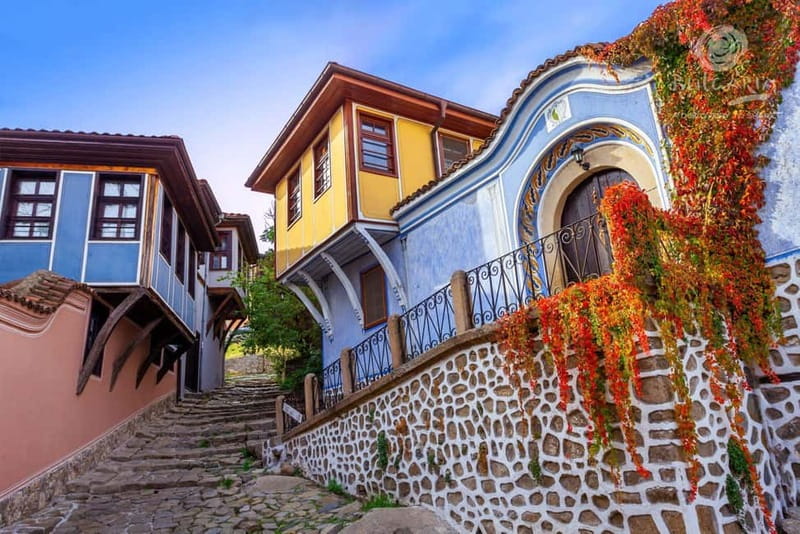
Your main sightseeing area is Plovdiv’s Old Town, where the Three Hills shaped the city’s earliest development. The uphill streets and stone paving give the area a different feel from the broad modern main street below.
The Old Town is best approached at a steady pace. You will find historic buildings, fortress remains, and streets that reward looking up as much as looking ahead. The ancient settlement once occupied the natural high ground between the hills, and the raised position helps explain both the city’s defensive history and its fine views.
The walking can be uneven. The tour information says it is not suitable for people with mobility impairments, and that warning should be taken seriously. Cobblestones, slopes, and old streets are part of the setting, not an optional extra.
I like that the visit is not reduced to one monument. Plovdiv works because the Old Town connects the ancient, medieval, and modern parts of the city. You can move from a Roman structure to a historic residential street, then reach the pedestrian center for lunch or shopping.
Your audio guide lets you pause and move at your own speed. That is helpful if you want to spend longer at a ruin or take photographs. The trade-off is that you will need to manage your own route and watch the time.
Roman Stadium: Ancient Plovdiv Beneath the Modern City
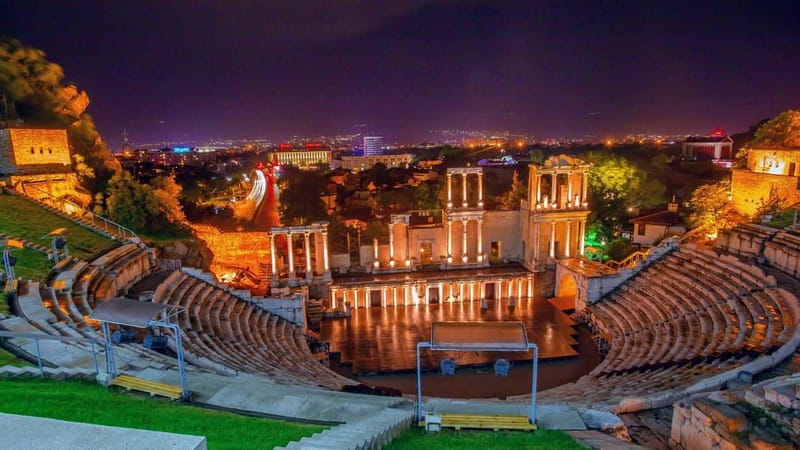
The Roman Stadium is one of Plovdiv’s most striking reminders that the modern city sits over an older one. It once served as a major public venue during the Roman period, and the surviving section is set near the present-day pedestrian area.
This is a good first ancient stop because it is easy to connect with the city around you. Shops, cafés, and the main street continue above and beside the archaeological remains. The setting shows how Plovdiv has grown rather than simply preserving its Roman past behind museum walls.
Use the audio guide here to understand the scale and purpose of the stadium. Without context, a partial excavation can look like a few rows of stone. With context, it becomes evidence of a large civic center built when Trimontium was an important Roman city.
The stadium is also practical for a short visit. You can see it without spending a large part of your free time, leaving more room for the Old Town and Amphitheatre. If you are interested in Roman engineering, the site is a useful introduction before the more dramatic theatre ruins.
The Ancient Amphitheatre and Roman Forum
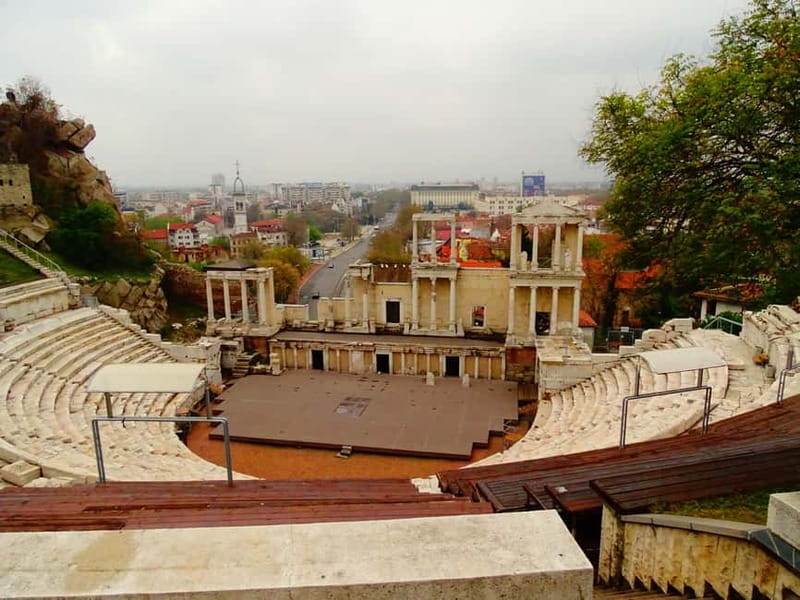
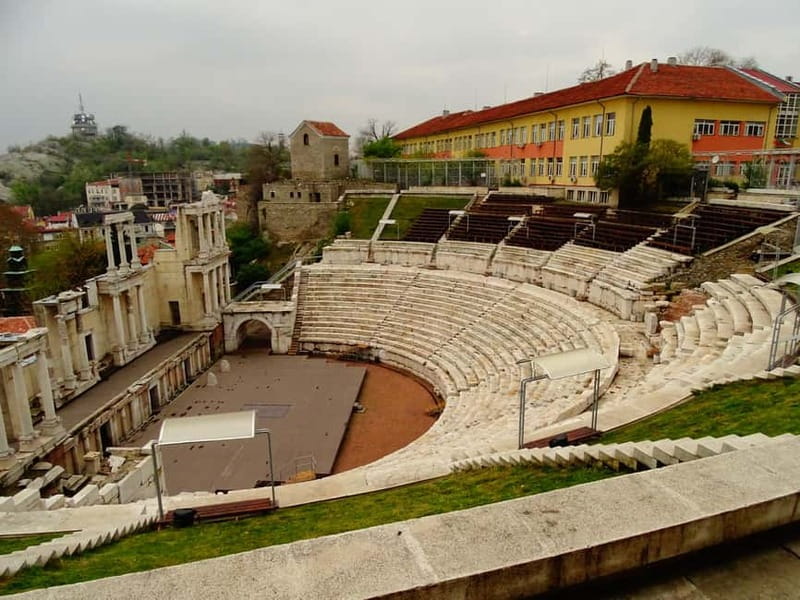
The Ancient Amphitheatre is likely to be the visual high point of the day. Set on the slope of Dzhambaz Hill, it combines Roman construction with the character of Plovdiv’s old hillside streets.
The venue was built during the Roman period and remains one of the city’s defining monuments. Its stone seating and open setting make it easier to picture public performances and civic gatherings than at a ruin reduced to foundations.
I would give the Amphitheatre your best attention, especially if your time in Plovdiv is limited. Listen to the audio explanation, walk around the visible structure, and take time to look across the city. The combination of surviving stonework and the hillside position makes this more than a quick photo stop.
The Roman Forum adds a different lesson. The forum was part of the city’s public and commercial center, where daily business and civic life took place. The remains are less theatrical than the Amphitheatre, but they help explain how Roman Plovdiv functioned as a city rather than only as an entertainment venue.
The combo ticket for five objects costs 15 BGN and is optional. The supplied information does not list each of the five sites covered, so check the current details before deciding. If you want to enter several paid monuments, the pass may be useful. If you mainly want the Old Town, street views, and the most visible ruins, you may prefer to keep your plan flexible.
Same sights, a different narrator:
- Rome: Colosseum & Forum with Audio Guide App -Optional Arena
★ 4.2 · 24,770 reviews - Amsterdam: 75 Minute City Canal Cruise with Audio Guide
★ 4.4 · 19,938 reviews - Florence: Timed Entry to Michelangelo’s David + Audio App
★ 4.6 · 19,496 reviews - Amsterdam: City Centre Canal Cruise including Audioguide
★ 4.3 · 16,901 reviews
Free Time for Lunch, Coffee, and the Main Street
Free time is one of the tour’s best features. After the historic walk, you can choose a restaurant, stop for coffee, browse the main street, or return to a site that deserves more attention.
The main street is the natural place to shift from ancient Plovdiv to present-day city life. It offers shopping and entertainment, with many restaurants nearby. You are not locked into a set menu or forced to follow a group for every minute, which makes the day feel less rushed.
That freedom also places responsibility on you. Keep an eye on the agreed return time, especially if you walk farther into the shopping area or linger over lunch. The total outing is listed as eight hours, while the Plovdiv portion is described elsewhere as a longer block, so exact timings may vary by departure and traffic.
One participant found about three and a half hours in Plovdiv too short. I can understand that reaction. The Old Town, Roman sights, lunch, and shopping can easily fill a full day. To make the most of a shorter stop, decide in advance which matters most: ancient monuments, photographs, food, or browsing the center.
What the $53 Price Delivers
At $53 per person, the price is mainly paying for convenience. You get transport from Sofia, a return journey, pickup, and a multilingual audio guide. You also avoid the planning work involved in arranging public transport and finding each Plovdiv sight independently.
The small-group format makes the price more appealing. A limit of seven is a middle ground between a private car and a large tour bus. You get shared transport, but the group should remain manageable at meeting points and during the walk.
The price does not include entrance fees. The optional five-object combo ticket is 15 BGN, so budget for that separately if you plan to enter the paid sites. Food and drinks are also not listed as included.
I see this as good value for a first visit from Sofia, especially if you value a simple pickup and return. It is less compelling if you already have a car, prefer to spend a full day in Plovdiv, or want a guaranteed live guide beside you at every monument.
Audio Guide or Live Commentary?
The audio guide is available in six languages, which is a real advantage for a mixed-language group. You can choose English, Spanish, Italian, French, German, or Russian and listen at your own pace.
An audio guide also reduces the pressure to stay beside a guide during every explanation. You can stop for a photograph, move ahead, or replay information when a Roman name or date slips past.
The limitation is interaction. A live guide can answer questions immediately and adjust the explanation to your interests. Maria, Ilia, and Lachezar have each been praised for adding personal stories, humor, and wider context about Bulgaria, but a named guide is not guaranteed by the activity details.
If you enjoy independent sightseeing with organized transport, the audio format should suit you. If your main reason for booking is detailed conversation about Bulgarian history, ask the operator what kind of guiding will be provided on your date.
Who Should Book This Plovdiv Trip?
I would recommend this tour to you if you are staying in Sofia and want an easy day outside the capital. It suits first-time visitors who want the major ancient sights, a walk through the Old Town, and free time without managing transport.
It is also a good fit for solo visitors and couples who prefer a small group. The seven-person limit can make a long road journey more comfortable, and the flexible structure leaves room for your own interests.
Families and people who need step-free routes should think carefully. The information specifically says the tour is not suitable for people with mobility impairments, and the old streets and hills can be demanding.
History fans may want more time than the schedule provides. If you want to study several museums and archaeological sites, an overnight stay in Plovdiv would be more satisfying. If your goal is a well-organized introduction, this day trip covers the essentials.
Free cancellation up to 24 hours before departure and reserve-now, pay-later booking make it easier to fit into a changing Sofia schedule. Pets are not allowed.
Should You Book It?
Book this tour if you want simple Sofia pickup, comfortable shared transport, and a first look at Plovdiv’s Roman and Old Town sights. The strong points are the small group, flexible free time, language choices, and guides who have often added warmth and useful Bulgarian context.
Skip it if you want a slow, full-day exploration of every museum and ruin. In that case, stay overnight in Plovdiv or arrange a longer private visit. For most people with one spare day in Sofia, though, this is a sensible way to see one of Bulgaria’s most important cities without turning transport into a project.
FAQ
Where does the tour start?
The listed meeting point is Alexander Nevsky Cathedral in Sofia. Pickup is also available from any address in Sofia.
How long does the tour last?
The activity is listed as eight hours. The Plovdiv sightseeing portion is also described as a longer block in the schedule, so exact timing can vary. Allow for a full day.
How many people are in the group?
The group is limited to seven participants.
What transport is provided?
Transport is provided by a comfortable minibus, with return transportation from Plovdiv to Sofia.
Which languages are available for the audio guide?
The audio guide is available in English, Spanish, Italian, French, German, and Russian.
Is an entrance ticket included?
No. Entrance fees are separate. An optional combo ticket for five objects costs 15 BGN.
Can I be picked up from my hotel?
Yes. Pickup is available from any address in Sofia, in addition to the listed meeting point at Alexander Nevsky Cathedral.
Is the tour suitable for people with mobility impairments?
No. The activity is listed as unsuitable for people with mobility impairments. The Old Town includes historic streets and hills that may be difficult to navigate.
New audio tours around the world
- London Panoramic Open Top Bus Tour with Audio Guide★ 4.0 · 209 reviews
- London: British Museum Audio Guide & Small Group Entry★ 3.5 · 81 reviews
- London: National Gallery Audio Tour (No Entry Ticket)★ 3.5 · 11 reviews
- London’s Alternative History: A Self-Guided Audio Tour★ 5.0 · 4 reviews
- London: British Museum’s English Audio Tour with Free Reservation★ 3.0 · 15 reviews
- London: Churchill War Rooms Ticket & Political London Audio Tour★ 4.0 · 83 reviews
- London: British Museum Audio Tour with Free Guaranteed Entry★ 3.0 · 30 reviews
- Houses of Parliament Ticket & Political London Audio Guide★ 4.0 · 13 reviews
Bulgaria Audio Tours, compared.
Sofia: City Monuments Guided Walking Tour with Audio Guide
Read our review →
Sofia: Rila Monastery & Boyana Church – Audio guided tour
Read our review →
Nessebar: Audio Guide Tour Nessebar + visit to the Winery
Read our review →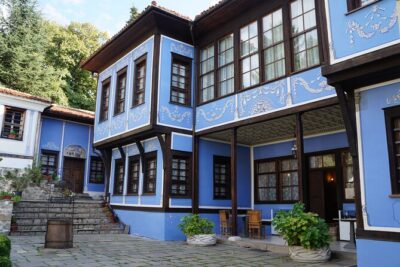
Plovdiv: Old Town Guided Walking Tour & Audioguide & Museum
Read our review →
Audio Guide for Museum Paleontology and Historical Geology
Read our review →Browse the lists this tour appears in