
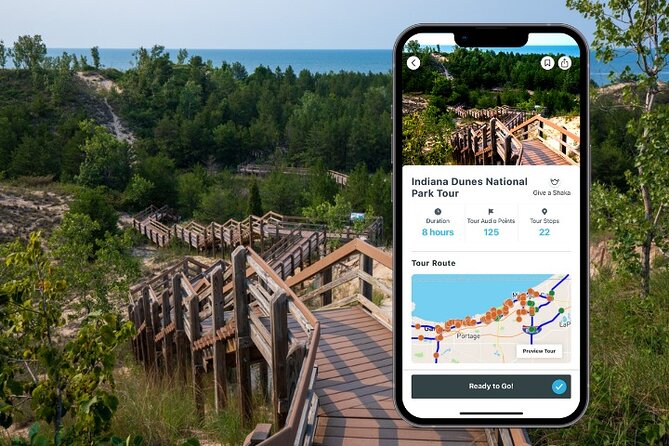
Review · USA
Indiana Dunes National Park Self-Guided Audio Tour
The most surprising thing about Indiana Dunes is how much fits beside Lake Michigan. In one day, you can walk through a former shoreline, watch birds in wetlands, see futuristic 1933 World’s Fair houses, visit a Swedish farm, and climb sandy ridges older than recorded history. This self-guided audio tour ties those pieces together from your car.
I like the one-price-per-group setup, especially for a family or a full carload. I also like the GPS-triggered narration, which lets you pause for a swim, skip a trail, or return on another day. The main caution is that the route covers a lot of ground, and one user lost an hour after the app sent the car off course. Download everything before leaving and keep a map handy.
Key points at a glance
- Twenty-two stops across two parks and nearby Gary: Beaches, wetlands, dunes, historic homes, a cemetery, a farm, and visitor centers all make the route more than a string of lake views.
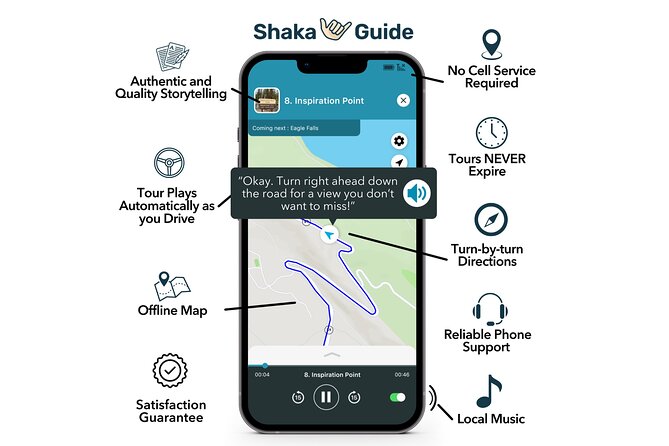
- GPS narration plays as you drive: Stories, directions, music, and stop information come through the Shaka Guide app without requiring a live guide.
- The $15.99 price covers up to 15 people: That makes it a strong value for one vehicle, though parking and entrance fees are extra.
- The route includes real hiking choices: Easy walks range from the Great Marsh Trail to more demanding options such as Cowles Bog and the Diana of the Dunes climb.
- Indiana Dunes State Park costs extra: The national park and state park are separate, and the state park may have entrance lines on busy days.
- The tour never expires: You can split the route across several days instead of forcing every stop into one long outing.
Why this audio tour works well for Indiana Dunes
Indiana Dunes National Park is not one compact attraction. It stretches along the southern shore of Lake Michigan, with roads connecting beaches, marshes, old dunes, wooded trails, and historic sites. That variety is the park’s charm, but it can also make a first visit feel scattered.
The audio format gives your drive a useful shape. The narration starts automatically when GPS detects your location, then offers context about the places around you. You are not tied to a group schedule or a guide’s pace. Stop for ten minutes at Lake View Beach, spend an hour on Glenwood Dunes Trail, or skip a beach because the parking lot is full.
At $15.99 per group, the math favors families and groups traveling together. A couple pays the same as a large family, up to the stated limit of 15 people. You still pay for parking, food, and any entrance fees, including the separate Indiana Dunes State Park charge.
The route is advertised as about 12 hours, but that does not mean you need to complete it in one day. The tour never expires, so you can use it as a full-day road trip, divide it over a weekend, or return later for trails you skipped.
More Self-Guided Audio Tours in the USA
- Gettysburg Battlefield Self-Guided Driving Audio Tour
★ 4.5 · 910 reviews - Joshua Tree National Park Self-Guided Driving Audio Tour
★ 4.5 · 762 reviews - Ultimate Acadia National Park Self-Guided Driving Audio Tour
★ 4.0 · 521 reviews
Start with birds at Heron Rookery and the Great Marsh
The suggested starting point is the Heron Rookery Trail Auxiliary west lot in the Westville area. The trail is an easy 3.3-mile walk through a former bird sanctuary. Great Blue Herons once nested here, though they have moved to other grounds. The name remains, and the habitat still rewards patient bird watchers.
Look for kingfishers, warblers, Red-headed Woodpeckers, and Yellow-bellied Sapsuckers. Spring brings small wildflowers, including Harbinger of Spring and Yellow Trout Lilies. The audio narration adds useful natural history without requiring you to read signs at every bend.
The Great Marsh Trail offers another easy nature stop. It overlooks the largest wetland complex in the Lake Michigan watershed, with ducks, geese, herons, egrets, warblers, and red-winged blackbirds. A separate paved path leads quickly to an observation deck, making this one of the more accessible stops on the route.
At Central Avenue Beach, you get seasonal restrooms, drinking water, and two picnic tables at the west end of the parking lot. The restrooms are wheelchair accessible, but the beach and picnic tables are not. There are no lifeguards, and rip currents can make swimming dangerous, so treat this as a beach walk or picnic stop unless conditions are clearly safe.
Mount Baldy shows the dunes in motion
Mount Baldy is one of the park’s memorable oddities. It rises about as high as a 12-story building and is a wandering dune, meaning wind can move it as much as ten feet in a year.
The dune once had grasses holding the sand in place. Repeated climbing damaged that cover, allowing wind to push the sand around. Mount Baldy has even begun moving toward its parking lot. The beach is reached by a half-mile round-trip walk around the dune, including stairs.
This stop is short in the suggested schedule, but the story matters. Indiana Dunes is not a fixed wall of sand. It is a living system shaped by wind, water, plants, and people. Stay on marked routes and follow current park instructions about dune access.
Lake View Beach is another brief stop, especially appealing in spring when smelt may be caught. The tour includes a colorful note about preparing the small, oily fish by dusting them with flour, shallow frying them, and eating them whole. That detail gives the stop a local flavor, though you should follow current fishing rules and seasons.
Beaches, night skies, and the Century of Progress homes
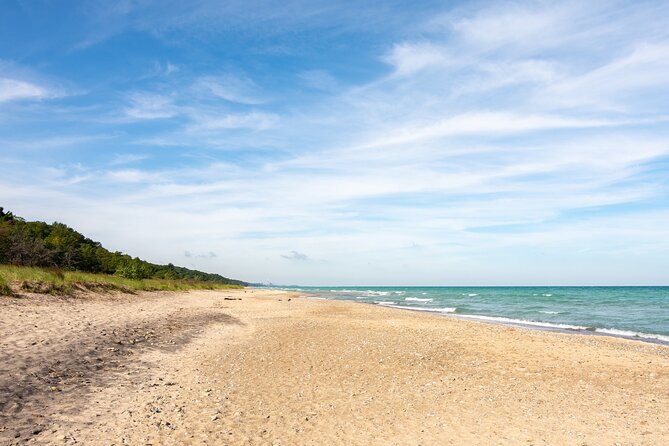
Dunbar Beach and Kemil Beach both offer access to Lake Michigan, but neither has lifeguards. Dunbar has seasonal restrooms and drinking water, while Kemil has year-round restrooms and drinking water. Both parking lots can fill quickly on summer weekends.
Kemil is especially useful if you want to stay after sunset. It is a good place for night-sky viewing and watching for nocturnal animals. Add the Dune Ridge Trail if you have time. This short trail crosses forested dunes and Black Oak Savannas, with views toward the Great Marsh and Lake Michigan.
The Century of Progress Historic District is one of the route’s most unusual stops. Five houses from the 1933 Chicago World’s Fair were moved here after the fair. They were part of the Homes of Tomorrow exhibit, a group of futuristic houses meant to show how people might live in the modern age.
You cannot normally go inside because private residents occupy the homes under leases requiring maintenance. A public tour takes place each September, but tickets usually sell out within an hour. Even from outside, the houses give you a reason to look beyond sand and water.
More National Park Audio Tours in the USA:
- Arches National Park Self-Guided Driving Audio Tour
★ 4.5 · 288 reviews - Self-Guided GPS Audio E-Bike Tour Hawaii Volcanoes National Park
★ 4.5 · 131 reviews - Shenandoah National Park Self-Guided Driving Audio Tour
★ 4.5 · 109 reviews - Self-Guided Audio Driving Tour in Mesa Verde National Park
★ 4.5 · 86 reviews
Walk through former shorelines and old dunes

The Little Calumet River Trail connects the present park to its glacial past. The Calumet Dunes Ridge was once the shoreline of Lake Michigan. Over the last 12,000 years, the lake receded about one and a half miles, leaving old dunes inland.
That story is easy to miss if you only visit the beach. The audio narration helps you picture glaciers, wind, water, and time reshaping the area. The trail attracts bird watchers in summer and cross-country skiers in winter.
Glenwood Dunes offers the biggest trail choice. The system includes routes shorter than one mile and others reaching 6.8 miles, with extensions totaling more than 15 miles. There are 13 trail junctions, so take a trail map. This is not the place to wander off without knowing which turn leads back to the car.
The Glenwood Dunes are about 13,000 years old, making them the oldest dunes in the park. That age gives the hike a sense of scale, but the trail lengths also make this a good place to adjust your day. You can take a short walk or commit to a longer outing.
Learn the park’s human story at the Visitor Center

The Indiana Dunes Visitor Center provides educational displays, short films, a bookstore, and access to park rangers. The most meaningful feature is the Indigenous Cultural Trail, which honors the Potawatomi and Miami people who lived here and explains their connection to the park’s ecosystems.
Ask a ranger for more information if you want context beyond the audio narration. This is a good pause before tackling more trails, and it helps connect natural history with the people who have long known and used these places.
Indiana Dunes State Park comes next, but remember that it is a separate park with its own fee. It can become crowded, and rangers may direct traffic or limit entry when parking fills. Plan extra time if you visit during a busy summer period.
The state park offers the 3-Dune hiking challenge, accessible from the Nature Center. Near the beach, an Art Deco pavilion houses a general store and restaurants. There is also a bird observatory west of the pavilion, a 100-foot winter sledding hill called Devil’s Slide, and a historical marker for the 1780 Battle of Petit Fort.
Porter Beach sits beside the state park beach. It has fewer amenities, but you can park there and walk about a quarter mile along the beach to the state park. Seasonal restrooms are available, and there are no lifeguards.
Choose trails by difficulty, not just by scenery
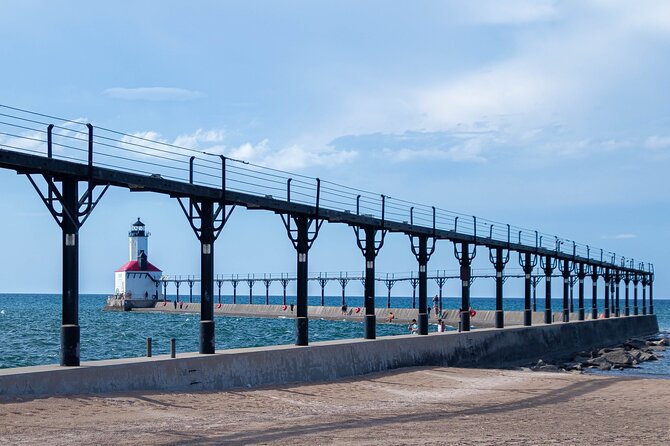
Cowles Bog Trail is a moderate 4.7-mile route with 202 feet of elevation gain. Expect rugged footing, steep dune climbs, and loose sand. The trail is named for ecologist Henry Cowles, whose work here helped establish Indiana Dunes as an important place in the study of plant communities and environmental change.
For a shorter historic walk, take the shortcut to Bailly Cemetery. It is less than half a mile round trip and leads to an old cemetery hidden in the woods. The narration explains how one family took control of the burial ground and shaped its later story.
Nearby Bailly Homestead is a National Historic Landmark. Joseph Bailly established a trading post here in 1822, and the homestead once served as the only stopping point between Chicago and Detroit. Five buildings make up the site, including log cabins, brick structures, and the large late-19th-century main house.
Chellberg Farm adds a different chapter. Swedish immigrants bought the land in 1869. After the original farmhouse burned in 1884, the family built the brick house still seen today. The farm began making maple syrup in the 1930s, and the park holds a maple syrup festival every March.
Check the park calendar for ranger programs at Chellberg Farm. Some programs let you tour the farmhouse and feed the cows, chickens, and goats. These scheduled activities are not guaranteed as part of the audio tour, but they can make a return visit especially worthwhile.
See prairie, river, and Gary’s lakefront
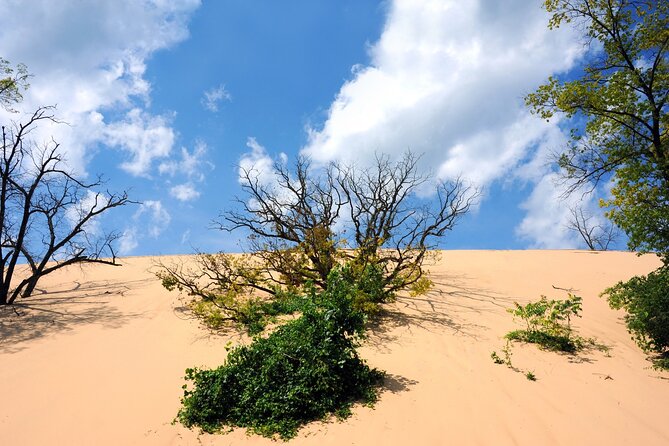
Mnoké Prairie is a restored tallgrass prairie that shows what this part of Indiana may have looked like before European-American settlement. Double-breasted cormorants, Rock Pigeons, and Cooper’s Hawks are among the birds you might see.
Portage Lakefront and Riverwalk combines a beach, a short river path, and a pavilion with snacks, gifts, restrooms, and ranger programs. The riverwalk is just under a mile and rated easy. In winter, shelf ice can form along Lake Michigan, creating a very different view from the summer beach.
Tolleston Dunes Trail runs about three miles through dunes nearly 5,000 years old. It is moderately difficult because the trail rises and falls over sand and can become soggy after rain. Trees provide shade, and the vegetation includes prickly pear cactus, sassafras, and wild blue lupine.
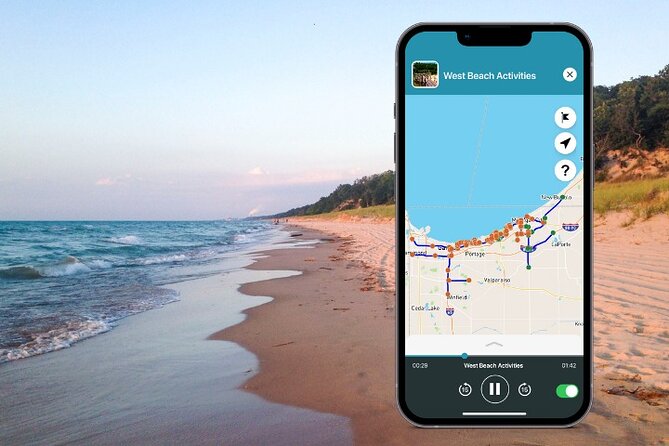
West Beach is the largest and busiest beach in the national park. You can swim, sunbathe, search the shore, watch birds, or use the picnic area near the parking lot. The Long Lake Loop passes through forest, wetlands, and rolling dunes.
For a serious challenge, try the Dune Succession Trail, also called the Diana of the Dunes Dare. The one-mile route includes 270 steps to the top of Diana’s Dune. That is a short distance with a real workout, so save it for when you have water, time, and steady legs.
Marquette Park is outside the national park and belongs to Gary. It includes a playground, concession stand, trails, disc golf, and a beach. The Gary Bathing Beach Aquatorium, built in 1921, is the architectural highlight.
Finish at the Paul H. Douglas Center for Environmental Education in Miller Woods. Exhibits explain park wildlife, and the nearby Miller Woods Loop is less than a mile. It crosses several habitats and offers views of the lake.
App performance, timing, and practical preparation
The tour is private, so your group controls the pace. The app uses GPS to trigger narration, directions, music, and stop information. It also includes an offline map, which matters in a park where phone service may not be dependable.
Download the tour over strong Wi-Fi before you leave. Use the redeem code sent with your booking, open the My Stuff tab in the Shaka Guide app, select the tour, and choose the starting point. The route begins at 5648 US-6 in Westville and ends at the Paul H. Douglas trailhead near North Lake Street in Gary.
One serious caution deserves attention. A user reported that the app directed the car an hour away from the intended route before the group stopped using it. Customer support eventually helped and issued a prompt refund, but the delay still cost valuable time. I would use the audio tour as a helpful guide, not your only navigation tool. Check the map before every major turn.
The overall score is 3.5 from four published ratings, which signals a useful but not flawless product. The strongest praise centers on the narrator’s fun facts, the flexibility to stop and resume, and the way the audio adds meaning to a drive that might otherwise feel like separate beach visits.
Free cancellation is available up to 24 hours before the start time. Changes or cancellations inside that window are not refundable.
Is the Indiana Dunes audio tour worth booking?
Book it if you want a private, low-cost way to connect Indiana Dunes’ beaches, trails, wildlife, and history. It is particularly useful for a family group, a couple with a car, or anyone who likes choosing stops instead of following a fixed tour bus.
The best value comes from using it over more than one day. A single day can cover several beaches and short walks, but completing every trail and historic stop would make for a tiring schedule. The audio remains available, so you can return for Cowles Bog, Chellberg Farm, or the older dune systems.
Skip it if you prefer to plan every turn yourself, or if a navigation error would cause major trouble. For most people, though, the modest group price and flexible format make this a sensible way to understand why Indiana Dunes is far more than a beach beside Chicago.
FAQ
How much does the Indiana Dunes audio tour cost?
The tour costs $15.99 per group of up to 15 people. It is priced by vehicle group rather than per person.
How long does the tour take?
The full experience is designed to take about 12 hours. You can also pause, skip stops, and use the tour across multiple days because it never expires.
Where does the tour start?
The listed starting point is 5648 US-6, Westville, Indiana 46391.
Where does the tour end?
The route ends at the Paul H. Douglas Trailhead near North Lake Street, south of the Paul H. Douglas Center for Environmental Education in Gary.
Does the tour require Wi-Fi or mobile data?
You should download the tour using strong Wi-Fi before starting. After that, the offline map and tour content do not require continuous Wi-Fi or data.
Is Indiana Dunes State Park included in the tour?
The route includes Indiana Dunes State Park, but the state park charges a separate entrance fee. That fee is not included in the audio tour price.
Are parking fees included?
No. Parking fees are not included.
Does the tour include transportation or meals?
No. Private transportation, meals, and refreshments are not included. You use your own vehicle.
Are there accessible stops?
The Great Marsh Trail has a separate wheelchair-accessible paved trail leading to an observation deck. Central Avenue Beach has wheelchair-accessible restrooms, but the beach and picnic tables are not wheelchair accessible.
Are the beaches lifeguarded?
No. The listed beaches have no lifeguards, and swimming can be hazardous because of waves and rip currents.
New audio tours around the USA
- Beaches, Bites and Bavaria in Leavenworth: A Self-Guided Audio Tour★ 3.5 · 3 reviews
- Welcome to Fabulous Las Vegas Sign Self-Guided Audio Tour★ 5.0 · 2 reviews
- Las Vegas Day Trips: 3-Day Self-Guided Audio Tour★ 5.0 · 2 reviews
- Hoover Dam and Lake Mead Self-Guided Audio Tour★ 5.0 · 3 reviews
- Driving Lake Tahoe: A Self-Guided Audio Tour From Tahoe City to Incline Village★ 5.0 · 10 reviews
- Las Vegas Neon and Secrets: Self-Guided Audio Tour★ 5.0 · 3 reviews
- Baton Rouge Historic Downtown Self-Guided Audio Walking Tour★ 4.0 · 19 reviews
- Ultimate La Jolla Self-Guided Driving & Walking Audio Tour Bundle★ 3.5 · 9 reviews
USA Audio Tours, compared.

Los Angeles: Hop-On Hop-Off Bus Tour with Audio Guide
Read our review →
City Sightseeing Hop-On Hop-Off Bus Tour with Audio Guide
Read our review →
Medieval Torture Museum Ticket with Audio Guide and Ghost Hunting
Read our review →


San Francisco: Alcatraz, Ferry & Audio Tour w/ Night Option
Read our review →
Ultimate Acadia National Park Self-Guided Driving Audio Tour
Read our review →
Browse the lists this tour appears in