Review · BIG ISLAND
Self-Guided GPS Audio E-Bike Tour Hawaii Volcanoes National Park
The clever part of this experience is simple: an e-bike lets you cover more of Hawaii Volcanoes National Park without being trapped in a coach or circling for parking. You ride through fern forest, past steam vents and lava fields, then reach Keanakakoi Crater Overlook, a spot closed to ordinary car traffic.
I like the freedom to stop whenever you want, and I like that the route is mostly paved, level, or downhill. The GPS narration adds geology, Hawaiian mythology, and stories about Pele without requiring a live guide beside you. The main catch is that you must arrive with a fully working smartphone, and the app can drain its battery quickly.
Key points to know before booking
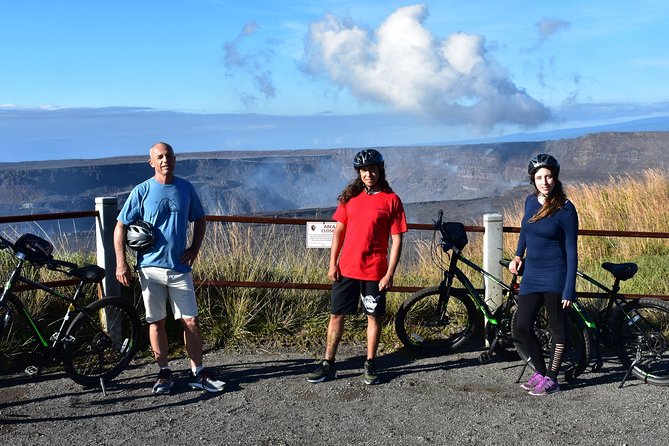
- Mostly downhill riding: The route is designed to reduce hard pedaling, though you still need to steer, shift, balance, and handle both paved and gravel surfaces.
- Access beyond the car route: The bike path reaches Keanakakoi Crater Overlook and other areas that are harder to reach by car.
- Thurston Lava Tube stop: A short forest walk leads into a cool cave formed by flowing lava.
- GPS audio, not a live guided ride: You control the pace, stops, and detours, with live staff available for park and safety help.
- Cool, wet summit weather: At about 4,000 feet, Kīlauea can be 12 to 15 degrees cooler than the coast, with rain and mist possible at any time.
- Bring the phone details: Download and prepare the app before arrival, bring a backup power source if possible, and expect a $1,500 equipment deposit authorization per party.
Why an e-bike works so well at Kīlauea
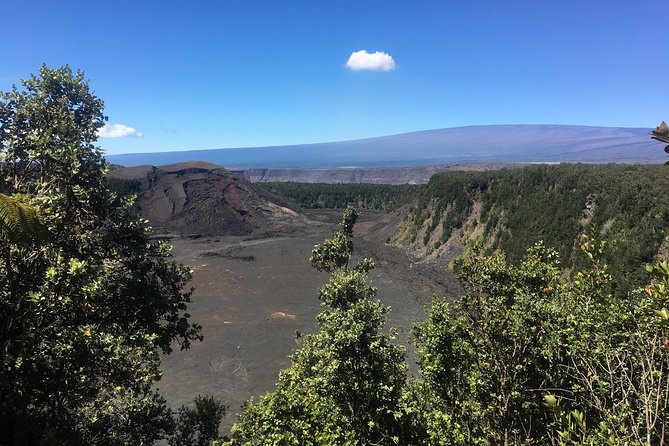
Hawaii Volcanoes National Park covers a large area, and the most interesting sights are spread along roads, paths, overlooks, and short walking trails. A car gets you around, but it can also leave you hunting for a parking space at popular stops. A bike gives you a slower view of the forest and volcanic ground, plus the ability to pull over without wrestling with a large vehicle.
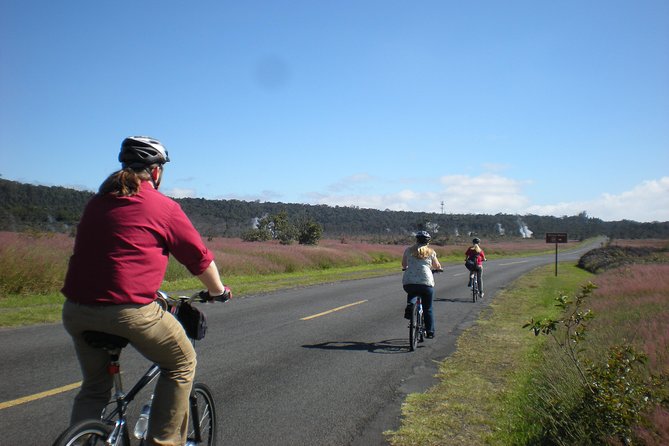
This tour begins at Bike Volcano on Old Volcano Road. After collecting your bike and equipment, you ride less than a mile to the park trail entrance. The route is built around paved roads and bike paths, with much of the riding going downhill or on relatively level ground.
That does not mean this is a no-effort outing. You need enough cycling skill to steer, balance, shift, and brake on both paved and gravel surfaces. The operator does not recommend it for beginner cyclists, and riders must be at least 15 years old and no more than 270 pounds.
The electric assist lets you choose how much work you want to do. Several people who used similar bikes through the same company found them comfortable and easy to operate, with enough power to make the ride manageable for adults in average condition. Still, wet roads require caution. One past guided ride had crashes after rain made the pavement slick, so slow down when the weather turns misty or wet.
More Self-Guided Audio Tours in the USA
- Gettysburg Battlefield Self-Guided Driving Audio Tour
★ 4.5 · 910 reviews - Joshua Tree National Park Self-Guided Driving Audio Tour
★ 4.5 · 762 reviews - Ultimate Acadia National Park Self-Guided Driving Audio Tour
★ 4.0 · 521 reviews
Starting at Bike Volcano
The morning pickup time is 9:30 a.m. The afternoon option begins at 12:30 p.m., but it requires at least four riders. The full experience takes about four and a half hours, although the listed riding and stop times suggest that your exact pace can change the day.
At the staging area, staff provide an electric comfort hybrid bicycle, helmet, lock, and safety instruction. You also get access to secure parking and a restroom, which is useful when you are spending several hours in a remote park. A shaded canopy gives you a place to prepare before setting off.
Tell the staff your name and height when booking. Height matters because riders need a properly sized frame, and one family specifically noted that taller people should make sure the operator knows in advance. You can rent a backpack for $5, and rain jackets are available for purchase at the Kīlauea General Store.
The phone setup deserves attention. The GPS app is part of the tour, but your smartphone is not supplied. Download the app before arriving, make sure your phone can connect and play audio, and charge it fully. The map and audio can use a lot of battery, so a portable charger is a sensible addition.
A $1,500 equipment deposit is pre-authorized per party. Bring identification and a credit card for this step. The park admission fee is separate and is listed as $15 per person.
Fern forest, steam vents, and crater country
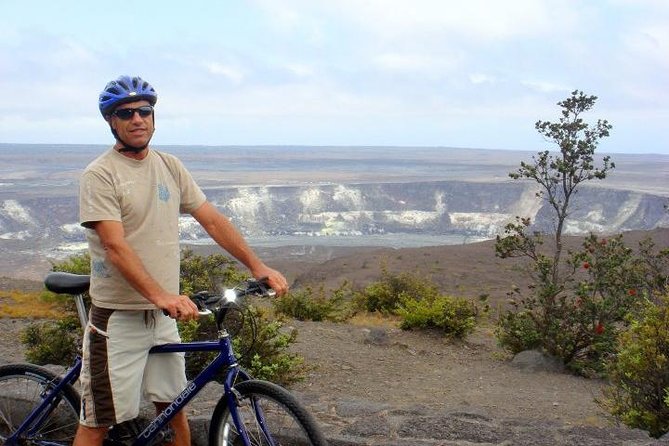
Once you reach the park, the scenery changes quickly. You may pass through native Hawaiian fern forest, ride near steaming vents, and cross stark volcanic fields where the ground tells the story of old eruptions. The bicycle keeps you close to the sounds and smells of the park in a way a sealed vehicle cannot.
The GPS narration covers volcanic geology, Hawaiian mythology, native plants, and cultural stories. It is a useful middle ground for people who want more context than a sign provides but do not want to stay with a guide at every stop.
The audio system is not perfect. The map works well for many people, but the commentary at points of interest may open through a separate link. That extra step can feel clumsy, especially when you are trying to manage a bike, phone, and changing weather. Set up the app before you ride, and do not assume the phone will last all afternoon without extra power.
You have room to pause for photographs, linger at a viewpoint, or take a permitted detour. That flexibility is the heart of the outing. A coach tour gives you a fixed schedule. This ride gives you a map, a narrated route, and time to choose what deserves your attention.
Nahuku and the Thurston Lava Tube
One of the most appealing stops is Nahuku, also called Thurston Lava Tube. The stop includes a short, roughly 15-minute loop walk through native rainforest to a 500-year-old pit crater filled with tall Hapuʻu ferns and other plants.
The trail leads into the famous lava tube, a cave created when the outside of a lava flow cooled while molten rock continued moving beneath it. Inside, the passage feels cool and enclosed, a sharp change from the open volcanic fields outside. The route includes two audio segments explaining the forest and the lava tube.
This is a walk, not a ride, so wear closed-toe shoes with a secure fit. The path is short, but rain can make any forest trail less comfortable. The stop is also popular, so your self-guided timing may help you arrive between larger groups, though no schedule can guarantee an empty path.
More Smartphone Audio Tours in the USA
- Santa Fe Historic Downtown Smart Phone Audio App Self Guided GPS Walking Tour
★ 4.5 · 112 reviews - Ultimate Portland Self-Guided Driving GPS Audio Tour
★ 4.0 · 56 reviews - Birmingham Civil Rights Walk of Freedom Smartphone Audio App Tour
★ 5.0 · 40 reviews - Self Guided GPS Audio Driving Tour Acadia NP From Hulls Cove VC
★ 4.0 · 25 reviews
Kīlauea Visitor Center for a wider view
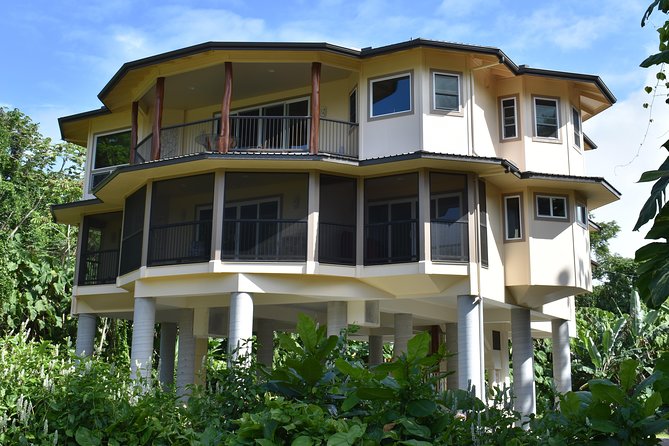
The Kīlauea Visitor Center gives you a useful pause from the bike. Exhibits explain the forces that shape the island, the park’s native wildlife, and the cultural importance of Pele, the volcano goddess. Maps and historical displays help connect the individual sights you have already seen.
Park rangers can provide current safety information and advice about conditions in the park. That matters at an active volcanic site, where roads, trails, and viewpoints can change. The center also has a bookstore and gift shop, so it is a practical place to pick up maps or educational material.
You may spend only about 15 minutes here as part of the planned route, but you can adjust your day within the tour’s available time. If you have a particular concern about volcanic activity, weather, or a trail, ask a ranger before continuing.
Keanakakoi Crater Overlook and the best riding
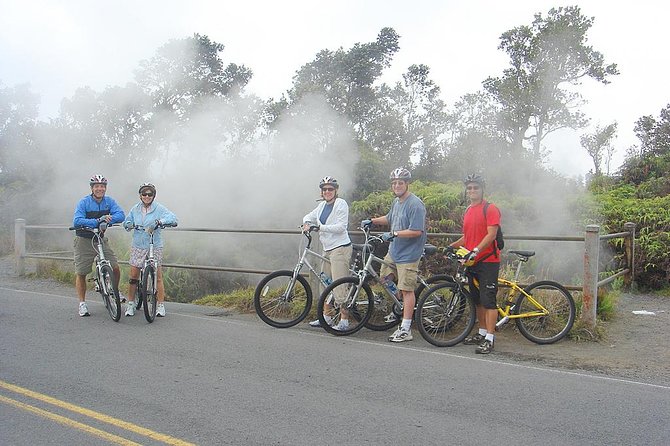
The strongest reason to choose the bike is Keanakakoi Crater Overlook. The area is accessible by bike or on foot, not by ordinary car traffic, and the route includes about two miles of trail through koa and ʻōhiʻa forest.
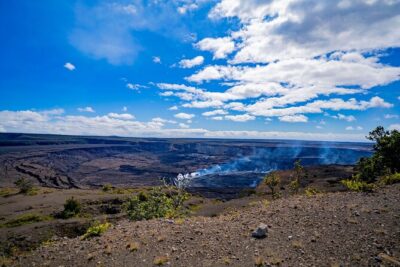
From the overlook, you can see toward Halemaʻumaʻu Crater, a place tied to Pele in Hawaiian tradition. On rare days when conditions and volcanic activity allow, you may see lava fountains or lava flowing toward the sea. These sights are never guaranteed, and you should book for the park’s geology and scenery rather than promise yourself an eruption.
The bike also gives you access to a lava viewing area with close views of current volcanic activity when it is open and safe. The description of the route refers to fountains reaching more than 1,000 feet, but conditions at Kīlauea change. Treat any active lava sighting as a fortunate extra, not the entire purpose of the tour.
This portion can feel like the most rewarding ride because you move between forest, crater views, and exposed volcanic ground. The path is not a hard mountain-bike course. People seeking a serious cycling challenge may find it tame, while anyone wanting a relaxed way to cover substantial ground will probably appreciate the gentle design.
Lunch and the freedom to set your own pace
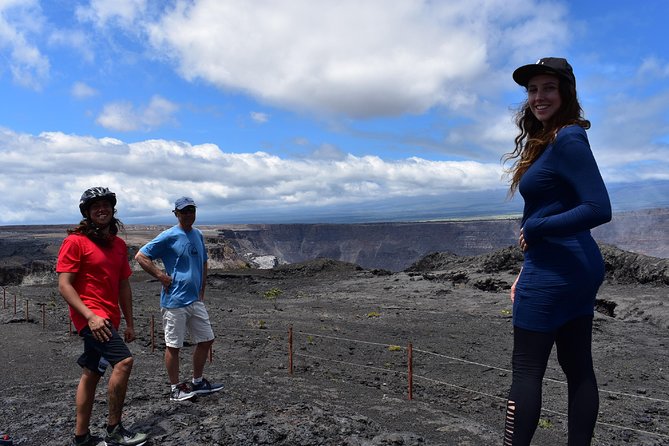
The route includes time for lunch overlooking the crater at Volcano House. Food is not listed as included in the current self-guided package, so plan to pay for your own meal. The Kīlauea General Store can also sell bottled water and rain gear.
The ability to choose your pace is particularly useful for families and couples who do not all move at the same speed. You can stop for photos, walk a short trail, or spend more time at a viewpoint without holding up a full guided group.
The tradeoff is that self-guided touring places more responsibility on you. You must watch the map, follow park rules, manage your battery, and make sensible decisions in rain or poor visibility. Live staff support is available, but this is not the same as having a guide narrate every mile and manage the group.
Weather, clothing, and practical comfort
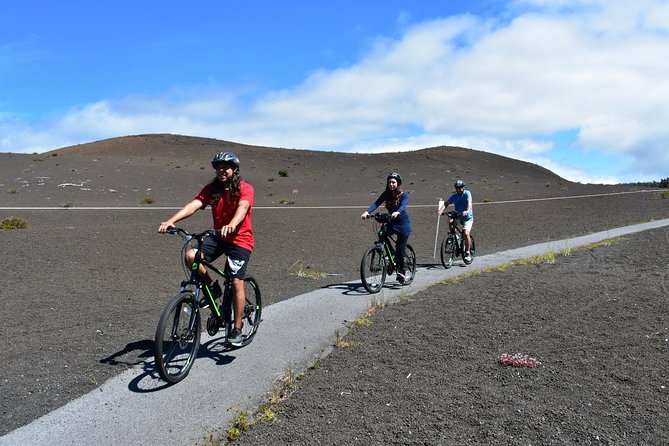
Kīlauea’s summit sits around 4,000 feet, and conditions can be chilly, windy, wet, or misty even when Hilo or the coast feels warm. Expect temperatures to run about 12 to 15 degrees cooler than at sea level. Wear layers that can handle a change from sun to rain.
Pack:
- A light jacket or rain layer
- Closed-toe shoes
- Sunglasses or prescription glasses
- Sunscreen
- A hat
- Water
- A camera
- Binoculars, if you enjoy watching birds and distant volcanic features
- A fully charged smartphone and portable charger
A rain jacket is not included. You can buy one at the Kīlauea General Store, but it is better not to depend on local stock during a wet spell. The company has sometimes helped riders with spare windbreakers, but that is not something you should count on.
The bike, helmet, and lock are included. Parking and restroom access are also included, which makes the meeting point easier than starting in the middle of the park.
What the $159 price really buys
At $159 per person, this is not a cheap bike rental. The price includes the electric bicycle, helmet, lock, safety briefing, secure parking, restroom access, GPS app, and live operator support. You also get a route designed to reach areas that are less convenient by car.
The value is strongest if you would otherwise rent a vehicle, spend time searching for parking, and miss the bike-only sections. It is also a good choice if you want to cover more ground than you could on foot but still want to feel the air, rain, and volcanic terrain directly.
The value is weaker if you already plan to spend only a short time at the park, dislike managing technology, or want a detailed live lecture throughout the ride. Add the $15 park entrance fee, food, possible rain gear, and the equipment deposit authorization when budgeting.
The experience is private to your group, which helps if you want an unhurried day. The afternoon departure requires at least four riders, so the morning session is the safer choice if your plans are not flexible.
Who should book this ride?
I would recommend it for confident recreational cyclists, couples, families with older teenagers, and anyone who dislikes the stop-and-go rhythm of a coach excursion. It is especially good for people who want the freedom to combine riding with short walks at the lava tube, visitor center, and crater overlooks.
It is not a good match for children under 15, riders over 270 pounds, beginner cyclists, or anyone who cannot comfortably manage a bike on wet pavement and gravel. It may also disappoint serious cyclists looking for steep climbs or a demanding workout. The route is built for access and sightseeing, not athletic challenge.
The provider’s guided rides have included staff such as Gwen, Chris, Aaron, Pretty, and Lauren, but this experience is self-guided. Your day depends on the app, your group’s choices, and the live operator support at the bike base rather than a personal guide riding beside you.
Should you book the Hawaii Volcanoes e-bike tour?
Book it if you want an active, flexible way to see more of Hawaii Volcanoes National Park, especially the bike-accessible crater viewpoints. The e-bike makes the distance manageable, and the combination of forest, steam vents, lava tubes, and open volcanic ground gives the park more variety than a quick drive-by visit.
Skip it if your phone is unreliable, you want a fully guided lecture, or wet-weather cycling sounds unpleasant. Prepare your app, bring layers and extra battery power, and treat active lava as a bonus. With those expectations, the $159 cost can make sense for a half-day that reaches sights a car tour may miss.
FAQ
Where does the e-bike tour begin and end?
The tour begins at Bike Volcano, 19-3972 Old Volcano Road, Volcano, Hawaii 96785. You return the bike to the same meeting point at the end.
What time does the tour start?
The morning tour begins at 9:30 a.m. An afternoon tour begins at 12:30 p.m., but the afternoon option requires at least four riders.
Is admission to Hawaii Volcanoes National Park included?
No. The national park entrance fee is separate and is listed as $15 per person.
Do I need my own smartphone?
Yes. You need a fully functioning smartphone to use the GPS audio app. Download the app before arriving and make sure your phone has enough battery for the ride.
What equipment is included?
The package includes an electric comfort hybrid bicycle, helmet, lock, GPS audio app, secure parking, restroom access, a shaded staging area, safety instruction, and live operator assistance.
What should I wear?
Wear layered clothing, closed-toe shoes, sunglasses or prescription glasses, sunscreen, and a hat. Summit weather can be rainy, windy, misty, and 12 to 15 degrees cooler than at sea level.
Who cannot take this tour?
The tour is not available to cyclists under 15 years old or people weighing over 270 pounds. It is also not recommended for beginner cyclists because you need to steer, shift, balance, and ride on paved and gravel surfaces.
More bike tours around the USA
- Hawaii: Volcanoes National Park E-Bike Rental and GPS Audio
★ 4.8 · 16 reviews - Easy Stroll (or Bike) Through Downtown Key West Audio Tour
★ 4.5 · 6 reviews - Brooklyn Bridge Self-guided Bike Tour App – Audio + Written
★ 3.0 · 3 reviews - Florence: 2.5 hour Audio Guided Bike Tour led by Tour Leader
★ 4.7 · 36 reviews
More National Park Audio Tours in the USA
- Arches National Park Self-Guided Driving Audio Tour
★ 4.5 · 288 reviews - Shenandoah National Park Self-Guided Driving Audio Tour
★ 4.5 · 109 reviews - Self-Guided Audio Driving Tour in Mesa Verde National Park
★ 4.5 · 86 reviews - Bryce Canyon National Park Self-Guided Driving Audio Tour
★ 4.5 · 71 reviews
New audio tours around the USA
- Beaches, Bites and Bavaria in Leavenworth: A Self-Guided Audio Tour★ 3.5 · 3 reviews
- Welcome to Fabulous Las Vegas Sign Self-Guided Audio Tour★ 5.0 · 2 reviews
- Las Vegas Day Trips: 3-Day Self-Guided Audio Tour★ 5.0 · 2 reviews
- Hoover Dam and Lake Mead Self-Guided Audio Tour★ 5.0 · 3 reviews
- Driving Lake Tahoe: A Self-Guided Audio Tour From Tahoe City to Incline Village★ 5.0 · 10 reviews
- Las Vegas Neon and Secrets: Self-Guided Audio Tour★ 5.0 · 3 reviews
- Baton Rouge Historic Downtown Self-Guided Audio Walking Tour★ 4.0 · 19 reviews
- Ultimate La Jolla Self-Guided Driving & Walking Audio Tour Bundle★ 3.5 · 9 reviews
Big Island Audio Tours, compared.
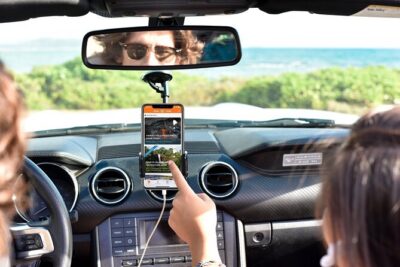

Hawaii Volcanoes National Park Self-Guided Driving Audio Tour
Read our review →
Big Island North Island Jungle Adventure – Self-Guided Audio Tour
Read our review →