

Review · PALM SPRINGS
Death Valley National Park Self-Guided Audio Driving Tour
Death Valley is a place where the road itself becomes part of the attraction. This self-guided audio tour takes you across more than 80 miles of salt flats, badlands, volcanic hills, and old mining country while explaining what you are seeing. The stories start automatically as you drive, so you can keep your eyes on the road instead of fiddling with a screen.
I like the low price for a whole car and the fact that the tour works offline after you download it. I also like the freedom to stop for photos, pause the narration, or return another day. The main caution is technical setup: choose the correct starting version before you enter the park, because poor cell service can make it hard to recover if you start from the wrong point.
Key points to know before you go
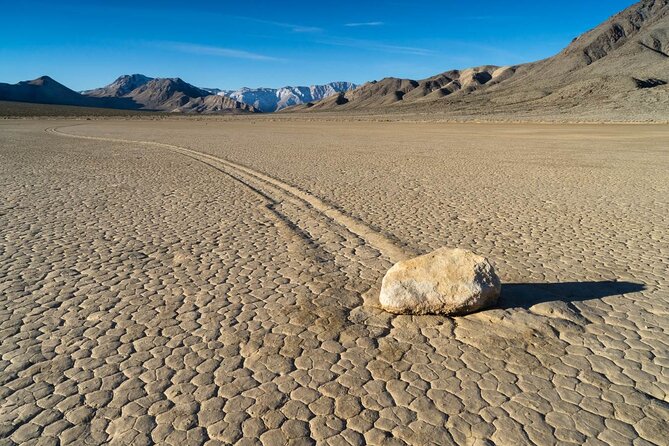
- More than 55 audio stories: The narration covers Death Valley’s borax industry, geology, mining past, and major viewpoints.
- One price per car: At $16.99 for up to four people, the cost is much lower than a private guided vehicle tour.
- Offline use is essential: Download the app and tour over strong Wi-Fi or cellular service before reaching the park.
- Several starting versions: You may choose an east, west, north, or Furnace Creek starting point in the app.
- Major stops are included: The route covers Dante’s View, Zabriskie Point, Artist’s Palette, Devils Golf Course, and Badwater Basin.
- You control the schedule: Pause for walks, snacks, photos, or side trips, then continue when ready.
What this Death Valley audio tour is really like
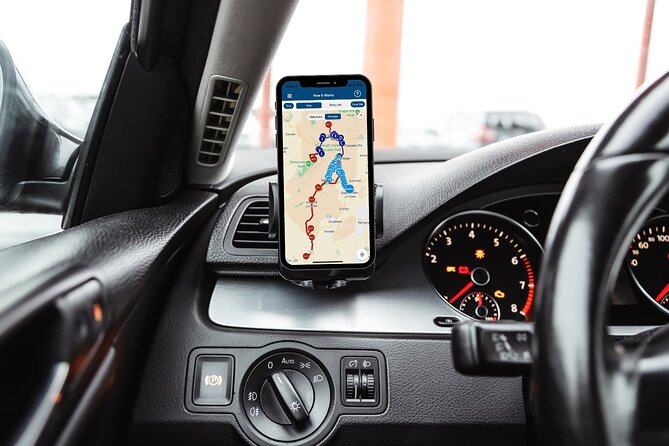
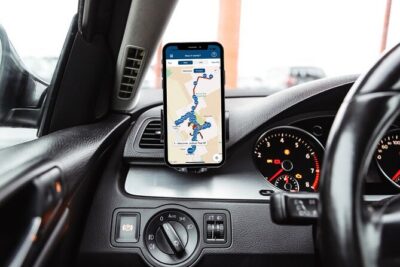
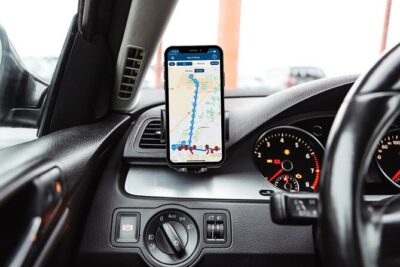
This is not a bus tour or a walk with a guide waiting at a meeting point. You drive your own car, follow the route in the Action Tour Guide app, and listen through your vehicle’s Bluetooth, USB, or AUX system. GPS triggers each story as you reach the right spot.
That format fits Death Valley well. The park is spread out, and the best stops are separated by long stretches of open road. A good narrator gives those miles purpose. Instead of simply watching the desert pass by, you hear why the valley became famous, how borax shaped its early industry, and how heat and erosion produced its strange colors.
The advertised driving time is about four to five hours. That is the time for the route itself, not a full day of hiking, picnicking, or lingering at every viewpoint. If you want to walk Golden Canyon, wait for sunset at Dante’s View, or take many photographs, plan extra time.
The tour is offered in English. It is a private activity in the sense that only your own group participates, but there is no live guide and no set departure time.
More Self-Guided Audio Tours in the USA
- Gettysburg Battlefield Self-Guided Driving Audio Tour
★ 4.5 · 910 reviews - Joshua Tree National Park Self-Guided Driving Audio Tour
★ 4.5 · 762 reviews - Ultimate Acadia National Park Self-Guided Driving Audio Tour
★ 4.0 · 521 reviews
Starting at Death Valley Junction
Death Valley Junction is one of the suggested starting points, and it works well if you are entering from the east. The opening stories set the tone by explaining why this harsh valley has become one of the most striking places in the country.
The narration points out the contrast at the heart of Death Valley. This is famous for brutal heat, yet the same dry conditions help reveal salt flats, exposed rock, and wide views that would be harder to see elsewhere. The early part of the tour gives you useful context before the main viewpoints arrive.
Pay attention to the route version you select. The app may offer versions for Death Valley Junction, Furnace Creek Visitor Center, the North Entrance near Beatty, and the West Entrance at Towne Pass. If you enter from one side but open another version, the audio points may not line up with your position.
Borax and the story behind the valley
Gold brought hopeful prospectors west, but borax helped keep Death Valley on the map. The tour explains how miners searching for gold found a different mineral with real commercial value.
This is one of the more useful historical sections because it explains why Death Valley has more than natural scenery. The old extraction economy shaped roads, settlements, and the popular image of the Twenty Mule Team. The short story at the Borax stop is only about five minutes, but it gives the later route more meaning.
I especially like this kind of narration on a driving tour. You do not need a long lecture. A few clear facts can turn an unusual rock formation or old mining reference into something you recognize as you move through the park.
Dante’s View and the huge drop to Badwater
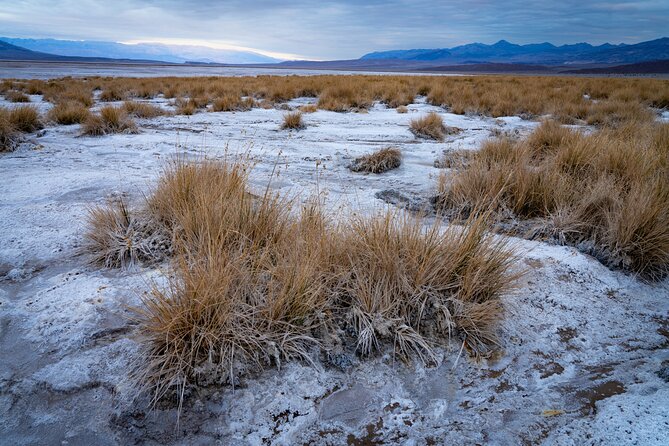
Dante’s View is one of the strongest scenic stops on the route. From more than 5,000 feet above Badwater Basin, you look down toward the salt flats and across to the Panamint Mountains.
This is a good place to stop for photographs because the view shows the scale of Death Valley better than a close-up roadside stop can. You can see how far the basin stretches and how sharply the surrounding mountains rise.
The audio points out that Dante’s View sits on the edge of the Black Mountain Range. It also makes a fine sunset location, but timing matters. A four to five hour route can run longer if you wait for evening light, so build that into your day rather than treating it as a quick stop.
Road conditions and park access can change. Check official alerts before you leave, especially if Dante’s View or connecting roads are part of your planned route.
More Driving Audio Tours in the USA:
- Ultimate Lake Tahoe Self-Guided Driving Audio Tour
★ 4.5 · 435 reviews - Scenic Newport, RI Self-Guided Driving Audio Tour
★ 4.5 · 325 reviews - Arches National Park Self-Guided Driving Audio Tour
★ 4.5 · 288 reviews - Kauai Adventure Bundle: 4 Epic Audio Driving Tours
★ 4.5 · 211 reviews
Twenty Mule Team Canyon and Zabriskie Point
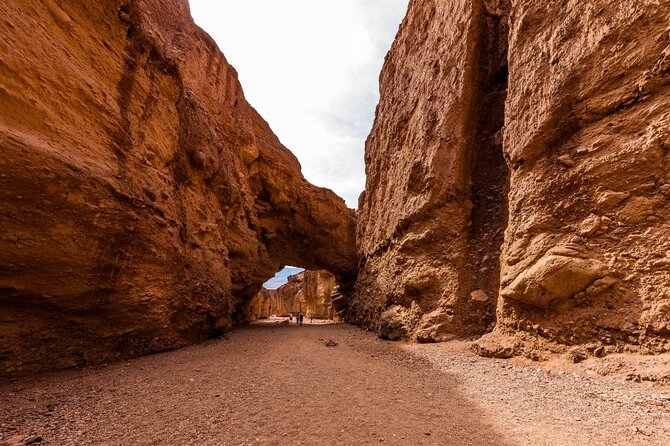
Twenty Mule Team Canyon takes its name from the wagon trains associated with Death Valley’s borax era. The winding road passes saffron-colored hills and eroded badlands, giving you a close look at the soft, folded rock.
The colors can change with the sun. Early morning and late afternoon bring warmer tones, while the midday light can make the forms look paler and flatter. The road is part of the appeal, but stay alert and follow current park guidance before turning onto any side road.
Nearby Zabriskie Point is one of Death Valley’s most recognizable viewpoints. From the overlook, you see the badlands below, pale salt flats beyond them, and the Panamint Mountains in the distance.
The tour connects the view to a 19th-century borax baron and explains how erosion shaped the folds and gullies. That context is useful because the scene can look almost abstract at first. The audio gives you a way to read the colors and ridges instead of seeing them as one broad wash of desert rock.
Furnace Creek Visitor Center and Mars Hill
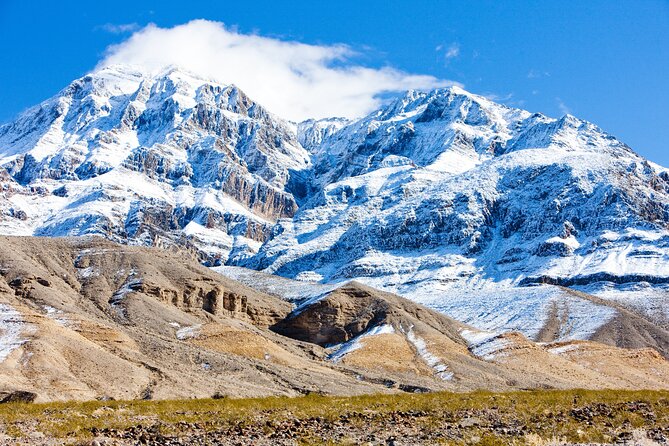
Furnace Creek Visitor Center is a practical stop in the middle of the route. You can find snacks, water, and restrooms here, along with the famous digital thermometer outside.
The thermometer makes an easy photo stop, especially if you want proof of the conditions to show people at home. Still, use the visitor center for more than a temperature picture. It is a sensible place to check current conditions before continuing, since Death Valley weather and road access can change quickly.
The tour then points out Mars Hill, a low rise whose name comes from its resemblance to the dry, rusty surface many people associate with Mars. The comparison is simple but effective. Ochre stones, dusty open ground, and unusual formations make the name easy to understand once you see the area.
One five-minute story will not explain every part of the park. That is a fair limitation of an audio drive with many stops. It gives you a useful introduction, but you should not expect a specialist geology program at every viewpoint.
Golden Canyon and the chance to stretch your legs
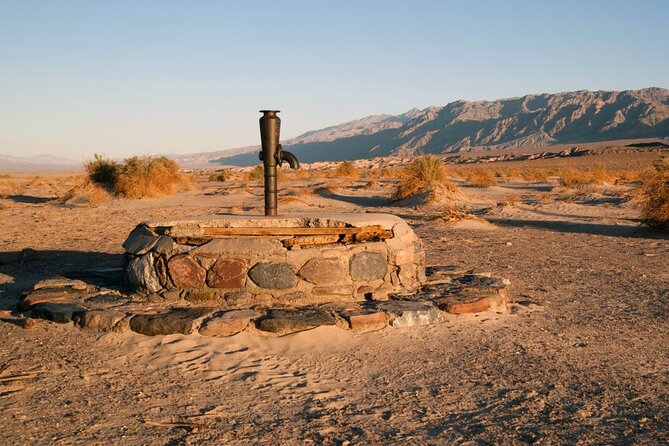
From the Furnace Creek area, you can reach the Golden Canyon trail. The listed out-and-back walk is about three miles and takes around an hour.
This is where the self-guided format earns its keep. You are not forced to stay with a group while you walk, and you are not pushed onward because a bus schedule says it is time to leave. Pause the tour, take the walk, and restart the narration when you return to the car.
Heat changes the difficulty of even a moderate walk. The supplied information does not set out a seasonal hiking recommendation, so use your judgment, carry water, and check conditions before setting out. The trail is popular, so you may encounter other hikers, but the tour itself remains private to your group.
The geology behind Artist’s Palette
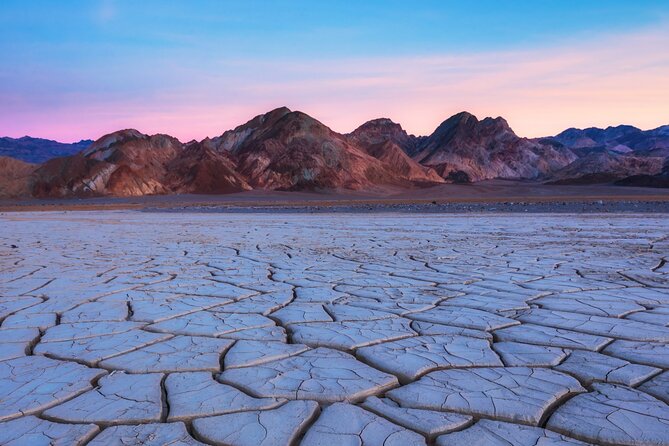
One stop explains a set of rocks colored by volcanic deposits of iron oxides and chlorite. This matters because Death Valley’s colors do not all come from the same process.
At Zabriskie Point, sedimentary deposits create much of the visual effect. Here, volcanic material produces a different palette. The distinction turns a pretty roadside view into a small geology lesson, and it helps you notice why one hill looks red, another greenish, and another pale.
The best viewpoint for Artist’s Palette lets you see the colored rocks together. The result can look painted, but the narration keeps the explanation grounded in actual mineral deposits rather than treating it as a visual novelty alone.
Devils Golf Course and Badwater Basin
The road to Devils Golf Course is rugged and unpaved, so caution matters. The name is a joke with a sharp edge: instead of smooth grass and neat fairways, you find a rough field of jagged salt formations.
This stop gives you a close view of how water, evaporation, and mineral deposits can produce hard, uneven ground. Stay alert on the access road and confirm that it is open before including it in your plan.
Badwater Basin is the grand finale for many people. Its salt flats cover roughly 200 square miles, and the basin reaches 282 feet below sea level, the lowest point in North America.
The scale is hard to grasp from the roadside. Walk out far enough to see the salt patterns spread across the basin, but allow extra time and take the heat seriously. Recent flooding has closed Badwater Road at times, along with North Highway and Bonnie Clare Road, and access can be limited during repairs. Check official park alerts on the day of your visit.
Price, app setup, and real value
At $16.99 per group of up to four, this is inexpensive if you have a full car. Four people would pay just over $4 each, while even a solo driver gets a full route for less than many paid attraction tickets.
The value comes from the combination of coverage and flexibility. You receive more than 55 audio stories, offline maps, automatic GPS playback, and access without an expiry date. You can use it on more than one trip and pause it for breaks or side excursions.
The park entrance fee is separate. That fee gives access to Death Valley National Park for seven consecutive days, but it does not include the audio tour.
Setup is the part that demands care:
- Book the tour and look for the setup email and text.
- Search your messages for audio tour if you do not see them quickly.
- Download the separate Action Tour Guide app.
- Enter the supplied password.
- Download the chosen tour while you still have strong service.
- Connect your phone to the car stereo.
- Open the correct starting version once you reach the park.
The app is recommended for iOS 15 or later, Android 9 or later, or an iPad or tablet with GPS and cellular capability. Apple CarPlay can handle audio playback, while Android Auto support is still coming. Since cell coverage can disappear in the park, do not wait until Death Valley Junction or Furnace Creek to download everything.
This technical point is not minor. Some people have had a smooth offline experience, with GPS triggering stories even without Wi-Fi or phone service. Others have struggled because the tour was not downloaded or because they began from the wrong entry version. The product can work well off-grid, but only after you prepare it properly.
Who should book this drive
I would recommend it to first-time Death Valley visitors who want structure without a fixed group schedule. It is also a good fit for couples and families sharing one car, since the price covers four people.
You will get the most from it if you enjoy short historical and geology stories, prefer to drive independently, and want reminders about major stops along a long route. It is especially useful when you want more than a map but less than a full private guide.
I would hesitate if you want detailed coverage of every road and attraction in the national park. The route hits major hot spots and adds historical context, but some areas may receive little or no attention. A few listeners also found repetition, and technical trouble can spoil the experience if the setup is rushed.
The tour has an overall rating of 4.2 from 33 ratings, which fits the picture: strong value and useful narration for many people, but not a perfect technical or editorial experience for everyone.
Should you book the Death Valley audio tour?
Book it if you want an affordable companion for a self-drive and you are willing to download the app before leaving reliable service. The automatic GPS stories, offline maps, flexible timing, and broad route make it a practical way to give your Death Valley drive some shape.
Skip it if you prefer a live guide, dislike app setup, or already have detailed park information. Also check road closures before paying, since flooding and repairs can affect the route.
Cancellation is free up to 24 hours before the start time. Inside that window, the cost is not refunded. The tour itself has lifetime access with no expiry, so you can also save it for a future Death Valley visit.
FAQ
How much does the Death Valley audio tour cost?
The tour costs $16.99 per group of up to four people. The park entrance fee is separate.
How long does the driving tour take?
The route takes about four to five hours without treating every stop as a long visit. Hiking, sunset stops, meals, and photographs will add time.
How long is the route?
The tour covers more than 80 miles and includes over 55 audio stories.
What language is the tour offered in?
The tour is offered in English.
Does a live guide meet you at the starting point?
No. This is a self-guided activity, and no person meets you at the start.
Where can I start the tour?
The app may provide versions for Death Valley Junction at the east entrance, Furnace Creek Visitor Center, the North Entrance near Beatty, and the West Entrance at Towne Pass. Choose the version that matches your entry point.
Does the tour work without cell service?
Yes, but you must download the app and tour while you have strong Wi-Fi or cellular service. After that, the tour is designed to work offline with GPS.
How do I hear the narration in the car?
Connect your phone to the car stereo with Bluetooth, USB, or AUX. Audio playback also works with Apple CarPlay.
Is the park entrance fee included?
No. A separate entrance fee is required, and it allows access to the park for seven consecutive days.
Can I pause and reuse the tour?
Yes. You can pause it for breaks or side trips, use it on different days, and access it without an expiry date.
More National Park Audio Tours in the USA
- Self-Guided GPS Audio E-Bike Tour Hawaii Volcanoes National Park
★ 4.5 · 131 reviews - Shenandoah National Park Self-Guided Driving Audio Tour
★ 4.5 · 109 reviews - Self-Guided Audio Driving Tour in Mesa Verde National Park
★ 4.5 · 86 reviews - Bryce Canyon National Park Self-Guided Driving Audio Tour
★ 4.5 · 71 reviews
New audio tours around the USA
- Beaches, Bites and Bavaria in Leavenworth: A Self-Guided Audio Tour★ 3.5 · 3 reviews
- Welcome to Fabulous Las Vegas Sign Self-Guided Audio Tour★ 5.0 · 2 reviews
- Las Vegas Day Trips: 3-Day Self-Guided Audio Tour★ 5.0 · 2 reviews
- Hoover Dam and Lake Mead Self-Guided Audio Tour★ 5.0 · 3 reviews
- Las Vegas Neon and Secrets: Self-Guided Audio Tour★ 5.0 · 3 reviews
- Driving Lake Tahoe: A Self-Guided Audio Tour From Tahoe City to Incline Village★ 5.0 · 10 reviews
- Baton Rouge Historic Downtown Self-Guided Audio Walking Tour★ 4.0 · 19 reviews
- Ultimate La Jolla Self-Guided Driving & Walking Audio Tour Bundle★ 3.5 · 9 reviews
Palm Springs Audio Tours, compared.

Palm Springs and Joshua Tree Self-Guided Driving Audio Tours
Read our review →Browse the lists this tour appears in