
Review · POMPEII
Pompeii: Skip-the-Line Entry & Audioguide
Pompeii is more than a pile of old stones. It is a Roman town you can walk through street by street, with fountains, bakeries, houses, theaters, and public buildings still laid out under the shadow of Vesuvius. The central forum gives you the clearest sense of how public life once worked here.
I like the freedom of this visit. You can follow the audioguide at your own pace, pause for frescoes or columns, and leave after two hours or stay for most of the day. I also like the choice of languages, with Italian, English, French, Spanish, German, Portuguese, Chinese, and Japanese available.
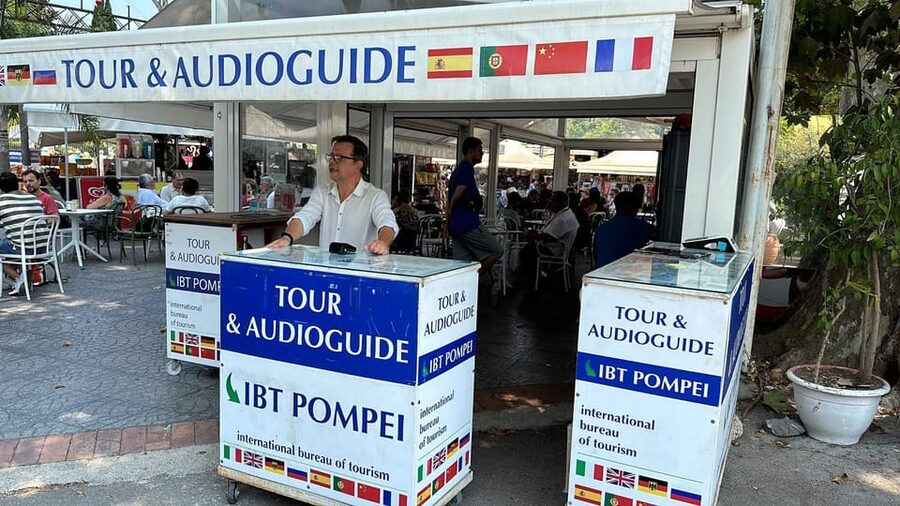
The main catch is value. At about $53 per person, this can cost more than buying admission directly, especially if the entrance line is short. The meeting point is also not perfectly obvious, so arrive with the IBT Center and Chalet Donna Lucia clearly in mind.
Key things to know before entering Pompeii
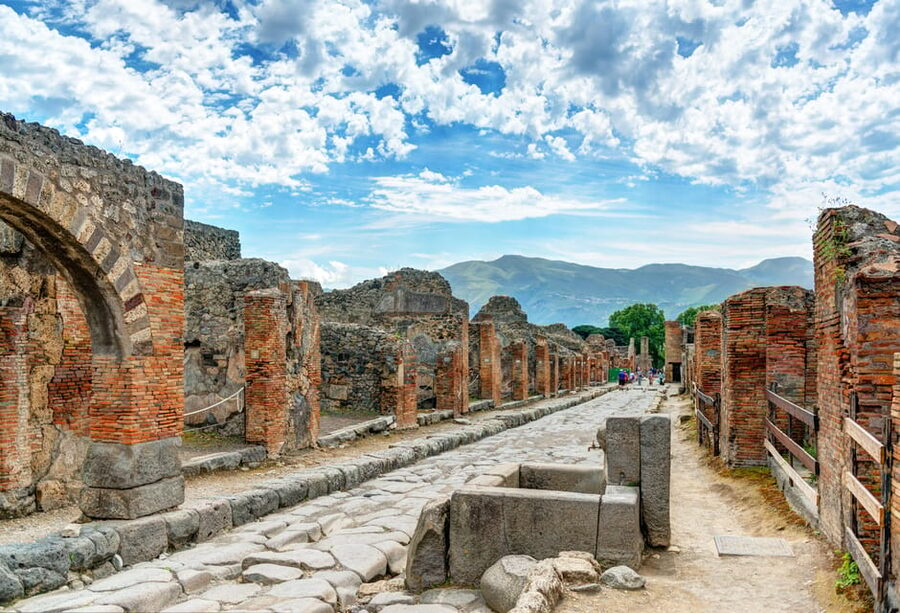
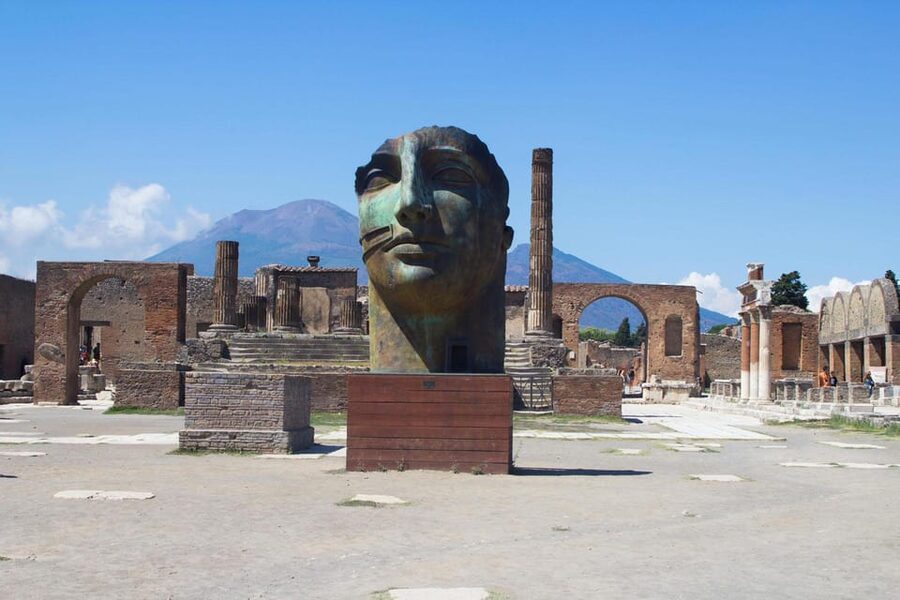
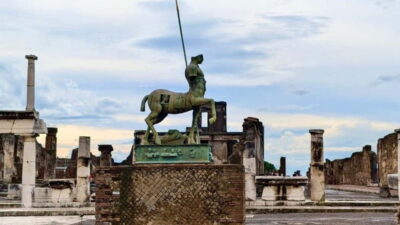
- The forum is your best opening stop: It gives you a quick visual guide to Pompeii’s public center, with columns, doorways, and Vesuvius behind it.
- The audioguide makes the self-guided format work: You get commentary in eight languages, so you are not left guessing what each building once did.
- You can stay from two hours to one full day: This suits both a quick visit and a serious archaeological walk.
- The ticket does not include Villa dei Misteri: Plan around that if the famous villa is a priority for you.
- The meeting point is beside Chalet Donna Lucia: Look for the IBT Center or Touristation before heading toward the entrance.
- The price deserves a comparison: The convenience may help on a busy day, but direct admission can be cheaper.
Walking into Pompeii through the IBT Center
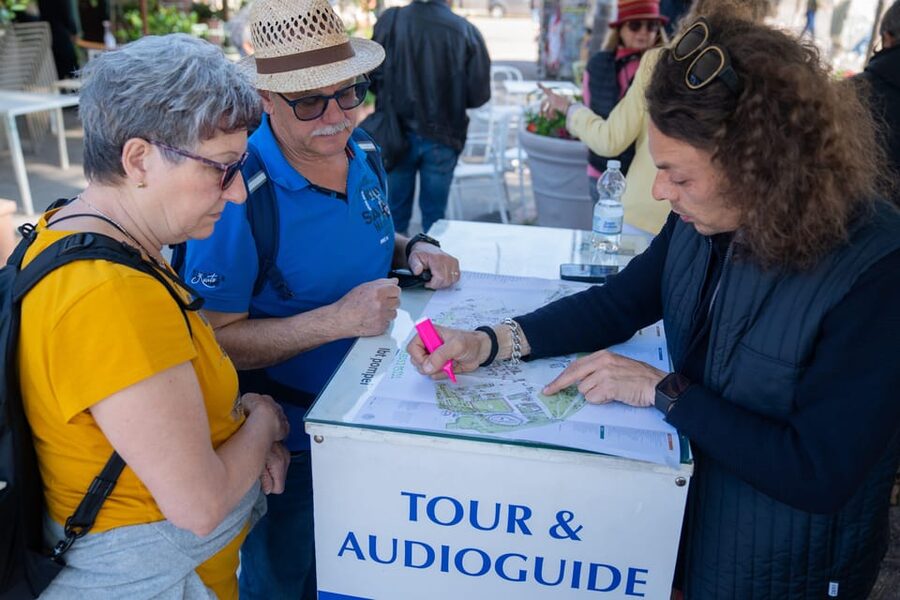
Your visit begins at the IBT Center, also called Touristation, next to Chalet Donna Lucia. This is not described as a hotel pickup service, so you need to make your own way to the meeting point. The location matters because Pompeii has several nearby access points and a busy tourist area around the entrance.
I would allow extra time to find the center. One recent booking account found the meeting point unclear, while another described the process as easy and smooth. That tells you what to expect: the arrangement can work well once you are in the right place, but do not arrive at the last second.
Bring your passport or another accepted ID. Identification is required for all participants. One booking account also raised concern about being asked to leave a passport as a deposit for the audioguide, so ask exactly what is needed before handing over an original document. If a deposit is requested, clarify how and when it will be returned.
The skip-the-line benefit applies to the ticket line. It does not mean you skip every possible checkpoint, and it does not remove the need to collect or organize the audioguide. Still, avoiding a long ticket queue is useful in hot weather and during the busiest periods.
More Skip-the-Line Audio Tours in Pompei Campania:
- Pompeii: Skip-the-line Entry Ticket with Audio Guide & Map
★ 3.9 · 3,153 reviews - Pompeii: Skip-the-Line Entry Ticket with Digital Guide App
★ 4.1 · 770 reviews - Pompeii: Skip-the-Line Ticket with Audio Guide and Map
★ 4.0 · 117 reviews
The forum and Vesuvius set the scene
The central forum is the natural place to begin. This broad public space was the heart of Pompeii, and the remains of columns and doorways help you picture a city center filled with business, politics, religion, and everyday errands.
The view toward Mount Vesuvius adds a powerful sense of place. The volcano is not just a distant backdrop. It explains why this city was buried and preserved, and its presence follows you as you move through the streets.
The audioguide can help here by explaining the function of the forum and the surrounding structures. Without commentary, it is easy to see the columns but miss the reason the space mattered. If you have selected the guided-tour option, the live portion may give you more direct explanation, but the basic experience is built around independent exploration with recorded commentary.
I recommend taking a few minutes here before rushing onward. Look at the alignment of the streets, the scale of the open area, and the remaining entrances around it. Pompeii becomes easier to understand once you see the forum as the town’s organizing center rather than as a single monument.
Streets, fountains, and the practical Roman city
From the forum, the visit opens into Pompeii’s streets. These roads let you see the city as a place where people lived and worked, not simply as an archaeological display.
You can look for private homes, shops, public baths, fountains, statues, and sections of the aqueduct system. Each feature answers a basic question about daily life. Where did people get water? How were homes arranged? Where did business take place? Which spaces were public, and which were private?
The remains of fountains and aqueducts are especially useful because they show the systems behind ordinary life. The city had water infrastructure, public amenities, commercial spaces, and homes with decorative interiors. The appeal here is in the details, not just the large ruins.
The streets can be uneven and exposed. The supplied information does not specify the walking surface or shade at every point, so wear practical shoes and prepare for time outdoors. You should also plan your energy carefully. A two-hour visit can give you a solid taste, while a full-day stay requires a slower pace and more attention to breaks.
The audio commentary is available in eight languages: Italian, English, French, Spanish, German, Portuguese, Chinese, and Japanese. English commentary has been described as useful in booking feedback, which matters because the site is large enough that a little context can change what you notice.
Homes, shops, baths, and surviving frescoes
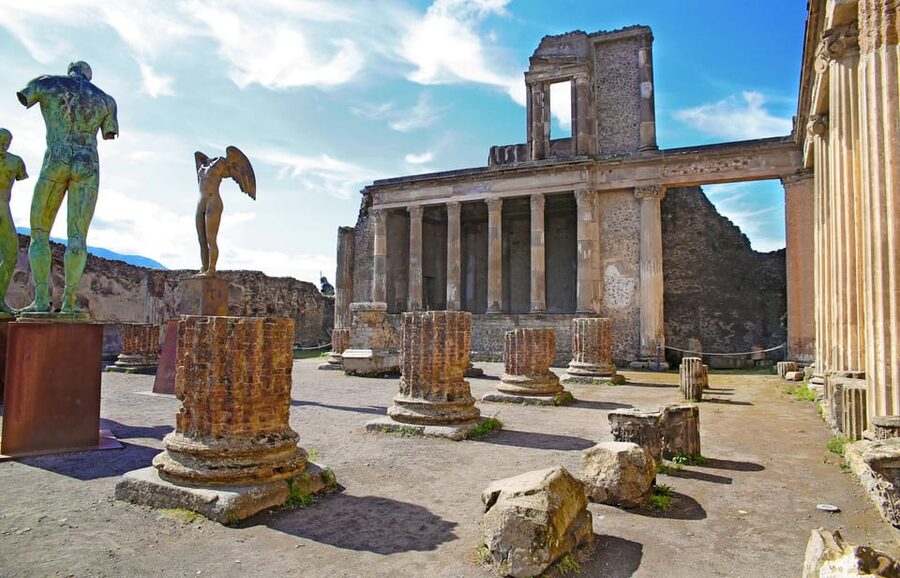
Pompeii’s private houses and businesses are among the most rewarding parts of the visit. They bring the site down to human scale. A forum can feel formal and distant, but a doorway, shop counter, painted wall, or household fountain suggests the routines of people who lived there.
The remaining frescoes are often damaged, but their color and design still show how much decoration mattered. You may find painted walls in both homes and business spaces. The audioguide is useful here because it can direct your attention to details that are easy to pass without explanation.
The public baths offer another glimpse of Roman urban life. They were not simply places to wash. They were part of the city’s shared social and practical infrastructure. The experience does not promise access to every building, and conditions can vary from one area to another, but the surviving bath remains help fill in the picture of public life.
The businesses are worth slowing down for. They show Pompeii as a working town, with commerce taking place beside homes and public buildings. This is where the visit feels less like viewing isolated ruins and more like walking through an old neighborhood.
More audio tours around Pompei Campania:
- From Pompeii: Vesuvius Entry with Transfer and Audioguide
★ 4.2 · 74 reviews - Pompeii & Herculaneum: Skip-the-line & Digital Guide App
★ 4.0 · 35 reviews - Herculaneum and Pompeii in one day: Audioguides + Tkts (art)
★ 3.7 · 22 reviews - Pompeii Tour_Skip the line ticket + audioguide
★ 4.7 · 17 reviews
The amphitheater and dramatic theater
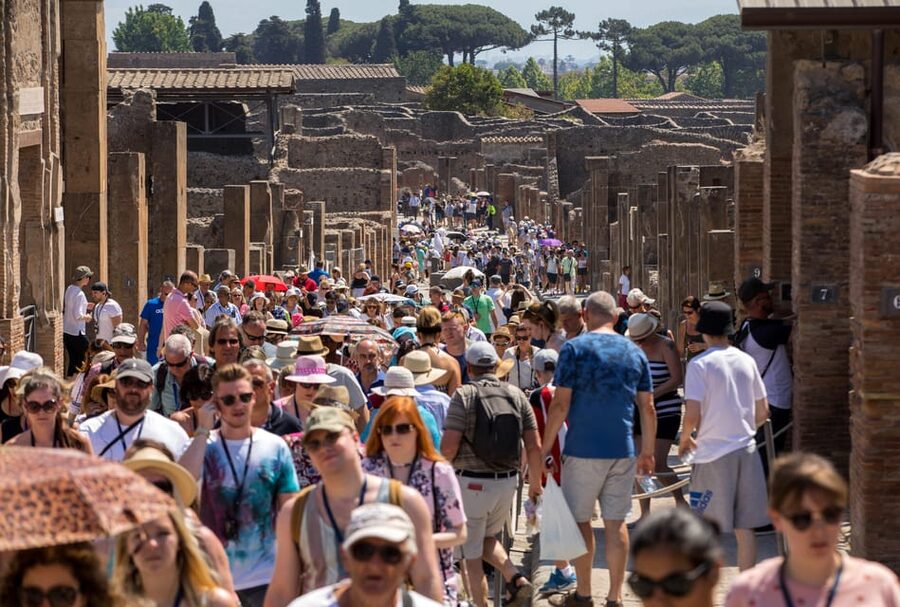
Pompeii’s amphitheater provides one of the clearest reminders that entertainment was central to Roman life. The structure once held eager spectators, and its size gives you a sense of the crowds that gathered there.
The dramatic theater offers a different atmosphere. Rather than treating the two venues as interchangeable, pay attention to their separate roles. One was designed for large public spectacles, while the other supported staged performance in a more theatrical setting.
The supplied details do not promise a special event, performance, or reserved access inside these buildings. You are visiting the remains, not attending a show. Still, they are important stops because they show how the city used architecture to bring people together.
If you have only two hours, you may need to choose between lingering over houses and making time for both performance spaces. If you have most of the day, the longer format gives you room to see the major public areas without treating every stop as a quick photo opportunity.
How much time should you allow?
The stated duration ranges from two hours to one full day, with starting times subject to availability. That wide range is a strength because Pompeii rewards different levels of interest.
Choose around two hours if you want the main forum, a sample of the streets, and a few major public buildings. This works well if Pompeii is one stop during a wider Campania itinerary or if you prefer not to spend an entire day among ruins.
Allow several hours if you want to connect the forum with the homes, shops, baths, theaters, and amphitheater. The audioguide is most useful at this pace because you can stop, listen, and continue without keeping up with a group.
A full day suits anyone who wants to explore slowly. The activity does not include food or drinks, so plan for your own refreshments outside the included service. Large bags and luggage are not allowed, and alcohol and drugs are prohibited. Pets are generally not allowed, although small dogs may enter the archaeological area on a leash and must be carried inside buildings.
Villa dei Misteri is not included. That is an important planning point, since you should not assume the ticket covers every part of the Pompeii archaeological area. If that villa is high on your list, check the access arrangement before booking.
Is the $53 price good value?
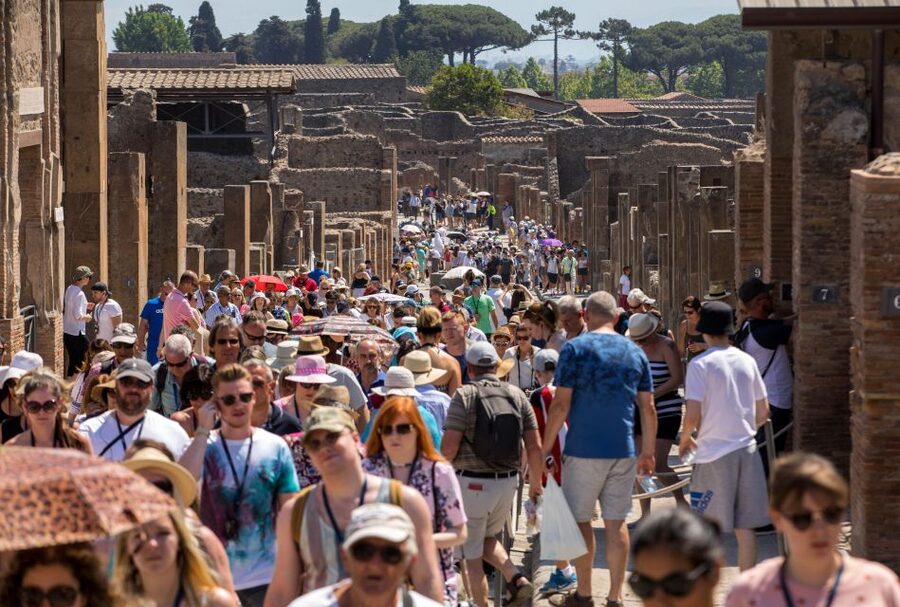
At $53 per person, the package sells convenience and commentary rather than a low-cost entrance ticket. You receive skip-the-line entry, an audioguide, and a paper city map. A guided tour is included only if you select that option.
The value depends on three things: the queue on your date, your interest in audio explanation, and the price of direct admission. Several recent booking accounts raised concerns that buying at the site could be cheaper. One report compared a much higher paid amount with a lower on-site price, and another noted receiving an $18 entrance ticket despite paying about $40 per person.
Those accounts do not establish one fixed local price for every date or ticket type, but they do offer a clear warning. Compare the current direct-entry price before committing, especially if you are visiting outside a peak period. If the ticket line is short, the skip-the-line feature may not justify the difference.
The package makes more sense when you value a ready-made arrangement, want the audioguide, or expect a busy entrance. It is less attractive if you are comfortable buying admission yourself and can bring your own historical guide or app.
The non-refundable cancellation policy adds another reason to check dates, names, identification rules, and the meeting point carefully before paying. A small saving is not useful if your plans may change.
Who will enjoy this Pompeii visit most?
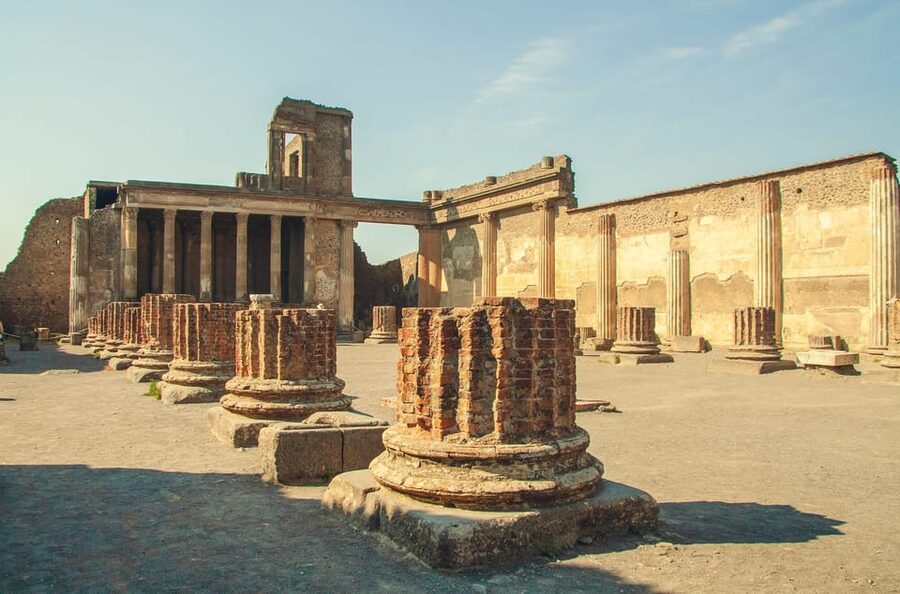
I would recommend it to first-time visitors who want structure without being tied to a live group for the whole visit. The audioguide gives you a basic route through the city, while the flexible duration lets you decide how long to stay.
It also suits people who need commentary in a language other than English. The eight-language choice is a real practical advantage, especially for families or mixed-language groups.
It may suit families who want to move at their own speed, though the rules on pets, luggage, and food still apply. It is also a reasonable choice for independent sightseers who want to focus on particular areas, such as Roman homes, shops, theaters, or the forum.
I would be more cautious if price is your main concern. The booking feedback includes several complaints about paying more than the apparent direct-entry cost. I would also think twice if you want a detailed personal explanation from a historian, unless you select the guided-tour option. The standard format is an audioguide visit, not necessarily a fully live guided experience.
My practical verdict on the experience
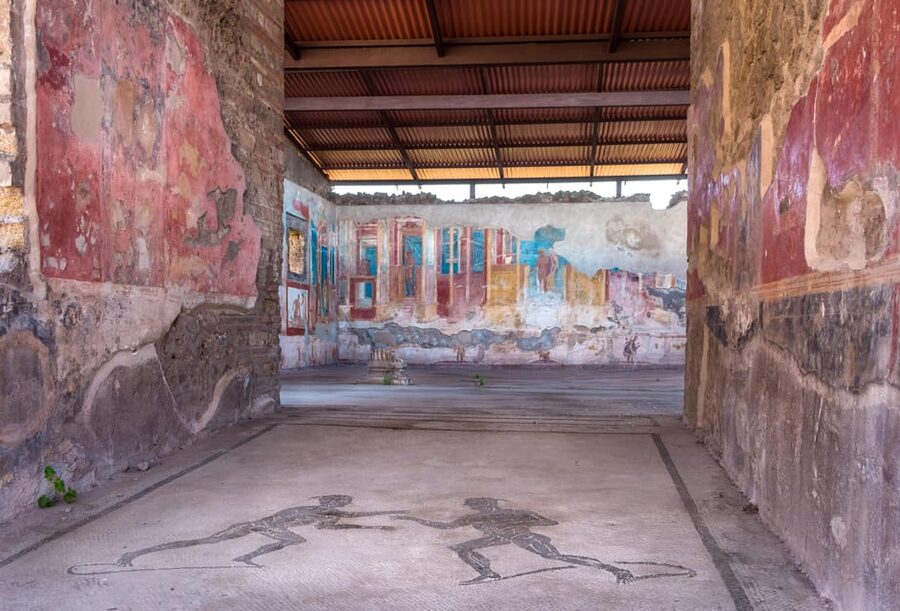
Pompeii is the reason to book this, not the ticket packaging. The ruined streets, forum, fountains, homes, shops, baths, frescoes, and performance spaces give you a rare chance to walk through a complete Roman town. The view of Vesuvius keeps the visit tied to the event that preserved it.
The strongest parts of this arrangement are the flexible time window, the wide language selection, and the ability to start exploring without waiting in the regular ticket line. Daniel’s introduction has been singled out positively in booking feedback, so if you receive the same orientation, it may help you get moving with confidence.
The weak points are the unclear meeting instructions, the non-refundable terms, and the uncertain price advantage. Ask about any passport deposit, compare current on-site admission, and confirm whether you have selected the live guided option or the audioguide-only format.
Should you book Pompeii skip-the-line entry?
Book it if you want a simple, self-guided visit and you expect a long line at the entrance. The audioguide, map, and flexible two-hour-to-one-day format make it easy to shape the day around your own interests.
Skip it if you are visiting during a quiet period, want the lowest possible price, or are happy arranging direct admission yourself. In that case, the $53 charge may not offer enough savings in time to balance the extra cost.
My advice is to check the current direct ticket price and confirm the meeting point before booking. If the difference is modest and the entrance is busy, the convenience is sensible. If the gap is large, buy admission directly and arrange your own commentary.
FAQ
Where is the meeting point?
Meet at the IBT Center, also called Touristation, next to Chalet Donna Lucia.
How long does the Pompeii visit last?
The stated duration is from two hours to one full day. Starting times depend on availability.
What is included in the price?
The package includes skip-the-line entry to Pompeii Archaeological Park, an audioguide, and a paper city map. A guided tour is included only if that option is selected.
Which languages are available for the audioguide?
The audioguide is available in Italian, English, French, Spanish, German, Portuguese, Chinese, and Japanese.
Is Villa dei Misteri included?
No. Entrance to Villa dei Misteri is not included.
Do I need identification?
Yes. Identification is required for all participants, and you should bring a passport or ID card.
Can I bring luggage into Pompeii?
No. Luggage and large bags are not allowed.
Are pets allowed?
Pets are generally not allowed. Small dogs may enter the archaeological area on a leash, but they must be carried inside buildings.
Is food or drink included?
No. Food and drinks are not included in the activity.
New audio tours around Pompei Campania
- Pompeii Tour_Skip the line ticket + audioguide★ 4.7 · 17 reviews
- Pompeii: Pre-reserved ticket with audio guide★ 3.2 · 15 reviews
- Pompeii: Skip-the-Line Ticket with Audio Guide and Map★ 3.9 · 5 reviews
- Pompeii, skip-the-line ticket with smartphone audio guide on App★ 3.0 · 4 reviews
- Pompeii: Skip-the-Line Ticket with Audio Guide and Map★ 4.0 · 117 reviews
- Pompeii: Skip-the-Line Ticket with Audio Guide and Map★ 4.0 · 14 reviews
- Pompeii: Skip the Line Ticket + Audioguide★ 3.3 · 13 reviews
- Pompeii Skip-the-Line Ticket and Audioguide★ 4.2 · 7 reviews
Pompeii Audio Tours, compared.

Pompeii: Skip-the-line Entry Ticket with Audio Guide & Map
Read our review →
Pompeii: Skip-the-Line Entry Ticket with Digital Guide App
Read our review →
Pompeii: Skip the line ticket (art) + audioguide + map
Read our review →
From Pompeii: Vesuvius Entry with Transfer and Audioguide
Read our review →
Pompeii & Herculaneum: Skip-the-line & Digital Guide App
Read our review →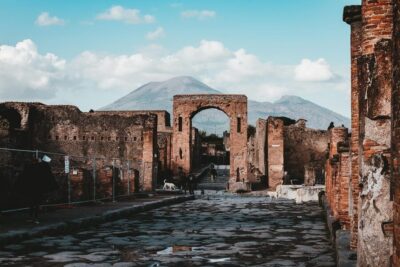
Herculaneum and Pompeii in one day: Audioguides + Tkts (art)
Read our review →
Browse the lists this tour appears in